
If your dog is pooping inside the house, it is usually because of a problem with house soiling. This often means there is a mix of training issues, medical needs, or stress behind the indoor accidents.
It can be frustrating when your once-house-trained dog starts having indoor accidents. This situation, known as inappropriate elimination in dogs, happens for many reasons. Some dogs never learn proper potty habits. Others, who once were good, suddenly start having house training setbacks. Let’s look closely at why dogs poop inside. We need to figure out the cause to fix this undesirable elimination behavior.
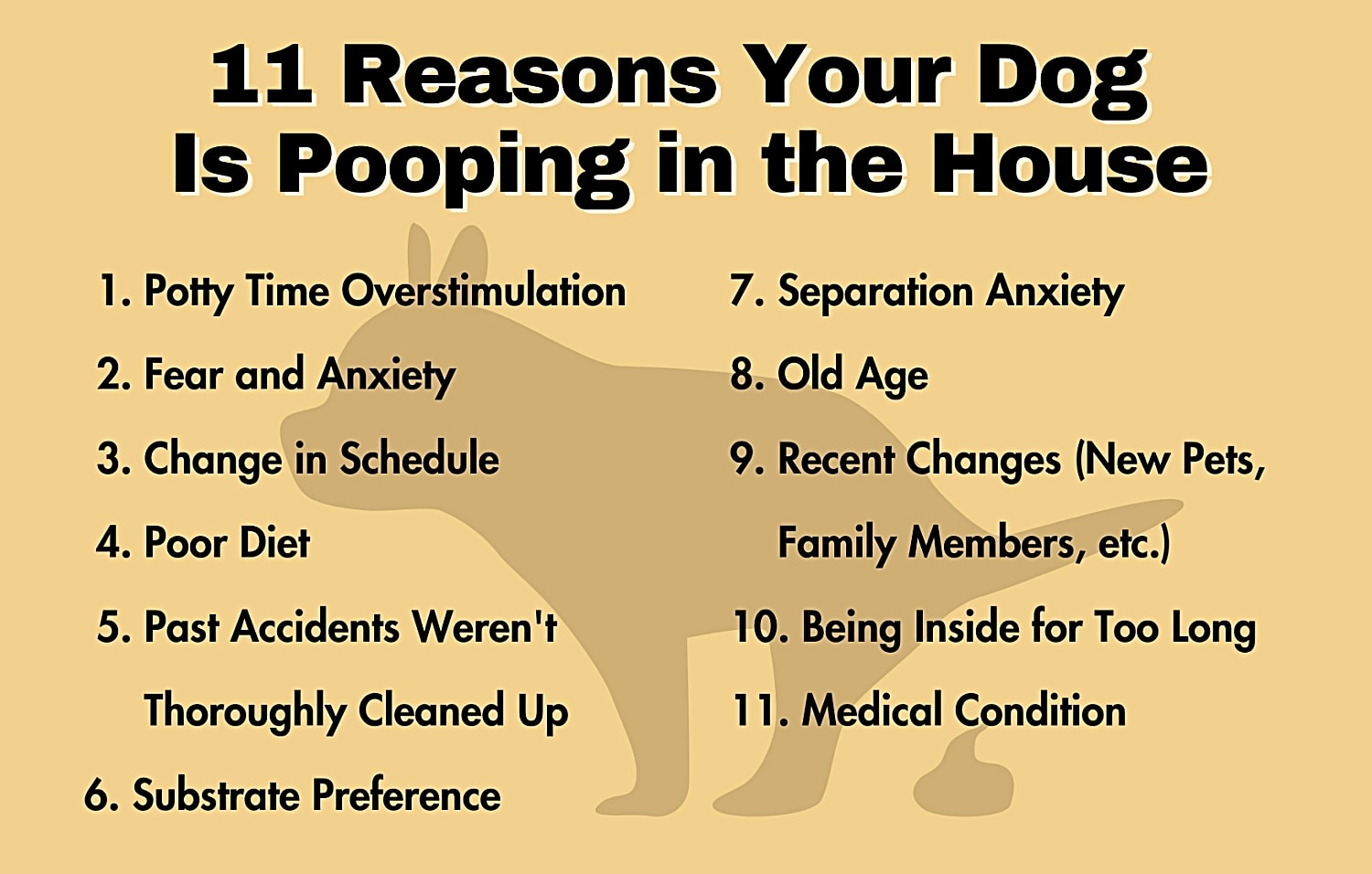
Image Source: pethelpful.com
Deciphering Common Reasons for Pooping Indoors
Many factors can lead to your dog having indoor accidents. These reasons range from simple training gaps to serious health scares. Knowing the right category helps you find the right fix. We will explore health, training, and emotional triggers.
Medical Issues Causing Sudden House Soiling
If a well-trained dog starts pooping indoors all of a sudden, a health issue is the top suspect. A quick trip to the vet is the first step. Pain or illness often stops a dog from holding it until they get outside.
Gastrointestinal Problems
Problems affecting the stomach and bowels can cause fast, unexpected potty trips. If the poop is loose or urgent, it is likely physical.
- Dietary Changes: New food or treats can upset a dog’s stomach.
- Infections: Viruses or bacteria cause diarrhea and immediate need to go.
- Parasites: Worms or other bugs in the gut make it hard to control bowel movements.
- Inflammatory Bowel Disease (IBD): This causes long-term tummy trouble and urgency.
Other Physical Causes
Not all tummy troubles mean simple upset. Other body issues affect control too.
- Age-Related Issues: Older dogs may have weaker muscles. This makes it hard to hold poop until the walk.
- Mobility Problems: If a dog has arthritis or hip pain, getting up and outside quickly becomes hard. They might choose the closest spot.
- Hormonal Imbalances: Conditions like Cushing’s disease can increase thirst and bathroom trips. This leads to more chances for indoor accidents.
If you notice sudden house soiling, especially with changes in poop texture or frequency, see your vet right away. Treating the root medical cause often solves the house soiling problem fast.
Gaps in Dog Potty Training Regression
Sometimes, the issue is not a sickness but a slip-up in learned behavior. This is often called dog potty training regression or house training setbacks.
Incomplete Early Training
Puppies need tons of practice. Even older dogs adopted from shelters might lack full training. If your dog was never truly reliable, they might see the rug as an acceptable spot.
Missing Signs of Needing to Go
Dogs communicate when they need out. They might sniff the floor, pace, or stand by the door. If you miss these signals, the dog gives up and goes inside.
Infrequent Potty Breaks
A dog cannot hold it forever. Small puppies need potty breaks every few hours. Even adult dogs need breaks after waking up, eating, drinking, or playing. If you leave them too long, inappropriate elimination in dogs is likely.
Punishment and Fear
Yelling or rubbing a dog’s nose in an accident creates fear. The dog learns not to potty in front of you. They do not learn where to go. Instead, they hide to poop, often behind furniture or in quiet rooms. This teaches them nothing positive about going outside.
Changes in Routine
Dogs thrive on routine. A major change can stress them out and cause accidents.
- New Schedule: A new work time means different walk times.
- New People or Pets: New family members take attention away from potty breaks.
- Moving House: The dog needs time to relearn where the outside bathroom area is in the new yard. This confusion leads to house training setbacks.
Stress and Emotional Triggers for Indoor Pooping
Dogs are sensitive creatures. Stress, anxiety, and fear are big drivers of inappropriate elimination in dogs. This is more than just bad training; it is a reaction to their environment.
Separation Anxiety
This is a common cause of undesirable elimination behavior. When left alone, a dog with separation anxiety panics. They might drool, bark, or destroy things. Urinating and defecating inside are signs of extreme distress. They are not trying to be bad; they are having a panic attack.
Environmental Changes and Stressors
Anything that rocks a dog’s stable world can cause anxiety-related accidents.
- Loud noises like fireworks or thunderstorms.
- Conflict with other pets in the home.
- Feeling unwell or scared during transport.
Marking Behavior
Sometimes, the poop is not about needing to eliminate but about communication. Marking is territorial. It often looks like a small puddle or small amounts of poop left in new or prominent spots. While usually linked to urine, some dogs mark territory with feces too. This is common if a new, strange dog scent enters the home area.
A Deep Dive into Solving House Soiling Issues
Once you know the possible reasons why dogs poop inside, you can build a plan. The solution depends entirely on the cause: medical, training, or behavioral.
Step 1: Rule Out Medical Causes
Before doing any intensive training, ensure your dog is healthy.
Action Plan for Health Checks:
- Vet Visit: Schedule a full check-up. Bring a fresh poop sample if possible.
- Diet Review: Discuss all foods, treats, and supplements with your vet.
- Medication Check: Some medicines can affect bowel control.
If the vet gives a clean bill of health, you can move to training and behavior modification.
Step 2: Re-establishing Solid House Training Protocols
If health is fine, treat this like you are training a new puppy. This is how you correct dog potty training regression. Be patient and consistent.
Strict Schedule is Key
Consistency helps the dog’s body learn when to expect elimination.
- Immediate Breaks: Take your dog out first thing in the morning.
- After Eating/Drinking: Wait 15 to 30 minutes after meals or water breaks.
- After Play/Waking Up: Always go out right after any excitement or nap.
- Before Bed: The last trip of the night should be right before you go to sleep.
Supervision and Confinement
To prevent indoor accidents, you must stop the dog from practicing the wrong habit.
- Tethering: Keep your dog on a short leash attached to you while inside. If you are always watching, you will catch the signs they need to go out.
- Crate Training (If Appropriate): Dogs naturally avoid soiling their den. If your dog is crate-trained and the crate is the right size (just big enough to stand, turn around, and lie down), use it when you cannot supervise them directly. Never use the crate as punishment.
- Umbilical Cord Method: This is similar to tethering. Keep the dog near you constantly. If they are near you, you see them sniff, circle, or start squatting.
Proper Cleanup is Crucial
If your dog smells their previous accident spot, they will use it again. This is why cleaning matters so much in stopping house soiling.
- Use Enzymatic Cleaners: Standard soaps and bleaches do not break down the proteins in feces that dogs smell. You must use cleaners made with active enzymes. These cleaners destroy the odor markers completely.
- Avoid Ammonia: Ammonia smells like urine to a dog, which encourages them to soil the same spot.
Step 3: Managing Anxiety and Stress
If your vet says your dog is physically fine, and training seems solid but accidents persist, stress is likely involved in the undesirable elimination behavior.
Addressing Separation Anxiety
This needs a careful, slow approach. Consult a certified animal behaviorist if the anxiety is severe.
- Desensitization: Make leaving and arriving a non-event. Do not make a big fuss when you leave or when you come home.
- Pre-Departure Routine: Give your dog a high-value, long-lasting chew toy only when you leave. This helps them associate your departure with a good thing.
- Practice Short Absences: Start by leaving for just a minute, then return calmly. Slowly increase the time.
Creating a Calmer Environment
Reducing overall household stress helps stop accidents.
- Safe Space: Make sure your dog has a quiet, safe den (like a comfortable bed or crate) away from high traffic.
- Scent Calmers: Products like Adaptil (synthetic dog appeasing pheromones) can help some dogs feel more secure.
- Enrichment: Boredom often mimics anxiety. Ensure your dog gets enough physical exercise and mental stimulation (puzzles, training games). A tired dog is less likely to worry or have accidents.
Tables for Quick Reference
Here are charts summarizing what to do based on the potential cause of why dogs poop inside.
Table 1: Troubleshooting House Soiling Based on Cause
| Potential Cause Category | Key Signs to Look For | Recommended First Action | Training Focus Area |
|---|---|---|---|
| Medical | Sudden change, diarrhea, straining, loss of appetite. | Immediate vet visit and stool sample check. | N/A (Health must be fixed first). |
| Training Lapse | Accidents happen when owner is present or distracted. | Revert to strict puppy schedule; increase supervision. | Consistency and positive reinforcement for outside success. |
| Fear/Anxiety | Accidents only happen when the dog is alone or during storms. | Consult a behaviorist; manage the specific trigger. | Creating security and building confidence. |
| Marking | Small amounts left on new items or high surfaces. | Thorough cleaning with enzyme cleaner; spay/neuter if not done. | Redirecting territorial instincts positively. |
Table 2: The Do’s and Don’ts of House Training Setbacks
| DO | DON’T |
|---|---|
| Clean accidents with enzymatic cleaners immediately. | Yell, hit, or scold your dog after the fact. |
| Praise and reward immediately when they poop outside. | Rub your dog’s nose in the mess. |
| Take them out frequently on a strict schedule. | Assume the dog “knows better” and skip breaks. |
| Supervise them closely when you cannot be distracted. | Leave them alone for long periods during regression. |
| Consult your veterinarian if the problem is new or sudden. | Punish dogs who are showing signs of separation anxiety. |
Fathoming Undesirable Elimination Behavior in Specific Scenarios
We need to look closer at two specific, challenging types of house soiling: the older dog and the adopted dog.
Dealing with Senior Dogs and House Training Setbacks
As dogs age, their bodies change. Canine house training problems are often linked to geriatric changes.
Physical Decline
Arthritis slows them down. A dog who feels pain getting up might just squat where they are instead of making the hard trip outside.
Cognitive Decline (Canine Cognitive Dysfunction – CCD)
Similar to human dementia, older dogs can become confused. They might forget their house training rules. They may not recognize their owners or know where the door is.
Strategy for Seniors:
- Pain Management: Work with your vet to keep your senior dog as comfortable as possible.
- Accessibility: Make the potty area easier to reach. If you have stairs, consider doggy ramps or setting up a designated indoor relief area (like potty pads) if outdoor access is too difficult.
- Routine Reminders: Keep feeding and walking times identical every day to help their confused brains stay on track.
The Adopted Dog: Navigating New Environments
When you bring a rescue home, you may face inappropriate elimination in dogs because you are guessing at their past.
Unknown History
Shelter dogs or dogs from high-volume situations might have never learned house rules. They lived in kennels where elimination happens where they sleep.
Stress of Transition
The move itself is stressful. They are in a new place with new smells. It is normal for them to have indoor accidents for the first few weeks.
Strategy for Rescues:
- Assume Zero Training: Start from scratch, as if they were eight weeks old.
- Positive Association: Make the yard the best place to be. Play a short, fun game right after they go potty outside.
- Use Confinement: Crate or tether them when unsupervised until they prove they can hold it for several hours straight.
Frequently Asked Questions (FAQ) About Pooping Inside
Can I ever completely stop my dog from having house soiling issues?
Yes, most house soiling issues can be stopped or managed effectively. It requires patience, consistency, and accurately identifying the root cause—whether it’s medical, training-related, or behavioral. Do not give up; dedicated work pays off.
How long should I supervise my dog closely to prevent indoor accidents?
Supervision should be total until your dog has gone at least 4–6 weeks without a single indoor accident. If you have a known history of dog potty training regression, extend this period. Always supervise during times you know they usually need to go (after meals, first thing in the morning).
What is the difference between marking and regular house soiling?
Regular house soiling happens because the dog needs to empty its bladder or bowels, often resulting in a full squat and a full deposit. Marking is usually a small amount of urine or feces left on vertical objects or in new, prominent areas. It is a communication or territorial behavior, not necessarily about elimination needs.
My adult dog is suddenly pooping indoors. Is this normal?
No, sudden house soiling in an adult dog is rarely normal. While house training setbacks can happen due to stress, a sudden, unexplained change strongly suggests a physical problem. See your veterinarian immediately to check for illness or pain that prevents them from holding it or getting out in time.
Should I use puppy pads if I am having house training setbacks?
Using puppy pads can sometimes confuse dogs, especially if you are trying to teach them to go outside. If you use pads, treat them as temporary aids only. Always place the pad where you want the elimination to occur, clean other spots thoroughly, and start transitioning them outdoors as soon as possible to avoid long-term inappropriate elimination in dogs.