
If your dog is coughing often, it means something is bothering their throat or lungs. A cough is a reflex. It tries to clear irritants from the airways. A dog coughing spells worry for any pet owner.
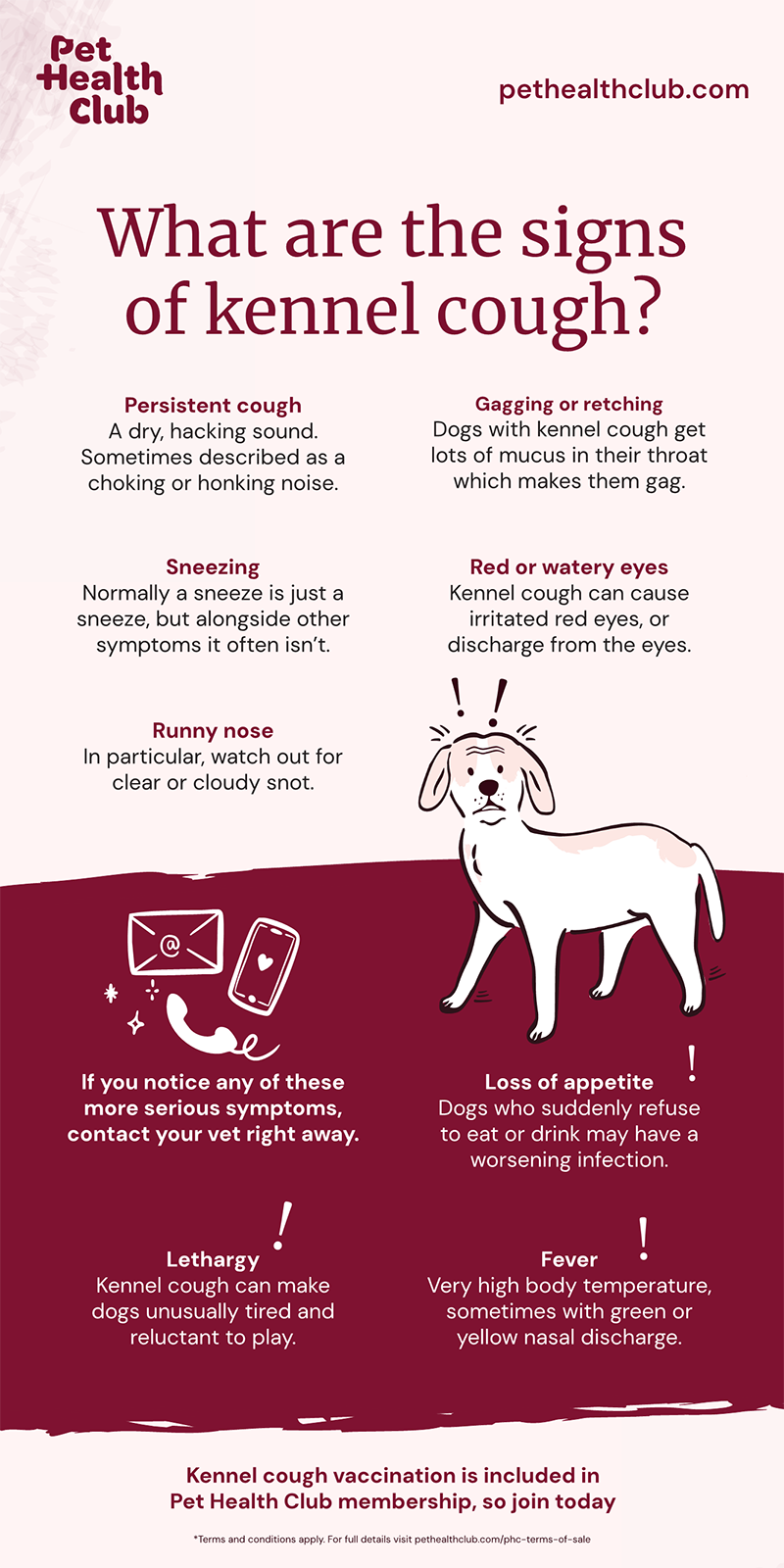
Image Source: images.ctfassets.net
Causes of Canine Coughing
Many things can make a dog cough. Some causes are minor. Others need quick medical care. Knowing the main reasons helps you seek the right help.
Infectious Causes of Coughing
Infections are a major reason for coughing fits. These often spread easily between dogs.
Kennel Cough: A Common Culprit
One of the most known causes is dog kennel cough symptoms. This illness is highly contagious. It often starts suddenly. The cough sounds like a harsh, dry honk. It might sound like your dog is trying to choke on something.
- What causes it? It usually stems from bacteria (like Bordetella bronchiseptica) or viruses (like Parainfluenza).
- Where does it spread? It spreads fast in places with many dogs, like kennels, dog parks, or grooming shops.
- Treatment: Often, it clears up on its own. But sometimes, vets prescribe medicine to help speed recovery or stop a secondary infection.
Other Infections
Other germs can also cause airway trouble.
- Canine Influenza (Dog Flu): Similar to human flu, this causes fever, tiredness, and coughing.
- Pneumonia: This is a serious lung infection. Coughing here is often wet or deep. It needs immediate vet attention.
Airway Structure Issues
Sometimes, the way the dog’s throat or windpipe is built causes coughing. This is often worse with excitement or pulling on the leash.
Tracheal Collapse
This is common in small breeds, like Chihuahuas or Yorkshire Terriers. The windpipe (trachea) becomes weak. It flattens slightly when the dog breathes in. This causes a persistent, dry hack. It often sounds like a goose honk.
Dog Hacking and Gagging
When a dog is dog hacking and gagging, it often points to an irritation in the upper throat. This action is the dog trying hard to clear the blockage or irritation. This can happen after eating or drinking too fast. Or, it might signal something stuck in the throat.
Heart and Lung Conditions
Problems deep in the chest often lead to persistent coughing. Chronic coughing in dogs is a red flag for these underlying issues.
Heart Disease
When the heart does not pump blood well, fluid can back up into the lungs. This fluid causes irritation, leading to a cough. This cough is usually worse at night or when the dog is resting. The cough can sound moist.
Lung Issues
Anything that inflames the lungs or breathing tubes can cause a cough. This includes growths or scar tissue.
Environmental Irritants and Allergies
What is around your dog can trigger coughing fits.
- Smoke and Fumes: Cigarette smoke, strong cleaning sprays, or dusty environments irritate the sensitive lining of the airways.
- Dog Allergies Causing Cough: Yes, dog allergies causing cough is a real issue. Just like people, dogs can react to pollen, mold, or dust mites. This allergy triggers inflammation in the throat, making the dog cough.
Unusual Causes
Not all coughs fit neatly into infection or heart disease boxes.
Foreign Objects
A small piece of grass, a toy part, or food can get lodged. This causes sudden, intense coughing as the dog tries to expel it. This is an emergency.
Reverse Sneezing
People often mistake a reverse sneeze for a choking episode or a severe cough. Causes of dog reverse sneezing are usually benign. The dog rapidly sucks air inward through the nose. It sounds like snorting or gagging. It is often triggered by excitement, strong smells, or pulling on the collar. It usually stops on its own quickly.
Deciphering the Type of Cough
To help your vet, pay attention to how your dog coughs. The sound and timing give big clues.
| Cough Type | Description | Common Cause |
|---|---|---|
| Dry Cough in Dogs Remedies | Sounds harsh, loud, or like a honk. No mucus comes up. | Kennel Cough, Tracheal Collapse |
| Wet/Moist Cough | Sounds bubbly or phlegmy. Suggests fluid is present. | Pneumonia, Heart Failure |
| Barking Cough | Sounds like a forceful bark that turns into a hack. | Severe Laryngeal Irritation |
| Hacking/Gagging Cough | Interrupted, forceful attempts to bring something up. | Foreign Body, Severe Irritation |
When to Worry About Dog Cough
All coughs need attention, but some signal a crisis. When to worry about dog cough is crucial knowledge for prompt action.
If you see any of the following signs, call your vet right away:
- Difficulty Breathing: If your dog seems short of breath or is panting heavily when resting.
- Blue Gums: Gums that look pale or blue mean they are not getting enough oxygen. This is an emergency.
- Lethargy and Loss of Appetite: If the cough is accompanied by severe tiredness or refusal to eat or drink.
- Fever: A high temperature alongside the cough suggests a serious infection.
- Coughing Up Blood: Any sign of blood needs immediate veterinary review.
If your dog is experiencing dog wheezing and coughing, this often suggests narrowed airways or fluid in the lungs. Wheezing is a high-pitched whistle when breathing, which combined with a cough, needs urgent assessment.
Diagnosing the Cough Source
Your veterinarian will start with a thorough physical check. They will listen closely to your dog’s heart and lungs.
Diagnostic Tools Used
- X-rays (Radiographs): Chest X-rays are vital. They show the size and shape of the heart and lungs. They help spot fluid (pneumonia or heart disease) or masses.
- Blood Tests: These check for signs of infection or inflammation in the body.
- Heartworm Test: Heartworms live in the heart and lungs and cause a persistent cough.
- Swabs/Cultures: If infection is suspected, a swab might be taken from the back of the throat to identify the exact germ causing dog respiratory infection treatment needs.
- Tracheal Wash (Bronchoalveolar Lavage): For persistent, deep coughs, the vet may collect fluid directly from the airways to examine under a microscope.
Treatment Approaches for Canine Coughs
Treatment depends entirely on the cause. There is no single pill for all dog coughs.
Treating Infections
If a virus causes the cough (like mild kennel cough), the treatment focuses on rest and supportive care. If bacteria are involved, antibiotics are used. Effective dog respiratory infection treatment depends on identifying the pathogen, though broad-spectrum antibiotics are often started until test results return.
Managing Chronic Coughs
Chronic coughing in dogs requires long-term management.
- Heart Medication: If heart disease is the cause, medications are given to help the heart pump better and remove excess fluid from the lungs (diuretics).
- Steroids/Anti-inflammatories: These reduce swelling in the airways, which is useful for allergies or severe inflammation like chronic bronchitis.
Relief for Airway Issues
For dogs with tracheal collapse, management focuses on reducing strain on the neck:
- Use a harness instead of a neck collar.
- Keep the environment dust-free.
- In severe cases, vets might prescribe cough suppressants.
Home Care and Relief Measures
While waiting for a vet appointment or during recovery, you can take steps to ease your dog’s discomfort. These methods are effective for dry cough in dogs remedies when the cause is irritation or mild infection.
Environmental Adjustments
- Use a Humidifier: Moist air helps soothe dry, irritated airways. Run a cool-mist humidifier near where your dog sleeps.
- Avoid Irritants: Stop using scented candles, air fresheners, or harsh cleaning products indoors. If you smoke, do so outside, far away from your pet.
- Change the Collar: Switch immediately to a comfortable harness. This stops pressure on the windpipe when walking.
Cough Suppressants (Use with Caution)
Your vet might recommend cough suppressants (antitussives) for dry, irritating coughs, especially at night. Never give human cough medicine to your dog. Many human formulas contain ingredients like acetaminophen, which are highly toxic to dogs. Only use vet-approved medication.
Hydration and Rest
Ensure your dog always has access to fresh, cool water. Hydration keeps the mucus thin if there is any phlegm. Plenty of quiet rest allows the body to heal.
Addressing Contagion Concerns
A common worry for owners is spreading the sickness to family members. Is kennel cough contagious to humans?
Generally, no. Kennel cough, caused by common canine pathogens, does not typically jump the species barrier to infect people. However, poor hygiene after handling a sick dog can spread germs generally. Always wash your hands thoroughly after caring for a dog with a contagious cough.
Allergies and Coughing
As mentioned, dog allergies causing cough is a possibility, especially if the cough is seasonal or tied to specific environments. If allergies are the culprit, the vet will explore treatments like:
- Antihistamines (under veterinary guidance).
- Medicated shampoos or wipes to remove environmental allergens.
- Long-term immunotherapy shots if severe.
If your dog has dog wheezing and coughing alongside itchy skin or ear infections, allergies are highly suspected.
Summary of Action Steps
When your dog starts coughing, follow these steps:
- Stay Calm: Panic makes the dog anxious, often worsening the cough.
- Note the Details: Record when the cough happens (night, after exercise), what it sounds like, and if anything seems to trigger it.
- Check for Red Flags: Look for blue gums, severe lethargy, or trouble breathing.
- Call the Vet: Even for a mild cough, a vet check-up ensures you get the right diagnosis early. Early treatment prevents minor issues from becoming chronic coughing in dogs.
Frequently Asked Questions (FAQ)
H5: Can a dog’s cough go away by itself?
Yes, mild cases of kennel cough often clear up in 7 to 14 days without specific medication. However, you should always consult a vet first to rule out serious issues like pneumonia or heart trouble.
H5: What should I do immediately if my dog starts hacking and gagging?
If your dog is dog hacking and gagging, first try to keep them calm. If they seem to be choking on something, look quickly in their mouth. If they are actively reverse sneezing, let them sit quietly until the episode passes (usually less than a minute). If the gagging does not stop, call the emergency vet immediately.
H5: Are dry coughs in dogs always serious?
Not always. A dry cough in dogs remedies often involve simple environmental changes or managing mild kennel cough. However, a chronic, dry cough, especially one sounding like a honk (tracheal collapse), needs ongoing management from a veterinarian.
H5: How can I prevent my dog from getting kennel cough?
Vaccination is the best defense. Ensure your dog receives the Bordetella vaccine, especially if they frequent doggy daycare, boarding, or dog parks. Avoid areas where sick dogs are known to congregate.
H5: Is a cough always a sign of a respiratory infection?
No. While dog respiratory infection treatment is common, coughing can be caused by heart failure, allergic reactions, or irritation from objects stuck in the throat. Never assume it is only an infection without a professional diagnosis.