
Yes, your dog can get dandruff just like people do. Dandruff in dogs is often just dry skin, but it can also signal other health issues. Seeing white flakes, or dog skin flaking, on your furry friend is common. It can make your dog’s coat dullness obvious. This article will explore what causes this flaking. We will also cover ways to fix the problem.
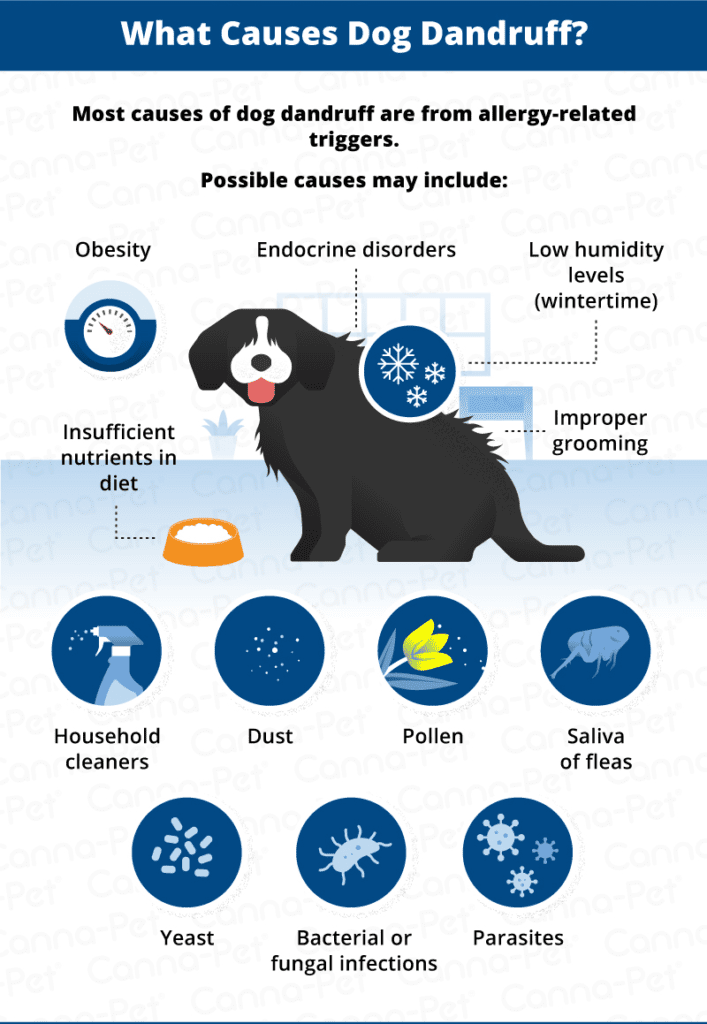
Image Source: cdn-ilbfemn.nitrocdn.com
What Causes Dandruff in Dogs?
Dandruff happens when skin cells turn over too fast. This causes old cells to shed quickly. These dead cells look like white flakes. Many things can cause this shedding. It is key to find the root cause to treat it well.
Simple Causes of Dog Dry Skin
Sometimes, the cause is very simple. It might just be a dry environment. Low humidity, like in winter, sucks moisture from the skin.
- Dry Air: Heating systems dry out the indoor air. This affects your dog’s skin.
- Infrequent Bathing: Not bathing enough can let dead skin build up.
- Over-Bathing: Too many baths wash away natural skin oils. These oils keep the skin moist.
Health Issues Linked to Canine Dandruff Causes
More serious problems can also show up as dandruff. Knowing these canine dandruff causes helps you seek the right care.
Parasites
Tiny pests living on your dog’s skin cause major irritation. This irritation leads to scaling.
- Fleas and Mites: These bugs bite and cause scratching. Scratching damages the skin. It leads to flaking. Cheyletiella mites are often called “walking dandruff.” You might actually see the mites move.
Allergies and Dandruff
Allergies are a very common trigger for skin issues. Dog allergies and dandruff often go hand-in-hand.
- Environmental Allergies (Atopy): Dogs can be allergic to pollen, dust, or mold. This causes itchiness all over.
- Food Allergies: Reactions to certain proteins in food cause skin inflammation. This results in scaling and itching.
Infections
When the skin barrier is weak, germs can move in.
- Yeast Infections: Yeast overgrows in warm, moist areas. It causes greasy, smelly skin along with flakes.
- Bacterial Infections: Bacteria can cause red, irritated spots that flake.
Underlying Medical Conditions
Sometimes, dandruff points to a problem inside the body.
- Hormonal Issues: Low thyroid hormones (hypothyroidism) change skin health. Cushing’s disease also affects skin quality.
- Obesity: Overweight dogs have skin folds that trap moisture and heat. This makes infections and flaking more likely.
Seborrhea in Dogs: A Chronic Flaking Issue
Seborrhea in dogs is a specific skin condition. It is a disorder where the skin makes too much oil (sebum) or too little.
- Primary Seborrhea: This type is often inherited. It causes greasy skin and bad odor, along with lots of scaling.
- Secondary Seborrhea: This type starts because of another issue, like allergies or infections. Treating the main problem often clears up the secondary seborrhea.
Dog Nutritional Deficiencies and Skin Health
What your dog eats matters greatly for skin health. Dog nutritional deficiencies and skin problems are closely linked.
- Lack of Essential Fatty Acids (EFAs): Omega-3 and Omega-6 fatty acids keep skin supple. A lack causes dry, flaky skin and a dull coat.
- Vitamin Deficiencies: Too little Vitamin A or Zinc can cause poor skin turnover and scaling. Ensure your dog’s food is complete and balanced.
Fixing Dog Dandruff: Treatment Methods
Treating dandruff depends heavily on what causes it. Start with simple changes at home. If those do not work, see your veterinarian.
Home Remedies for Dog Dandruff Relief
For mild, occasional flaking, home remedies for dog dandruff can help. These focus on moisturizing the skin.
Hydrating Baths
Bathing correctly is essential for treating dog dry skin.
- Use Lukewarm Water: Hot water strips natural oils. Use water that feels just warm to your hand.
- Increase Bath Frequency (Slightly): If the air is dry, a bath every 1-2 weeks might help remove flakes. Do not overdo it.
- Oatmeal Shampoos: Colloidal oatmeal is a natural anti-itch and moisturizing agent. Look for shampoos with this ingredient.
Adding Moisture to the Environment
If dry air is the issue, add moisture back into your home.
- Use a Humidifier: Place a cool-mist humidifier near where your dog sleeps. This adds moisture to the air. Keep the humidifier clean to prevent mold growth.
Diet Adjustments
Improving diet can make a big difference in skin health.
- Omega Fatty Acid Supplements: Add fish oil supplements (containing EPA and DHA) to your dog’s food. These directly support skin barrier function. Always check the right dosage with your vet first.
- High-Quality Food: Feed a complete food appropriate for your dog’s life stage. Avoid cheap fillers that offer little nutrition.
Choosing the Right Products
The products you use matter a lot. You need something gentle yet effective.
Best Dog Shampoo for Dry Skin
When choosing a product, look for specific ingredients. The best dog shampoo for dry skin will soothe and moisturize.
| Shampoo Type | Key Ingredients | Best For | Notes |
|---|---|---|---|
| Moisturizing | Aloe Vera, Vitamin E, Glycerin | Mild dryness, environmental flakes | Use as a weekly treatment. |
| Medicated | Benzoyl Peroxide, Salicylic Acid | Seborrhea, excessive oiliness | Use as directed by a vet. Can be drying if overused. |
| Oatmeal/Soothing | Colloidal Oatmeal, Chamomile | Itchiness accompanying flaking | Good for sensitive skin. |
Leave-In Conditioners and Sprays
After a bath, use a spray to lock in moisture.
- Rinsing Technique: Ensure you rinse all shampoo out. Leftover soap residue irritates the skin and causes dryness.
- Topical Sprays: Some sprays contain ceramides or fatty acids that provide lasting moisture between baths.
When to See the Vet: Deciphering Serious Signs
While home care works for simple dryness, you must know when professional help is needed. A vet visit for dog dandruff is essential if you see red flags.
Signs That Warrant Immediate Veterinary Attention
Dandruff combined with these symptoms signals a health problem needing diagnosis.
- Intense Itching and Scratching: Excessive scratching can lead to secondary infections.
- Hair Loss (Alopecia): Flaking accompanied by bald spots needs investigation.
- Red, Inflamed Skin: Look for redness, bumps, or scabs. This suggests infection or severe allergies.
- Odor: A persistent bad smell often points to yeast or bacterial overgrowth.
- Lethargy or Changes in Appetite: These signal systemic illness that might affect the skin.
Diagnostic Tools Vets Use
Your vet will perform several tests to find the source of the flakes.
- Skin Scraping: The vet scrapes a small amount of skin surface. They look under a microscope for mites (like Cheyletiella).
- Cytology: This involves pressing tape or a slide onto the skin to collect yeast or bacteria. They stain and examine these cells.
- Fungal Culture: They test for ringworm (a fungal infection) if hair loss patterns suggest it.
- Blood Work: If a hormonal issue like hypothyroidism is suspected, blood tests are necessary.
Treating Specific Diagnoses
Once the vet knows the cause, treatment becomes targeted.
- For Seborrhea: Medicated shampoos containing sulfur, salicylic acid, or coal tar may be prescribed. These help normalize cell turnover. If it is primary seborrhea, long-term management with special shampoos and supplements is the goal.
- For Infections: Oral antibiotics or antifungals, along with medicated washes, will clear up yeast or bacteria.
- For Allergies: Treatment might involve prescription hypoallergenic food trials or medications to control the allergic reaction.
Fathoming the Role of Environment and Grooming
Your dog’s daily routine plays a huge role in skin health. Good grooming habits prevent many cases of dog skin flaking.
Proper Grooming Techniques
Grooming is more than just making your dog look nice; it supports skin function.
- Brushing Frequency: Brush your dog daily, especially if they have long or thick coats. Brushing distributes natural oils over the entire coat. It also exfoliates the skin gently, removing dead cells naturally.
- Tools Matter: Use the right brush. A slicker brush is good for surface debris. A rubber curry brush is excellent for massaging the skin and stimulating oil production.
Environmental Factors to Control
Besides indoor humidity, other external factors can cause problems.
- Outdoor Exposures: If your dog swims in chlorinated pools or saltwater often, rinse them thoroughly with fresh water right away. Residual chemicals dry out the skin severely.
- Bedding: Keep bedding clean. Dirty bedding harbors allergens, dust, and can trap moisture, encouraging yeast growth. Wash beds weekly in hot water.
Managing Dog Allergies and Dandruff Effectively
When allergies are the main culprit, managing them is treating the dandruff.
- Year-Round Management: Allergies are often year-round problems. This requires consistent preventative care, not just treating flare-ups.
- Flea Control: Use high-quality, vet-recommended flea preventatives year-round. Even a few flea bites can trigger massive itching in sensitive dogs, leading to secondary scaling.
Interpreting Nutritional Needs for Skin Health
As mentioned, dog nutritional deficiencies and skin issues go together. Ensuring a balanced diet is preventative medicine.
Key Nutrients for Skin Integrity
A healthy skin barrier relies on specific building blocks supplied through diet.
- Protein Quality: Skin and hair are mostly protein. Poor-quality, low-protein diets lead to brittle hair and poor skin repair.
- Fatty Acids (Omega-3s): These are potent anti-inflammatories. They help calm down the skin’s reaction to irritants, reducing the need to scratch. Sources include fish oil, flaxseed, and algae oil.
- Vitamins E and A: Vitamin E acts as an antioxidant, protecting skin cells. Vitamin A is crucial for normal skin cell development and turnover.
Reading Dog Food Labels
When buying food, evaluate the ingredients list for skin health support.
- Look for named meat sources (e.g., “Chicken,” “Salmon”) listed high up.
- Check if the food lists added Omega-3 sources or if you plan to supplement separately.
- Avoid foods high in artificial colors, flavors, or questionable preservatives, as these can sometimes trigger sensitivities.
If you suspect a dietary issue is causing your dog’s dandruff, consult your vet about an elimination diet trial. This is the only reliable way to confirm food allergies.
Maintaining a Healthy Coat: Long-Term Care
Once you solve the dandruff problem, keep it from coming back. Long-term care focuses on consistency.
Ongoing Grooming Schedule
Establish a routine that works for your dog’s breed and coat type.
- Regular Brushing: Keep up the daily or every-other-day brushing.
- Shampoo Rotation: If your dog has recurring dry skin, rotate between a gentle moisturizing shampoo and a standard cleanser. Avoid using harsh medicated shampoos constantly unless prescribed.
Monitoring for Relapse
Watch for the first signs of return flaking, like a slightly drier feeling coat or the first few visible flakes. Catching the issue early means you can use simple home remedies for dog dandruff before it becomes severe.
If you see persistent dog coat dullness even after successful treatment, it might be time for another check-up. Sometimes, underlying issues like arthritis (making it hard for the dog to groom themselves) can cause localized flaking that needs different management.
Frequently Asked Questions (FAQ) About Dog Dandruff
Can I use human dandruff shampoo on my dog?
No, you should generally not use human dandruff shampoo on your dog. Human shampoos have a different pH level than dog skin. Using them can severely dry out or irritate your dog’s skin, making the flaking worse. Always use products specifically formulated for canines.
Is dog dandruff contagious?
No, typical dry skin dandruff is not contagious. However, if the dandruff is caused by mites (like Cheyletiella) or ringworm (a fungus), those are contagious to other pets and sometimes people. If you suspect an infection or parasite, isolate your dog and see your vet immediately.
My puppy has white flakes. Is this normal?
Some flaking can be normal as a puppy’s skin adjusts to the environment outside the womb. However, excessive flaking, especially if the puppy is scratching or the skin looks red, needs a vet check. Puppies can quickly develop deficiencies or allergies.
How long does it take for Omega-3 supplements to work on dandruff?
It typically takes 4 to 8 weeks of consistent daily supplementation to see noticeable improvement in skin and coat health from Omega-3s. Skin cells take time to regenerate with the new nutrients in their system.
Why is my dog’s dandruff greasy instead of dry and white?
Greasy flakes are a major sign of seborrhea in dogs or a yeast infection. Dry dandruff is usually white and dusty. Greasy flakes are usually yellowish or oily and stick to the coat. This requires specific medicated shampoos prescribed by your veterinarian.