
If your dog is panting heavily and suddenly, it is a major sign that something is wrong. Sudden heavy panting in a dog is often a medical emergency and should be addressed right away. Your dog might be too hot, scared, in pain, or have a serious health issue.
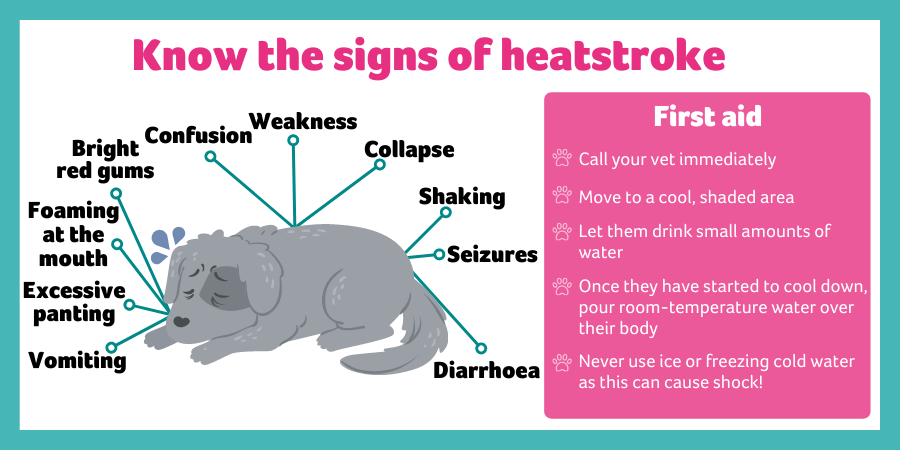
Image Source: www.pdsa.org.uk
Why Sudden Heavy Panting Happens
Panting is how dogs cool down. They do not sweat like people do. They breathe fast to move air over their wet tongues. This lets water evaporate and cools their bodies. When panting starts suddenly and heavily, it means your dog’s body is under stress.
Overheating and Heatstroke
This is one of the most common and dangerous causes of sudden heavy panting in dogs. If your dog has been in a hot place, like a car or playing hard in the sun, they can quickly overheat.
Heatstroke happens when the dog’s body temperature gets too high (over 104°F or 40°C). This is very serious. If the temperature keeps rising, it can damage the brain and organs.
Signs of severe overheating include:
* Very heavy, continuous panting.
* Bright red or pale gums.
* Thick, sticky drool.
* Weakness or collapse.
Pain and Injury
Dogs often hide pain well. Panting is a primary way a dog shows they are hurting. If your dog suddenly starts panting hard for no clear reason (like exercise or heat), pain is a top concern.
Dog excessive panting causes often include internal injuries or severe aches. Think about recent events:
* Did your dog fall or jump awkwardly?
* Are they licking one spot often?
* Are they refusing food or walks?
If you suspect pain, check gently for sensitive spots. However, if the panting is severe, do not poke around too much; get vet help first.
Emotional Stress and Fear
Dogs get scared or anxious easily. Loud noises, storms, fireworks, or even car rides can trigger intense anxiety. This causes a spike in adrenaline, leading to rapid breathing and panting.
When assessing why is my dog panting and restless, consider recent events. Is a storm brewing? Is a stranger nearby? This type of panting is often paired with other stress signs:
* Pacing or inability to settle.
* Whining or trembling.
* Hiding or seeking closeness.
Breathing Problems (Respiratory Issues)
If a dog cannot get enough oxygen, they will pant to try and bring more air in. This is a major red flag. Issues like laryngeal paralysis (where the voice box does not open properly) or fluid in the lungs (pulmonary edema) cause severe breathing distress.
If your dog has rapid shallow breathing in dog causes, this points toward a lung or heart problem. They might sound congested or make strange, raspy noises while panting.
Heart Disease
Heart problems often lead to panting because the heart cannot pump blood efficiently. When the heart struggles, fluid can back up into the lungs. This makes it hard for the dog to breathe normally, resulting in panting, especially after mild activity or even at rest. This is a common reason for sudden heavy panting in dog that seems unrelated to heat.
Metabolic Issues and Illness
Many internal diseases can cause panting. The body’s chemistry gets thrown off, which signals the brain to increase breathing rate.
Common medical dog excessive panting causes include:
* Fever from infection.
* Cushing’s disease (too much cortisol hormone).
* Diabetes (especially diabetic ketoacidosis).
* Anemia (low red blood cells).
Medication Side Effects
Certain drugs can increase a dog’s body temperature or respiratory rate as a side effect. This is important if you recently started a new prescription. Steroids, for example, are well known to cause increased thirst and panting.
When to Worry: Recognizing Emergency Signs
Knowing when to worry about dog panting separates a mild concern from a life-threatening crisis. If you see any of these signs along with heavy panting, call your emergency vet immediately.
| Emergency Sign | What It Means | Action Required |
|---|---|---|
| Gums turning blue, white, or very pale | Lack of oxygen or shock. | Call 911/ER immediately. |
| Collapse or inability to stand | Severe heatstroke, shock, or heart failure. | Emergency vet transport now. |
| Thick, ropey drool or foaming at mouth | Severe dehydration or overheating. | Start cooling slowly while moving to the vet. |
| Panting that does not stop after 15 minutes of cooling | Overheating is too severe or it’s a cardiac/respiratory issue. | Go to the vet immediately. |
| Panting combined with vomiting or diarrhea | Gastrointestinal distress or poisoning. | Vet evaluation needed urgently. |
If your dog is panting and lethargic, this combination suggests that their body is working very hard just to keep up, or they are in pain or shock. Lethargy means they are severely weak.
Investigating Specific Scenarios
Sometimes the panting seems out of context. Here we look at common situations where owners ask, “Why is this happening now?”
Dog Panting After Walk But Not Tired
It seems odd for a dog to pant heavily after a short walk if they usually handle it fine. If your dog is dog panting after walk but not tired (or seems tired), it often signals an underlying issue that limits their ability to recover quickly.
Possibilities include:
1. Undetected Heart Murmur: Mild exercise suddenly overloads a borderline heart condition.
2. Early Stage Heat Stress: They might be fine on the way out, but the heat builds up and recovery is slow.
3. Mild Airway Restriction: A tight collar or slight irritation might only cause noticeable panting once the body tries to regulate post-exercise.
Dog Panting at Night Anxiety
Dog panting at night anxiety is very common, especially in older dogs or those with separation distress. Nighttime quiet can amplify small stressors.
Reasons for night panting anxiety:
* Environmental Changes: A new sound outside or a shift in sleeping arrangements.
* Cognitive Dysfunction Syndrome (CDS): Older dogs can become confused or restless at night, leading to panting.
* Separation: If they are suddenly alone, the anxiety can cause heavy breathing.
If this happens regularly, talk to your vet about anxiety management.
Panting and Restlessness
When a dog is why is my dog panting and restless, it usually points toward pain, severe anxiety, or an emergent medical crisis like poisoning or heart failure. Restlessness means they cannot find a comfortable position because they feel so distressed internally. They pace, sigh, and pant, trying to relieve the pressure.
Deeper Dive: Comprehending Respiratory Distress
When panting sounds labored or includes rapid shallow breathing in dog causes, we must look closely at the lungs and throat.
Laryngeal Paralysis (Lary Paralysis)
This condition, more common in large, older dogs (like Labs or Boxers), involves the nerves controlling the larynx failing. The voice box does not open wide enough when breathing in.
Symptoms look like:
* Loud, raspy breathing (stridor).
* Choking or gagging sounds.
* Panting that gets worse with excitement or heat.
Pulmonary Edema (Fluid in Lungs)
Often linked to underlying heart disease, fluid fills the air sacs in the lungs. The dog pants because they cannot get enough oxygen across the fluid barrier. This usually looks like heavy, labored breathing, often worse when lying down. They might cough up pink, frothy fluid—this is a dire emergency.
Brachycephalic Syndrome
Breeds with flat faces (Pugs, Bulldogs, Boxers) have crowded airways. They are always at risk for overheating and breathing difficulty. Any excitement or mild exertion can cause rapid escalation of their panting to a critical level.
Diagnosing the Sudden Onset
If your dog starts panting suddenly, a veterinarian will need to perform a quick assessment. They focus on ruling out the immediate life threats first.
Initial Vet Examination Focuses On:
- Temperature Check: Is the dog hyperthermic (overheated)?
- Gum Color (Mucous Membranes): Are they pink (good oxygenation), pale (anemia/shock), or blue/purple (severe oxygen deprivation)?
- Heart Rate and Rhythm: Listening for murmurs or abnormal beats.
- Lung Sounds: Using a stethoscope to check for crackles (fluid) or wheezes (obstruction).
Common Diagnostic Tests
Depending on the initial findings, the vet might recommend:
- Blood Work (CBC and Chemistry): Checks for infection, organ function (kidney, liver), electrolyte balance, and blood sugar (diabetes).
- Chest X-rays (Radiographs): Essential for looking at the size of the heart and checking for fluid or masses in the lungs.
- Heart Ultrasound (Echocardiogram): If heart disease is suspected as the root cause of dog excessive panting causes.
Immediate First Aid for Unexplained Panting
If you are away from the vet or waiting for an appointment, and you suspect heat or mild anxiety, take these steps. Never delay a vet visit if you see emergency signs.
If You Suspect Heatstroke
- Move to Cool Area: Get the dog into an air-conditioned room or deep shade immediately.
- Apply Cool Water: Use cool (not ice-cold) water on the dog’s belly, groin, and paw pads. Use a fan to blow air over the wet fur to speed up cooling through evaporation.
- Offer Small Amounts of Water: Do not let them gulp large amounts, as this can cause vomiting. Offer sips of cool water.
- Monitor Temperature: If you have a rectal thermometer, aim to get the temperature below 103°F (39.4°C). Once they hit 103°F, stop active cooling and head to the vet. Overcooling can be dangerous too.
If You Suspect Anxiety/Pain
- Create a Calm Space: Move the dog to a quiet, dim room away from triggers (noise, people).
- Check Comfort: Offer a favorite bed or blanket.
- Gentle Reassurance: Speak softly. Do not crowd or force petting if they seem sensitive. If they are restless, let them pace until they settle.
If the panting is clearly associated with dog panting and lethargic symptoms, skip home care and proceed directly to professional medical intervention.
Factors That Make Panting Worse
Certain conditions or medications increase a dog’s risk of excessive panting. Knowing these risks helps in prevention.
Obesity
Overweight dogs have less efficient cooling systems. Fat acts as insulation, trapping heat close to the body. They tire faster and pant harder to compensate.
Breed Predispositions
As noted, brachycephalic breeds are high-risk. Additionally, certain large breeds are prone to bloat (Gastric Dilatation-Volvulus or GDV), where sudden, heavy, unproductive retching and panting are major signs.
Age
Puppies and seniors are more susceptible to temperature changes. Seniors often have underlying heart or lung disease that makes heavy panting appear suddenly, even when they are not hot.
Coat Type
Thick, dense double coats (Huskies, Malamutes) require more diligent cooling management in warm weather. Never shave a double-coated dog completely, as their coat also protects against sunburn.
Fathoming Panting at Night (No Obvious Cause)
If your otherwise healthy dog starts pacing and panting heavily around 2 AM, it can be confusing. This often links back to subtle discomfort or internal shifts.
Nocturnal Pain Flares
Arthritis pain can sometimes become more noticeable at night when the dog is trying to settle down. The constant movement to find comfort leads to panting.
Medication Timing
If the dog receives medication with a certain half-life, a dip in effectiveness overnight could cause symptoms like increased pain or subtle nausea to surface, triggering panting.
Hidden Gastrointestinal Upset
Subtle nausea or mild abdominal discomfort can manifest as restlessness and panting when the dog is otherwise quiet. This is why persistent dog panting and lethargic behavior needs immediate lab work to check the gut and metabolic panels.
Deciphering Rapid Shallow Breathing in Dog Causes
When the panting is fast but shallow, it suggests that the problem is likely high up in the airway or related to a very quick, panicked breath cycle, rather than deep heat exhaustion.
Shallow breathing points toward:
* Laryngeal or Tracheal Issues: Obstruction or swelling in the throat.
* Severe Anxiety/Panic Attack: Breathing too fast to fully inflate the lungs.
* Early Shock: The body is trying to compensate for low blood pressure by taking many small, quick breaths.
This is critically different from the deep, noisy panting seen in heatstroke. If you notice rapid shallow breathing in dog causes, focus on calming the dog and assessing their gum color while contacting the vet.
Preventing Future Episodes of Sudden Panting
Prevention is key, especially if you have identified a specific trigger or a chronic condition that predisposes your dog to panting.
Heat Management
- Never leave a dog in a car, even for a minute.
- Exercise during cooler parts of the day (early morning, late evening).
- Ensure constant access to fresh, cool water.
- Use cooling mats or vests during peak summer months.
Health Monitoring
- Regular Vet Checks: Crucial for catching silent diseases like heart murmurs or kidney issues before they cause acute panting episodes.
- Weight Control: Keep your dog at a lean, healthy weight to improve their stamina and cooling ability.
- Dental Health: Severe dental pain can cause systemic stress that manifests as panting.
Anxiety Mitigation
- Use calming aids (pheromones, compression vests) if environmental triggers are known.
- Maintain a consistent daily routine.
- For severe dog panting at night anxiety, consult a veterinary behaviorist for long-term solutions.
Frequently Asked Questions (FAQ)
Is it normal for a dog to pant after a short walk if it is cool outside?
No, it is usually not normal if the panting is heavy and lasts a long time. A cool, short walk should result in mild recovery breathing. Heavy panting in cool weather strongly suggests the dog is either masking pain, has a heart or lung condition, or is experiencing a sudden panic attack. This warrants a vet check to investigate causes of sudden heavy panting in dogs.
How long should I wait to see if heavy panting stops on its own?
If the panting is heavy, frantic, or labored, do not wait more than 5–10 minutes while taking immediate cooling measures (if heat is suspected). If the panting does not slow down significantly within that time, or if your dog becomes weak, collapses, or gums look discolored, treat it as an emergency and seek immediate veterinary care. Delaying care when a dog is panting and lethargic can be fatal.
Can stress alone cause dangerous heavy panting?
Yes, severe stress or panic can cause a dog to breathe so rapidly that it mimics respiratory distress. This can lead to hyperventilation. While usually not as instantly fatal as heatstroke, prolonged panic can cause secondary issues. If you see dog panting at night anxiety patterns, address the anxiety to prevent chronic stress.
What is the difference between normal panting and distress panting?
Normal panting is rhythmic, usually quiet, and subsides shortly after the cooling trigger (heat, exercise) is removed. Distress panting is often very loud, frantic, may involve open-mouth gasping, and does not slow down even when the dog is resting in a cool place. It is often paired with other signs like trembling or distress signals, such as when experiencing rapid shallow breathing in dog causes.