
If you see bloody urine in dogs, it means there is blood somewhere in their urinary system. This can range from a few pink streaks to full, deep red urine. Seeing red urine dog vet is a must, as this is never normal. It is a clear sign that something needs fixing right away.
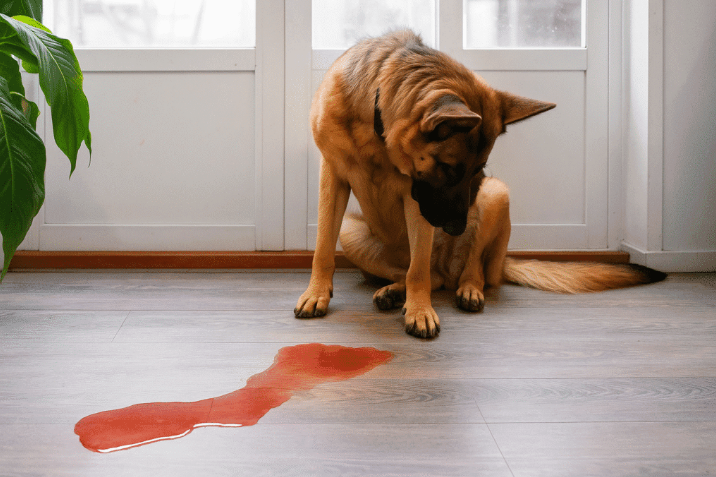
Image Source: wopet.com
Fathoming the Color: What Makes Dog Urine Red?
Normal dog urine should be pale yellow to amber. When it turns pink, red, or brown, it signals the presence of red blood cells (hematuria) or hemoglobin/myoglobin in the urine. Distinguishing between true blood and other pigments is crucial, but only a vet can confirm this with tests.
Distinguishing True Hematuria from Staining
Sometimes, the urine isn’t actually bloody. It might just look red due to outside factors.
- Dietary Influence: Certain foods containing natural dyes, like beets or carrots, can temporarily change urine color. This is harmless.
- Contamination: If a female dog is having her heat cycle (estrus), blood from the vagina can mix with urine during urination, making it appear bloody. Similarly, if a male dog has trauma near his rear end, surface blood might mix in.
However, if the color change is consistent or deep red, suspect actual dog hematuria causes.
Major Reasons for Dog Hematuria Causes
There are many places in the urinary tract where bleeding can start. These range from the kidneys all the way down to the urethra. Knowing the main dog kidney problems urine color associations helps guide the search for the source of the dog urinary tract bleeding.
Urinary Tract Infections (UTIs) and Bladder Issues
This is one of the most common reasons dogs show signs of bladder infection in dogs. Bacteria irritate the bladder lining, causing inflammation and bleeding.
Signs of Bladder Infection in Dogs
If a UTI or cystitis (bladder inflammation) is the cause, you might see other clues along with the red pee:
- Straining to urinate (dysuria).
- Urinating small amounts frequently.
- Accidents in the house when they usually don’t have them.
- Licking their genital area often.
- Pain or crying during urination.
If your dog shows these signs, they need prompt care to prevent the infection from moving up to the kidneys.
Bladder Stones (Uroliths)
Stones form when minerals crystallize in the urine. These stones scratch the bladder walls as the dog tries to empty its bladder, leading to significant bleeding.
- Struvite stones and calcium oxalate stones are the most common types.
- Large stones can cause blockages, which is a medical emergency, especially in male dogs.
Cancer in the Urinary Tract
Sadly, cancer is a serious cause, especially in older dogs. Tumors in the bladder, prostate (in males), or kidneys can bleed easily.
- Bladder cancer is more common in certain breeds, like Scottish Terriers.
- This bleeding is often painless at first, which is why owners might not notice until the urine is very red.
Kidney Disease and Injury
If the problem starts higher up, in the kidneys, it falls under dog kidney problems urine color issues. Kidney inflammation (glomerulonephritis) can cause blood cells to leak into the urine before it even reaches the bladder.
- Kidney issues often come with other signs like increased thirst and urination, or weight loss.
Trauma and Foreign Bodies
A sudden injury to the abdomen or back can cause internal bleeding that shows up in the urine. Less commonly, a foreign object, like a small piece of grass awn, can enter the urethra or bladder and cause irritation and bleeding.
Prostate Issues (Male Dogs)
The prostate gland sits right below the bladder in male dogs. Swelling (prostatitis), infection, or enlargement (Benign Prostatic Hyperplasia or BPH) can cause blood in the urine. This is a very frequent dog hematuria causes factor in intact (unneutered) older males.
Blood Clotting Disorders
If the blood cannot clot properly, bleeding can occur anywhere, including the urinary tract. This can result from:
- Poisoning: Ingesting rat poison (which blocks Vitamin K) is a major concern.
- Immune-mediated diseases: Conditions where the body attacks its own platelets.
- Inherited disorders: Less common, but possible.
Reproductive Causes (Female Dogs)
Besides normal heat cycles, other issues like uterine infections (pyometra) or vaginal tumors can cause blood to appear when the dog urinates.
Interpreting the Shade: What Different Red Hues Mean
The exact color of the pee gives clues about where the bleeding is happening. This insight helps guide the trip to the red urine dog vet.
| Urine Color | Possible Source of Bleeding | Urgency Level |
|---|---|---|
| Pink/Slightly Red Streaks | Lower urinary tract (urethra, near exit) or contamination. | Moderate (Still needs checking soon). |
| Bright Red, Clear Blood Floating | Bladder or lower ureter. Bleeding is active and lower down. | High (Call the vet immediately). |
| Dark Red, Brown, or Tea-Colored | Upper urinary tract (kidneys) or severe systemic issue (like red blood cell destruction). | Very High (Emergency). |
If you see causes of pink urine in dogs, it often means the blood is minor or just starting. If the urine is dark brown, it suggests the blood has been sitting and breaking down, or that large amounts of blood are present, possibly due to kidney involvement.
When to Worry About Dog Bloody Pee
Knowing when to worry about dog bloody pee dictates the speed of your reaction. Not all blood in urine is an immediate crisis, but it always needs attention.
Immediate Emergency (Go to the ER Now)
Call your vet or head to the emergency clinic if you see:
- Complete inability to pass urine (straining with nothing coming out). This suggests a total blockage, often caused by stones or severe swelling, and is life-threatening, especially in male dogs.
- Lethargy, weakness, or pale gums accompanying the bloody urine. This points to significant blood loss or severe illness (like advanced kidney failure).
- Vomiting, collapse, or severe pain combined with the red urine.
- Dark, muddy, or black urine (suggesting very old blood or systemic failure).
Urgent Care (Call the Vet Today)
Schedule a same-day appointment if:
- The blood has been present for more than 24 hours.
- Your dog is uncomfortable or frequently trying to pee small amounts.
- You suspect the dog may have eaten something toxic or encountered a snake.
Monitoring Phase (Call the Vet Tomorrow)
If the blood looks like a single, very light pink streak after a rough play session or a walk where they seemed to squat oddly, you can monitor closely for 12-24 hours, but still call your vet for advice the next day. If it worsens, move to the Urgent Care category.
The Vet Visit: What to Expect and Diagnosis
If you notice red urine dog vet is the necessary next step. Be prepared to give your veterinarian crucial details.
Preparing for Your Appointment
Your vet will need the answers to these questions:
- When did you first notice the blood?
- Is the blood constant, or only at the start or end of urination?
- What is your dog’s energy level and appetite?
- Is your dog on any new medications or supplements?
- Has your dog had any known trauma recently?
Diagnostic Tests for Dog Hematuria Causes
The vet will likely start with non-invasive tests before moving to imaging.
Urinalysis
This is the most important first step. The vet checks the urine sample for:
- Red Blood Cells (RBCs): How many are present?
- White Blood Cells (WBCs): High numbers suggest infection or inflammation.
- Crystals or Bacteria: Clues for stones or infection.
- Protein Levels: High protein can point toward kidney disease.
Urine Culture
If infection is suspected (high WBCs), a culture determines which bacteria are present and which treatment for red urine in dogs (antibiotics) will work best.
Imaging (X-rays and Ultrasound)
X-rays can often spot bladder or kidney stones. An ultrasound provides a detailed look at the organ structures, checking for tumors, sludge, or changes in kidney size.
Bloodwork
A full blood panel assesses general health, checking kidney function (BUN, Creatinine), liver health, and looking for signs of clotting problems (platelet count).
Treatment for Red Urine in Dogs Based on Cause
The treatment for red urine in dogs depends entirely on the underlying diagnosis. Fixing the symptom (bleeding) without addressing the cause won’t solve the problem.
Treating Infections
If a UTI is confirmed by culture, the primary treatment involves a course of antibiotics tailored to the bacteria. Mild cases may also benefit from pain relief medication.
Managing Bladder Stones
Treatment ranges based on stone size and location:
- Dietary Change: For some small stones (like certain Struvite types), specialized prescription diets can dissolve them over months.
- Surgery (Cystotomy): For large, numerous, or calcium oxalate stones, surgical removal is often required.
- Medical Expulsion: Rarely, very small stones might be passed with vigorous fluid therapy, but this is risky.
Addressing Neoplasia (Cancer)
Treatment for urinary tract tumors is complex and often managed by a veterinary oncologist. Options include surgery, chemotherapy, or specialized radiation therapy. Early detection is key for a better prognosis.
Kidney Issues
If dog kidney problems urine color stem from kidney disease, treatment focuses on slowing progression. This usually involves specialized renal diets, blood pressure management, and medications to reduce protein loss and support kidney function.
Clotting Disorders
If a clotting issue is the cause, the treatment for red urine in dogs involves addressing the root problem, such as administering Vitamin K for poison exposure or using immunosuppressive drugs for immune-mediated issues.
Home Care and Managing Red Urine at Home
While you should never try to self-diagnose serious conditions, supportive care at home is vital while waiting for your vet appointment. Dog peeing blood at home remedies focus on hydration and comfort, not curing the underlying illness.
Prioritize Hydration
Increasing water intake helps flush the system, which is beneficial whether the cause is infection, mild irritation, or a stone trying to pass.
- Switch to wet food temporarily if your dog eats dry kibble.
- Add low-sodium chicken or beef broth to their water bowl (check with your vet first, especially if kidney issues are suspected).
- Ensure fresh, clean water is always available.
Comfort Measures
If your dog seems uncomfortable when urinating:
- Provide easy, frequent access outside so they don’t hold it in.
- Keep their bedding clean and dry.
- Avoid strenuous exercise until the vet gives the okay.
Avoiding Risky Home Remedies
It is crucial to know that dog peeing blood at home remedies can be dangerous. Do not give your dog human medications like aspirin or ibuprofen, as these can cause severe stomach bleeding or worsen kidney issues, masking the true problem. Only use supplements or dietary changes recommended by your veterinarian.
Breeds Predisposed to Urinary Bleeding
Some breeds have a higher risk for certain conditions that lead to bloody urine in dogs. Knowing this risk can prompt earlier check-ups.
- Scottish Terriers: Higher risk of bladder cancer.
- Dalmatians: More prone to forming certain types of bladder stones (urate stones).
- Dachshunds and Miniature Schnauzers: Increased risk of bladder infections and stone formation.
- Male Dogs in General: More susceptible to prostate issues and urethral obstructions due to their longer, narrower urethra.
Frequently Asked Questions (FAQ) About Red Urine in Dogs
Can stress cause my dog to pee blood?
Stress rarely causes true hematuria (blood in the urine). Stress often causes dogs to urinate inappropriately or more frequently. However, severe stress can lower the immune system, making a dog more susceptible to an infection that does cause bleeding. It is usually a secondary factor, not the direct cause of the dog urinary tract bleeding.
My female dog is in heat and her pee is pink. Should I still see the vet?
If the bleeding looks exactly like her normal heat discharge mixed with urine, it is likely contamination. Keep a close eye on it. If the urine is distinctly red or dark after her heat ends, schedule a check-up to rule out concurrent issues like a bladder infection or stones.
If the bleeding stops, do I still need to go to the vet?
Yes. Even if the blood clears up, the cause is still present. Infections can flare up, stones are still there, or a growth hasn’t disappeared. If you see bloody urine in dogs, even briefly, investigation is necessary to ensure complete resolution and prevent recurrence.
Can diet clear up causes of pink urine in dogs?
A specialized, therapeutic diet prescribed by your vet can help manage specific stone types (like Struvite stones) or support kidney function. However, diet alone cannot treat bacterial infections, tumors, or major trauma. Never switch diets without professional guidance when blood is present.
How long does it take to treat signs of bladder infection in dogs?
Most uncomplicated bladder infections start clearing up within 24–48 hours of starting the correct antibiotic. However, the full course of medication must be completed (usually 10–14 days) to ensure the bacteria are completely gone and prevent the infection from returning. Follow-up urinalysis is often recommended after treatment ends.