
Yes, it is normal for your dog to pant a little in the car, especially if the car is warm or they are excited. However, dog excessive panting in car situations need close watching. This article will look at why your dog pants in the car and what you can do to help them.
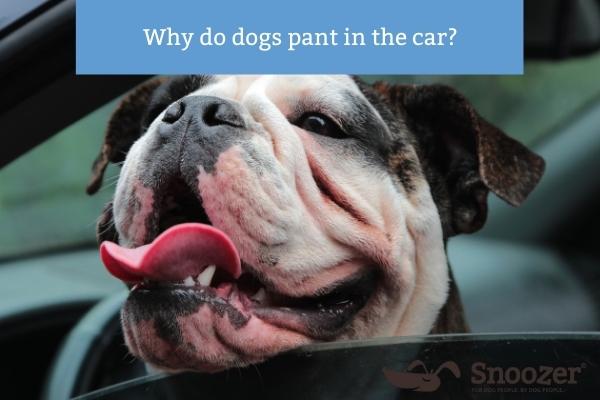
Image Source: snoozerpetproducts.com
Deciphering Dog Panting in the Vehicle
Panting is how dogs cool down. They do not sweat like we do. They push air over their moist tongues. This lets water evaporate. This cooling effect helps lower their body heat. When a dog pants heavily in the car, it signals they are too hot, stressed, or in pain. Knowing the causes of dog panting during car rides is the first step to fixing the issue.
Common Reasons for Dog Panting During Car Rides
There are several main reasons why your dog might pant while traveling. Some are normal, and some need immediate action.
Temperature and Airflow Issues
The most frequent cause relates to heat. Cars heat up very fast. Even on a mild day, the inside of a car can become dangerous quickly.
The Greenhouse Effect in Cars
Cars trap heat easily. This is called the greenhouse effect. Sunlight streams in through the windows. It heats up the seats and air inside. Dogs get hot much faster than people do. Their thick fur traps heat. This is why you must never leave a dog alone in a parked car.
Poor Ventilation
If the windows are not down enough, or the air conditioning is not working well, the air gets stale and hot. Stale, hot air does not help the dog cool down. Fresh, cool air helps the panting process work better. If your dog is panting, check the airflow first. This is key to cooling a dog during car travel.
Emotional Responses: Stress and Anxiety
Many dogs find car rides scary or upsetting. This stress makes them pant more. This is often called dog panting in moving car anxiety.
Car Sickness (Motion Sickness)
Just like people, dogs can get motion sickness. When the car turns or stops suddenly, their inner ear senses movement differently than their eyes do. This confusion causes nausea. Panting is a common sign of nausea in dogs. They might also drool a lot or lick their lips.
Travel Anxiety
Some dogs just do not like being confined. They might have had a bad experience in a car before. The noise of the road or the feeling of speed can be frightening. Fear triggers the “fight or flight” response. Heavy panting is a classic sign of high stress in dogs.
Excitement Overload
Not all panting is bad! Sometimes, a dog pants because they are super happy. If they know the car ride means going to the park or visiting a favorite person, they might pant from excitement. This is usually light panting paired with a wagging tail.
Physical Discomfort or Health Issues
Sometimes, heavy panting is a sign that something is physically wrong.
Pain or Illness
If a dog is hurt or feeling unwell, they often pant heavily. This could be due to hidden pain, like joint issues or an internal problem. If the panting starts suddenly without a clear heat or anxiety trigger, see a vet.
Underlying Conditions
Certain health problems make dogs pant more easily. These include heart disease, breathing problems (like brachycephalic syndrome in short-nosed breeds), or Cushing’s disease. These dogs struggle more to regulate their temperature.
Identifying When Panting Becomes a Problem
It is vital to know is it normal for my dog to pant in the car versus when it is an emergency. A little light panting is fine. Heavy, rapid, noisy panting is not.
Recognizing Heatstroke Signs in a Car Ride
Heatstroke is deadly. If your dog is too hot, the panting will become frantic.
| Sign of Mild Overheating | Sign of Severe Heatstroke (Emergency) |
|---|---|
| Heavy, rapid panting | Extremely fast, loud panting |
| Excessive drooling (thick saliva) | Bright red or very pale gums |
| Seeking shade or cooler spots | Vomiting or diarrhea |
| Restlessness | Collapse or inability to stand |
| Slightly elevated body temperature | Seizures or confusion |
If you see heat stroke signs dog car ride, you must act now. Pull over safely. Get the dog into the cool air immediately. Start cooling them down slowly. This is what to do if dog is panting heavily in car due to heat.
When Anxiety Panting is Too Much
If your dog pants hard every single time you get in the car, even when it is cool, it points toward anxiety. This persistent dog excessive panting in car affects their quality of life. It means we need to address the fear aspect.
Strategies for Calming the Anxious Traveler
If anxiety is the main issue, you need a plan to make car rides positive. This involves gradual exposure and comfort. This is about helping anxious dog in car panting.
Desensitization: Making the Car Less Scary
You cannot just throw an anxious dog into the car and expect them to be calm. You must break the experience down into tiny, easy steps.
Step 1: Just Sitting Near the Car
Start by rewarding your dog just for being near the car while it is parked. Give treats. Do not open the door yet. Keep it short and positive.
Step 2: Sitting Inside the Car (Engine Off)
Next, encourage your dog to hop into the car. Sit there for a few minutes. Give treats and praise. If they pant, stay calm. Do not make a big deal out of the panting. Just wait for a brief moment of quiet, then step out.
Step 3: Short Engine Runs
Turn the engine on for 30 seconds. Turn it off. Get out. Repeat this until they are relaxed when the engine is running.
Step 4: Very Short Drives
Move the car just a few feet. Drive around the block. End the trip positively with a fun activity. Always make sure the car is cool before starting these steps.
Creating a Safe and Comfortable Space
Use familiar items to create a den-like space for your dog in the car.
- Crates or Carriers: A well-secured crate can feel safer than an open seat for some dogs. Line it with a favorite blanket.
- Bedding: Place their favorite dog bed or blanket in their spot. Smells they know are comforting.
- Restraint: Use a secure harness or seatbelt tether. Feeling secure prevents them from worrying about falling over when the car moves.
Using Calming Aids
For some dogs, environmental changes are not enough. Talk to your vet about calming products.
- Pheromone Sprays: Products like Adaptil mimic calming dog pheromones. Spray these on the blankets or in the car 15 minutes before you leave.
- Calming Supplements: Certain natural supplements with L-theanine or milk protein can help lower overall anxiety levels.
- Prescription Medication: For severe travel phobia, your vet might prescribe short-acting anti-anxiety medication to use just for trips.
Keeping Cool: Essential Tips for Cooling a Dog During Car Travel
If the panting is due to heat, preventing the temperature spike is crucial.
Climate Control is King
- Air Conditioning: Always use A/C on hot days. Set it to a comfortable temperature for you—which is usually cool for the dog.
- Window Shades: Use sunshades on the back windows. This blocks direct sun, which prevents hot spots on your dog’s body.
- Ventilation Check: Ensure vents are pointed toward the dog, not just toward the windshield.
Hydration Management
Water is vital for cooling. Dehydration makes panting worse.
- Offer Water Frequently: Stop every hour or two, even on short trips, to offer water.
- Travel Bowls: Use a spill-proof or collapsible bowl for easy access.
- Ice Cubes: Bring a cooler packed with ice. You can give your dog a few ice cubes to lick while traveling. This helps cool them from the inside.
Direct Cooling Measures
If you notice your dog getting too warm, take immediate action.
- Cooling Vests or Mats: These specialized items use evaporative cooling or gel inserts. They can be worn or placed in the travel area.
- Wet Towels: Keep a damp, cool towel handy. Place it over the dog’s chest or groin area (where major blood vessels are close to the surface) for quick cooling. Never use ice water; use cool tap water.
When you see dog too hot in car panting, prioritize cooling before resuming the drive.
Addressing Motion Sickness and Nausea
If panting is coupled with excessive drooling or vomiting, motion sickness is likely the culprit.
Pre-Trip Preparation
Do not feed your dog a large meal right before the ride. A full stomach makes nausea worse. A light snack is fine.
Seat Placement Matters
The lower and more central the dog is, the less they feel the motion. A crate on the floor behind the front seats often works better than a high-up perch on the back seat. Some dogs feel less sick if they can see out the front window, while others prefer looking out the side. Experiment to see what works for your dog.
Medication for Sickness
If anxiety is low but sickness is high, ask your vet about anti-nausea drugs like Cerenia. These can make car rides tolerable for dogs prone to motion sickness.
Recognizing When Panting Indicates Medical Distress
When should you stop the car immediately, no questions asked? When is dog panting in car a problem that requires an emergency vet visit?
If panting is extremely loud, labored, and the dog seems distressed even after you have stopped the car and cooled them down, this suggests a serious issue.
Breathing Difficulties
If your dog is panting, but it sounds like wheezing, gasping, or snoring, they might not be getting enough air. Short-nosed breeds (Pugs, Bulldogs) are highly susceptible to this, even with a little stress. Their airways are already compromised.
Changes in Gum Color
Always check the gums. Pink is good. Pale, white, blue, or bright, brick-red gums mean trouble. Blue means lack of oxygen. Red means severe overheating or shock. If gums change color, this is an absolute emergency. You need to seek veterinary care fast.
If you suspect injury or internal illness is causing the panting, driving to the nearest emergency clinic should be your only focus.
Practical Tips for Routine Travel
Making travel routine reduces stress and panting for most dogs.
Crate Training Benefits
A properly trained dog sees their crate as a safe den, not a prison. This significantly lowers anxiety-related panting. Ensure the crate is well-ventilated and never too small.
Consistent Routine
Dogs thrive on predictability. Feed them at the same time every day. Walk them before car trips. A predictable schedule keeps their baseline stress low, making car rides less disruptive.
Managing the Environment
If you must travel during the hottest part of the day, adjust your plans. Leave very early in the morning or late in the evening when temperatures are lower. This directly reduces the chance of dog too hot in car panting.
Short Trips Only at First
When introducing travel, keep the trips short and sweet. If the trip is only five minutes long and ends with a treat party in the yard, the dog builds positive associations. Longer trips come only after many successful short trips.
Summary of Actions for Heavy Panting
If you notice heavy panting, follow this quick checklist. This covers what to do if dog is panting heavily in car immediately.
- Safety First: Pull over to a safe location. Turn off the engine if possible, or set the A/C to max cold.
- Airflow: Get the dog out of the direct sun and into the shade or cool cabin air. Open the doors wide.
- Water Check: Offer small amounts of cool water. Do not force them to drink.
- Assess Heat: Feel their body. If they are hot to the touch, apply cool (not icy) water to their paws, belly, and neck.
- Assess Anxiety: Look for other signs like lip-licking, pacing, or whining. If it seems fear-based, comfort them quietly without overly excited petting, which can sometimes increase arousal.
- Proceed Cautiously: Only continue the journey if the panting has completely stopped and the dog is relaxed. If it returns, end the trip.
By looking closely at the environment, your dog’s health, and their emotional state, you can figure out exactly why your dog is panting in the car. Addressing the root cause is the best way to ensure pleasant travels for everyone.
Frequently Asked Questions (FAQ)
How long should I wait before driving again if my dog was panting heavily?
If the heavy panting was due to heat, wait until your dog’s breathing returns completely to normal, they stop drooling heavily, and their gums look pink again. This could take 15 to 30 minutes of rest in a cool area. If they were panting from anxiety, wait until they are calm, not just quieted down from panic.
Can I give my dog Benadryl for car anxiety panting?
Benadryl (Diphenhydramine) can sometimes cause drowsiness, but it is not an anti-anxiety medication. It should only be given under direct guidance from your veterinarian, as dosage is critical based on your dog’s weight and health. Always discuss any medication changes with your vet first.
Why does my puppy pant so much more than my adult dog in the car?
Puppies often pant more because they have less efficient body temperature regulation systems when they are very young. Also, everything is new and potentially more stressful for them, leading to higher anxiety panting. As they mature and gain experience, this often improves.
Is it bad if my dog pants a little bit the whole ride?
A little, rhythmic panting that is not frantic is usually fine, especially if the dog is excited or the car is slightly warm. If the panting remains constant and heavy throughout a long drive, it suggests underlying low-level stress, mild overheating, or motion sickness that needs addressing. Constant heavy panting is never ideal.
What should I put on the car seat to keep my dog cool?
Look for specialized cooling seat covers. These often use ventilated mesh fabric or gel inserts that draw heat away from your dog’s body. Placing a damp towel across their lower body can also offer temporary relief.