
Your dog is itchy after a bath because something in the bathing process—like the soap, water temperature, or how fast you dried them—irritated their skin. This common issue, often seen as dog skin irritation after washing, happens easily because a dog’s skin is much more sensitive than ours.
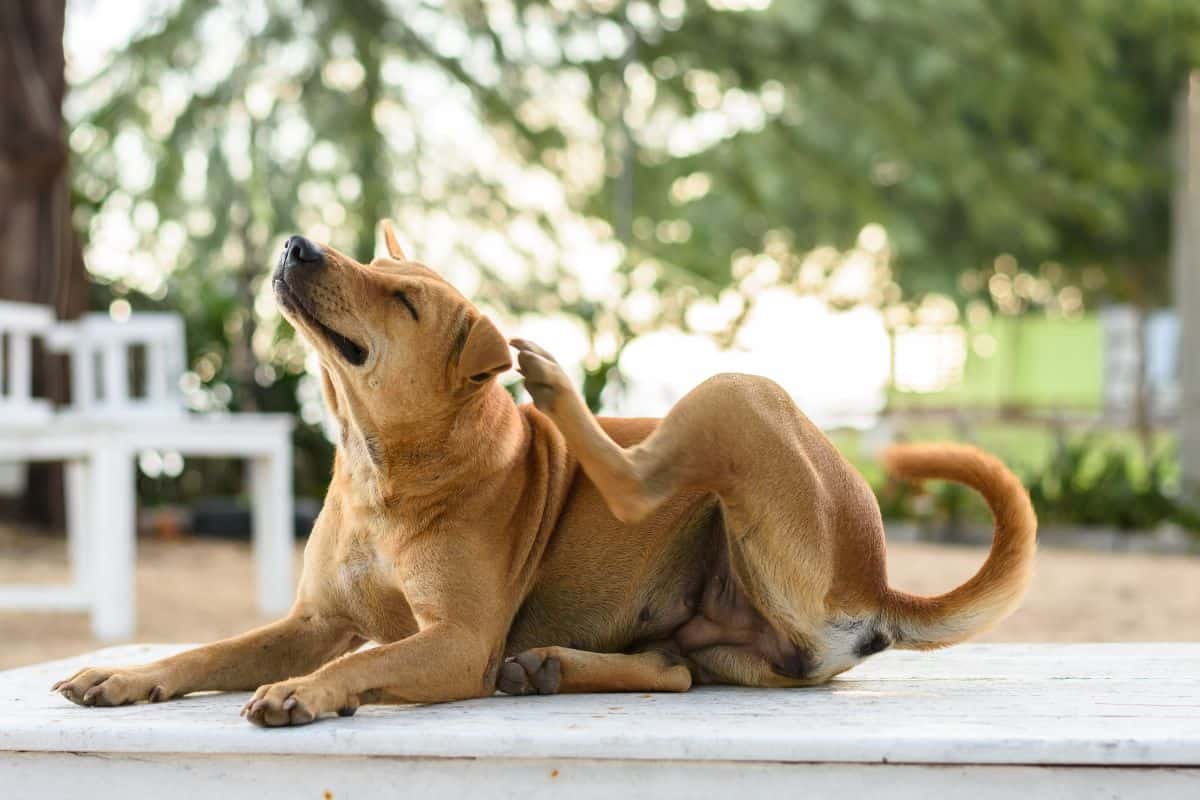
Image Source: www.theacademyofpetcareers.com
Grasping Why Bath Time Leads to Itching
A bath should feel good, but for many dogs, it leads to scratching, rubbing, and general discomfort. This itching, known medically as pruritus, isn’t just annoying; it can signal a deeper problem with the skin’s natural barrier. We must look closely at what happens during and immediately after the wash to find the true cause of canine dry skin post-bath.
The Delicate Balance of Canine Skin
Dog skin is different from human skin. It has a different pH level. Our skin is more acidic. A dog’s skin is more alkaline. When we use products meant for humans, or even harsh dog shampoos, we upset this balance. This disruption makes the skin weak and prone to dryness and irritation.
Factors That Affect Skin Sensitivity
Several things make a dog more likely to itch after a bath:
- Skin pH: The wrong soap throws this off balance.
- Natural Oils: Baths can strip away essential oils that protect the skin.
- Water Quality: Hard water leaves mineral deposits that can irritate.
- Drying Time: If the coat stays damp, it can lead to hot spots or yeast growth.
Shampoos: The Usual Suspects for Post-Bath Irritation
The most frequent cause of immediate itching is the shampoo used. Not all dog washes are created equal. Some contain ingredients that are simply too harsh for sensitive skin. Identifying this culprit is key to treating dog’s sensitive skin after bath.
Harsh Chemicals and Ingredients to Avoid
Many commercial shampoos use strong detergents to create lots of bubbles. These bubbles often mean more skin stripping. Look out for these common irritants:
- Sulfates (like SLS): These are harsh cleaners that strip natural oils quickly.
- Artificial Fragrances: These perfumes often cause allergic reactions and itching.
- Parabens and Preservatives: Some dogs react badly to these chemicals used to keep the soap fresh.
- Dyes: Brightly colored shampoos often contain unnecessary irritants.
When a dog has a dog allergic reaction to soap, the result is instant and intense itching. The skin looks red and inflamed shortly after rinsing.
The Problem with Residue
Rinsing is just as important as washing. If shampoo residue remains on the coat, it dries onto the skin. This dried soap acts like a constant mild irritant. It forces the dog to scratch to try and remove the feeling. Thorough rinsing prevents most residue-related itching.
Water Temperature and Pressure Play a Role
It’s not just the soap; it’s how you use the water.
Too Hot or Too Cold
Water that is too hot mimics a burn sensation on sensitive skin. It causes immediate flushing and dryness. Use lukewarm water only. It should feel comfortable to your wrist, not hot.
High-Pressure Hoses
If you use a strong sprayer to rinse, the force itself can cause minor physical trauma to the skin surface. This physical stress can lead to dog grooming causing skin problems even if the products are fine. Use a gentle stream, focusing on soaking the skin thoroughly, not blasting it.
Drying Techniques and Environmental Factors
How you dry your dog greatly impacts post-bath comfort. This is where many owners unknowingly cause relief for dog’s itchy skin after wash to be delayed.
Towel Drying vs. Blow Drying
Vigorous towel drying, while common, can create friction. This friction raises the hair shafts and irritates the skin beneath.
Blow dryers present a different challenge:
- Heat: High heat from a dryer can quickly dry out the skin, worsening canine dry skin post-bath.
- Noise and Stress: If the dog is stressed by the dryer noise, stress hormones can sometimes trigger itching behaviors.
Always use a low-heat or cool setting on the dryer, keeping it moving constantly.
Humidity and Air
The air in your home matters too. If you bathe your dog in a very dry environment (like a heated room in winter), the low humidity pulls moisture right out of their skin quickly after the bath.
Finding the Right Products: The Solution to Itching
If you suspect the products are the issue, switching to gentle, soothing alternatives is the next step. The goal is to clean without stripping the skin’s natural defense layer. We must find the best shampoo for itchy dogs.
Choosing Gentle and Hypoallergenic Formulas
When selecting a new wash, read labels carefully. Look for shampoos specifically designed for sensitive skin.
Ingredients that Help Soothe Itching:
- Colloidal Oatmeal: This is a fantastic natural ingredient known for calming irritated skin. Oatmeal shampoo for dog itching is highly recommended by vets.
- Aloe Vera: Provides immediate cooling and moisturizing relief.
- Essential Fatty Acids (Omega-3s and 6s): These help restore the skin barrier from the outside.
- Ceramides: These are lipids that naturally make up the skin barrier; adding them back helps hydration.
Recognizing Soothing Shampoos
A good sensitive-skin formula will advertise itself as “Sulfate-Free,” “Fragrance-Free,” or “Tearless.” These are usually formulated to maintain a proper skin pH. They clean effectively but gently.
Table 1: Shampoo Ingredient Comparison
| Feature | Harsh Shampoo | Soothing Shampoo | Effect on Skin |
|---|---|---|---|
| Primary Cleanser | Sulfates (SLS) | Gentle Surfactants | Strips oils vs. Cleans gently |
| Scent | Strong Artificial Perfumes | None or Natural Essential Oils | Irritant vs. Calming |
| Moisturizers | Few or cheap fillers | Oatmeal, Aloe, Fatty Acids | Dries skin vs. Hydrates |
| pH Level | Often too high (alkaline) | Balanced (closer to dog’s natural) | Causes irritation vs. Supports barrier |
Conditioning is Non-Negotiable
A good conditioner is vital after any wash, especially if your dog has long hair or existing dryness. Conditioner seals in moisture and smooths the hair cuticle, reducing friction. Many conditioners now contain specific ingredients to combat dryness, making them part of how to stop dog itching after bathing.
Deeper Dive: When Itching Points Beyond the Bath
Sometimes, the bath simply exposes an underlying cause of dog itching after bath. The bath doesn’t cause the itch; it just makes the existing condition more noticeable because the skin barrier is momentarily stressed.
Environmental Allergies (Atopy)
If your dog is already allergic to things like pollen, dust mites, or grass, the slight drying effect of the bath can make their existing itch worse. The skin is already inflamed, and the soap, even a mild one, provides the final nudge toward discomfort.
Food Sensitivities
Food allergies often show up as chronic skin issues. If your dog is sensitive to a protein source in their diet (like chicken or beef), their skin barrier is compromised year-round. Bathing causes flare-ups. If the itching is constant, not just post-bath, diet change might be necessary.
Parasites and Infections
Fleas, ticks, or mites (like scabies) cause intense itching. While bathing might temporarily drown some pests, the stress of the bath can make the dog more frantic afterward. If you notice intense localized scratching, especially around the tail base or ears, look for fleas or consult your vet about parasitic control.
Yeast or bacterial infections can thrive in damp environments. If the skin is already damp after the bath, or if the dog has an existing infection, the environment after washing can allow the microbes to multiply faster, causing intense itching.
Skin Conditions Requiring Medical Attention
Certain skin diseases require specific medical management.
- Seborrhea: A condition where the skin produces too much oil, leading to flakes and itchiness.
- Atopic Dermatitis: Chronic inflammation linked to environmental allergies.
If you have tried gentle, soothing shampoos and proper drying techniques, and the itching persists or worsens, medical intervention is required.
Practical Steps for a Soothing Post-Bath Routine
Stopping the itch is about controlling the environment and the aftermath of the wash. Follow these steps to ensure a calm experience.
Pre-Bath Preparation
Prepare everything before the dog gets wet. Slowing down the process reduces stress, which lowers the chance of stress-induced itching.
- Brush Thoroughly: Remove all loose hair and mats before the bath. Mats trap water and shampoo against the skin, causing irritation when wet.
- Measure Shampoo: Don’t just pour. Use the recommended amount. Too much soap means too much rinsing time, and less rinsing time means more residue.
During the Bath: Rinse, Rinse, Rinse
The rinsing phase is the most critical step for preventing dog skin irritation after washing.
- Rinse Twice as Long: Whatever time you think you’ve spent rinsing, spend double that time. Run your hands over the coat. If it still feels slick or soapy, keep rinsing.
- Check the Water: Ensure the water temperature remains consistently lukewarm.
Post-Bath Care for Itch Relief
This stage focuses on restoration and protection.
Rehydrating the Skin
Immediately after the final rinse, consider an in-shower rinse-out conditioner or a topical treatment.
- Oatmeal Rinse: If you are not using an oatmeal shampoo, a simple colloidal oatmeal rinse can be very effective for immediate relief for dog’s itchy skin after wash. Mix fine oatmeal powder in warm water and pour it over the coat, letting it sit for five minutes before a final, quick rinse.
- Leave-In Sprays: Use a veterinarian-approved leave-in moisturizer spray designed for dogs. This helps lock in hydration as the coat dries.
The Drying Process Redefined
Adopt a gentler approach to drying to avoid friction.
- Squeeze, Don’t Rub: Gently squeeze excess water out of the coat with your hands or highly absorbent microfiber towels.
- Low and Slow Drying: If using a dryer, keep the nozzle moving and at the lowest effective heat setting. Aim to get the undercoat almost dry, then allow the dog to air dry the rest of the way in a warm room.
If you are struggling with how to stop dog itching after bathing using home methods, switch to air drying entirely for a few weeks to see if heat friction is the main trigger.
Recognizing When It’s Time to Call the Veterinarian
While minor post-bath scratching can be managed, persistent or severe itching indicates a health concern. You need professional help if you observe the following signs, as they suggest serious underlying causes of dog itching after bath:
- Scratching leads to skin breaks, scabs, or bleeding.
- The dog chews or licks patches of skin raw (hot spots).
- The skin is persistently red, greasy, or has a bad odor (signs of infection).
- Itching occurs even when the dog hasn’t been bathed recently.
- The dog loses patches of fur due to excessive scratching.
Your vet can perform tests to pinpoint true allergies (food or environmental) or diagnose chronic conditions that require prescription treatments like medicated shampoos or oral medications. They can also recommend the absolute best shampoo for itchy dogs based on your pet’s specific diagnosis.
Medicated Options for Severe Cases
For dogs with chronic issues like severe atopy, regular use of specialized products is necessary.
- Prescription Shampoos: These often contain ingredients like chlorhexidine (for bacteria) or miconazole (for yeast).
- Topical Steroids: Used sparingly by vets to quickly reduce severe inflammation from dog skin irritation after washing flare-ups.
FAQ Section
Can I use baby shampoo on my dog after a bath?
No. Baby shampoos are formulated for human skin pH, which is much more acidic than a dog’s skin. Using baby shampoo can disrupt your dog’s natural skin barrier, leading to dryness and increased susceptibility to irritation and itching. Always choose products specifically labeled for dogs.
How long should the itching last after a bath?
If the itching is due to mild irritation from a harsh product or slight dryness, it should resolve within an hour or two as the skin naturally rebalances itself or moisturizers take effect. If the scratching lasts more than 24 hours, it suggests a reaction or an underlying cause of dog itching after bath is at play.
Is hard water causing my dog’s dry skin post-bath?
Yes, hard water can contribute significantly to canine dry skin post-bath. Hard water contains high mineral content (calcium and magnesium). These minerals are left on the coat after rinsing, forming a dull film that strips moisture and can physically irritate the skin. Using a shower filter designed for hard water can often help reduce this issue.
What is the best way to soothe my dog’s skin immediately after noticing the itch?
For immediate, mild relief, apply a veterinarian-approved moisturizing spray or a very light application of a safe topical treatment like pure aloe vera gel (ensure it has no alcohol or additives). Alternatively, a quick, cool rinse with plain water can wash away any surface irritants that might be clinging to the fur.
Does the water temperature matter when treating dog’s sensitive skin after bath?
Yes, greatly. Water that is too hot strips protective oils and causes heat irritation. Always use lukewarm water. Cooler water is generally better than hot water for dogs prone to itching.