
If you see your dog hunching posture, it often means your pet is in pain or feeling very unwell. A dog hunching over, also known as a “prayer position” or an arched back, is a major sign that something is wrong. This posture keeps the painful area still. It is never normal, so you must check your dog right away.
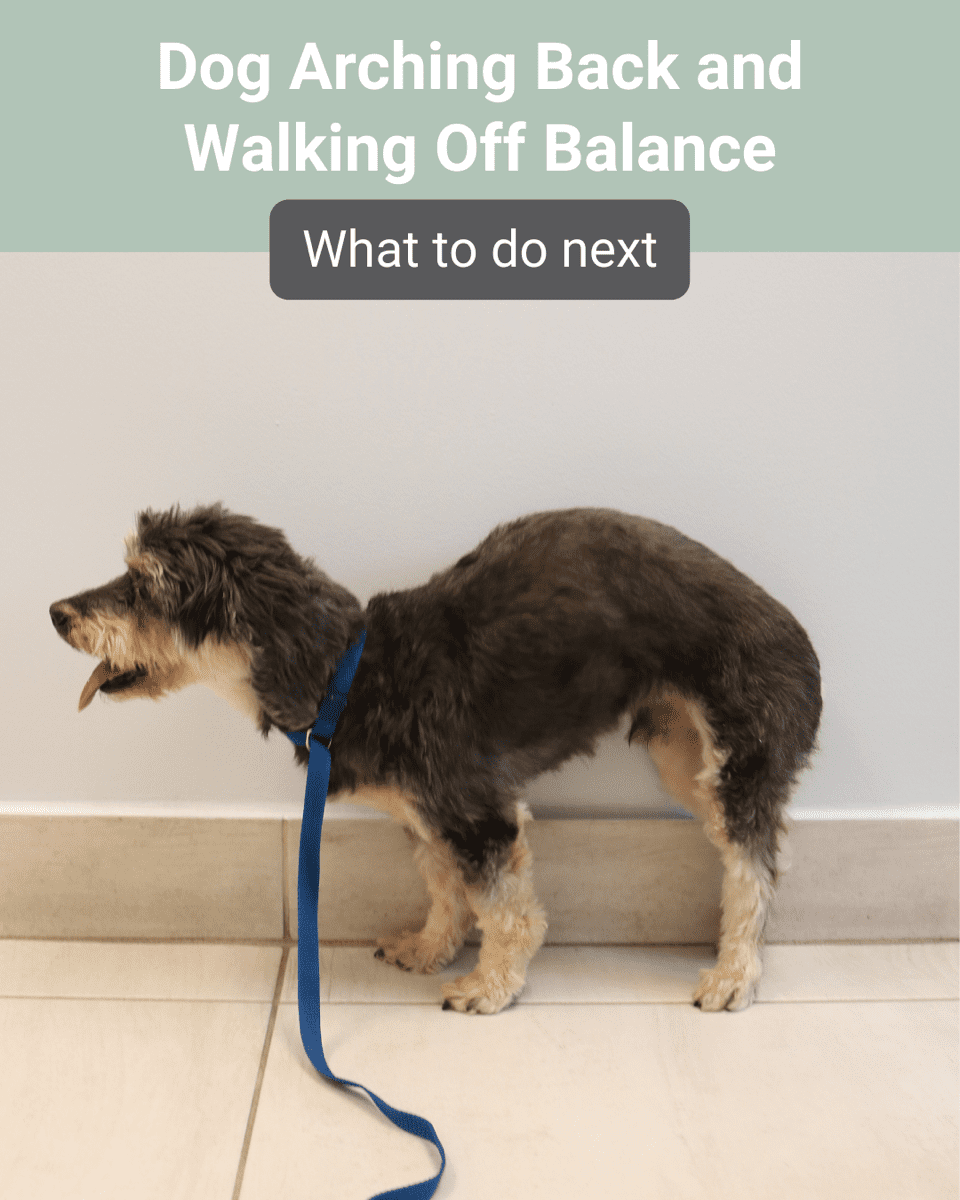
Image Source: sevneurology.com
Grasping the Dog Hunching Posture
The dog hunching posture is a way dogs try to protect a sore part of their body. When a dog’s spine is curved downward, or their front legs are stretched out while their rear end is high in the air, it is called a hunched stance. This is a clear signal that your dog needs help.
This posture is often a sign of dog discomfort. Dogs cannot talk, so they show pain with their bodies. This stance can range from mild stiffness to severe, sharp pain.
Body Language Clues to Watch For
Besides the main hunch, look for other signs your dog is hurting:
- Slow movement.
- Reluctance to jump or climb stairs.
- Whining or yelping when touched.
- Licking a certain spot a lot.
- Changes in how they breathe.
If you notice your dog suddenly hunched over, you need to look closely at what else is happening.
Top Reasons for a Hunched Back in Dogs
There are many causes of dog hunched posture. These range from simple muscle strains to serious internal diseases. Finding the reason is key to getting the right care for your dog.
Digestive System Issues
Stomach and gut problems are very common reasons for a dog to hunch. This is often seen when the dog has dog abdominal pain signs.
Pancreatitis
This is a very serious issue. The pancreas gets inflamed, causing intense pain, usually after eating a fatty meal.
- Signs: Severe hunched back, often accompanied by dog vomiting and hunched over. The dog may look very sad and refuse to eat.
- Action: This needs emergency vet care immediately.
Gastritis and Ulcers
Stomach irritation or sores can cause a lot of soreness in the belly area.
- Signs: Mild to moderate hunching, sometimes mild diarrhea, and maybe the dog seems to be hunched and not eating.
- Action: Contact your vet for advice on diet changes or medication.
Bloat (Gastric Dilatation-Volvulus – GDV)
This is life-threatening. The stomach fills with gas and twists.
- Signs: Retching without throwing up, rapid, shallow breathing, restlessness, and a very tense, hunched belly.
- Action: Treat this as a dire emergency. Go to the nearest emergency clinic now.
Spinal and Musculoskeletal Pain
Pain in the bones, joints, or muscles causes the dog to shift its weight or arch its back to relieve pressure. This shows up as clear dog back pain symptoms.
Intervertebral Disc Disease (IVDD)
This is common in certain breeds (like Dachshunds or Corgis). The discs between the spine bones slip or rupture, pressing on the spinal cord.
- Signs: Difficulty walking, weakness in the legs, crying when moving, and a very stiff or hunched back. If your dog is walking hunched, IVDD is a strong possibility.
- Action: Keep the dog still. Call the vet for pain relief and possibly surgery consultation.
Arthritis and Degenerative Joint Disease (DJD)
This involves wear and tear on the joints, common in older dogs.
- Signs: Stiffness, especially after rest. The hunch may be mild and more noticeable when they stand up or try to lie down. This often leads to a dog being dog lethargic and hunched.
- Action: Pain management, joint supplements, and physical therapy can help.
Injury or Trauma
A fall, a fight, or rough play can cause strains, sprains, or even fractures.
- Signs: Sudden onset of pain. The dog might guard the sore area.
- Action: Avoid moving the dog much and seek prompt veterinary diagnosis.
Internal Organ Pain
Pain from organs inside the abdomen or chest can also cause a dog to curl up defensively.
Kidney Issues
Infections, stones, or kidney failure cause deep, visceral pain.
- Signs: Increased thirst and urination along with the hunching. Sometimes the dog will tremble. If the dog is dog lethargic and hunched, kidney pain should be checked.
- Action: Bloodwork at the vet is needed to check kidney function.
Bladder Stones or Infection (UTI)
A painful bladder can make a dog hunch forward while trying to urinate, or just hunch overall.
- Signs: Straining to pee, frequent small urinations, or blood in the urine.
- Action: A urine test will confirm this common issue.
Other Potential Causes
Not all causes are strictly abdominal or spinal.
| Cause | Description | Common Accompanying Signs |
|---|---|---|
| Peritonitis | Inflammation of the belly lining (serious infection). | Fever, rigid abdomen. |
| Abdominal Mass | A tumor or large cyst pressing on internal structures. | Weight loss, difficulty breathing if large. |
| Muscular Strain | Overexertion or pulling a back muscle. | Pain localized to a specific back area. |
| Fear/Anxiety | Extreme stress can cause a dog to crouch low. | Tail tucked, ears back, hiding behavior. |
When to Seek Emergency Care
Recognizing true emergencies is vital. If your dog displays certain combinations of symptoms, do not wait for a regular appointment.
If you notice any of the following, treat it as an emergency:
- Dog suddenly hunched over with inability to stand or walk.
- Repeated, unproductive retching (signs of Bloat).
- Known history of trauma (fall or impact).
- Hunching combined with pale gums or collapse.
- If the dog is dog vomiting and hunched over and seems restless and distressed.
Steps to Take When Your Dog is Hunched
What you do right away can greatly affect your dog’s outcome while you wait for veterinary help.
Immediate Assessment
Keep calm. Your panic will transfer to your dog. Approach slowly and speak softly.
- Observe Breathing: Is it fast, shallow, or labored?
- Check Gums: Gently lift the lip. Are the gums pink? (Pale or white gums are an emergency).
- Test Tenderness: Gently feel the back and belly. Does the dog snap or cry out in one specific spot? Be extremely careful not to cause more pain.
Ensuring Safety and Comfort
If you suspect serious pain, limit movement severely.
- Use a Stretcher or Blanket: If you must move your dog, use a large, flat surface like a blanket or rigid board to keep the spine aligned. Do not drag them.
- Control the Environment: Keep other pets and children away. Make the area quiet and dark.
- Offer Water (Cautiously): If the dog is not vomiting, offer a small amount of water. If they refuse to drink or drink excessively, note this for the vet. If the dog is hunched and not eating, don’t force food.
Communicating with Your Veterinarian
When you call the vet, be ready to give clear details. This helps them triage the situation correctly.
- When did the hunching start? Was it sudden or gradual?
- Has the dog eaten or drank anything unusual?
- What other signs of dog discomfort are present (e.g., fever, vomiting, diarrhea)?
- Is your dog dog lethargic and hunched compared to normal?
Diagnosing the Cause of the Hunch
Veterinarians use several tools to figure out why your dog is showing this protective stance.
Physical Examination
The vet will start by gently feeling the dog’s entire body. They look for:
- Spinal Rigidity: Checking for pain when flexing or extending the back.
- Abdominal Palpation: Carefully pressing the belly to feel for masses, gas pockets, or areas of extreme sensitivity (checking for dog abdominal pain signs).
- Gait Assessment: Watching the dog walk to see how the hunch affects their movement, especially if the dog is walking hunched.
Diagnostic Tests
Depending on the initial exam, the vet may order specific tests:
Bloodwork
A complete blood count (CBC) and chemistry panel can reveal signs of infection, inflammation (like pancreatitis), or organ failure (kidneys, liver).
Imaging (X-rays and Ultrasound)
- X-rays: Excellent for seeing bones, checking for spinal compression (IVDD), foreign objects in the gut, or large masses.
- Ultrasound: Better for looking at soft tissues, like the pancreas, bladder, and intestines, to find inflammation or tumors.
Specialized Tests
In some cases, advanced diagnostics may be needed:
- Myelogram: An X-ray procedure using dye injected around the spinal cord, crucial for pinpointing disc problems.
- Endoscopy: Using a camera to look inside the stomach or upper intestines if ulcers or foreign bodies are suspected.
Care and Treatment Approaches
Treatment plans vary widely based on the underlying condition causing the hunch.
Treating Abdominal Pain Causes
If the issue is digestive, treatment focuses on controlling inflammation and supporting the gut.
- Pancreatitis: Fluid therapy (IV drips), pain medication, and anti-nausea drugs are critical. A bland, low-fat diet is essential once the dog recovers enough to eat.
- Gastritis/Ulcers: Medications to reduce stomach acid (like Omeprazole) and sometimes antibiotics.
Managing Spinal and Joint Pain
When dog back pain symptoms are the issue, the goal is to reduce inflammation and stabilize the spine.
- Conservative Management: Strict rest, anti-inflammatory drugs (NSAIDs prescribed by a vet), and sometimes physical rehabilitation. This works well for mild strains or early arthritis.
- Surgical Intervention: For severe IVDD, surgery (like a hemilaminectomy) might be required to relieve pressure on the spinal cord, especially if the dog has weakness or paralysis.
Supporting the Dog Exhibiting Lethargy
If your dog is dog lethargic and hunched over, treatment often involves aggressive supportive care.
- Pain Control: Ensuring the dog is comfortable is the first step. Stronger pain relievers might be needed temporarily.
- IV Fluids: To combat dehydration, which often accompanies sickness and lethargy.
- Monitoring: Close observation in a clinic setting is often necessary until the dog shows signs of improvement and is no longer showing signs of dog discomfort.
Prevention and Long-Term Health
While not all causes of hunching can be prevented, you can lower the risk of common issues.
Maintaining a Healthy Weight
Obesity puts massive strain on the spine, joints, and abdominal organs. Keeping your dog lean drastically reduces the risk of arthritis and back injuries.
Smart Feeding Practices
- Avoid Fatty Scraps: Never feed rich table scraps, as these can trigger acute pancreatitis.
- Slow Feeders: If your dog eats too fast, use slow-feeder bowls to reduce air gulping, which can contribute to gas and bloating.
Regular Veterinary Checkups
Annual (or bi-annual for seniors) wellness checks allow the vet to catch early signs of arthritis, dental disease, or organ changes before they become painful enough to cause your dog to hunch.
Appropriate Exercise
Ensure exercise matches your dog’s age and breed. Avoid rough play or high-impact jumping in dogs predisposed to back issues. If your older dog seems stiff, switch to swimming or gentle leash walks instead of hard runs.
Comprehending Posture Changes in Senior Dogs
Older dogs often develop subtle dog back pain symptoms that owners mistake for simple aging. If you have an elderly pet, be extra vigilant about subtle posture shifts.
- Subtle Hunching: An older dog might not always have a dramatic prayer position. They might just appear slightly rounded when sitting or standing.
- Increased Sleep: While being dog lethargic and hunched together is common, if they sleep significantly more than usual, it often means they are avoiding movement because it hurts.
- Changes in Grooming: Pain can make it hard for them to twist and reach certain areas for grooming.
A senior dog that is hunched and not eating is often experiencing advanced pain or serious internal illness that requires immediate attention.
Deciphering Specific Scenarios
Sometimes the context around the hunching helps narrow down the cause.
Scenario 1: Dog Hunched and Not Eating After a Walk
This suggests a sudden musculoskeletal injury or significant gastrointestinal upset.
- If the dog avoids eating but is happy to drink water, it might be muscle pain preventing the effort of chewing or bending to the bowl.
- If they refuse both food and water, assume significant nausea or pain, often pointing toward pancreatitis or severe colitis.
Scenario 2: Dog Vomiting and Hunched Over
This is a serious combination that usually means severe abdominal pain.
- If the dog is dry-heaving (retching without producing anything) while hunched, suspect GDV (Bloat) until proven otherwise.
- If they vomit stomach contents and then hunch, pancreatitis is highly likely.
Scenario 3: Why Is My Dog Walking Hunched?
When the dog moves while hunched, the issue is likely related to the spine or hips, as they are trying to stabilize the painful area during motion.
- Spinal Pain: The dog keeps the back unnaturally straight or slightly rounded to minimize jarring motion.
- Hip Dysplasia/Severe Arthritis: The dog may try to keep the rear end slightly tucked to relieve pressure on the hip joints.
Final Thoughts on Canine Discomfort
A hunched posture is a universal distress signal in dogs. It means they are trying to protect a sore spot or deal with internal distress. Never dismiss this sign, especially if it is sudden or accompanied by other signs of dog discomfort like lethargy, vomiting, or appetite loss. Prompt, careful observation and a quick call to your veterinarian are the best first steps to ensure your dog feels better soon.
Frequently Asked Questions (FAQ)
What is the “prayer position” in dogs?
The “prayer position” is when a dog stretches its front legs out, keeping its chest low to the ground, while keeping its rear end high in the air, resulting in a hunched look. This is a common sign of severe abdominal pain, often seen with pancreatitis.
Can anxiety cause a dog to hunch over?
Yes, severe fear or anxiety can cause a dog to adopt a low, crouched, or hunched posture as a defensive mechanism. However, if the hunching is persistent and the dog is also dog lethargic and hunched, pain is a more likely cause than temporary fear.
If my dog is hunched but acting normal otherwise, should I worry?
Even if your dog seems otherwise normal, a persistent hunch is a sign of dog discomfort. Since many serious issues (like early-stage pancreatitis or minor disc issues) start mildly, you should call your vet for advice. It is always better to check a mild sign than to wait for it to become severe.
How long can a dog hide back pain?
Dogs are masters at hiding pain. They may hide dog back pain symptoms for weeks or months, often showing it only when they are tired, have over-exerted themselves, or when the pain level passes a certain threshold. If you notice a change, it means the condition has likely progressed beyond its earliest stage.