
The short answer to why your dog pees on the carpet is that there is a reason. It could be medical, behavioral, or simply a house training accident. We must figure out the why to fix the problem of dog urinating on carpet.
This issue is frustrating for any pet owner. Seeing your pet peeing indoors is a common complaint. We will explore all the reasons dog inappropriate urination happens. We will show you steps to stop dog peeing on rug for good.
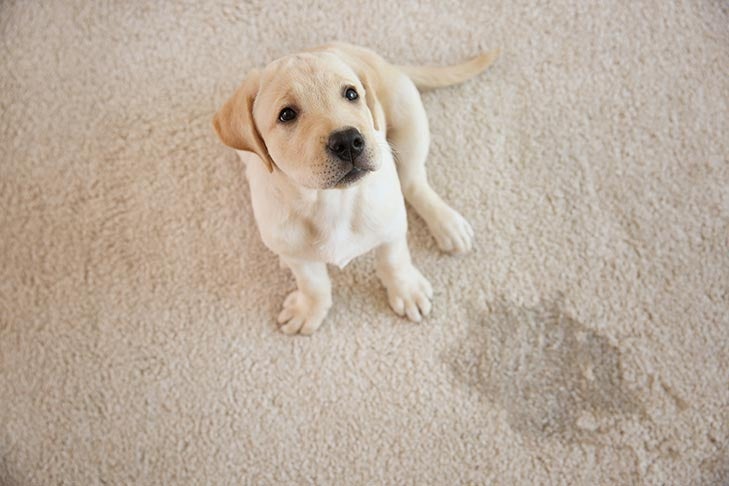
Image Source: www.akc.org
Ruling Out Medical Causes First
Before blaming behavior, always see the vet. Many times, dog medical issues causing accidents are the root cause. Pain or illness often leads to pets having accidents inside.
Common Health Problems
Several health checks are important. Your vet will look for these common issues.
- Urinary Tract Infections (UTIs): These make your dog feel like they must go right away. They cannot hold it.
- Bladder Stones or Crystals: These cause irritation and frequent urges to urinate.
- Kidney Disease: This often causes excessive dog urination (polydipsia and polyuria). They drink more, so they pee more.
- Diabetes: Similar to kidney issues, diabetes causes increased thirst and urination.
- Age-Related Issues: Older dogs can develop incontinence due to weak bladder muscles or cognitive decline.
If your vet gives your dog a clean bill of health, then we look at behavior and training.
Fathoming Training and Environment Issues
If your dog is healthy, the issue is often linked to training or their surroundings. This covers most cases of puppy peeing indoors or adult dogs having slips.
Incomplete House Training
Even older dogs can forget what they learned. This is especially true if something changes in their life.
- Not Enough Trips Outside: Young puppies need to go out very often. Adult dogs need a consistent schedule too. If they are left alone too long, accidents happen.
- Poor Reinforcement: Did you stop praising them when they went outside? Positive rewards are key to keeping house training strong.
- Using Punishment: Never punish your dog for an accident. Punishment only teaches them to fear you or hide when they need to go. This makes the problem worse.
Changes in Routine
Why is my dog suddenly peeing inside? Often, a change in schedule throws them off.
| Change in Routine | Effect on Dog |
|---|---|
| New Work Schedule | Dog is left alone longer than usual. |
| Moving to a New Home | The new place smells different; they seek familiar spots (like carpet). |
| New Pet or Baby | Increased stress or less direct attention for potty breaks. |
| Change in Food/Water Intake | More or less need to urinate throughout the day. |
Dogs thrive on routine. Disruptions cause stress, leading to accidents.
Substrate Preference
This is a big one when it comes to carpets. Carpet feels soft and spongy. To a dog, it might feel like grass or dirt, which is a preferred surface for elimination. Hard floors do not feel as satisfying to them. This preference makes them choose the dog peeing on carpet over tile or wood.
Deciphering Behavioral Reasons for Accidents
When medical and basic training issues are clear, we move to behavior. Behavior reasons often involve anxiety or communication.
Separation Anxiety
Dogs with separation anxiety panic when left alone. Urinating or defecating indoors is a common sign. They do this out of extreme stress, not defiance. The accident often happens soon after you leave. It might be paired with pacing, barking, or destructive behavior near exits.
Excitement and Submissive Urination
Some dogs pee when they get overly excited or feel fearful.
- Excitement Urination: This happens when greeting people. A happy wiggle turns into a little puddle. It is usually a small amount.
- Submissive Urination: This happens when the dog feels nervous or anticipates being scolded. They might lower their body, look away, and then pee. This is common in puppies but can continue in nervous adults.
Marking Behavior on Carpet
Dog marking behavior on carpet is different from just peeing. Marking is usually done on vertical surfaces (like the side of a chair or a table leg), but dogs will also mark on horizontal surfaces like rugs, especially if they smell a previous marking.
Marking is about communication, not bladder relief.
- It uses very small amounts of urine.
- It often happens when a new smell is present (a new dog visited, or you brought home new furniture).
- Unneutered males are more prone to marking, but females and neutered dogs can mark too.
How to Clean Dog Urine From Carpet Properly
If you do not clean accidents correctly, your dog will keep going there. Dogs have an amazing sense of smell. If they smell old urine, they think, “This is the bathroom spot.” Proper cleaning dog urine from carpet is vital.
Why Regular Cleaners Fail
Dish soap or general cleaners mask the smell for humans, but they do not break down the uric acid crystals in dog urine. These crystals are what dogs smell strongly.
The Power of Enzymes
You must use an enzyme cleaner. These cleaners contain special bacteria that eat the odor-causing organic matter.
Steps for Cleaning:
- Blot, Don’t Rub: Immediately use old towels or paper towels to soak up as much urine as possible. Press hard. Rubbing pushes the urine deeper into the carpet padding.
- Apply Enzyme Cleaner: Saturate the spot well with the enzyme cleaner. Read the bottle directions carefully. You usually need to let it sit for a specific time.
- Allow Dwell Time: Let the cleaner sit. Many products require 15 to 30 minutes, or even longer, to work fully.
- Rinse and Dry: Blot the area again to remove the cleaner. Keep blotting with dry towels until the area is mostly dry. Place a stack of heavy books on top of a dry towel over the spot overnight to wick up more moisture.
Important Tip: Test any cleaner on a hidden spot of the carpet first to check for color fading.
Action Plans to Stop Dog Peeing on Rugs
Once you know the cause, you can apply the right fix. These plans help you stop dog peeing on rug for good.
Plan A: Revisiting House Training (For Accidents/Consistency Issues)
If the problem is training-based, go back to basics. Treat your adult dog like a puppy peeing indoors.
- Supervise Closely: Keep your dog tethered to you or confined to one room when you are home. If you cannot watch them, they must be in a crate or pen.
- Strict Schedule: Take your dog out first thing in the morning, last thing before bed, after every meal, after waking from a nap, and after playing.
- Reward Success: When they pee outside, throw a party! Use high-value treats (like small bits of cheese or chicken) immediately after they finish. Use a cue word like “Go potty!” as they go.
- Management: Use belly bands (for small males) or diapers temporarily if you cannot supervise perfectly while you retrain. This prevents accidents while you are working on the positive reinforcement.
Plan B: Addressing Marking Behavior
If dog marking behavior on carpet is the issue, management and scent control are key.
- Spay/Neuter: This often reduces marking urges significantly, though it does not always stop it completely.
- Scent Removal: Use enzyme cleaners rigorously everywhere the dog has marked. If they cannot smell past marks, they are less likely to repeat the behavior.
- Restrict Access: Block access to the favorite marking spots (the rug, the specific corner). Use baby gates or put furniture over the area until the behavior stops.
- Manage Triggers: If a specific trigger causes marking (like another dog walking past the window), manage that trigger by closing blinds or using white noise to block outside sounds.
Plan C: Managing Anxiety and Fear
For stress-related urination (separation anxiety or submissive peeing), you need behavioral modification, not just house training fixes.
- Vet Check: Always confirm with the vet that no underlying illness is causing anxiety.
- Counter-Conditioning for Greetings: When greeting your dog, ignore them for the first few minutes. Wait until they are calm before offering soft praise and gentle pets. This lowers the excitement level.
- Separation Anxiety Protocol: This requires slow, systematic desensitization. Start by leaving for just seconds at a time while the dog is already calm. Gradually increase the time. Use puzzle toys or high-value chews only when you leave to create a positive association with your departure.
- Create a Safe Den: Ensure the dog has a crate or comfortable bed that they view as a safe space, not a jail. Never use the crate for punishment.
Dealing with Excessive Dog Urination
When a dog is producing large volumes of urine frequently, it is concerning. While medical causes (like diabetes) are the most common reason for excessive dog urination, anxiety can also play a role.
If your dog is drinking a lot and peeing a lot, schedule that vet appointment right away. If medical causes are ruled out, look at diet and water access.
- Water Management: Ensure your dog always has fresh water, but avoid letting them gulp down huge amounts at once, especially before bedtime.
- Caffeine/Salt Intake: Check for accidental ingestion of things high in salt or caffeine, which act as diuretics.
- Stress Monitoring: High anxiety can cause frequent, small urinations even when the bladder isn’t full. Revisit Plan C if stress seems high.
Summary of Solutions for Dog Inappropriate Urination
Solving this issue is a process of elimination and consistent effort. Here is a quick guide to match the problem to the fix:
| Symptom Observed | Likely Cause Category | Primary Action |
|---|---|---|
| Urinates right after you leave. | Separation Anxiety | Desensitization training, vet consult for anxiety medication if severe. |
| Drinks and pees constantly; large volumes. | Medical (Kidneys, Diabetes) | Immediate veterinary check-up. |
| Urinates small amounts on vertical surfaces or in new spots. | Marking Behavior | Rigorous enzyme cleaning, restriction of access to triggers. |
| Puddles on carpet when excited to see you. | Excitement Urination | Keep greetings low-key; teach calm behavior first. |
| Accidents happen after a big move or schedule change. | Routine Disruption | Re-establish a firm, consistent potty schedule immediately. |
| Accidents happen frequently on soft surfaces only. | Substrate Preference | Prevent access to carpet until training is solid; manage training time strictly. |
Consistency is the most important tool you have when you try to stop dog peeing on rug. Every successful trip outside earns praise. Every accident inside must be cleaned thoroughly and ignored behaviorally (no scolding).
Frequently Asked Questions (FAQ)
Q: How long does it take to stop a dog peeing inside?
A: It varies a lot. For simple house training accidents in a young puppy, it might take a few weeks of perfect consistency. For older dogs with behavioral issues like anxiety, it can take several months of dedicated work. If it’s a medical issue, it stops once the illness is treated.
Q: Can I use bleach to clean dog urine from carpet?
A: No. Do not use bleach or ammonia-based cleaners. Ammonia smells similar to urine to a dog, which actually encourages them to pee there again. Always use enzymatic cleaners.
Q: Is it normal for an older dog to start having accidents?
A: It can be normal if it relates to aging (like muscle control weakening). However, it is a strong sign of potential dog medical issues causing accidents like UTIs or cognitive decline. Always consult your veterinarian first if an older dog starts dog inappropriate urination.
Q: My dog only pees on the carpet when I am not home. Is this marking?
A: It is more likely related to separation anxiety or simply not being able to hold it long enough. True marking is often triggered by new scents or territorial defense. If the volume is large, it’s likely bladder relief due to stress or holding it too long.
Q: What is the best way to crate train if I am worried about accidents?
A: A crate should only be slightly larger than the dog needs to stand up, turn around, and lie down comfortably. If the crate is too large, the dog might pee in one corner and sleep in the other. Only use the crate when you can supervise their exit schedule.