
Your dog keeps licking his butthole because something is causing him discomfort, irritation, or itchiness in that area. This licking is a natural way for dogs to try and soothe the problem, but if it happens often, it signals an underlying medical or behavioral issue that needs attention.
Dog butt licking is a common concern for pet owners. You might see your dog dog scooting on carpet or obsessively focusing on his rear end. This behavior, often called dog excessive grooming hindquarters, is not just a quirky habit. It is a signal. Fathoming the root cause is the first step to stopping the constant licking and restoring your dog’s comfort.
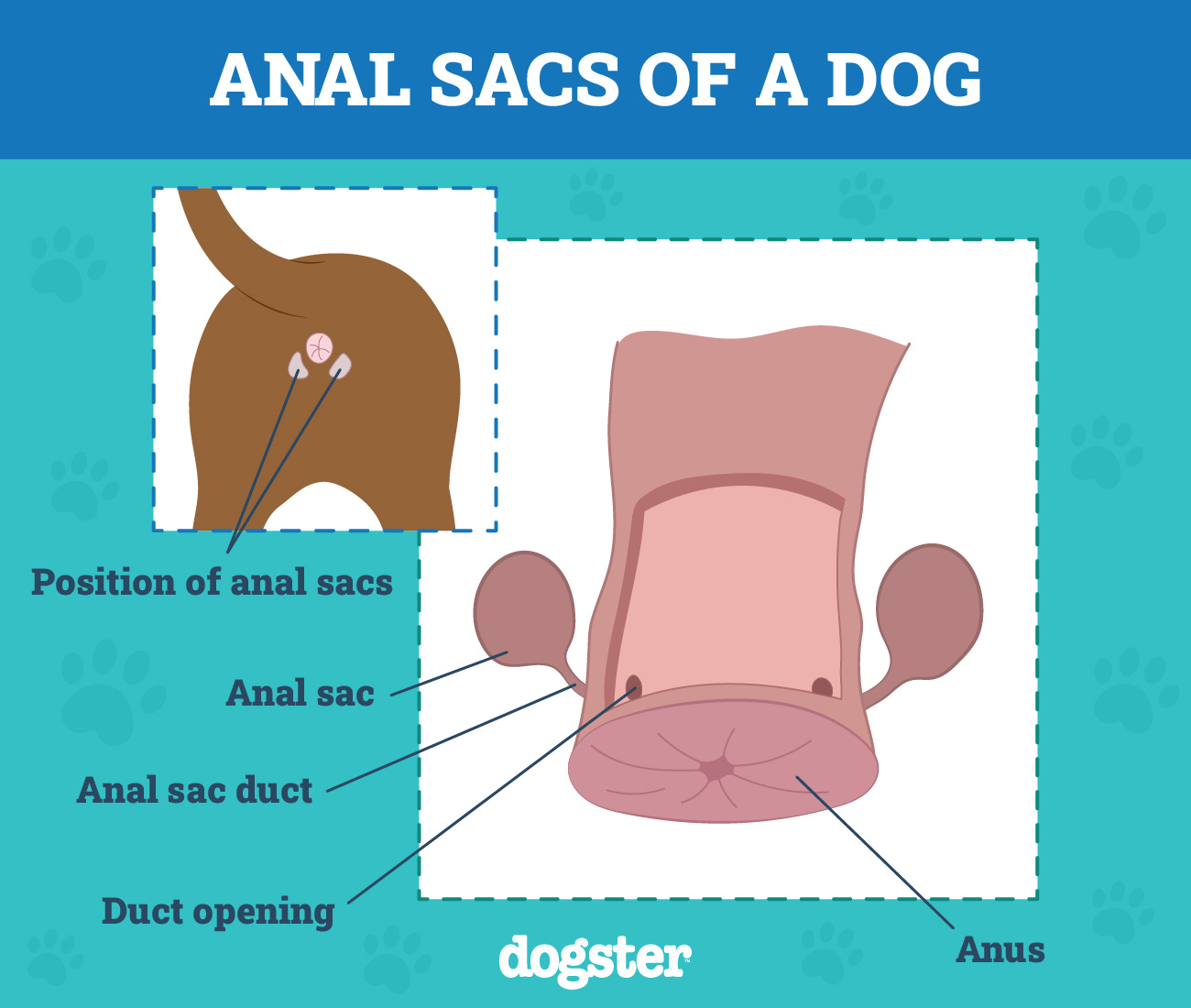
Image Source: www.dogster.com
Deciphering the Common Reasons for Dog Butt Licking
There are many reasons for dog butt licking. These reasons range from simple issues like minor dirt buildup to more serious medical problems. When a dog licks his anus frequently, it usually means one of a few things is happening back there.
Anal Gland Issues
One of the most frequent culprits is problems with the anal glands. These two small sacs sit just inside the rectum. They hold a strong-smelling fluid that dogs use to mark territory.
Anal Gland Impaction in Dogs
When these glands do not empty naturally during a bowel movement, they can become full. This is called anal gland impaction in dogs. The feeling of fullness or pressure causes intense discomfort and itching. Your dog will lick excessively trying to relieve this pressure.
If the impaction is left untreated, the sacs can become infected or abscessed. This is very painful and often requires immediate veterinary care. Signs of an impacted or infected gland include:
- Scooting across the floor.
- Difficulty defecating.
- Visible swelling or redness near the anus.
- Lethargy or changes in appetite.
Skin Problems and Allergies
The skin around the tail base and anus is sensitive. Many skin issues can lead to excessive licking private areas dog.
Environmental and Food Allergies
Allergies are a huge source of itchiness for dogs. When a dog has an allergy, the skin flares up, and they scratch or lick the itchy spots. This might be:
- Environmental allergies (atopy): Reactions to pollen, dust mites, or mold.
- Food allergies: Reactions to proteins (like chicken or beef) or grains in their food.
The licking often targets the rear end because the inflammation spreads. Constant licking damages the skin barrier, leading to secondary infections from yeast or bacteria.
Flea Infestations
Even if you use flea prevention, a few bites can cause intense irritation, especially if your dog is allergic to flea saliva (Flea Allergy Dermatitis). The itching near the tail base is notorious.
Parasites
Internal and external parasites often cause irritation near the rectum.
Tapeworms
Tapeworms are a common intestinal parasite. The segments of the tapeworm sometimes pass out with the stool. These segments can stick to the fur around the anus, causing intense itching as they move. This often leads to dog scooting on carpet as the dog tries to rub them off.
Pinworms
While less common in dogs than in other animals, pinworms can also cause localized itching around the anus.
Dietary Issues and Poor Nutrition
What your dog eats affects everything, including the health of his stool.
- Low-quality food: Diets lacking proper fiber or nutrients can lead to loose, soft stools. Soft stool does not help naturally express the anal glands.
- Dietary indiscretion: Eating things they shouldn’t can cause temporary diarrhea or inflammation in the digestive tract, leading to irritation around the exit point.
Foreign Objects or Injury
Sometimes the cause is very direct. A dog might have:
- A small piece of grass, sticker, or foreign material lodged near the anus.
- A small cut or scrape from rough play or rolling.
- A small tumor or mass (less common, but possible) causing a physical annoyance.
Behavioral and Compulsive Licking
If medical causes are ruled out, the licking might become a habit or a sign of stress. This is often referred to as dog compulsive licking rear end.
Anxiety and Boredom
Dogs often channel stress, anxiety, or boredom into repetitive behaviors, similar to how humans chew their nails. If a dog is left alone too long, doesn’t get enough exercise, or undergoes a big change (like a move), they might start licking as a self-soothing mechanism.
Learned Behavior
If licking provides temporary relief, the dog learns that licking stops the itch, even if the original cause is gone. The behavior becomes reinforced.
Identifying When Scooting and Licking Becomes a Problem
It is normal for a dog to occasionally lick himself clean. However, owners must know when to worry about dog licking butt. Persistent licking is the main sign that action is needed.
| Behavior Sign | Implication | Urgency Level |
|---|---|---|
| Scooting on the floor or carpet | Strong irritation, likely anal gland or parasite related. | Moderate to High |
| Excessive licking (more than a few minutes several times a day) | Inflammation or infection is likely present. | Moderate |
| Red, raw skin in the area | Secondary infection has probably set in due to constant licking. | High |
| Foul odor coming from the rear end | Suggests infection, impacted glands, or yeast overgrowth. | High |
| Whining or snapping when touched near the tail | Indicates pain, suggesting an abscess or severe irritation. | Very High |
If you notice any signs in the “Moderate to High” urgency columns, schedule a vet visit soon. Pain signals mean your dog needs help immediately.
Medical Steps: What a Veterinarian Does
Since many causes are medical, the first step is always a veterinary examination. Your vet will perform a thorough physical check-up.
The Anal Gland Expression
The vet will likely check the anal glands first. They gently feel the glands on either side of the anus. If the glands are firm or hard, they are impacted. The vet can express (empty) them manually. This often provides immediate relief for the dog.
Parasite Checks
The vet may ask for a fresh stool sample to check for tapeworms, roundworms, or other intestinal parasites. If parasites are found, appropriate deworming medication will be prescribed.
Skin Diagnostics
If the skin looks inflamed or infected, the vet might perform:
- Skin Scraping: To look for mites.
- Cytology: A swab of the skin surface examined under a microscope to identify yeast or bacteria causing a secondary infection.
Treating the underlying medical cause is essential. If the anal glands are impacted, regular expressing might be needed temporarily. If allergies are the issue, long-term management plans must be developed.
Managing Irritation with Natural Remedies for Dog Anal Irritation
While waiting for a vet appointment or after treating a diagnosed issue, you can use natural remedies for dog anal irritation to soothe the area and reduce the urge to lick.
Dietary Adjustments for Better Poop
One of the best natural defenses against anal gland issues is firm, well-formed stools. Fiber helps bulk up the stool, which naturally presses on the glands and empties them.
- Add Pumpkin: Plain, canned pumpkin (not pie filling) is high in fiber. Start by adding one teaspoon to one tablespoon (depending on your dog’s size) to their food once or twice a day.
- Probiotics: Good bacteria support gut health, leading to better digestion and stool quality. Many veterinary-approved probiotic powders are available.
Soothing Topical Treatments
If the skin is only slightly irritated from licking, gentle topical applications can help calm the area. Always check with your vet before applying anything externally, as some substances can be toxic if licked off.
- Cool Compresses: Applying a clean cloth soaked in cool water to the area for a few minutes can reduce inflammation and itch temporarily.
- Oatmeal Baths: Colloidal oatmeal baths are excellent for soothing itchy skin all over the body, including the rear end.
Preventing Self-Trauma (The Elizabethan Collar)
If the dog is licking so much that he is causing open sores or bleeding, you must stop the licking immediately. This means using an Elizabethan collar (the “cone of shame”). This physical barrier prevents the mouth from reaching the area, allowing the skin to heal. While annoying for the dog, it is crucial for recovery.
Addressing Behavioral Licking
When medical causes are eliminated, attention shifts to the dog’s mental and emotional state. Addressing dog compulsive licking rear end requires patience.
Increasing Enrichment and Exercise
A bored or anxious dog seeks outlets for their energy.
- More Physical Activity: Ensure your dog gets enough vigorous exercise tailored to their breed and age. A tired dog is less likely to obsess over licking.
- Mental Stimulation: Use puzzle toys, KONGs stuffed with frozen treats, or engage in short training sessions throughout the day. Mental work tires a dog out effectively.
Stress Reduction Techniques
Identify potential stressors in the dog’s environment.
- Calming Aids: Talk to your vet about pheromone diffusers (like Adaptil) or calming supplements that contain ingredients like L-theanine or melatonin.
- Routine: Dogs thrive on predictability. Stick to regular feeding and walk times.
Working with a Behaviorist
For severe compulsive licking, a veterinary behaviorist might be necessary. They can help devise a specific modification plan, sometimes combined with prescription anti-anxiety medication if the stress level is very high.
Differentiating Licking from Scooting
While both behaviors indicate rear-end irritation, they are distinct actions resulting from different sensations.
Licking: Usually targets an itch or a localized area of pain that the dog can reach. If it is excessive licking private areas dog, the sensation is often an itch or a constant mild annoyance.
Scooting: This is the act of dragging the rear end across the ground. This is a direct response to intense pressure or irritation that the dog cannot reach by licking or that licking does not relieve, like a full anal gland or a tapeworm segment. If you see dog scooting on carpet, prioritize checking the anal glands.
Long-Term Care and Prevention
Preventing the return of intense licking requires consistent management of the common triggers.
Regular Grooming and Hygiene
Keep the area clean, especially for long-haired breeds.
- Anal Area Checks: Gently check the area weekly for redness or swelling.
- Hygiene After Bowel Movements: If your dog has loose stools, gently wipe the area with unscented, pet-safe wipes after they potty. This removes irritants that might cause post-defecation licking.
Consistent Parasite Control
Maintain year-round, veterinarian-approved parasite prevention for both internal and external pests. This simple step eliminates a major source of itching.
Diet Review
If you have recently changed your dog’s food, consider returning to the previous food to see if the licking stops. If you suspect an allergy, work with your vet to implement a strict elimination diet trial. This controlled process helps pinpoint specific food triggers.
Conclusion: Taking Action on Excessive Licking
A dog who keeps licking his butthole is not just being fussy; he is signaling distress. Whether the root cause is anal gland impaction in dogs, a stubborn allergy, or simple boredom, addressing the issue promptly prevents small problems from becoming chronic sores or painful infections. Start with a vet visit to rule out the common physical causes. Once the vet gives the all-clear on medical issues, focus shifts to environmental changes and behavioral enrichment to stop dog compulsive licking rear end. Consistent care ensures your furry friend stays comfortable and healthy.
Frequently Asked Questions (FAQ)
Is dog licking his butt a normal behavior?
Occasional, brief licking after a bowel movement or during routine grooming is normal. However, if you notice dog licking anus frequently for extended periods, especially if accompanied by dog scooting on carpet, it is not normal and needs investigation.
Can I empty my dog’s anal glands myself?
While it is possible for experienced owners to learn how to express anal glands, it is generally recommended to have a veterinarian or groomer perform this task initially. Incorrect technique can cause pain or push an already impacted gland deeper. If you notice signs of anal gland impaction in dogs, it is safest to see a professional first.
How long should I use a cone if my dog has excessive licking?
The duration depends entirely on the diagnosis. If the licking is due to a minor surface irritation, a cone might be needed for a few days until the skin heals. If the licking is behavioral, the cone is used only long enough to break the physical habit while you implement behavioral modification training. Always follow your vet’s instructions on collar use.
What if my dog only licks at night?
Nocturnal licking can point toward a few things. It could be due to rising inflammation or itching that becomes more noticeable when the dog is resting. It can also be a sign of anxiety or boredom that surfaces when the household is quiet. Check for fleas or tapeworms, and ensure the dog has had adequate exercise before bedtime.
Are there effective home treatments for yeast infections causing licking?
Yeast infections often thrive in warm, moist areas, which the licking perpetuates. While gentle washing with veterinarian-approved antifungal shampoos or wipes can help, topical steroids or prescription antifungals are usually required for true resolution. Natural remedies for dog anal irritation are supportive, but infections require targeted medication.