
If you see blood in your dog’s poop, you should call your vet right away. Blood in dog stool can mean many things, from small, simple issues to very serious health problems. Seeing bright red blood is often less scary than seeing very dark, tarry stools, but both need a vet’s check. This guide will help you look closely at what might be causing this issue and when you must seek urgent care.
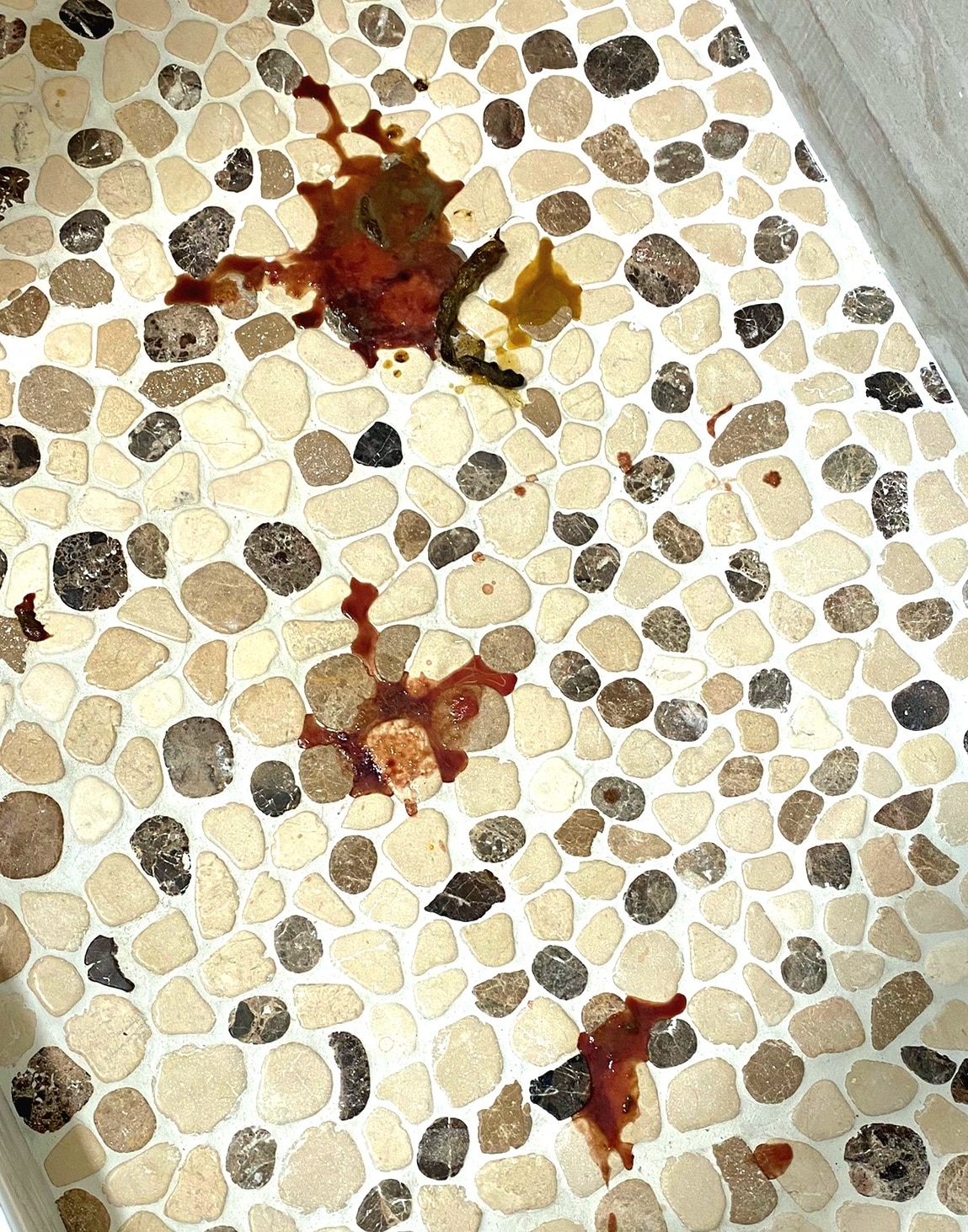
Image Source: image.petmd.com
Fathoming the Types of Blood in Dog Stool
When a dog has blood in its feces, it usually shows up in two main ways. Knowing the difference helps your vet figure out the problem faster.
Bright Red Blood in Dog Poop (Hematochezia)
This is often called hematochezia in dogs. When you see bright red blood in dog poop, it means the bleeding is happening low down. This usually means the blood is coming from the colon, rectum, or anus. It looks fresh because it hasn’t had time to mix or change color during the trip through the digestive tract.
Common reasons for this include:
- Inflammation in the lower gut.
- Anal gland issues.
- Straining hard during bowel movements.
- Small tears near the rear end.
Dark Tarry Stools in Dogs (Melena)
If the stool is black, sticky, and looks like tar, this is called melena. This is often much more worrying. Dark tarry stools in dogs mean the blood has been digested. This shows bleeding is happening higher up in the stomach or small intestine. The black color comes from the iron in the blood breaking down.
Melena can signal serious issues like:
- Stomach ulcers.
- Ingestion of foreign objects that cause internal cuts.
- Bleeding disorders.
Common Dog Bloody Stool Causes
Many things can lead to blood showing up in your dog’s waste. Some are minor fixes. Others need immediate medical care. We will explore the main dog bloody stool causes.
Dietary Issues and Sudden Food Changes
Sometimes, the simplest answer is the right one. If you recently changed your dog’s food, their gut might react badly. Some dogs cannot handle rich foods or things they sneak off the counter. Eating something sharp, like a small bone fragment, can cause minor scrapes leading to bright red streaks.
Intestinal Parasites
Parasites are a very common reason for diarrhea with blood, especially in younger dogs. Worms irritate the lining of the intestines.
Common culprits include:
- Hookworms: These latch onto the intestinal wall and suck blood.
- Whipworms: These cause inflammation in the large bowel, leading to bloody stools.
- Coccidia and Giardia: These single-celled protozoa cause severe watery diarrhea, often bloody. This is one of the main causes of bloody diarrhea in puppies.
Infectious Diseases
Severe infections can damage the intestinal lining rapidly. Parvovirus is a major concern for puppies and unvaccinated dogs. It causes severe, often bloody, vomiting and diarrhea. Other bacterial infections, like Salmonella or Clostridium, can also cause serious gut inflammation.
Inflammatory Bowel Disease (IBD)
IBD is a chronic condition. It causes long-term swelling and irritation in the dog’s gut lining. Dogs with IBD often have recurrent episodes of soft stool or diarrhea, sometimes with mucus or blood. The dog stool consistency with blood in IBD is often soft or liquid.
Stress and Changes in Routine
Dogs are sensitive creatures. A big move, a new pet, or even a loud thunderstorm can cause stress colitis. This is inflammation of the colon due to stress. It often causes the dog to pass small amounts of mucus and bright red blood, usually right after they seem stressed.
Anal Gland Problems
If the bleeding is only a few drops mixed with stool or on the tissue paper after a bowel movement, check the anal glands. These small sacs near the rectum can get infected, impacted, or rupture. This releases blood and pus, which gets mixed with the stool.
Foreign Bodies or Toxins
If a dog eats something sharp—like a plastic toy piece or a sharp bone—it can cut the digestive tract. Similarly, some toxins or medications can severely ulcerate the stomach lining, leading to internal bleeding and dark, tarry stools.
The Urgent Factor: When to Worry About Blood in Dog Stool
Not all blood is an emergency, but knowing when to worry about blood in dog stool is vital for your pet’s safety.
If you notice any of the following signs alongside the blood, treat it as an emergency and go to the vet now:
- Lethargy or extreme weakness.
- Pale gums (this shows severe blood loss).
- Vomiting, especially if it contains blood.
- Bloody diarrhea that lasts more than 24 hours.
- The dog seems to be in severe pain when trying to go to the bathroom.
- The stool is black and tarry (melena).
| Symptom Presentation | Likely Location of Bleeding | Urgency Level |
|---|---|---|
| Bright red streaks on firm stool | Lower colon/Rectum/Anus | Low to Moderate (Monitor closely) |
| Profuse, watery, bloody diarrhea | Colon/Small Intestine | High (Vet visit needed within hours) |
| Black, sticky, tar-like stool (Melena) | Stomach or Upper Small Intestine | Very High (Immediate Emergency) |
| Blood mixed with mucus | Severe Colitis/Infection | Moderate to High |
Medical Approaches to Dog Diarrhea with Blood Treatment
If your vet confirms the presence of blood, they will focus on two main areas: stopping the bleeding and treating the cause. Dog diarrhea with blood treatment depends heavily on the diagnosis.
Diagnosis Steps
Your veterinarian will likely perform several tests:
- Physical Exam: Checking the anal glands and feeling the abdomen.
- Fecal Flotation/Smear: Looking for parasites under the microscope.
- Blood Work: Checking for anemia (low red blood cell count) or signs of infection.
- Imaging (X-rays or Ultrasound): To look for foreign bodies or changes in organ size.
- Endoscopy: For severe or chronic cases, a camera might be used to look directly at the intestinal lining.
Treatment Options
Treatment ranges widely based on what they find:
- For Parasites: Specific deworming medications will be prescribed.
- For Dietary Indiscretion: A bland diet (like boiled chicken and rice) for several days usually settles the gut.
- For Severe Infections (like Parvo): Aggressive supportive care, IV fluids, and anti-nausea medications are necessary.
- For IBD: Long-term management involves prescription diets, probiotics, and sometimes steroids or immune-suppressing drugs.
For acute, severe bleeding, veterinarians might use medications to help firm up the stool or medications that protect the gut lining if ulcers are suspected.
Home Care and Management Strategies
While you wait for your vet appointment, or if the bleeding is very minor (a few tiny red specks on firm stool), you can try supportive care. However, never rely on home remedies for dog blood in stool if the bleeding is heavy or persistent.
Bland Diet Introduction
The goal is to rest the inflamed bowel.
- Stop Regular Food: Remove the dog’s regular food for 12 to 24 hours (only if the dog is otherwise healthy and not a puppy). Puppies should not be fasted.
- Start Bland Feeding: Feed small amounts (about 1/4 of the normal daily total) several times a day. Use boiled, skinless, boneless chicken or lean ground beef mixed with plain white rice.
- Slow Transition Back: After two or three days of normal stool, slowly mix the regular food back in over five to seven days.
Hydration is Key
Diarrhea causes fluid loss. Make sure your dog has constant access to fresh, clean water. If they are not drinking or are vomiting, this requires immediate vet attention.
Probiotics
Adding a canine-specific probiotic supplement can help restore healthy gut bacteria, which supports the healing of the intestinal lining. Discuss the right type and dosage with your vet.
Fathoming How to Stop Bleeding from Dog’s Rectum
If the bleeding seems localized to the very end, meaning you are seeing fresh blood after defecation, you might wonder how to stop bleeding from dog’s rectum.
If the cause is external, like straining or a small anal tear from hard stool:
- Soften the Stool: Use canned pumpkin (plain, not pie filling) or a vet-approved stool softener to make movements easier.
- Warm Water Soaks (Sitz Bath): For minor irritation around the rear, a shallow tub of warm water for 10 minutes a few times a day can soothe the area and encourage better muscle relaxation during defecation. Do not use soap or chemicals.
If the bleeding is internal, stopping it requires medical intervention. Medications that support clotting or protect the gut lining are needed, and these must be prescribed by a veterinarian. Never give human medication like aspirin, as it worsens bleeding.
Addressing Bloody Diarrhea in Puppies
Puppies have much weaker immune systems. Causes of bloody diarrhea in puppies are often more aggressive, and dehydration happens much faster.
Key concerns for puppies include:
- Parvovirus: This is the most critical concern. It must be ruled out immediately.
- Parasites: Puppies often carry a heavier parasite load.
- Early Weaning Stress: Sudden changes are harder on them.
If a puppy has diarrhea mixed with blood, even if they look active, they need urgent veterinary assessment, likely including Parvo testing and fluid therapy.
Readability Check and Word Usage
We have focused on clear, direct language. Sentences are short. We avoided jargon where possible. Words like “hematochezia” are used once and then explained clearly as “bright red blood.” This keeps the information accessible to all pet owners.
Frequently Asked Questions (FAQ)
Q: Is it okay to wait one day to see if the blood in my dog’s stool goes away?
A: Generally, if the blood is bright red, minor (just streaks), and your dog is eating, drinking, and acting normally, you can try a bland diet for 24 hours and call your vet the next morning. However, if the blood is dark (tarry), heavy, or your dog is acting sick, do not wait. Go to the emergency clinic immediately.
Q: Can stress cause my dog to poop pure blood?
A: Yes, stress can cause a condition called stress colitis. This is inflammation of the large intestine due to stress. It usually causes the dog to pass small amounts of bright red blood, often mixed with clear mucus. It usually resolves once the stressor is removed or managed.
Q: What is the difference between straining to poop and having an itchy bottom?
A: Straining (tenesmus) means the dog feels like it needs to pass stool but cannot pass much, or it hurts. This can cause rectal bleeding from irritation. An itchy bottom is often related to anal gland problems or allergies, which might cause the dog to lick excessively, leading to minor external bleeding, sometimes mistaken for bloody stool.
Q: What is the best home remedy for mild blood in dog stool?
A: The best supportive home remedies for dog blood in stool, provided the bleeding is minor and the dog is otherwise well, involve two things: 1) Resting the gut with a bland diet (boiled chicken/rice) for a few days, and 2) Ensuring high hydration. Always consult your vet before starting any long-term home treatment.