
Yes, it is common for a dog coughing after drinking water. This usually happens because a small amount of water goes down the wrong pipe, leading to irritation or a momentary blockage, often resulting in a mild cough, sputtering, or even a reverse sneezing dog after water episode.
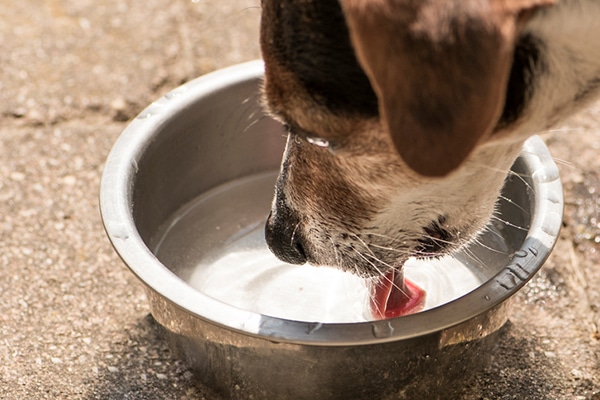
Image Source: www.dogster.com
Fathoming the Momentary Cough: Simple Causes
When your dog drinks water too fast or gets distracted, things can go slightly awry in the swallowing process. Most of the time, this is not serious. It is simply the body’s way of clearing the airway.
Rapid Consumption and Excitement
Dogs often drink with great enthusiasm, especially after exercise or a long time without water. This speed is a primary culprit.
Gobbling Water Too Fast
If a dog gulps water quickly, it can overwhelm the normal swallowing mechanism. The trachea (windpipe) and the esophagus (food pipe) are very close. Sometimes, a splash of water enters the trachea instead of the esophagus.
- The body reflexively coughs to expel the liquid.
- This is the simplest explanation for why does my dog cough after drinking.
Excitement and Distraction
A dog that is very excited while drinking might also cough. They may lift their head suddenly, or their breathing might not sync well with their swallowing. This brief lack of coordination causes irritation.
Minor Throat Irritation
Sometimes, the cough is a direct result of dog throat irritation after drinking.
Temperature Sensitivity
Extremely cold water can sometimes cause a minor spasm or irritation in the throat lining of sensitive dogs. It is a brief shock to the system, triggering a small cough.
Residue in the Water Bowl
Less commonly, if the water bowl has some dust, debris, or even slight biofilm buildup, swallowing these particles along with the water can trigger the cough reflex. This often looks like causes of dog gagging after water.
When the Cough Signals Something Deeper: Medical Concerns
While minor coughing is usually nothing to worry about, persistent or forceful coughing after drinking water needs closer inspection. It might point toward issues affecting the throat, windpipe, or even the heart.
Water Aspiration and Pneumonia
The most serious concern when a dog coughs after drinking is dog aspirating water. Aspiration happens when liquid or foreign material enters the lungs instead of going to the stomach.
What is Canine Water Aspiration Symptoms?
Aspiration is serious. If water enters the lungs, it can lead to aspiration pneumonia. This happens because the lungs are not meant to hold water, and the foreign material causes inflammation and infection.
Signs of aspiration are usually not just one cough. They tend to be persistent or worsen after the event:
- Persistent, wet-sounding cough lasting hours or days.
- Lethargy or low energy after drinking.
- Difficulty breathing, such as rapid, shallow breaths.
- Fever.
- Loss of appetite.
If you suspect dog aspirating water, veterinary care is urgently needed.
Conditions Affecting Swallowing and Airway Function
Several medical conditions can make a dog more likely to cough or gag when drinking. These conditions affect the ability to swallow properly or keep the airway clear.
Laryngeal Paralysis
This condition affects the nerves controlling the larynx (voice box). The throat flap that normally closes tightly when swallowing might not close completely. When drinking, food or water can slip past this flap into the trachea. This causes sudden, strong choking or coughing fits—a clear case of dog choking when drinking water.
Esophageal Issues (Megaesophagus)
Megaesophagus is a serious condition where the esophagus is enlarged and floppy. It cannot push food or water down to the stomach effectively. Instead, food or water pools in the enlarged esophagus.
When the dog tries to drink quickly, the pooled contents can reflux back up, causing the dog to choke or cough heavily as the liquid hits the sensitive throat area. This can manifest as severe causes of dog gagging after water.
Tracheal Collapse
Common in smaller or older dog breeds, tracheal collapse involves a weakening of the rings that keep the windpipe open. Sometimes, the act of tilting the head down to drink or the pressure change during a deep swallow can momentarily impact the already compromised airway, leading to a harsh cough or honking sound.
Reverse Sneezing Explained
You might see your dog rapidly snorting or seeming like they are trying to suck air in through their nose forcefully right after drinking. This is often a reverse sneeze.
Distinguishing Reverse Sneezing
A reverse sneeze is not a true sneeze or a cough. It is a rapid inhalation through the nose, often caused by irritation in the back of the throat or nasal passages.
When does it happen after drinking?
- If the water tickles the back of the throat.
- If the dog inhaled some water vapor or droplets through the nose while lapping.
It sounds dramatic but is usually harmless, though it can be alarming for owners seeing a reverse sneezing dog after water.
Deciphering Risk Factors: Why Some Dogs Cough More
Certain dogs are naturally more prone to dog coughing after drinking water than others due to their physical makeup or existing health status.
Breed Predispositions
Brachycephalic breeds (flat-faced dogs) are at higher risk.
- Examples: Pugs, Bulldogs, Boxers.
- Reason: Their shortened skulls and crowded throat anatomy make swallowing coordination harder. They often drink with a lot of noise and gulping, increasing the chance of water entering the airway.
Age and Weight
- Puppies: Puppies often lack coordination and may choke or cough simply because they are learning how to drink properly.
- Senior Dogs: Older dogs might develop underlying conditions like laryngeal paralysis or general weakness that affects their swallowing muscles.
- Obesity: Excess weight can sometimes put pressure on the chest and abdomen, potentially affecting the coordination required for smooth swallowing and breathing cycles.
Underlying Respiratory Issues
Dogs with chronic conditions like asthma, bronchitis, or existing allergies may have hypersensitive airways. Even a small amount of water irritating the lining can trigger a pronounced coughing fit, worsening existing dog breathing problems after drinking.
Steps to Take When Your Dog Coughs After Drinking
What should you do immediately when you hear the cough, and what long-term changes can help prevent it?
Immediate Response Protocol
If your dog coughs immediately after drinking:
- Stay Calm: Your panic can stress your dog, making the situation worse.
- Stop Drinking: Gently guide your dog away from the water bowl for a minute or two.
- Encourage Calm Breathing: Wait for the cough to subside naturally. Do not pat their back forcefully, as this can sometimes push liquid further down if aspiration has occurred.
- Monitor: Watch closely for signs of distress (persistent coughing, blue gums, labored breathing). If these occur, seek immediate veterinary help.
Modifying Drinking Habits
You can make simple changes to reduce the likelihood of future incidents:
Slowing Down Consumption
The goal is to prevent the gulping reflex.
- Use a Larger, Shallower Bowl: Deep bowls encourage dogs to push their nose down and gulp quickly. A wide, shallow dish forces them to lap more deliberately.
- Use Ice Cubes: Putting a few large ice cubes in the water slows down the process significantly, as the dog must lick the ice or wait for it to melt slightly.
- Portion Control: If your dog drinks excessively after exercise, offer small amounts of water frequently rather than giving free access to a large bowl immediately. Wait 15 minutes after intense play before offering a full bowl.
Head Position
When possible, slightly raising the water bowl can sometimes help some dogs maintain a better angle, reducing the chance of water splashing into the larynx. Consult your vet first, as this advice varies depending on the dog’s specific issue.
Veterinary Evaluation: When to Seek Professional Help
Determining the difference between a harmless gulp reflex and a sign of dog choking reflex water or a serious illness requires professional input.
Red Flags Signaling a Vet Visit
Schedule an appointment if you notice any of the following patterns:
- The cough occurs every single time the dog drinks.
- The cough is severe, prolonged (lasting more than 30 seconds), or sounds deep and wet.
- The dog shows signs of dog breathing problems after drinking, such as retching without vomiting or noticeable effort to breathe.
- You see weight loss or repeated gagging episodes that are not simple coughs.
Diagnostic Tools Used by Veterinarians
To pinpoint the cause of dog coughing after drinking, your vet might suggest several tests:
| Diagnostic Test | Purpose | What it Helps Identify |
|---|---|---|
| Full Physical Exam | To check hydration, lung sounds, and general throat structures. | Initial assessment of dog throat irritation after drinking. |
| Chest X-Rays (Radiographs) | To view the heart size and the structure of the lungs. | Signs of fluid accumulation suggestive of aspiration pneumonia or heart issues. |
| Laryngoscopy/Endoscopy | Using a scope to directly view the larynx and esophagus while the dog is sedated. | Laryngeal paralysis or structural abnormalities in the upper airway. |
| Barium Swallow Study | The dog swallows a contrast material, and X-rays are taken as it moves. | Detailed visualization of the esophagus to diagnose megaesophagus. |
Comprehending Swallowing Mechanics and Potential Failures
To fully grasp why dog coughing after drinking water happens, it helps to know how swallowing should work.
The Normal Swallow Sequence
Swallowing is a precise, rapid sequence of muscle movements:
- Oral Stage: The dog laps water, and the tongue pushes the bolus (or liquid) toward the back of the mouth.
- Pharyngeal Stage: The soft palate rises to block off the nasal cavity. The larynx moves up and forward, and the epiglottis (the protective flap) folds over the trachea opening.
- Esophageal Stage: The muscles of the esophagus contract rhythmically (peristalsis) to push the water down into the stomach.
Failures in Coordination
When a dog coughs, it means that during step 2, the epiglottis did not close perfectly, or the larynx moved incorrectly. Water splashed into the trachea, triggering the protective cough reflex. This is the body’s emergency procedure to prevent canine water aspiration symptoms.
If this happens occasionally, the reflex is strong and works well. If the reflex is weak (as in some neurological diseases), the risk of dog aspirating water increases dramatically.
Addressing Persistent Gagging After Water
If your dog experiences frequent causes of dog gagging after water rather than just a cough, it suggests more forceful irritation or reflux.
Ruling Out Gastrointestinal Issues
While the gagging occurs after water intake, sometimes the root cause is stomach-related.
- Acid Reflux (GERD): Stomach acid flowing back up into the esophagus can cause chronic irritation. When the dog drinks, the water may slosh around existing acid, triggering a protective gag or cough.
- Hiatal Hernias: A small portion of the stomach pushing up through the diaphragm can also contribute to reflux symptoms, making drinking uncomfortable.
In these cases, the dog is not aspirating water; they are reacting to chemical irritation from below.
The Role of Excessive Salivation
Some dogs naturally produce more saliva when excited or anticipating food/water. If this excessive saliva mixes with the water and the dog drinks too fast, the sheer volume of liquid and froth can overwhelm the throat, causing sputtering and mild choking sensations.
Managing Chronic Breathing Problems Linked to Drinking
If your dog has chronic dog breathing problems after drinking, it moves beyond simple gulping and requires in-depth medical management.
Cough Suppressants and Anti-Inflammatories
For mild, chronic irritation leading to coughing, a veterinarian might prescribe short courses of anti-inflammatory drugs to soothe the dog throat irritation after drinking. If a chronic cough component exists (like mild bronchitis), cough suppressants might be used cautiously, though only after serious conditions like heart disease are ruled out.
Nutritional Modifications for Swallowing Difficulties
If megaesophagus or laryngeal issues are confirmed, management often involves dietary changes:
- Thickening Water: For some esophageal conditions, vets recommend slightly thickening the water with a safe substance (like specialized veterinary thickeners or small amounts of unflavored gelatin). This changes the consistency of the liquid so it moves more easily down the esophagus rather than splashing into the trachea. Note: Always consult your vet before thickening your dog’s water.
- Elevated Feeding/Drinking: Always feeding or watering from a raised platform can sometimes leverage gravity to assist weak esophageal muscles.
Conclusion: Keeping Hydration Safe
For the vast majority of dog owners, a momentary cough after drinking is a brief, harmless event caused by drinking too fast. By providing water in a calmer environment and using slower delivery methods, you can usually eliminate this behavior.
However, pet owners must remain vigilant. If the cough turns into a persistent, rattling sound, or if you observe any signs of labored breathing or distress after hydration, this signals the need for immediate veterinary attention to rule out aspiration or severe underlying airway or esophageal disease. Ensuring your dog drinks calmly is key to preventing both mild irritation and serious health risks.
Frequently Asked Questions (FAQ)
Is it normal for a puppy to cough after drinking water?
Yes, it is very normal for puppies to cough after drinking water. Puppies lack the coordination that adult dogs have developed. They often try to swallow too much too fast, causing water to enter their windpipe briefly. This usually resolves as they mature.
Can heart disease cause my dog to cough after drinking?
Yes, severe heart disease (like congestive heart failure) can cause coughing, though usually, it is not only triggered by drinking water. Heart failure causes fluid backup in the lungs (pulmonary edema). If the dog overexerts itself (which drinking rapidly can mimic), or if the increased blood flow briefly stresses the system, the existing fluid can worsen, leading to coughing. Your vet will check the heart if other symptoms are present.
What should I do if my dog starts choking on water?
If your dog is actively choking (cannot breathe, frantic face), remain calm. If you can safely see the obstruction, try to gently sweep it out with your finger, keeping in mind that you might be bitten. If sweeping fails, perform the Heimlich maneuver for dogs: position your dog with its back against your chest and apply firm, upward thrusts just behind the last rib. Seek emergency veterinary care immediately afterward, even if the dog seems better, to check for injury or aspiration.
Why does my dog make a reverse sneezing noise after drinking?
A reverse sneeze after drinking is typically caused by mild irritation in the nasal passages or throat from inhaled water droplets. The dog attempts to clear this irritation by rapidly sucking air in through the nose. It sounds alarming but usually resolves within seconds on its own.