
A dog might cough for many reasons, ranging from simple irritation to serious health issues. If your dog is coughing, it could be due to allergies, kennel cough, heart problems, or even something stuck in its throat.
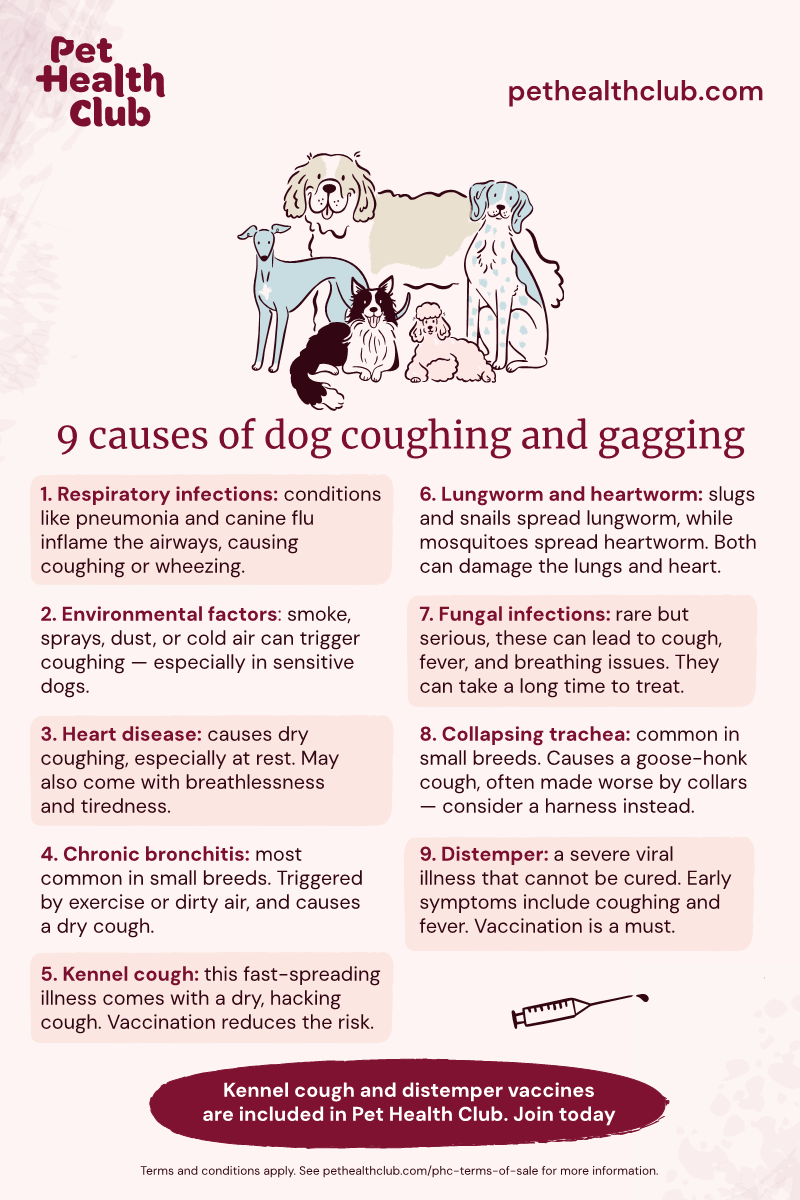
Image Source: images.ctfassets.net
Recognizing the Sound: What is a Dog Cough?
A cough in a dog is a sudden, forceful push of air from the lungs. This action tries to clear the throat or airways of mucus, fluid, or irritants. It’s the body’s way of saying something is blocking the air passage. Knowing the type of cough is the first step in finding the right treatment. Dog coughing causes are varied, so careful observation is key.
Different Sounds of Canine Coughing
Not all coughs sound the same. The sound can give vital clues to veterinarians.
- Honking Cough: Often sounds like a goose honk. This is a classic sign of kennel cough or tracheal issues.
- Wet or Gurgling Cough: Suggests fluid in the lungs, often linked to pneumonia or heart failure.
- Dry, Hacking Cough: Usually means irritation in the throat or upper airway.
- Phlegmy Cough: Indicates mucus buildup that the dog is trying to clear.
Common Causes of Dog Coughing
Many things can make a dog cough. Some are mild and clear up quickly. Others need immediate medical care.
Infectious Agents and Airborne Irritants
Infections are a frequent source of coughing fits.
Kennel Cough: A Highly Contagious Issue
Kennel cough symptoms are one of the most common reasons dogs visit the vet for a cough. This illness is highly contagious. It often spreads fast in group settings like kennels, dog parks, or training classes.
The main cause is often the bacterium Bordetella bronchiseptica. Viruses like canine parainfluenza can also play a role.
- Key Kennel Cough Symptoms:
- A sudden, dry, hacking cough.
- The cough is often triggered by excitement or exercise.
- Sometimes, the dog might retch or gag after a coughing spell.
- Mild nasal discharge can occur.
Treatment usually involves rest and sometimes antibiotics if a bacterial infection is strong. Prevention through vaccination is very effective.
Dog Respiratory Infection
A general dog respiratory infection can cause coughing. This term covers a wide range of illnesses affecting the nose, throat, and lungs. They can be bacterial, viral, or fungal.
Symptoms often overlap with other issues. They might include fever, lethargy, and loss of appetite along with the cough.
Airway Issues: The Anatomy of a Cough
Problems within the dog’s windpipe and bronchi often lead to chronic coughing.
Tracheal Collapse in Dogs
Tracheal collapse in dogs is a common condition, especially in small and toy breeds like Yorkshire Terriers and Poodles. The trachea, or windpipe, is held open by rings of cartilage. In a collapse, these rings weaken and flatten. This restricts airflow.
When the dog breathes or gets excited, the collapsed airway causes irritation, leading to a cough.
- Signs of Tracheal Collapse:
- A persistent, loud, goose-like honk.
- The cough gets worse with pulling on the collar or excitement.
- Difficulty breathing after exercise.
Management often involves weight control, avoiding strain on the neck, and sometimes medication to calm the cough reflex.
Canine Bronchitis Signs
Canine bronchitis signs involve long-term inflammation of the airways leading to the lungs. This inflammation causes the airways to swell and produce more mucus.
This condition is often chronic, meaning it lasts a long time. It’s more common in middle-aged or older dogs.
- Chronic Cough: The main sign is a persistent cough that lasts for weeks or months.
- Exercise Intolerance: The dog tires easily.
- Wheezing: Some dogs make a whistling sound when they breathe.
Veterinarians diagnose this by ruling out other causes and observing the chronic nature of the cough.
Heart and Circulatory Problems
Heart issues don’t just affect circulation; they strongly impact the lungs, causing coughing.
Heartworm Disease Dog Cough
Heartworm disease dog cough is a serious concern, particularly in warmer climates. Heartworms are parasitic worms that live in the heart and the major blood vessels leading to the lungs. As the worms die or multiply, they cause inflammation and block blood flow.
The cough associated with heartworms is often a persistent, low-grade cough. It might get worse after exercise. Early detection through blood testing is vital.
Congestive Heart Failure (CHF)
When the heart cannot pump blood efficiently, fluid can back up into the lungs. This condition is called pulmonary edema. The excess fluid irritates the lungs, triggering a cough.
- Cough Characteristics in CHF: Often a wet or moist cough.
- Timing: Worse at night or when the dog is resting quietly.
- Other Signs: Rapid breathing, exercise intolerance, and sometimes pale gums.
Allergies and Environmental Triggers
Just like people, dogs can suffer from allergies that irritate their airways.
Dog Asthma Symptoms
While true asthma is less common in dogs than humans, dogs can experience allergic airway inflammation that mimics the condition. Dog asthma symptoms usually involve wheezing and coughing after exposure to an allergen.
Common triggers include dust mites, pollen, cigarette smoke, or strong perfumes.
- Symptoms Focus: Coughing, rapid shallow breathing, and sometimes difficulty breathing (dyspnea).
Inhaled Irritants
Simple exposure to irritants can cause an acute coughing spell. This is usually short-lived.
- Dust from vacuuming.
- Smoke from fireplaces or candles.
- Strong chemical cleaners or air fresheners.
Foreign Bodies and Structural Issues
Sometimes, the cause is physical blockage or abnormality.
Swallowing Something Wrong
If a dog inhales food, a piece of a toy, or liquid too quickly, it can cause a strong coughing fit as the body tries to expel the foreign object. This often starts suddenly and sounds severe.
Laryngeal Paralysis
This condition means the muscles controlling the voice box (larynx) do not work well. The larynx doesn’t open wide enough when the dog breathes in. This can lead to choking sounds and coughing as air struggles to pass. It is more common in older, large breed dogs.
Deciphering the Cough: When to Seek Veterinary Help
One of the most important questions owners ask is, when to worry about dog cough. Not every cough needs an emergency room visit, but some signs signal serious trouble.
Immediate Emergency Signs
If you see any of the following, seek veterinary care right away:
- Blue or Pale Gums: This means the dog is not getting enough oxygen.
- Difficulty Breathing: If the dog is gasping, using its belly muscles heavily to breathe, or if breathing seems very fast and shallow even when resting.
- Coughing Up Blood: Any sign of blood mixed with the mucus is alarming.
- Collapse or Fainting: This suggests severe oxygen deprivation or a major heart issue.
When a Routine Vet Visit is Necessary
Schedule a non-emergency appointment if:
- The cough lasts longer than a week without improvement.
- The cough interrupts sleep frequently.
- The dog seems generally unwell, tired, or loses its appetite along with the cough.
- The cough sounds “wet” or productive.
Treatment Approaches for Canine Coughs
Treatment for a cough depends entirely on the underlying cause. A veterinarian must perform a proper diagnosis first.
Diagnosing the Cough
Diagnosis involves several steps:
- History Taking: The vet will ask about the cough’s sound, duration, and what makes it worse.
- Physical Exam: Listening carefully to the heart and lungs (auscultation).
- Chest X-rays: These are crucial to check the heart size and look for fluid or masses in the lungs.
- Bloodwork and Heartworm Test: To rule out systemic infections or heartworm disease.
Medical Interventions
Depending on the findings, treatment might include:
| Condition Identified | Common Treatment Strategy |
|---|---|
| Bacterial Infection (e.g., severe Kennel Cough) | Antibiotics |
| Inflammation (e.g., Bronchitis) | Anti-inflammatories or Cough Suppressants |
| Heart Disease | Diuretics (to remove fluid) and heart medication |
| Allergies/Asthma | Antihistamines or steroids |
Dog Persistent Cough Remedies and Home Care
For chronic coughs where serious underlying disease has been managed or ruled out, supportive care helps manage symptoms. These should always supplement, not replace, veterinary advice.
Managing Environment
Reducing irritants is key to treating many coughs.
- Switch from a collar to a harness for walks. This reduces pressure on the trachea.
- Use an air purifier to cut down on dust and allergens in the home.
- Avoid smoking or using strong sprays near your dog.
Humidifying the Air
Dry air can severely irritate inflamed airways. Using a humidifier, especially near where the dog sleeps, can soothe the throat. Some owners place the dog in a steamy bathroom for 10-15 minutes, similar to a steam treatment for humans.
Hydration
Keeping your dog well-hydrated helps keep mucus thin, making it easier to clear if the cough is productive. Ensure fresh water is always available.
Addressing Specific Conditions and Related Terms
Let’s look closer at ways specific problems manifest as coughing.
Fathoming Canine Bronchitis Details
Canine bronchitis signs often worsen over time if untreated. Inflammation causes the muscles around the bronchi to tighten (bronchospasm). This narrows the airway even further.
Vets look for chronic inflammation signs on X-rays, such as thickened airway walls. Medications like theophylline or terbutaline can help relax these muscles, making breathing easier and reducing the coughing reflex.
Reverse Sneezing in Dogs
It is important to differentiate a true cough from a reverse sneezing in dogs. A reverse sneeze is not a cough. It is a rapid, forceful inhalation of air through the nose.
It sounds startling—like the dog is choking or snorting loudly. This usually happens when the soft palate or throat is irritated. While alarming, it is usually harmless and passes quickly. Often, gently massaging the dog’s throat or covering its nose briefly can stop an episode.
Caring for Chronic Cough
If a dog develops a long-term cough, the focus shifts to quality of life. Dog persistent cough remedies often involve a mix of prescription drugs and lifestyle adjustments.
For elderly dogs with heart-related coughs, medications that reduce fluid buildup are paramount. For collapsing trachea, weight loss is often the most effective tool to reduce the physical burden on the neck and chest.
Risk Factors and Prevention
Some dogs are naturally more prone to coughing issues than others.
Breed Predispositions
Certain breeds are genetically predisposed to specific airway problems:
- Small Breeds: Prone to tracheal collapse (Yorkies, Maltese, Pomeranians).
- Brachycephalic Breeds: Flat-faced breeds (Pugs, Bulldogs) often cough due to poor airway conformation, making them prone to overheating and respiratory distress.
- Large Breeds: Sometimes more prone to heart disease that leads to fluid in the lungs.
Vaccination and Health Checks
The best way to prevent infectious causes like kennel cough is vaccination. Regular wellness checks allow vets to catch early signs of heart disease or airway issues before they become severe enough to cause constant coughing. Catching issues early vastly improves the outlook for your pet.
Frequently Asked Questions (FAQ)
Why is my dog coughing so much at night?
A cough that worsens at night is often related to fluid accumulation due to heart issues (Congestive Heart Failure). When the dog lies flat, fluid shifts easily into the lower parts of the lungs. Alternatively, it can be due to severe airway irritation that is more noticeable in a quiet environment when nothing else is distracting the dog.
Can dogs get COVID-19 and cough?
Yes, dogs can contract SARS-CoV-2 (the virus that causes COVID-19), though infections are usually mild. If they do show symptoms, coughing and sneezing are possible, similar to humans. However, respiratory symptoms in dogs are far more frequently caused by canine-specific viruses or bacteria like those causing Kennel Cough.
Is a single cough always serious?
No. A single cough might just mean your dog inhaled dust, ate too fast, or has a tickle in its throat. However, if that single cough is followed by distress, gagging, or excessive difficulty breathing, it needs immediate attention. Consistent coughing always warrants a vet check.
How long does a cough from Kennel Cough last?
If uncomplicated, a kennel cough usually lasts between 5 to 10 days. If the cough persists beyond two weeks, it might indicate that a secondary bacterial infection has developed, or the initial diagnosis was incorrect, and a deeper issue like bronchitis is present.