
What toys can I put in a dog crate for a chewer? You should put durable chew toys for crates that are safe, sized correctly, and engaging enough to keep your dog busy without falling apart quickly. Choosing the right items is vital because aggressive chewers can quickly destroy soft toys, potentially swallowing pieces and causing serious health issues. This guide will help you select the best, safest items to keep your powerful chewer happy and occupied while in their crate.
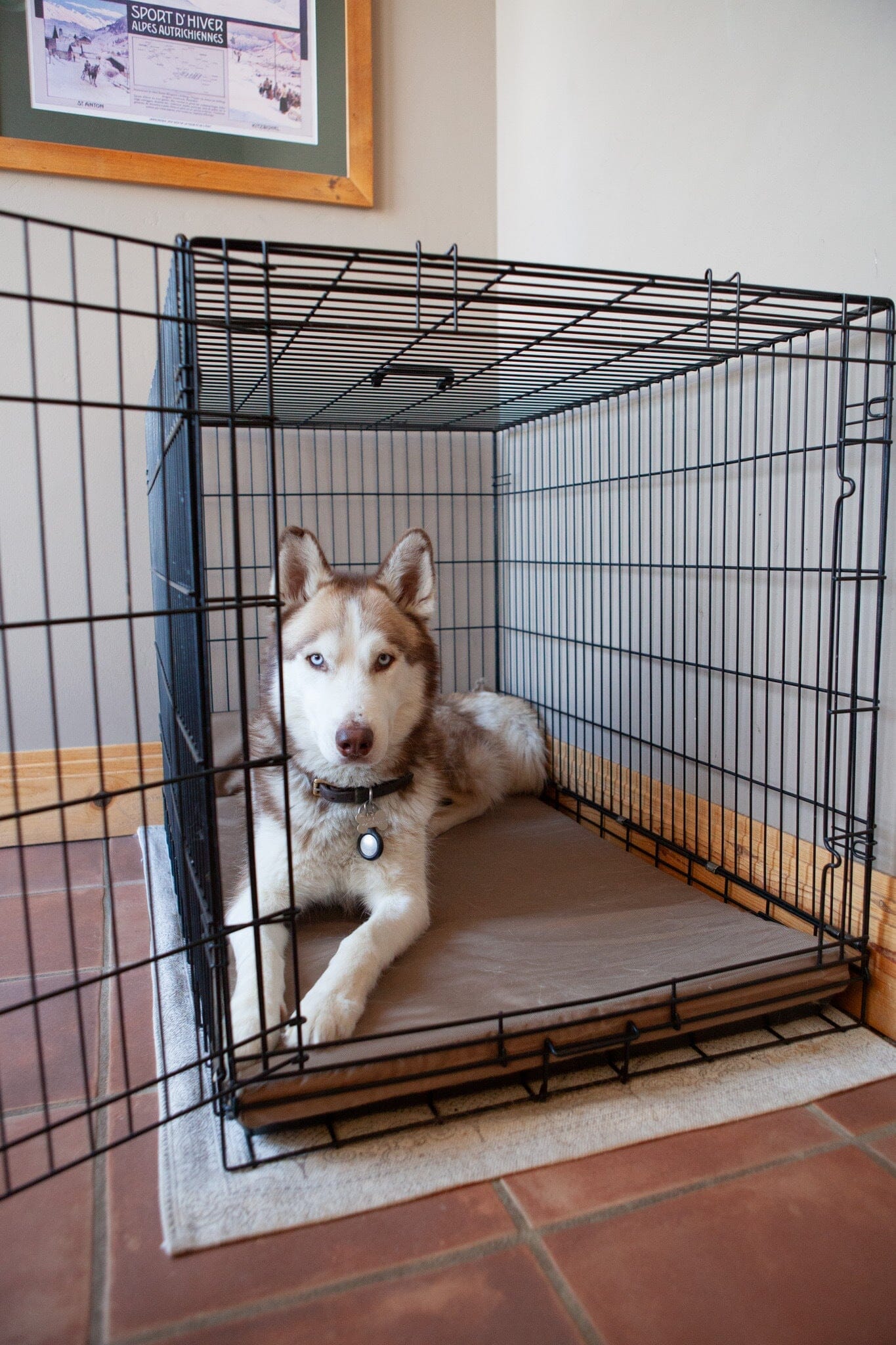
Image Source: bullybeds.com
Why Proper Crate Toys Matter for Strong Chewers
Dogs chew for many reasons. It is a natural behavior. Puppies explore the world with their mouths. Adult dogs relieve stress or fight boredom. When a dog is crated, they need safe outlets for this strong urge. If they don’t have good options, they turn to things they shouldn’t—like the crate bars, bedding, or even themselves.
Providing the right items is key to crate training success. It turns the crate from a place of confinement into a safe den full of rewarding activities. Finding indestructible dog crate toys is often the goal, though true indestructibility is rare. The aim is finding items that last a long time.
Safety First: Assessing Chew Risk
Before putting anything in the crate, you must check it carefully. Safety is the most important step, especially with dogs that chew hard. Small pieces are dangerous. If a toy breaks apart easily, it is a choking hazard.
Simple Safety Checks
- Size Matters: The toy must be too large to fit entirely into the dog’s mouth. If they can wedge the whole thing down their throat, it is too small.
- Durability Test: Squeeze the toy. Can you pull off a piece easily with your bare hands? If yes, a determined chewer will destroy it fast.
- Material Check: Avoid soft plastics, squeakers that can be easily removed, and toys filled with stuffing that can be ingested.
Deciphering Chew Styles: Know Your Dog
Not all chewers are the same. Some are “power chewers.” Others are “nibblers.” Crate toys for aggressive chewers need to be much tougher than toys for light chewers.
| Chew Style | Description | Toy Preference |
|---|---|---|
| Power Chewer | Destroys most toys quickly; focuses on ripping and breaking. | Hard rubber, nylon bones, heavy-duty puzzle toys. |
| Medium Chewer | Enjoys chewing but takes time to wear down toys. | Very durable rubber, natural chews (like yak cheese). |
| Nibbler/Licker | Prefers gentle gnawing or licking surfaces. | Softer rubber (but still tough), lick mats, teething toys (for puppies). |
If you have a power chewer, you need to focus on the toughest options available. These are often labeled as tough chew toys for crate time.
The Best Types of Durable Chew Toys for Crates
When selecting items for crate time, we look for materials that can handle serious gnawing. These items offer mental stimulation alongside physical release. They are often the best dog crate boredom busters for chewers.
Hard Rubber Toys
These are often the gold standard for strong chewers. High-quality, heavy-duty rubber toys are designed to withstand significant force.
- Hollow Core Fillable Toys: Think of classics like the KONG Extreme (black rubber). These are fantastic because you can fill them with safe pastes, peanut butter, or even kibble mixed with yogurt. Freezing them makes the experience last much longer, offering great enrichment for crate chewers.
- Tire-Shaped or Ring Toys: Look for thick, solid rubber rings. Make sure there are no small parts that can break off.
Tough Nylon Bones
Nylon chews are excellent for dogs who like the feel of shredding something. They wear down slowly, creating small, rice-sized pieces that are generally passed safely (though always monitor the first few uses).
- Flavor Infusion: Many nylon bones come flavored. This helps keep the dog interested for longer sessions.
- Ergonomic Shapes: Shapes that are easy for the dog to hold while chewing are preferred.
Edible, Long-Lasting Chews
These are items designed to be slowly consumed. They satisfy the deep need to chew and eat at the same time. Always supervise the first time a dog gets a new edible chew until you are sure they won’t try to swallow it whole. These are excellent long-lasting dog crate chews.
- Yak Cheese Chews (Himalayan Chews): These hard cheese chews last for days or weeks, depending on the dog. When they get small, you can microwave the remaining nub to puff it up into a safe, crunchy treat.
- Dental Chews (Specific Durable Types): Some dental sticks are made from very hard starches or dense fibers meant to last longer than standard soft dental treats.
- Bully Sticks (Used Cautiously): While highly enticing, bully sticks need careful monitoring. If your dog tries to swallow the last small bit, remove it. You can use a specific holder designed to grip the end of the stick safely.
Puzzle Toys for Engagement
Using food-dispensing toys is one of the best ways to provide enrichment for crate chewers. It turns chewing into a thinking game.
- Slow Feeders/Dispensers: Toys that require rolling, licking, or manipulation to release kibble or small treats keep the dog occupied for extended periods. The mental work tires them out almost as much as the physical chewing.
Toys to Avoid in the Crate for Aggressive Chewers
Just as important as knowing what to put in is knowing what to keep out. For dogs in crates, the risk of ingestion is higher because there are no distractions other than the items you provide.
Never Crate These Items:
- Rawhide: Rawhide often swells up in the stomach when wet, creating a blockage risk. It can also become gummy and tear off in large sheets.
- Soft Toys with Stuffing or Squeakers: These are designed to be destroyed. A dog can easily pull out stuffing, which is a major intestinal obstruction risk. Squeakers are choking hazards once removed.
- Toys with Small, Detachable Parts: Anything with plastic eyes, bells, or small knobs that can be chewed off must stay out of the crate.
- Cooked Bones: Cooked bones splinter easily into sharp shards that can puncture the digestive tract.
Choosing the Best Chew Toys for Puppy Crate Time
Puppies have different needs than adult dogs. Their teeth are changing, and they need softer, teething-friendly options alongside some durable items for when they start showing adult chewing tendencies.
When looking for the best chew toys for puppy crate, focus on safe teething relief and early training tools.
- Freezable Teething Toys: Rubber toys that can be slightly dampened and frozen offer soothing relief for sore gums.
- Rope Toys (Used with Caution): A sturdy, thick rope toy can be good for supervised play, but never leave a puppy alone with a rope toy in the crate. They can easily unravel the threads and swallow long strands, which causes dangerous linear blockages. Once the toy frays, remove it immediately.
- Puppy-Specific Rubber: Use rubber designed for puppies (usually slightly softer than the black “extreme” versions) until they lose all their baby teeth.
Utilizing Safe Crate Chew Deterrents
Sometimes, the problem isn’t a lack of toys, but that the dog prefers chewing the crate itself (bars, plastic trays, or bedding). In these cases, safe crate chew deterrents can be useful alongside appropriate toys.
Taste Deterrents
These sprays or gels have an extremely bitter taste. They are non-toxic. You apply them to surfaces you want the dog to stop chewing, like metal bars or the plastic tray.
- How to Use: Spray the crate surface lightly. Let the dog investigate. If they chew, the bad taste teaches them quickly that the crate is not tasty.
- Important Note: You must always provide an acceptable alternative toy when using deterrents. The dog needs something good to chew instead of the crate.
Physical Barriers
If the dog is chewing the door latch or bars, consider physical modifications:
- Anti-Chew Crate Liners: These are heavy-duty fabric or thick vinyl mats specifically designed to resist chewing. They cover the floor or sides of the crate. Make sure any liner you buy is advertised as “chew-resistant” and that your dog cannot easily tear off and swallow large pieces of the liner itself. These are often listed as anti-chew crate liners.
Making Crate Time an Enrichment Experience
The goal is not just survival; it is enrichment. A crate should be a reward zone. If you only give your dog a standard, boring toy when they go in the crate, they will associate the crate with boredom.
Strategies for Long-Lasting Engagement
- The “Special” Crate Toy Rule: Designate one or two extremely high-value, long-lasting chews that the dog only gets when they are in the crate. This makes crate time highly anticipated. Rotate these special toys to keep them novel.
- Make Them Work For It: Stuffing a toy with a small amount of their regular meal (kibble soaked in water or low-sodium broth) makes the toy last longer as they lick out the contents. Freezing it adds 30–60 minutes to the activity.
- Vary the Texture: Offer different sensory input. A hard nylon bone one day, a frozen rubber food toy the next, and a hard cheese chew the day after. This variety keeps the chewing behavior engaged.
Table: Toy Selection Guide for Crate Chewers
This table summarizes ideal choices based on material and purpose.
| Toy Category | Ideal Material | Purpose | Chewer Type Best For |
|---|---|---|---|
| Fillable Toys | Black Rubber (Extreme) | Extended mental work and chewing satisfaction. | Power & Medium Chewers |
| Solid Nylon Chews | Hard Polymer Nylon | Satisfying the need to grind and shred material slowly. | Medium & Power Chewers |
| Edible Chews | Hardened Cheese, Yak Milk | Long-lasting treat satisfaction. | All Chewers (with supervision) |
| Puzzle Dispensers | Hard Plastic or Thick Rubber | High mental engagement; dog crate boredom busters for chewers. | All Chewers |
| Surface Protection | Heavy-Duty Vinyl/Fabric | Stopping chewing on crate structure. | Extreme Chewers |
Assessing Toy Longevity and Replacement
Even the toughest toys wear down. Monitoring the state of your dog’s durable chew toys for crates is essential for ongoing safety.
When to Retire a Toy
- Excessive Chunk Loss: If the toy is missing large chunks or the dog is consistently ingesting large pieces rather than just small shavings (for nylon), it is time to toss it.
- Cracks and Fissures: Deep cracks in rubber or plastic toys can trap bacteria or create weak points where the toy can break suddenly.
- Loss of Shape: If a bone or toy is chewed down to a size that could potentially fit in the mouth, discard it.
Remember, even if a toy is marketed as indestructible dog crate toys, no toy lasts forever under the pressure of a dedicated chewer. Regular inspection prevents accidents.
Common Mistakes People Make With Crate Chewers
Many owners accidentally set their chewers up for failure or frustration. Avoiding these pitfalls improves crate experience significantly.
Mistake 1: Using Toys as Punishment
If you only give the best toys when the dog goes into the crate, the dog may start to resent the crate because the “reward” only comes with confinement. Toys should be given throughout the day sometimes, but the most special items should be reserved for crate time.
Mistake 2: Not Matching Durability to the Dog
Giving a medium-duty toy to a power chewer is a waste of money and a safety risk. If a toy lasts less than 15 minutes for your dog, you need to upgrade to a tougher category, such as seeking out toys specifically labeled for crate toys for aggressive chewers.
Mistake 3: Over-Reliance on Edibles
While long-lasting dog crate chews are great, they should not be the only thing offered. Dogs need non-consumable items to work their jaws and satisfy the need to gnaw without the pressure of consumption. Rotate between edible and non-edible items.
Mistake 4: Forgetting Supervision Initially
When introducing a new type of toy, especially an edible one or a new puzzle toy, watch the first few sessions. This is how you confirm that the toy is appropriate and that the dog is using it safely, especially crucial when buying best chew toys for puppy crate.
Conclusion: Building a Safe Chewing Routine
Successfully stocking a crate for a heavy chewer requires thoughtful selection, strict adherence to safety rules, and consistency. By focusing on durable chew toys for crates, rotating high-value items, and perhaps using safe crate chew deterrents on inappropriate targets, you create a secure and engaging den environment. The right tough chew toys for crate time transform frustration into focused, safe activity, making crate time a positive experience for everyone.
Frequently Asked Questions (FAQ)
Are soft rubber toys safe for a crate if my dog is a power chewer?
Generally, no. Soft rubber can be torn apart easily by a power chewer, creating large pieces that pose a choking hazard. For power chewers, you must stick to the firmest, thickest rubber compounds, usually those labeled “Extreme” or “Heavy Duty.”
Can I leave bully sticks or raw bones in the crate overnight?
It is best to avoid leaving any consumable chew unsupervised for long periods, especially overnight. If a dog breaks off a large piece of a bully stick or bone, it can cause choking or blockage while you are asleep. For crate time when you cannot supervise, stick to very hard, non-consumable items like solid nylon or extreme rubber toys.
What should I do if my dog chews on the crate bars?
If your dog chews the bars, immediately use a taste deterrent spray (like Bitter Apple) on the bars. Simultaneously, provide an exciting, high-value long-lasting dog crate chew the moment they are placed in the crate. You must teach them that the bars taste bad and the toy tastes great.
Are puzzle toys too complex for a dog to use in a crate?
No, puzzle toys are fantastic dog crate boredom busters for chewers! They provide excellent mental stimulation. Just ensure the puzzle toy itself is made of durable, heavy-duty material that cannot be broken apart by aggressive chewing, and start with simpler puzzles until you know how your dog interacts with them.
How often should I replace my dog’s tough chew toys?
Inspect toys weekly. Replace them as soon as you see significant degradation, deep cracks, or if the toy has been chewed down to a size that could be swallowed. Even indestructible dog crate toys have a lifespan depending on the intensity of chewing.