
When planning a trip, many pet owners ask: What is the most important thing to pack for dog boarding? The most crucial item is enough of your dog’s regular food to last the entire stay, along with any necessary medications. Sending your dog off for a stay, whether at a professional facility or with a trusted friend, requires careful planning. Making sure you bring the right essential dog boarding supplies helps your dog stay happy, healthy, and comfortable while you are away. This comprehensive guide will walk you through every item you need for a smooth, stress-free boarding experience.
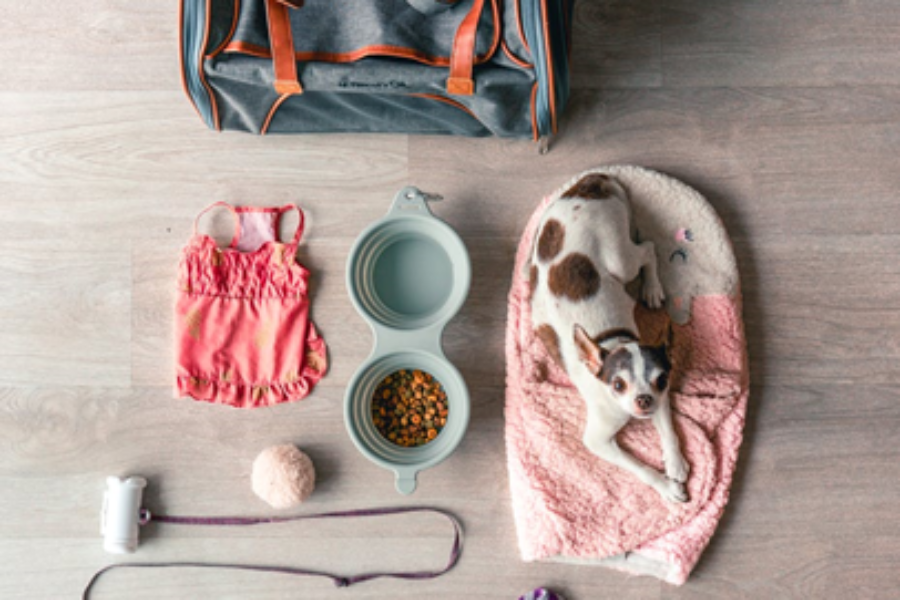
Image Source: twpethotel.com
Why Packing the Right Items Matters
Your dog relies on routine. When routines change, stress can increase. Sending your dog to a new place, like a dog hotel or with a dog sitter packing list, can be scary for them. Bringing familiar things from home helps bridge that gap. It provides comfort and security. A well-packed bag minimizes the chance of forgotten necessities, like critical medications or favorite toys. This preparation is key to preparing dog for boarding successfully.
The Complete Dog Boarding Checklist
Creating a detailed dog boarding checklist ensures you do not leave anything important behind. We break down the supplies into key categories: Food and Health, Comfort and Safety, and Fun and Entertainment.
Food and Health Necessities
Diet is vital for your dog’s well-being. Changes in food can cause stomach upset. Therefore, bringing your dog’s usual diet is a top priority.
Dog Boarding Food and Treats
Never assume a facility will have your specific brand, especially if your dog has allergies or a sensitive stomach.
- Regular Food: Bring enough for the whole trip, plus one or two extra days, just in case. Pack it in an airtight container with clear labels showing feeding instructions.
- Special Diet Items: If your dog eats raw, home-cooked, or prescription food, this is non-negotiable. Discuss storage needs (freezer space, refrigeration) with the boarding location beforehand.
- Treats: Small, high-value treats are great for training reinforcement or rewarding good behavior. If the facility uses treats for positive reinforcement, sending your preferred ones is best. Be sure to specify any allergy concerns related to treats.
- Chews and Dental Aids: Long-lasting chews can keep a dog busy during quiet times, like items for overnight dog stay in their kennel.
Medication and Health Records
This section covers essential medical dog boarding necessities. Accuracy here is critical for safety.
- Prescription Medications: Bring medications in their original, labeled bottles. Include clear written instructions on dosage and timing. Never rely on the facility to have these unless it is a specialized medical boarding center.
- Supplements: Any vitamins or joint supplements your dog takes daily.
- Veterinary Records: A copy of recent vaccination records (especially rabies and Bordetella) is often required by boarding facilities.
- Emergency Contact Sheet: Include your contact information, your veterinarian’s name and number, and the contact details of an emergency backup person who can make decisions if you are unreachable.
| Item | Amount to Pack | Notes |
|---|---|---|
| Regular Kibble | Enough for trip + 2 days extra | Airtight container recommended. |
| Wet Food (if applicable) | Daily portions pre-measured | Check storage needs with the facility. |
| Treats | Small bag | Ensure they are appropriate for the facility’s rules. |
| Medications | Original bottles with full dosage info | Must be clearly labeled. |
Comfort and Safety Items
Creating a familiar environment helps reduce separation anxiety. These essential dog boarding supplies focus on security and daily care.
Bedding and Comfort
The scent of home is very comforting to a dog.
- Bed or Crate Pad: Bring your dog’s favorite bed. A familiar scent helps them settle faster. Check the facility’s policy; some may prefer you bring only blankets due to hygiene policies.
- Favorite Blanket: A small, washable blanket that smells like home can be a lifesaver for anxious dogs during their items for overnight dog stay.
- Crate or Kennel Liner (If Applicable): If your dog is crate-trained, bring the items they usually sleep with.
Leashes, Collars, and Identification
Safety gear must be clearly labeled and accounted for.
- Leash and Collar/Harness: Bring at least one sturdy leash. If your dog uses a harness, bring that too.
- ID Tags: Ensure tags are securely attached and legible. Even if the facility uses their tags, your home tags provide backup identification.
- Muzzle (If Required): If your dog is required to wear a muzzle for vet visits or grooming, pack it.
- Waste Bags: While most places supply these, bringing a roll shows you are prepared for walks.
Grooming and Cleanliness
Keeping up with basic hygiene prevents skin issues and keeps the dog comfortable. This is a key part of a dog sitter packing list.
- Brushes: If your dog needs daily brushing, send the specific brush you use.
- Wipes: Pet-safe wipes are handy for quick cleanups after potty breaks or before entering the sleeping area.
- Shampoo (If Needed): If your dog needs a specific medicated shampoo or has sensitivities, bring a small bottle.
Toys and Entertainment
Boredom is a major cause of stress and destructive behavior in boarding situations. Fun items are crucial for what to pack for dog daycare or longer stays.
- Durable Toys: Pack a few favorites. Choose durable toys that cannot be easily destroyed and swallowed. Avoid overly expensive or sentimental toys that might get lost.
- Puzzle Toys or Feeders: Toys that dispense treats slowly can provide hours of mental stimulation. These are excellent for keeping dogs occupied while they settle in.
- Chew Toys: Appropriate chew items can redirect nervous energy into positive chewing habits.
When compiling your dog vacation packing guide, remember the facility might have limits on how many toys they can manage or store. Ask ahead.
Special Considerations for Different Boarding Types
The list of dog boarding necessities shifts slightly based on where your dog is staying.
Preparing Dog for Boarding at a Kennel Facility
Kennels often have set schedules, but they rely on you to provide the specifics.
- Detailed Schedule Sheet: Write down exact feeding times, medication times, and known behaviors (e.g., “Barks at strange noises at 3 AM”).
- Photo: A recent photo helps staff connect a face to the name and can be used for updates to you.
- Specific Gear for Play Areas: If the facility requires specific harnesses for playgroups, make sure you send the right one.
Items for Dog Hotel Stays
A “dog hotel” often implies more personalized service, but standard items are still required.
- Personalized Comfort Items: Since you are paying for a premium service, items that make the room feel like home—like a specific throw blanket or a favorite squeaky toy—are excellent additions to what to bring for dog hotel.
- Proof of Service Requirements: Hotels may require specific proof that the dog is house-trained or leash-trained if they offer supervised off-leash time outside the room.
Dog Sitter Packing List: In-Home Care
When your dog stays at a sitter’s house, you are essentially packing for a vacation for your dog, but within someone else’s environment.
- Clear Feeding Instructions: Sitter’s kitchens might differ. Pre-portioning meals simplifies things greatly.
- Litter Box/Potty Area Information (if applicable): If you have a puppy or senior dog that uses pads, send plenty of supplies and note where the sitter should dispose of them.
- House Rules Sheet: Detail do’s and don’ts for the sitter: “Do not let him on the couch,” or “Only use the back door for potty breaks.”
Simplifying Your Dog Boarding Food and Treats Strategy
Feeding is often the trickiest part of boarding. Poor packing here leads to sick pets.
Pre-Portioning Meals
If you are going away for a week, measuring out seven dinners into seven separate Ziploc bags saves time and prevents overfeeding or underfeeding. This is a huge help for preparing dog for boarding staff.
- Measure the required amount of dry food for one meal.
- Place it in a sturdy, labeled bag (Day 1 Dinner, Day 2 Breakfast, etc.).
- If adding wet food or toppers, place these portions separately or in the freezer section if the stay is long.
Managing Allergies and Sensitivities
Always over-communicate about food sensitivities. If your dog cannot have chicken or beef, clearly label every single item that contains that protein. Do not trust the sitter or staff to remember this complex detail throughout the entire stay. These details are key dog boarding necessities.
Safety First: Medical and Emergency Preparedness
No matter the length of the stay, ensuring rapid response in an emergency is paramount.
Veterinary Authorization and Consent
Boarding facilities require permission to seek veterinary care if you cannot be reached.
- 24-Hour Care Consent Form: Sign a form giving the facility permission to take your dog to an approved emergency clinic.
- Financial Authorization: Discuss how large bills will be handled. Most facilities require you to pay upfront or have a credit card on file for emergencies.
Items for a Smooth Transition
The goal is to minimize anxiety. What items help ease the transition from home to the boarding environment?
- Calming Aids: If your dog has a history of anxiety, discuss this with your vet. You might pack calming pheromone sprays (like Adaptil) or vet-approved natural calming chews to use upon arrival.
- Familiar Scent Items: A worn t-shirt of yours placed in their bed can work wonders for the first few nights of an items for overnight dog stay.
What NOT to Pack for Dog Boarding
Just as important as what you bring is what you leave behind. Sending too many items can overwhelm the facility, lead to lost property, or create unnecessary stress.
Avoid Overpacking Valuables
- Expensive Toys: If a favorite toy costs hundreds of dollars, leave it home. It could get damaged or lost in the shuffle of many dogs.
- Unnecessary Clothing: Unless medically required (e.g., a post-surgery suit), your dog does not need multiple sweaters or costumes. Send one warm layer if the facility is cold.
Items That Cause Confusion
- Unlabeled Food or Treats: Anything that is not clearly identified causes staff to stop caring for other dogs to investigate your item. This can lead to feeding errors.
- Retractable Leashes: Most professional facilities strictly forbid these for safety reasons during group walks or yard time.
Packing for Short Stays vs. Long Stays
The duration of your trip changes the scope of your dog boarding necessities.
Short Stays (1-3 Nights)
For a quick weekend trip, focus on the absolute basics:
- Food and treats for the duration.
- Medication (if any).
- One favorite toy or blanket.
- Leash and ID.
This simplifies the process, making it easier for the sitter or staff to manage. This is especially true for what to pack for dog daycare, where items are often dropped off and picked up the same day.
Long Stays (One Week or More)
For extended trips, routine maintenance becomes more important.
- Supply Replenishment: Plan for a mid-stay drop-off of food if the stay is over ten days. Do not pack three weeks of food unless facility storage allows it safely.
- Grooming Check-in: If the stay is long, schedule a grooming or bathing session. Pack specific grooming tools needed for that appointment. This detailed planning makes this the ultimate dog vacation packing guide.
Deciphering Boarding Facility Rules
Every location has different requirements. Ignoring these rules results in frantic last-minute trips to the store.
Questions to Ask Before Packing
Before putting together your dog boarding checklist, call the facility and ask these key questions:
- Do you supply food? (If yes, do they allow you to bring your own?)
- What are your bedding policies? (Can I bring a soft bed, or only a flat blanket?)
- Are toys allowed in the sleeping area?
- What is the procedure for administering medications?
- What information do you require for emergency veterinary releases?
Gathering this data tailors your list perfectly, whether you are creating a dog sitter packing list or preparing for a full-service facility.
Making the Drop-Off Smooth
The final step in preparing dog for boarding is the handover itself. Even with a perfect bag, a rushed goodbye can undo your preparation.
The Handover Process
When you arrive, be calm. Your dog picks up on your stress.
- Review Critical Info: Go over feeding times and medication schedules one last time with the handler, even if you left notes.
- Point Out the Bag: Clearly indicate where the packed bag containing essential dog boarding supplies is located.
- Keep the Goodbye Brief: A long, emotional goodbye signals to your dog that something bad is happening. Give them love, hand them over confidently, and leave promptly.
By following this thorough guide and utilizing your dog boarding checklist, you ensure your dog has everything needed for a safe, comfortable, and perhaps even enjoyable break while you are away.
Frequently Asked Questions (FAQ) About Dog Boarding Packing
Can I send my dog’s favorite blanket instead of their whole bed?
Yes, most facilities prefer this. Blankets are easier to wash and store. A worn blanket carries a strong, comforting scent, which is often more important to the dog than the actual shape of the bed, especially when following a dog boarding checklist.
What if my dog needs specialized food that requires refrigeration?
If your dog requires refrigerated food, you must confirm that the boarding facility has adequate, dedicated space. For long stays, consider pre-freezing meals and arranging for the facility to thaw them as needed. This is a critical item for your dog boarding necessities discussion.
Do I need to pack extra leashes if the facility provides them?
It is highly recommended to pack at least one of your own leashes. If the facility’s leashes break or get soiled, having your own reliable one prevents delays in walks or potty breaks. This detail is often missed on a quick what to pack for dog daycare list.
How much detail should be on the medication instructions for the sitter?
The instructions should be extremely detailed. Include the drug name, dosage (e.g., “one 10mg tablet”), time of day (e.g., “with breakfast at 8 AM”), and the reason for the medication. If you are assembling a dog sitter packing list, write this out clearly on a large sheet of paper.
What is the best way to pack chew toys to prevent them from getting lost?
Place all toys in a single, brightly colored, labeled mesh bag. This keeps them contained. When you check in, hand the mesh bag directly to the staff member and ask them to store it with your dog’s primary belongings. This minimizes the chance of toys disappearing during playtime, which is a key part of the dog vacation packing guide.