
If your dog has a red, watery, or gooey eye, you need to act fast. The most common cause of immediate eye irritation is often something simple like dust or allergies, but serious infections need quick attention. Canine conjunctivitis treatment often starts with careful cleaning and monitoring at home, but a trip to the vet is sometimes essential right away.
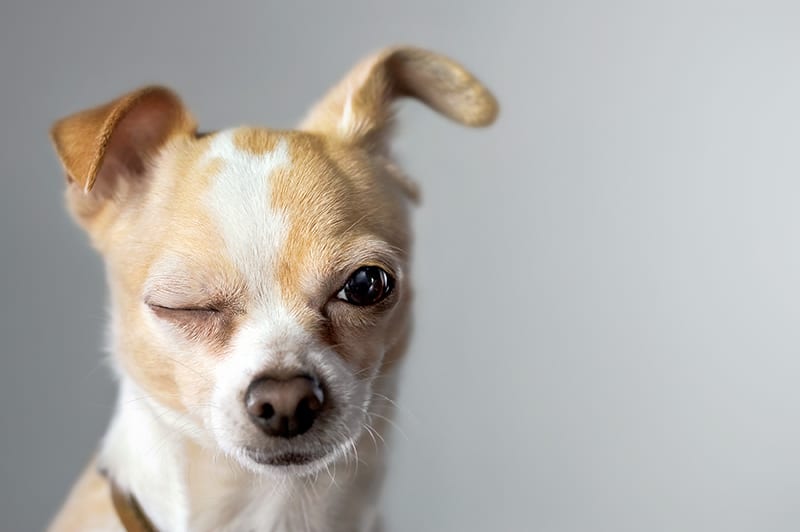
Image Source: d2zp5xs5cp8zlg.cloudfront.net
Spotting the Signs: When Trouble Starts
It is vital to recognize the signs of dog eye infection early. If you see any of these, it means something is wrong with your dog’s eye health:
- Redness: The white part of the eye looks pink or very red.
- Discharge: There is gunk coming out. This can be watery, thick, yellow, or green. This is a key indicator when looking at dog eye discharge remedies.
- Squinting or Blinking Too Much: Your dog tries to keep the eye shut.
- Swelling: The eyelid looks puffy or puffy around the eye.
- Rubbing or Pawing: The dog keeps touching its face or eye with its paw.
- Cloudiness: The eye looks foggy or hazy instead of clear. This can point toward dog blurry vision and eye redness.
If you notice your dog has dog blurry vision and eye redness, do not wait. That could mean a more serious problem is happening inside the eye.
Immediate First Steps: Calming the Irritation
When you first notice an issue, the goal is to gently clean the area and keep your dog from making it worse.
Cleaning Dog’s Infected Eye Safely
Proper cleaning helps remove irritants and discharge. This is the first step for any dog eye discharge remedies.
- Gather Your Supplies: You need sterile saline solution (the kind used for contact lenses works well, but plain boiled and cooled water is okay in a pinch). Use soft, clean cotton balls or gauze pads. Never use tissues, as they can scratch the eye.
- Wash Your Hands: Always start with clean hands to avoid adding germs.
- Use Saline Gently: Dampen a cotton ball with the saline solution. Gently wipe away any crust or goo from the corner of the eye outward. Use a fresh cotton ball for each wipe.
- Do Not Rub: Never rub the eyeball itself. Just wipe away the surface gunk.
- Repeat if Needed: You can repeat this process a few times until the visible discharge is gone.
This gentle method is a safe start for managing home remedies for dog pink eye symptoms.
Preventing Further Harm
The most important thing to stop right now is self-trauma.
- Stop Rubbing: If your dog is pawing at its face, you might need to use an Elizabethan collar (the “cone of shame”). This is crucial until you see a vet or the irritation calms down.
- Avoid Touching: Do not poke or prod the eye with anything.
- Keep it Dry and Clean: Try to keep your dog away from dusty areas or places with lots of pollen.
When Home Care Is Enough (and When It’s Not)
Many mild irritations clear up with cleaning. But some issues need professional help. Deciding when to see vet for dog eye issue is key to preventing long-term damage.
Mild Cases That Might Improve at Home
If the issue seems minor, like a bit of morning gunk or watering after a walk, you can try supportive care for 12 to 24 hours:
- Simple, regular saline rinses.
- Monitoring closely for changes.
- Keeping the dog calm and resting.
Red Flags: When to Call the Vet Immediately
If you see any of the following, you must seek vet treatment for dog eye infection right away. Delay can cause vision loss.
| Symptom | Why It’s an Emergency |
|---|---|
| Severe Pain/Whining | Indicates serious injury or deep infection. |
| Eye Color Change | Any cloudiness or blue/white haze. |
| Vision Loss | Bumping into objects or excessive hesitation. |
| Pupil Irregularity | Pupils look different sizes or do not react to light. |
| Protruding Eye | The eyeball looks like it is sticking out further than normal. |
| Green or Thick Yellow Discharge | This strongly suggests a bacterial infection needing prescription dog eye drops for infection. |
If you suspect trauma or persistent dog tearing up eye causes are related to a foreign object, see the vet now.
Exploring Home Remedies for Dog Pink Eye (Conjunctivitis)
While prescription medication is best for true bacterial infections, some simple, safe home remedies for dog pink eye can soothe mild viral or allergic conjunctivitis. Always check with your vet before putting anything new into your dog’s eye.
Chamomile Tea Compress
Chamomile has mild anti-inflammatory properties that can soothe redness.
- Brew a weak cup of plain chamomile tea (no sugar, no additives).
- Let the tea cool completely.
- Soak a soft cloth or cotton pad in the cool tea.
- Gently place the cool, damp pad over the closed eye for 5 minutes.
- Use this a few times a day.
Green Tea Rinse
Green tea contains compounds that might help fight minor inflammation.
- Brew a very weak cup of green tea. Let it cool fully.
- Use this cooled, weak tea as a gentle rinse, similar to the saline cleaning method mentioned earlier.
The Role of Artificial Tears
Over-the-counter artificial tears made for humans (look for preservative-free formulas) can be helpful. They keep the eye moist and help flush out mild irritants. They are not medicine, but they offer lubrication.
Important Safety Note: Never use human medicated eye drops (like those for glaucoma or redness relief) unless specifically directed by your veterinarian. Some ingredients are toxic to dogs.
Fathoming the Causes of Eye Issues
To effectively treat the problem, we need to know what caused it. Dog tearing up eye causes can range from minor irritation to major disease.
Common Irritants and Allergies
These often cause watery eyes and mild redness, sometimes called allergic conjunctivitis.
- Dust and dirt kicked up during play.
- Pollen and seasonal allergies.
- Smoke or harsh cleaning fumes in the house.
Infections
Infections are serious and usually require specific medication.
- Bacterial Infections: Cause thick, often yellow or green discharge. This often requires prescription dog eye drops for infection.
- Viral Infections: Think of the dog equivalent of a cold. These are highly contagious and often cause significant watery discharge.
Foreign Objects and Injuries
If a blade of grass, sand, or a small scratch is present, the eye will water constantly as it tries to flush the object out. This is painful and needs vet examination to ensure nothing is lodged in the cornea.
Anatomical Issues
Some dogs are more prone to eye issues due to their shape.
- Breed Predisposition: Breeds with large, bulging eyes (like Pugs or Boxers) are prone to dryness or injury. Breeds with lots of facial folds (like Bulldogs) can trap moisture, leading to irritation.
- Entropion/Ectropion: These are conditions where the eyelid rolls in (Entropion) or rolls out (Ectropion), causing irritation or exposure.
Professional Care: Vet Treatment for Dog Eye Infection
If home remedies fail, or if the symptoms are severe, your veterinarian will step in. They have the tools to diagnose the specific issue and prescribe the right treatment plan, which is the core of effective canine conjunctivitis treatment.
Diagnostic Steps at the Clinic
The vet will likely perform several key tests:
- Visual Exam: They will look closely at the lids, lashes, and discharge.
- Fluorescein Stain Test: This is crucial. A special orange dye is dropped into the eye. If there is a scratch or ulcer on the clear surface (cornea), the dye will stick to the damaged spot, making it glow bright green under blue light. Corneal ulcers require immediate, careful treatment.
- Schirmer Tear Test: This test measures how much your dog is actually tearing. Low tear production suggests dry eye (KCS), which needs long-term management.
Medications Used in Veterinary Practice
Once the cause is clear, the vet prescribes targeted medicine.
Antibiotics (Drops or Ointment)
If a bacterial infection is suspected (indicated by thick discharge), antibiotics are necessary. These are often prescribed as dog eye drops for infection. You must finish the entire course, even if the eye looks better after a few days.
Anti-Inflammatories
For severe redness and swelling, non-steroidal anti-inflammatory drugs (NSAIDs) may be used topically in the eye to reduce discomfort.
Managing Ulcers
If the fluorescein stain shows an ulcer, the treatment becomes very focused on preventing secondary infection and promoting healing. This often means frequent application of specific antibiotic ointments or drops around the clock.
Focus on Eye Hygiene During Recovery
Whether you are using home remedies or prescription drops, meticulous hygiene is essential to stop the infection from spreading or returning.
Applying Eye Drops Correctly
Learning how to use dog eye drops for infection properly makes treatment effective.
- Restraint: Have a helper gently hold your dog still, or cradle the dog between your knees.
- Locate the Target: Look at the eye from the side. You are aiming for the pocket between the lower lid and the eyeball.
- Pull Down the Lid: Use one hand to gently pull down the lower eyelid, making a small pouch.
- Administer the Drop: Hold the dropper above the eye (do not touch the tip to the eye!). Squeeze the correct number of drops into that pouch. Do not squeeze the dropper too hard; a single, gentle squeeze is enough.
- Close and Massage: Let the lid close naturally. Gently massage the bridge of the nose/eye area for a moment to help the medication spread. Do not let the dog blink it all out immediately.
If you are using ointment, apply a thin ribbon along the lower lid pocket.
Keeping Everything Sterile
When dealing with discharge, contamination is easy.
- If the discharge is thick, wipe it off before administering drops.
- Use a new sterile wipe or cotton ball for each cleaning session.
- Wash your hands thoroughly after handling the eye area and before touching food or other pets.
Addressing Dog Blurry Vision and Eye Redness Complications
If your dog is showing signs of dog blurry vision and eye redness that persist even after initial care, it signals that the issue might be deeper than simple conjunctivitis.
Glaucoma Warning
Sudden, intense redness paired with a noticeable change in the eye’s appearance (often looking cloudy or “bug-eyed”) can signal a painful pressure buildup inside the eye (glaucoma). This is a medical emergency that can cause blindness rapidly. If your dog’s eye looks swollen and hard, go to the ER vet immediately.
Dry Eye (KCS) Management
Keratoconjunctivitis sicca (KCS), or chronic dry eye, is a common issue where the tear ducts do not produce enough lubrication. This leaves the eye raw, red, and susceptible to recurring infections. Treatment here is usually lifelong use of specialized artificial tears or prescription medications to boost tear production.
Preventing Future Eye Woes
Once the infection clears, preventative measures can reduce recurrence, especially for dogs prone to inflammation or those with certain facial structures.
Grooming Habits
- Trimming Hair: If long hair around the eyes (common in Poodles or Shih Tzus) constantly irritates the cornea, ask your groomer to keep that area neatly trimmed.
- Regular Cleaning: For breeds prone to staining and buildup, a gentle daily rinse with saline can prevent mild irritation from escalating into an infection.
Environmental Control
- Air Filters: Use HEPA filters in your home if your dog has known environmental allergies.
- Leash Control: When walking in tall grass or brush, keep your dog on a shorter leash so they are less likely to stick their face into debris that can scratch the eye or introduce pathogens.
By knowing the signs of dog eye infection and acting quickly with gentle care, you greatly improve your dog’s comfort and chances of a fast recovery. Always rely on your veterinarian for definitive diagnosis and powerful vet treatment for dog eye infection.
Frequently Asked Questions (FAQ)
Can I use human antibiotic eye drops on my dog?
No, you should not use human antibiotic eye drops unless specifically told to do so by your veterinarian. Human medications can sometimes contain ingredients that are toxic to dogs or may not target the specific bacteria affecting your dog. Only use prescribed dog eye drops for infection.
How long does it take for a dog eye infection to clear up?
Mild cases of simple irritation might clear up in 1–2 days with good hygiene. However, if the vet prescribes antibiotics for a true bacterial infection or conjunctivitis, it usually takes 5 to 7 days to see significant improvement. It is crucial to finish the entire prescribed course of medicine.
My dog’s eye is tearing up, but it looks normal otherwise. What could cause this?
This is a common sign, often related to dog tearing up eye causes like allergies or mild environmental irritants. If the tearing is excessive, look for signs of a foreign body (like a piece of dust). If it persists for more than a day without any other symptoms, a routine vet check is wise.
Is dog pink eye contagious to humans?
Canine conjunctivitis, or “pink eye,” is usually not contagious to people, but the specific cause matters. If the inflammation is due to a virus that also affects humans (rare, but possible), or if you touch an infected eye and then touch your own eye, transmission is possible through poor hygiene. Always wash hands well after treating your dog.
What should I do if my dog has dog blurry vision and eye redness?
If you see any sign of cloudiness or dog blurry vision and eye redness, treat it as an emergency. This combination often means the cornea is damaged (an ulcer) or the pressure inside the eye is too high (glaucoma). Seek immediate vet treatment for dog eye infection care.