
Professional dog shampoo is what most dog groomers use. Groomers rely on specific formulas designed for frequent use and tough cleaning jobs. They pick products based on the dog’s coat type, skin sensitivity, and the desired final look.
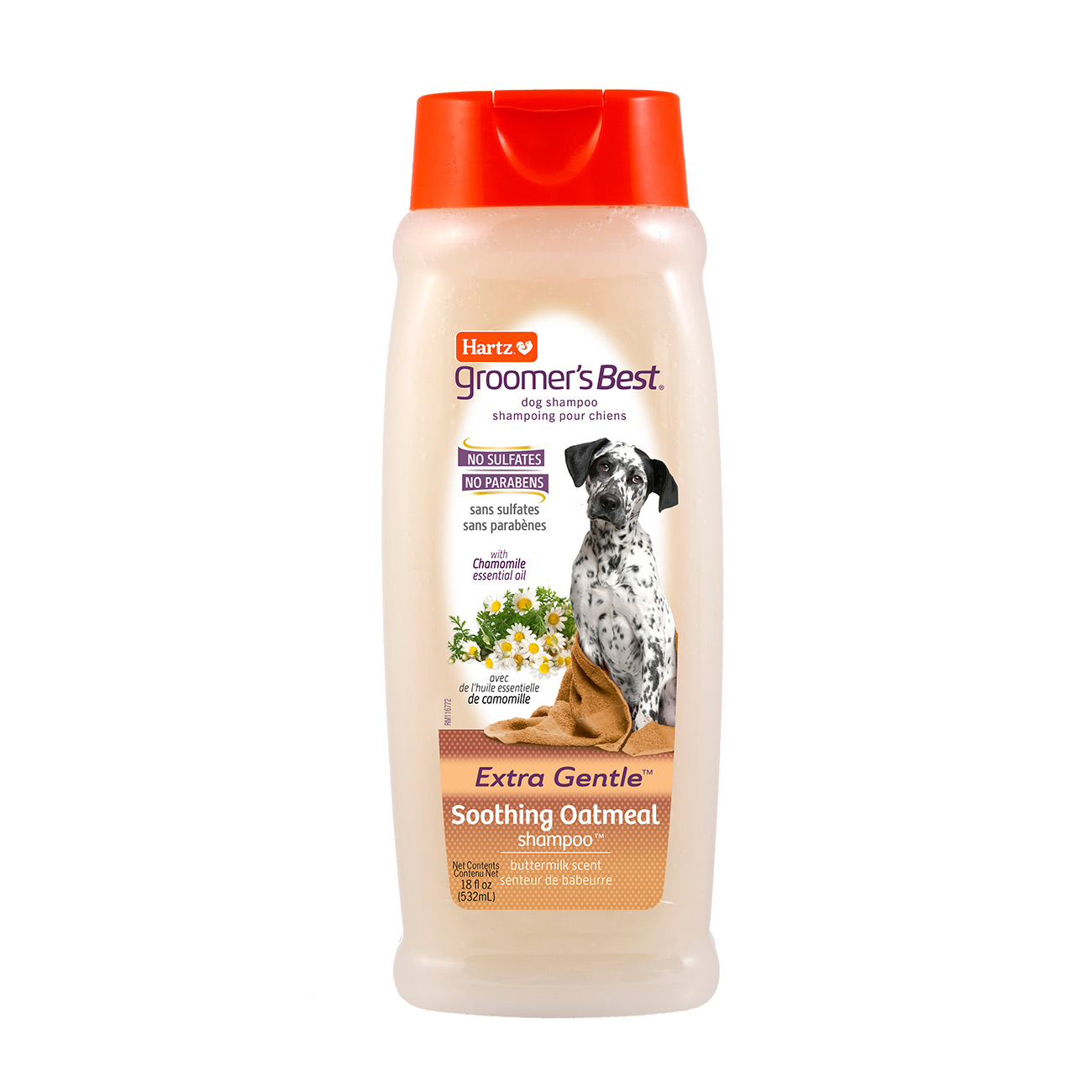
Image Source: www.hartz.com
Deciphering the Professional Groomer’s Toolkit
Dog groomers wash dogs many times a day. This means they cannot use just any bottle off the shelf. They need best dog grooming shampoo that works fast, cleans deep, and is safe for sensitive skin. Their choices are usually driven by quality, concentration, and effectiveness on different coat problems.
Why Groomers Don’t Use Human Shampoo
Human shampoo is made for human hair and scalp pH. A dog’s skin has a different pH level. Using human shampoo on a dog can dry out their skin. It can cause irritation and lead to skin problems over time. Groomers always choose products made just for canines.
The Importance of Concentration: Why Groomers Buy Bulk
One secret to a groomer’s success is using concentrated dog shampoo. These products are highly diluted before use. A small amount of concentrate makes many bottles of ready-to-use shampoo. This saves money and reduces plastic waste.
Cost-Benefit Analysis of Concentrated Formulas
| Feature | Groomer-Grade Concentrated Shampoo | Standard Retail Shampoo |
|---|---|---|
| Dilution Ratio | Often 10:1 or 20:1 | Usually 1:1 (Ready to use) |
| Cost Per Use | Very low | Higher |
| Storage Space | Requires less space due to concentration | Takes up more shelf space |
| Cleaning Power | High, designed for professional stripping | Moderate |
Key Types of Shampoo Found in Grooming Salons
Groomers keep a wide range of shampoos ready. They switch products based on the dog standing on the table. A Poodle needs different care than a Labrador.
Whitening and Brightening Shampoos
For white or light-colored dogs, groomers use specialized brighteners. These shampoos help remove yellowing or stains. They often contain optical brighteners that make the coat look whiter instantly.
Deodorizing Shampoos for Odor Control
If a dog rolled in something smelly, a deodorizing formula is the first choice. These shampoos target odor-causing bacteria. They don’t just mask the smell; they help remove the source of the bad odor.
Medicated and Sensitive Skin Formulas
Many dogs come in with dry, itchy, or flaky skin. For these cases, groomers turn to hypoallergenic dog shampoo or medicated options. These often contain oatmeal, aloe, or gentle cleansers. They are designed to soothe irritation.
Characteristics of Sensitive Skin Formulas
- pH balanced specifically for dogs.
- Free from harsh soaps, dyes, and perfumes.
- Often include calming ingredients like chamomile.
Addressing Tangles and Dryness: Conditioning Shampoos
A soft, shiny coat is the mark of a good groomer. This is achieved through dog coat conditioning shampoo. These products clean gently while depositing moisture back into the hair shaft. They make brushing and drying much easier afterward.
Sourcing the Best: Where Do Groomers Buy Their Supplies?
Groomers rarely buy their favorite shampoo at the local pet store. They source their supplies through different channels to get better pricing and access to professional-grade products.
Accessing Wholesale Dog Shampoo
Groomers buy wholesale dog shampoo directly from manufacturers or specialized distributors. Buying in very large jugs or drums lowers the per-ounce cost significantly. This bulk buying is essential for their business model.
Seeking Out High-Quality Pet Shampoo
The term high-quality pet shampoo usually implies a few things to a groomer:
- Effective Cleansing: It removes dirt, oils, and product buildup completely.
- Safety Profile: It passes rigorous testing and is gentle on skin.
- Scent Profile: The scent is clean but not overpowering, often subtle or naturally derived.
The Role of Veterinarian-Recommended Dog Shampoo
Sometimes, a dog needs more than just cleaning. For serious skin issues like hot spots or severe allergies, groomers often use or recommend veterinarian-recommended dog shampoo. These shampoos might contain active ingredients like chlorhexidine or benzoyl peroxide to treat specific infections or conditions. Groomers use these only when instructed by the owner or a vet.
Diving Deep into Ingredients: What Makes a Professional Shampoo Work?
The ingredients list tells the whole story. Groomers look for specific components that deliver performance without causing harm.
Surfactants: The Cleaning Power
Shampoos use surfactants to lift dirt and oil. Professional brands use milder surfactants than some cheap, retail options. Milder surfactants clean effectively without stripping the coat of its natural oils.
Moisturizers and Conditioners
Ingredients like vitamin E, panthenol (Pro-Vitamin B5), and natural oils (like coconut or jojoba) are crucial. These are the components that turn a simple wash into a dog coat conditioning shampoo experience. They help seal the cuticle of the hair, leading to less frizz and more shine.
The “Tearless” Promise
Many popular products advertise as tearless dog shampoo. This is important, especially when washing puppies or dogs who wiggle a lot. True tearless formulas use very mild surfactants that do not sting the eyes if accidentally splashed. This feature is a must-have for any groomer working with anxious dogs.
Embracing Natural Dog Grooming Products
There is a growing trend toward natural dog grooming products. Groomers are increasingly seeking out shampoos made with plant-derived ingredients. They often avoid sulfates (like SLS/SLES), parabens, and synthetic fragrances. This caters to eco-conscious clients and dogs with sensitivities.
The Grooming Process: Shampoo Application Secrets
It’s not just what they use, but how they use it. Groomers follow a specific sequence for maximum effectiveness.
The Double Wash Technique
Most groomers employ a double wash.
First Wash: The Pre-Cleanse
The first wash breaks down heavy grease, dirt, and old product buildup. It is often done with a standard cleansing shampoo. This wash might not lather much if the dog is very dirty.
Second Wash: The Treatment Wash
The second wash is where the best dog grooming shampoo shines. Because the coat is already clean, this wash creates a rich lather. This allows the beneficial ingredients (like conditioners or specialized treatments) to sit on the skin and coat longer, achieving the desired results.
Proper Dilution and Application
Groomers always mix their concentrated dog shampoo in a pitcher or dispenser bottle first. They saturate the dog thoroughly, working the shampoo deep into the undercoat using their fingertips. They pay special attention to dirty areas like paws, rear ends, and muzzles.
Rinsing: The Most Critical Step
A groomer’s biggest mistake is often improper rinsing. Leftover shampoo residue is a major cause of post-bath itching and flakiness. Groomers rinse until the water runs perfectly clear and until they rub the coat and hear a “squeaky clean” sound.
Specialty Shampoos for Specific Coats and Issues
Different dogs need different approaches. A groomer’s arsenal reflects this variety.
Shampoos for Double-Coated Breeds (Huskies, Goldens)
These breeds require shampoos that penetrate the thick undercoat. They need to clean down to the skin without causing matting. Often, a high-quality shampoo followed by a very strong rinse and a specialized de-shedding conditioner is used.
Shampoos for Hairless or Short-Haired Breeds (Boxers, Pugs)
Short coats tend to show oiliness quickly. They benefit from deep-cleansing, clarifying shampoos occasionally, but regular washing should use a gentler, moisturizing formula to prevent dry skin, which is common in these breeds.
Dealing with Fleas and Ticks
While many over-the-counter flea shampoos exist, many professional groomers avoid harsh chemical dips. They often prefer to use a gentle tearless dog shampoo first, followed by a specialized flea rinse or utilizing veterinary-recommended preventative treatments applied after the bath, as per vet instructions.
Evaluating Shampoo Quality: What to Look For on the Label
When a groomer selects a new product, they analyze the label carefully. They are looking for efficacy and safety markers.
Avoiding Harsh Chemicals
Groomers actively avoid or minimize the use of:
- Sodium Lauryl Sulfate (SLS): A harsh, inexpensive detergent that strips too much oil.
- Parabens: Preservatives that some owners prefer to avoid.
- Synthetic Dyes: These offer no cleaning benefit and can irritate sensitive skin.
Seeking Out Certifications and Recommendations
A bottle labeled as veterinarian-recommended dog shampoo carries weight. While groomers use their best judgment, knowing a vet endorses a formula offers an extra layer of trust, especially when treating itchy dogs.
Maintaining the Professional Edge with High-Grade Products
For a grooming business to thrive, the results must be consistent. This consistency is tied directly to the quality of the products used.
The Investment in Professional Grade
Choosing professional dog shampoo is an investment. While these products cost more per gallon than supermarket brands, they perform better. They reduce follow-up work (like having to re-bathe a dog because the odor didn’t fully leave) and result in happier clients.
Exploring Natural Dog Grooming Products for Premium Services
Offering specialized “spa packages” often involves using premium, natural dog grooming products. These might include essential oil infusions (used safely and diluted correctly) or organic extracts. Clients pay extra for this enhanced, natural experience.
The Art of Choosing the Right Conditioner
Shampoo cleans, but conditioner finishes the job. A groomer rarely uses shampoo alone.
Why Conditioning is Essential for All Coats
Even short-haired dogs benefit from conditioning to maintain skin health. For long-haired breeds, conditioning is non-negotiable; it prevents breakage and reduces drying time. A good dog coat conditioning shampoo might do both jobs, but often a separate, heavy-duty conditioner is applied after rinsing the shampoo.
Types of Conditioners Used
- Leave-In Conditioners: Applied after towel drying, these offer ongoing protection.
- Rinse-Out Conditioners: Applied in the tub, often for deep moisture penetration.
- De-Shedding Conditioners: Designed to help release dead undercoat during the bath.
Ensuring Safety: Hypoallergenic and Tearless Choices
Safety is paramount, especially when dealing with the public’s pets.
When Hypoallergenic is Necessary
If a dog has known skin allergies or breeds prone to eczema (like certain Terriers or Retrievers), the groomer defaults to a hypoallergenic dog shampoo. This minimizes the risk of an allergic reaction during the grooming process.
Guaranteeing Eye Safety
The tearless dog shampoo formula ensures that even if a dog squirms during the rinse, the eyes will not burn. This drastically reduces stress for both the dog and the groomer.
Frequently Asked Questions (FAQ)
Q: Can I use my dog’s shampoo on myself?
A: No. Even though some high-quality pet shampoo is gentle, it is formulated for a dog’s different skin pH. It will likely be too harsh for your hair and scalp.
Q: How often should I bathe my dog using professional shampoo?
A: This depends on the dog’s activity level and coat type. Most dogs need bathing every 3–6 weeks. If you are using natural dog grooming products, you might be able to bathe more frequently without drying the skin.
Q: Is buying the shampoo the groomer uses very expensive?
A: Often, yes, if you buy the professional-size jugs. However, since groomers use concentrated dog shampoo, the cost per bath ends up being quite reasonable, often comparable to or less than using a non-concentrated retail brand.
Q: What is the difference between a clarifying shampoo and a deep cleaning shampoo?
A: A clarifying shampoo is usually stronger and focuses on stripping away mineral buildup or heavy product residue. A deep cleaning shampoo (often used as the first wash by a groomer) is designed to remove general dirt and oils effectively.
Q: Do groomers always use veterinarian-recommended dog shampoo?
A: Not always. They use it when necessary for specific skin treatments. For routine cleaning, they rely on proven, high-quality products that offer great cleaning results, which may or may not carry a specific vet endorsement.