
A Groodle dog is a popular hybrid dog created by mixing a Golden Retriever and a Poodle. This crossbreed brings together the best traits from both parent breeds. They are known for being smart, loving, and great family pets.
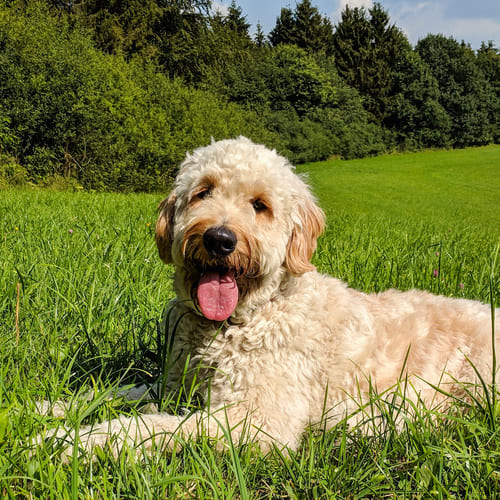
Image Source: vetschoice.guildinsurance.com.au
Exploring the Origins of the Groodle Dog Breed
The Groodle dog breed is part of the growing trend of “designer dogs.” These mixes started gaining popularity decades ago. People wanted a dog that had the gentle nature of a Golden Retriever but with the low-shedding coat often found in Poodles.
The Parent Breeds: Golden Retriever and Poodle
To truly grasp what a Groodle is, we must look at its parents.
The Golden Retriever
Golden Retrievers are famous for their friendly nature. They are loyal and eager to please their owners. They make wonderful family companions. They are also very smart and love to play.
The Poodle
Poodles come in three main sizes: Standard, Miniature, and Toy. They are highly intelligent dogs. Poodles are also known for their curly coats that shed very little. This trait is often passed down to the Groodle.
Why The Groodle Became So Popular
The blend of these two breeds hits a sweet spot for many families. They get the calm temperament of the Golden Retriever. They also get the sharp mind and coat benefits of the Poodle. This mix resulted in a very adaptable dog.
Deciphering Groodle Temperament
The personality of a Groodle dog is one of its biggest selling points. They are generally happy and easygoing dogs. However, temperament can vary based on which parent breed is dominant in the mix.
Key Traits of the Groodle Temperament
Most owners report very positive experiences with their Groodles.
- Affectionate: Groodles crave human companionship. They thrive when they are part of family activities. They do not like being left alone for long periods.
- Playful: They have a moderate to high energy level. They enjoy playtime, walks, and puzzle toys.
- Gentle: They are often very patient with children. This makes them excellent family pets.
- Sociable: Groodles usually get along well with other pets, especially if socialized early.
Socialization and Early Training Impact
Early exposure is key to a well-adjusted Groodle. Introducing Groodle puppies to different sights, sounds, people, and animals early on helps shape their adult personality. A shy or overly excitable Groodle often needs more focused social work.
Groodle Size and Physical Traits
The Groodle size is not fixed. Since Poodles come in different sizes, the resulting Groodle size can vary widely. Breeders often define Groodles based on the size of the Poodle used in the mix.
Types of Groodles Based on Size
Here is a breakdown of the common size categories:
| Groodle Type | Poodle Parent Size | Approximate Height (Shoulder) | Approximate Weight |
|---|---|---|---|
| Standard Groodle | Standard Poodle | 21–24 inches | 50–75 pounds |
| Medium Groodle | Miniature Poodle | 17–20 inches | 30–45 pounds |
| Mini Groodle | Miniature or Toy Poodle | 14–16 inches | 15–30 pounds |
| Toy Groodle | Toy Poodle | Under 14 inches | Under 15 pounds |
Coat Types: Fleeing the Shedding
One major draw is the coat. Many people seek a Groodle hypoallergenic dog. While no dog is 100% hypoallergenic, Groodles often shed very little.
- Curly Coat: Similar to a Poodle. Sheds very little. Needs regular professional grooming.
- Wavy Coat (Fleece): The most common and often desired coat. Soft and low-shedding. Needs daily brushing.
- Straight Coat (Hair): More like a Golden Retriever. Sheds more than the other types.
It is important to note that coat type is unpredictable in a Groodle mixed breed. You might get a heavy shedder, even if you hope for a low-shed coat.
Comprehending Groodle Intelligence and Training Needs
If you are looking for a smart dog, the Groodle fits the bill. Both parent breeds rank very high on canine intelligence scales.
Groodle Intelligence
The high Groodle intelligence means they learn new commands quickly. This is a huge benefit for new dog owners. However, high intelligence also means they need mental stimulation. A bored Groodle can become a mischievous Groodle.
Successful Groodle Training Methods
Positive reinforcement works best with this breed. They respond very well to praise, treats, and play.
- Consistency is Key: Use the same commands every time. Everyone in the household should use the same words.
- Early Socialization: Start training early. Keep training sessions short and fun.
- Mental Games: Supplement obedience training with puzzle toys or scent work. This keeps their clever minds busy.
Because of their eagerness to please, Groodle training is generally straightforward. They aim to make their owners happy. This cooperative nature makes them excellent service or therapy dogs.
Essential Groodle Grooming Requirements
The coat that makes the Groodle hypoallergenic look so appealing requires serious work. Improper care leads to painful matting.
Daily Brushing is Non-Negotiable
If your Groodle has a wavy or curly coat, daily brushing is vital.
- Use a slicker brush to reach down to the skin.
- Follow up with a metal comb to check for tangles (this is called “combing through”).
- Focus on high-friction areas like behind the ears, the armpits, and the tail base.
Professional Grooming Schedule
Even with daily home brushing, Groodles need professional grooming every 6 to 10 weeks. A groomer will trim the coat to keep it manageable. They will also bathe and tidy up the sanitary areas. Failure to keep up with Groodle grooming can result in the dog needing a complete shave-down, which can be stressful for the dog and the owner.
Ear Care Alert
Poodles often pass on floppy ears to their Groodle offspring. This traps moisture and warmth. Check the ears weekly for signs of infection (redness, odor). Plucking ear hair may be necessary if recommended by your vet or groomer.
Health and Groodle Lifespan Considerations
As a Groodle mixed breed, they often benefit from “hybrid vigor.” This means they might be healthier than some purebreds. However, they can still inherit health issues common to both parent lines.
Common Health Concerns
Responsible breeders screen their dogs rigorously to reduce risks. Always ask to see health testing results for the parent dogs.
- Hip and Elbow Dysplasia: Common in large and medium breeds like Golden Retrievers. This affects the joints.
- Eye Problems: Including Progressive Retinal Atrophy (PRA), which can cause blindness over time.
- Thyroid Issues: Both parent breeds can be prone to thyroid gland problems.
- Bloat (Gastric Dilatation-Volvulus): A serious, life-threatening condition more common in deep-chested, larger dogs.
Determining the Groodle Lifespan
The expected Groodle lifespan is generally good, ranging from 10 to 15 years. Smaller Groodles (Mini or Toy) often live slightly longer than the larger Standard Groodles. Good diet, regular exercise, and routine veterinary care directly impact how long your dog enjoys life.
Bringing Home Groodle Puppies
Choosing Groodle puppies requires careful planning. Since they are a crossbreed, you cannot rely on a breed standard registry like the AKC.
Finding a Reputable Breeder
This step is crucial for health and temperament assurance.
- Health Testing: Verify that parents have been tested for hip, elbow, and eye issues.
- Temperament Check: Spend time with the puppies and their mother. Are the puppies playful but not overly aggressive? Is the mother dog friendly?
- Transparency: A good breeder will happily discuss health screening, diet, and training advice. Avoid any breeder who seems secretive or sells puppies without health guarantees.
Preparing Your Home for a New Groodle
Once you select your puppy, prepare your living space.
- Puppy-Proofing: Put away electrical cords, toxic plants, and small choking hazards.
- Supplies: Have quality food, appropriate-sized bedding, food/water bowls, training treats, and grooming tools ready.
- Vet Appointment: Schedule a check-up within the first week of bringing the puppy home.
Integrating Exercise and Activity Needs
Groodles are not lap dogs that prefer to sit still all day. They need activity to stay happy and balanced.
Daily Exercise Requirements
The amount of exercise needed depends heavily on the size of your dog.
- Standard Groodles: Need at least 45 to 60 minutes of brisk activity daily. This can be broken into two walks and playtime.
- Mini/Toy Groodles: May be satisfied with 30 minutes of activity, but they still need playtime indoors or out.
Fun Ways to Exercise a Groodle
Physical exercise alone is often not enough for this smart Groodle dog breed. Combine physical activity with mental challenges.
- Fetch: They usually love retrieving toys.
- Swimming: Many Groodles enjoy water, inheriting this trait from both sides.
- Agility or Dog Sports: These activities tap into their high Groodle intelligence and high energy.
- Hide-and-Seek: A simple game that works their sense of smell and focus.
Groodles in Different Roles: Family Pet to Therapy Dog
The versatility of the Groodle makes them suitable for many roles beyond just being a companion.
The Ideal Family Companion
For families, the Groodle’s gentle and playful Groodle temperament is a huge plus. They bond deeply with their families. They thrive on inclusion. They are generally very tolerant of gentle handling by children. Supervision is always necessary, regardless of the breed.
Working Roles for Groodles
Due to their Poodle heritage, Groodles are often used in assistance roles.
- Therapy Dogs: Their calm demeanor and soft coats make them comforting to visit hospitals or nursing homes.
- Emotional Support Animals (ESAs): Their strong desire to be near their owners makes them excellent ESAs.
Their trainability is key here. Their Groodle intelligence allows them to master complex tasks required for support work.
Fathoming the Cost of Owning a Groodle
Like any dog, the initial purchase price is just the beginning. Owning a Groodle involves ongoing expenses.
Initial Purchase Price
The cost to buy Groodle puppies from a reputable breeder can range significantly. This often depends on location, the size of the dog, and the health testing done on the parents. Expect to pay anywhere from $2,000 to $4,500 or more.
Ongoing Monthly Expenses
Factor these recurring costs into your budget:
- Food: High-quality food appropriate for their size and energy level.
- Grooming: Professional grooming appointments every 6-10 weeks are a major recurring expense for Groodle grooming.
- Vet Care: Annual check-ups, vaccinations, and parasite prevention.
- Toys and Supplies: Replacing chewed toys and buying new training aids.
Comparing Generations: F1, F1B, and Multigenerational
When buying a Groodle, you may see terms like F1 or F1B. These refer to the generation of the crossbreed. This helps predict coat type and shedding levels.
F1 Groodle
This is the first generation cross. One parent is a purebred Golden Retriever, and the other is a purebred Poodle.
- Coat: Highly variable. Some are curly, some are wavy, some are straighter.
- Shedding: Varies greatly.
- Temperament: Often a good mix of both parents.
F1B Groodle
This generation involves breeding an F1 Groodle back to a purebred Poodle. (F1 Groodle parent + Poodle parent).
- Coat: More likely to have the curly or wavy, low-shedding coat. This is often the preferred choice for those seeking a Groodle hypoallergenic option.
- Shedding: Very low shedding is common.
Multigenerational (F2, etc.)
These dogs are bred from two Groodles. The predictability of traits becomes lower in subsequent generations unless careful breeding lines are maintained. Many reputable breeders focus heavily on F1B lines to maximize coat consistency.
Recognizing Potential Issues in the Groodle Dog Breed
While wonderful, no dog is perfect. Being aware of potential challenges helps owners prepare.
Separation Anxiety
Due to their high sociability and need for connection, Groodles can develop separation anxiety. If left alone too long, they may resort to destructive chewing or excessive barking. Proper Groodle training and gradual desensitization to being alone are important preventive measures.
Grooming Fatigue
The commitment to Groodle grooming can sometimes overwhelm new owners. If you dislike daily brushing or cannot afford regular professional trims, a Groodle might not be the right fit. Matted fur causes constant pain for the dog.
High Energy Needs
A sedentary lifestyle will lead to a restless and potentially destructive dog. Ensure you can meet the exercise demands linked to the Groodle size you choose.
FAQ Section
Are Groodles difficult to housebreak?
No, Groodles are typically quite easy to housebreak. Their Groodle intelligence and desire to please mean they pick up house rules quickly with consistent crate training and frequent trips outside.
Do Groodles bark a lot?
Groodles are not generally considered nuisance barkers like some terrier breeds. They might bark to alert you to something new, but excessive barking usually signals boredom, lack of exercise, or anxiety.
Is the Groodle considered a purebred dog?
No, the Groodle is a Groodle mixed breed, often called a hybrid or designer dog. They are not recognized by major kennel clubs like the American Kennel Club (AKC).
How much exercise does a Miniature Groodle need daily?
A Miniature Groodle size typically needs about 30 minutes of focused activity per day, split into two sessions. Mental stimulation is just as important as physical walking.
What is the best age to get Groodle puppies?
Groodle puppies should stay with their mother and littermates until they are at least 8 weeks old. This allows them crucial time for learning bite inhibition and social skills from their mother.
Do Groodles require special food?
They need a high-quality commercial dog food appropriate for their life stage (puppy, adult, senior) and size. Given their hybrid nature, maintaining good joint health through diet is especially important for larger Standard Groodles.