
What does ringworm on a dog look like? Ringworm on a dog often looks like circular patches of hair loss with scaly or crusty edges, though it can sometimes appear differently, sometimes showing up as just flaky skin or brittle hair without a clear circle.
Ringworm is a common skin problem in dogs. It is not caused by a worm at all. It is actually a fungal infection. This fungus likes to live on the skin, hair, and nails. Knowing what ringworm symptoms in dogs look like is key to quick treatment. Early action stops the spread to other pets or people. This guide will help you spot the signs. We will detail the canine ringworm appearance and what to do next.
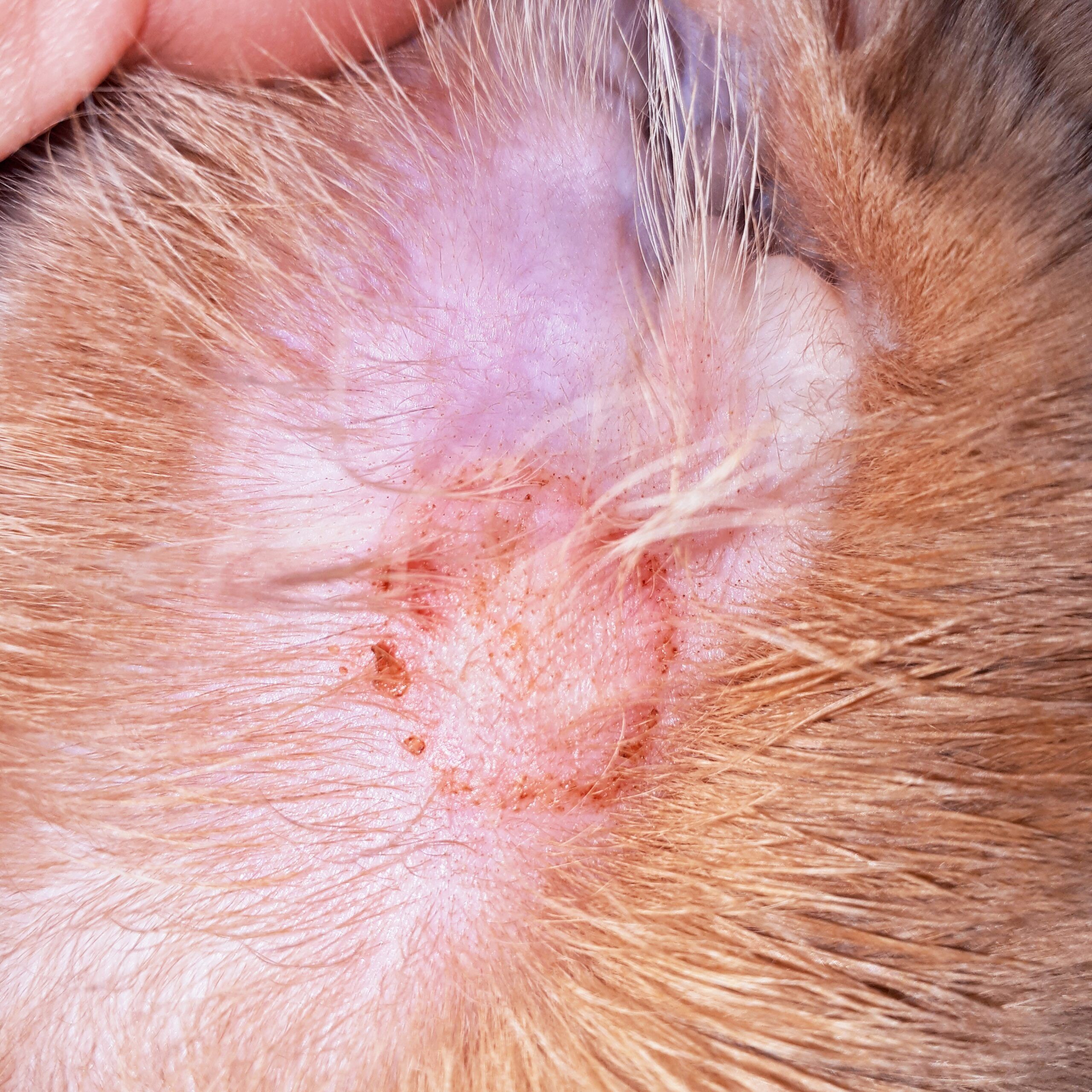
Image Source: cdn-edlic.nitrocdn.com
Deciphering the Appearance of Canine Ringworm
Ringworm, caused by a group of fungi called dermatophytes, can show up in many ways on a dog’s skin. The way it looks often depends on the dog’s age, immune system, and the specific type of fungus involved.
Classic Ringworm Lesions on Dogs
The most famous look for ringworm is a circular bald spot. This is where the name “ringworm” comes from, even though it is not a worm.
Identifying Ringworm Spots on Dogs
When you see these spots, they usually share a few key traits.
- Shape: They are often round or oval. They may look like small circles at first. These circles can grow bigger over time.
- Hair Loss (Alopecia): The hair in the middle of the spot often falls out. This makes the area look thin or completely bare.
- Scaling and Crusts: The edge of the patch is often the most active part. You might see flaky, grayish-white, or silvery scales. Sometimes, these scales look like a crust has formed over the skin.
- Redness (Erythema): While not always present, the affected skin can sometimes look red or inflamed, like a mild rash.
If you are trying to figure out how to check dog for ringworm, look closely at areas where your dog likes to scratch or rub. These fungi thrive where the skin is slightly damaged or warm.
Less Common Ringworm Presentations
Not all cases look like a perfect circle. Many times, the dog fungal infection rash is not so clear-cut.
Brittle Hair and Dandruff
Sometimes, the infection starts in the hair shaft. This means you might not see a big bald patch right away. Instead, you might notice:
- Dull or Brittle Coat: The hair in a certain area looks dry, rough, or easily broken.
- Excessive Flaking: You might see white or gray flakes, similar to bad dandruff, especially around the face, ears, or paws. This is a common way to see ringworm lesions on puppy skin, as puppies often have weaker immune systems.
Nodules and Pustules
In more severe or less common cases, the infection can become deeper in the skin. This leads to different appearances:
- Pustules: Small, pus-filled bumps may appear on the skin, similar to pimples.
- Inflamed Nodules (Granulomas): These are hard lumps under the skin. They can sometimes ooze fluid or become raw if the dog scratches them a lot.
If your dog has an unusual dog skin infection look like this, veterinary help is very important.
Specialized Appearance: Ringworm in Puppies
Puppies are highly susceptible to ringworm. Their immune systems are still developing. Therefore, the ringworm lesions on puppy skin often look worse or spread faster than in adult dogs.
Puppy Symptoms Detail
When assessing a young dog, look for these specific signs:
- Face and Ears: Puppies often show the first signs around their eyes, ears, and muzzle.
- Small, Dry Spots: The initial spots might be very small—just dime-sized areas of scaly skin where the fine puppy hair is thinning.
- Widespread Scaling: Sometimes, instead of distinct circles, a puppy might have generalized scaling all over its body, making the coat look dull and dusty.
It is crucial to use the right methods for how to check dog for ringworm if you have a litter of puppies, as it spreads very easily between them.
Comparing Ringworm to Other Skin Issues
One challenge in spotting ringworm is that other skin conditions can look very similar. Knowing the difference is key to getting the right treatment. A vet will need to confirm the diagnosis, but here is how to compare what you see.
Distinguishing Features Table
This table helps compare the telltale signs of ringworm in dogs against common look-alikes.
| Feature | Ringworm (Dermatophytosis) | Hot Spot (Acute Moist Dermatitis) | Mange (Sarcoptic or Demodectic) | Allergic Dermatitis |
|---|---|---|---|---|
| Primary Look | Circular hair loss, scaly edges | Moist, red, raw, weeping patch | Intense hair loss, thick skin, crusting | Redness, generalized itching, scabs |
| Itching Level | Mild to moderate; some dogs don’t itch much | Severe, intense scratching/licking | Usually very intense itching (Sarcoptic) | Moderate to severe, year-round or seasonal |
| Contagiousness | Highly contagious to pets and people | Not contagious | Contagious (Sarcoptic only) | Not contagious |
| Location | Head, legs, ears, body | Anywhere, often where licking starts | Ears, elbows, legs, belly | Ears, paws, armpits, groin |
| Appearance Detail | Classic dog circular rash identification with scaling | Lesion oozes fluid and mats the hair | Hair loss often patchy; skin may thicken | Bumps (papules) or hives may be present |
Focus on the Circular Rash Identification
If you see a patch that looks like a bullseye—clearer in the center with active scaling on the rim—you are likely looking at a classic dog circular rash identification pattern. This is the most suggestive visual cue for ringworm.
How to Check Dog for Ringworm Yourself (Preliminary Steps)
While only a veterinarian can confirm ringworm through tests, you can perform a visual check at home to see if you need to schedule an appointment.
Visual Inspection Steps
Follow these simple steps to thoroughly examine your dog:
- Good Lighting: Take your dog to a bright area or use a strong flashlight. Fungal spores can be hard to see in dim light.
- Systematic Grooming: Gently part the fur in sections across the entire body. Do not pull hard, as this might irritate existing lesions. Focus on areas prone to infection.
- Targeted Zones: Pay extra attention to the ears (especially the flaps), around the eyes, the top of the head, the legs, and the tail base. These are common starting spots.
- Feel for Texture Changes: Run your hands over the skin. Do you feel rough, dry patches that feel different from the normal smooth skin? Feel for small bumps or crusts.
- Look for Broken Hair: Look closely at the edges of any suspicious spots. If the hair breaks off easily right at the skin line, this is a strong indicator of fungal invasion of the hair shaft.
If you find anything resembling the signs listed—especially scaly patches or focal hair loss—it warrants further testing. Remember, the canine ringworm appearance is variable.
The Role of UV Light in Spotting Ringworm
Some dermatophyte fungi glow under a special lamp. This is a useful, quick tool for preliminary checks, though it is not foolproof.
Using a Wood’s Lamp
A Wood’s lamp uses ultraviolet (UV) light, often called black light.
- What to Look For: If a Wood’s lamp shines on a dog infected with Microsporum canis (a common ringworm species), the fungal elements in the hair shaft might fluoresce a bright apple-green color.
- Limitations: This test is not perfect. Only about 50% of M. canis strains glow. Also, other substances or debris on the dog’s skin might glow falsely. If it glows, it is highly suggestive of ringworm. If it does not glow, the dog might still have ringworm caused by other species or strains that do not fluoresce.
This tool helps rule in the infection but cannot definitively rule it out.
Why Ringworm Can Be Hard to Spot: Mimics and Subclinical Cases
It is important to know that sometimes a dog can have ringworm without showing obvious signs. This is called being a “carrier” or having a subclinical infection.
Subclinical Carriers
A dog carrying the fungus might look completely normal. They have no visible ringworm symptoms in dogs. However, they can still shed fungal spores into the environment. These spores can then infect other pets or people.
- Immune Status: Dogs with very strong immune systems might fight off the visible infection but still harbor the fungus briefly.
- Infection Site: If the fungus is mainly on the nails or in deep hair follicles, it might not create the typical surface lesion.
This is why thorough cleaning is necessary even if you only see one small spot.
Interpreting Dog Skin Infection Look Like
When evaluating a dog skin infection look like pattern, veterinarians often rely on ruling out other issues first. Is the hair loss itchy? Is it scaly? Is it truly circular? Answering these questions helps narrow down the possibilities before diagnostics.
Diagnosis: Confirming the Presence of Fungus
If your visual inspection suggests possible ringworm, a veterinarian will use lab tests to confirm it. Relying only on identifying ringworm spots on dogs visually is risky because of the many look-alikes.
Common Diagnostic Methods
Veterinary clinics primarily use three methods to confirm the diagnosis:
- Fungal Culture (DTM): This is the gold standard. A sample of hair and scales is taken from the edge of the lesion and placed on a special culture medium. If the fungus is present, it will grow, usually changing the color of the medium. This can take 1 to 3 weeks.
- Microscopic Examination (Trichogram): The vet pulls hairs from the lesion. They examine these hairs under a microscope to look for fungal spores attached to or growing inside the hair shaft. This can offer a quicker answer than a full culture.
- Wood’s Lamp Test: As mentioned, this is used as a quick screening tool, but it is never used alone for diagnosis due to its low sensitivity.
Treatment Overview: What Happens After You See the Signs?
Once ringworm is confirmed, treatment focuses on killing the fungus on the skin and in the environment. Treatment is often long and requires commitment from the owner.
Topical Treatments
These are applied directly to the affected areas.
- Antifungal Shampoos: Products containing ingredients like Miconazole or Ketoconazole are used to wash the dog several times a week. This helps remove infected hairs and spores from the coat.
- Antifungal Dips: Lime sulfur dip is a very effective, older treatment. It smells strongly (like rotten eggs) and stains but works well on the skin itself.
Oral Medications
For widespread or severe infections, or when lesions are stubborn, the vet will prescribe oral antifungal drugs (like Itraconazole or Griseofulvin). These drugs treat the infection systemically, meaning they work from the inside out.
Environmental Decontamination
Treating the dog is only half the battle. The spores can live for months in the home. Aggressive cleaning is essential to prevent reinfection and spread.
- Vacuuming: Vacuum carpets, upholstery, and cracks daily. Throw away the vacuum bag or empty the canister outside immediately after use.
- Washing Fabrics: Wash all bedding, towels, and dog toys in hot water with bleach (if safe for the fabric).
- Disinfection: Use a diluted bleach solution (1 part bleach to 10 parts water) or a veterinary-approved disinfectant like accelerated hydrogen peroxide (Rescue®) to wipe down hard surfaces, crates, and grooming tools.
Summary of Visual Clues and Next Steps
If you are trying to discern how to check dog for ringworm, remember the common patterns but also expect variety.
Key Takeaways on Appearance:
- Classic: Circular patch, scaling edges, hair loss in the center.
- Puppy Sign: Fine scaling, often around the face or ears.
- General Sign: Brittle hair that breaks easily above scaly patches.
- Non-Specific: Redness, pustules, or just poor coat quality.
If you notice any of these signs, especially if another pet in the house has been recently diagnosed, act fast. The quicker you treat, the faster the fungus clears, and the less time you spend cleaning your home!
Frequently Asked Questions About Canine Ringworm
Q: Can I cure my dog’s ringworm just by bathing it?
A: Bathing with medicated shampoo helps a lot, but it is usually not enough on its own, especially for moderate or severe cases. Topical treatments kill the fungus on the surface, but oral medication is often needed to clear the infection deep in the hair follicles and prevent relapse. Environmental cleaning is also a must.
Q: How long does it take for ringworm spots to disappear after starting treatment?
A: This varies widely. Mild cases might show improvement in two to three weeks. However, most dogs require 4 to 8 weeks of consistent treatment. Your vet will usually require negative fungal cultures before declaring the dog “cured,” even if the lesions look gone much sooner.
Q: Is ringworm always itchy?
A: No. This is a common misconception. While some dogs, especially those with secondary bacterial infections, will scratch intensely, many dogs with ringworm show little to no itching. The lack of itching does not mean the infection is mild or not present.
Q: If my dog has ringworm, how long do I need to keep it separate from other pets?
A: Isolation is critical to stop the spread. Keep the infected dog separated from all other pets and limit contact with people as much as possible until your vet gives the all-clear. This period usually lasts until two consecutive fungal cultures taken a week apart come back negative.
Q: Can ringworm make my dog’s skin look rough and thick, like elephant skin?
A: While ringworm itself usually causes scaling and hair loss, chronic, untreated ringworm can lead to secondary inflammation and infection. This inflammation can sometimes cause the skin to thicken, which might resemble certain types of severe dermatitis or fungal colonization, though lichenification (thickening) is more commonly seen in long-term allergies.