
When a dog licks your nose, it often means they are showing you affection, seeking attention, or perhaps trying to communicate something important. This common canine action is part of dog nose licking behavior rooted deeply in their social structure and instincts.
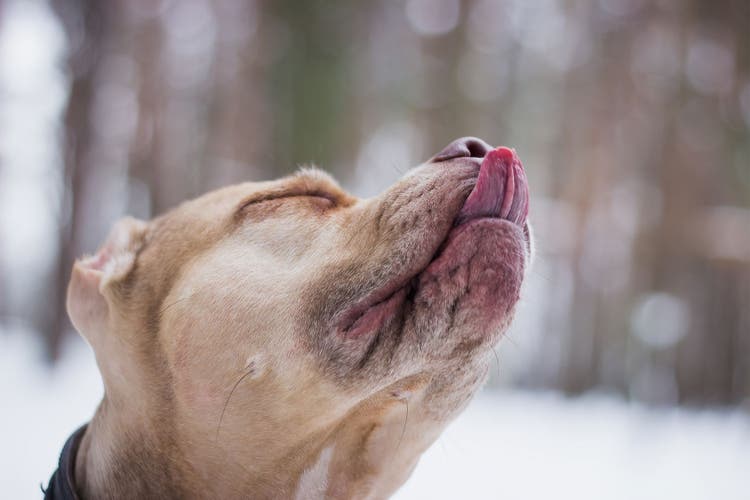
Image Source: www.petplace.com
The Roots of Canine Face Licking: More Than Just a Wet Kiss
Dogs have many ways to talk to us. Licking is a big part of that talk. Reasons for dog licking face are complex. They range from simple wants to deep social bonds. A lick on the nose is a very personal spot. It is a direct, close gesture.
Instinctive Origins of Licking
To grasp why your dog targets your nose, we must look back at their wild past. Wolves and wild dogs use licking for key survival tasks.
Puppy Licking Ritual Meaning
Think about puppy licking face meaning. When pups are very young, they lick their mother’s mouth. This signals hunger. The mother dog regurgitates food for them. This dog licking ritual meaning is primal. It is a way to ask for food or care.
When your adult dog licks your nose, it taps into this early instinct. They might see you as a primary caregiver or a pack leader. The nose lick can be a gentle plea. It asks for resources, just like a pup asks its mom.
Submissive Greetings
Licking is also a sign of deference. In a dog pack, a lower-ranking dog might lick the muzzle of a higher-ranking dog. This is a greeting. It shows respect. When your dog licks your nose, they may be saying, “I respect you. You are the leader.” This is a key aspect of canine communication nose licking.
Deciphering the Nose Lick: Common Motivations
Why the nose specifically? The nose is a very important part of a dog. It holds many scents. Licking the nose is a way to gather information and send messages.
Seeking Attention and Interaction
Most often, a nose lick is simple attention seeking. Dogs learn fast what works. If licking your face gets them a smile, a pet, or even a playful shove, they will repeat it.
- Positive Reinforcement: Your reaction teaches them the value of the action.
- Boredom Relief: If a dog is bored, licking is an easy, engaging activity.
- Greeting Ritual: It’s their way of saying, “Hello! I missed you!”
Affection and Bonding
A wet nose nudge or lick is often pure love. It’s part of dog affection nose licking. Dogs bond through grooming. They lick each other to keep clean and show care. When they groom you, they treat you like a member of their family.
Investigating Scents
Dogs experience the world through smell. Your nose carries many scents from your day. A dog licking your nose is taking a direct sample. They are reading your “scent diary.” They want to know where you have been and what you have touched. This close contact helps them interpret dog licking cues from their environment through you.
Taste and Saliva Exchange
Your nose might taste salty or interesting to them. Saliva exchange is also a form of bonding in the canine world. By licking you, they are sharing a bit of themselves with you. This reinforces the pack connection.
Grooming and Comfort: Dog Grooming Nose Licking
Grooming is vital for social dogs. It maintains hygiene and strengthens social ties. Dog grooming nose licking extends this behavior to humans.
Comfort Seeking
Sometimes, the lick is self-soothing. If a dog feels nervous or anxious, licking can calm them down. If they lick you, it can also be an attempt to calm you down if they sense distress. It is an offering of comfort.
Hygiene Attempts
While less common on the human nose, dogs sometimes lick areas they perceive as “dirty” or needing cleaning. They are applying their natural cleaners—their saliva—to a beloved pack member.
When Licking Becomes Excessive: Fathoming Dog Licking Excessive Behavior
Most nose licks are harmless. However, sometimes the frequency or intensity changes. This might signal an issue. We need to look closely at dog licking excessive behavior.
Medical Concerns
If licking becomes frantic or constant, a vet check is wise. Excessive licking, sometimes called compulsive disorder, can stem from:
- Allergies: Persistent itchiness around the mouth or nose might lead to more licking.
- Pain: Licking a certain spot can sometimes be a response to mild underlying discomfort.
- Anxiety Disorders: Separation anxiety or generalized anxiety often manifests as repetitive behaviors, including licking.
Behavioral Triggers for High Licking
If medical causes are ruled out, focus on environmental triggers.
| Trigger Type | Common Signs | Management Strategy |
|---|---|---|
| Attention Seeking | Licking stops when you redirect them with a toy. | Ignore the lick; reward calm behavior. |
| Anxiety | Licking often paired with pacing or whining. | Increase exercise and mental stimulation. |
| Learned Behavior | Licking only occurs when you are sitting still (e.g., watching TV). | Provide structured downtime activities (chew toys). |
If you notice why does my dog lick my nose constantly, try to interrupt the behavior gently without scolding. Redirect the energy to a constructive activity.
Puppy Versus Adult Licking: Variations in Meaning
The meaning of a nose lick can change with age. Puppy licking face meaning is usually about food or attention. Adult dogs might have deeper social layers to their licks.
Puppy Stage (Neoteny)
Pups explore the world with their mouths. Their licks are frequent and exploratory. They are testing boundaries and seeking nurture. This phase is generally short-lived as they mature.
Adolescent and Adult Dogs
As dogs mature, their licks become more purposeful. They are less about “feed me” and more about “I love you” or “I respect you.” Adults might use a quick nose lick as a non-confrontational way to interrupt a tense moment or diffuse potential conflict during play.
The Science Behind the Saliva: Chemical Cues
Dogs use their sense of smell for almost everything. Their sense of smell is vastly superior to ours. When they lick, they are not just tasting; they are analyzing chemical signals.
Pheromones and Emotion
Saliva contains subtle chemical signals, including pheromones. A quick lick on your nose might be their attempt to sample your current emotional state. Are you stressed? Happy? Their lick is a chemical check-in.
Moisture Preference
The human nose naturally produces moisture. Dogs are often attracted to moisture. A dry nose might prompt a lick just to satisfy this basic attraction to dampness.
Practical Tips for Responding to Nose Licks
How you react shapes future behavior. It is crucial to know how to respond appropriately to canine communication nose licking.
Establishing Boundaries Gracefully
If you want to reduce the frequency of nose licks, do not punish the action. Punishment can damage trust. Instead, teach an alternative behavior.
- The “Turn Away” Method: When your dog approaches to lick your nose, calmly turn your head away. Do not make eye contact or speak. Wait a few seconds.
- Reward the Calm: The instant your dog stops trying to lick (e.g., they sit or simply wait calmly), immediately reward them with praise or a treat.
- Substitute Action: Teach your dog an alternate greeting behavior. Ask for a “sit” or a “paw” when they approach you. Reward this compliance heavily.
Encouraging Appropriate Affection
If you enjoy the licks, you can encourage them occasionally while discouraging them when they are too intense.
- Limit licks to specific, calm times.
- Keep greetings short and sweet.
- If the lick is gentle, offer a soft pet on the chest or side instead of rewarding the face lick directly.
Table: Summarizing Motivations for Nose Licking
| Behavior Context | Primary Motivation | Suggested Response |
|---|---|---|
| Greeting after separation | Affection, Reconnection | Enthusiastic but calm greeting (petting). |
| While you are eating or cooking | Attention seeking, Soliciting food | Redirect focus to a designated chew toy. |
| When you are anxious or crying | Comfort offering, Checking status | Accept the brief lick, then offer a reassuring hug. |
| Constant, frantic licking | Anxiety, Habit formation | Consult a veterinarian or trainer for underlying cause. |
| Puppy incessantly licking | Food seeking, Pack instinct | Ensure they have eaten; redirect to appropriate play. |
Reading the Whole Dog: Context is Key for Interpretation
To truly interpret dog licking, you must look beyond just the nose. The rest of the dog’s body language provides vital context.
Tail and Body Posture
- Relaxed, mid-height tail wag: Indicates friendly affection or a standard greeting.
- Tucked tail, stiff body: Licking may be appeasement or anxiety-driven.
- Play bow stance before licking: The lick is part of a play sequence.
Ear Position
- Ears relaxed or slightly back: Contentment or deference.
- Ears pinned flat against the head: Fear or high stress; the lick is an appeasement signal.
Eye Contact
Direct, hard eye contact combined with a lick can sometimes signal challenge, though this is rare when directed at the human nose. Usually, soft, blinking eyes mean affection.
When to Be Concerned About Dog Licking Behavior
While most instances are normal, certain scenarios demand professional attention. If you are concerned about why does my dog lick my nose with alarming frequency, look for these red flags.
Intensity and Duration
Is the lick brief and light? That is fine. Is it long, frantic, or persistent, even when you pull away? This suggests a deeper need is unmet.
Associated Behaviors
Look for other signs of distress alongside the licking:
- Excessive yawning when not tired.
- Lip licking when no food is present.
- Destructive behavior when left alone.
- Hiding or shaking.
If these signs are present, the nose licking is likely a symptom of a larger issue. This is where seeking advice on dog licking excessive behavior from a certified behaviorist is important.
Conclusion: A Simple Act with Rich Meaning
A dog licking your nose is a fascinating window into their world. It bridges the gap between the wild pack animal and the devoted companion. Whether it is rooted in ancient survival instincts, a demonstration of respect, or simply a craving for connection, this wet, warm gesture is fundamentally about communication. By paying close attention to the context, the frequency, and your dog’s overall body language, you can better appreciate this unique form of dog affection nose licking and strengthen your bond.
Frequently Asked Questions (FAQ)
Is it safe for my dog to lick my nose?
Generally, yes. A quick lick is usually harmless. However, dogs’ mouths contain bacteria. If your immune system is compromised, it is best to limit face licking. Always ensure your dog has fresh water and regular veterinary care.
Why do puppies lick faces so much?
Puppy licking face meaning is primarily related to feeding. Puppies lick the mother’s mouth to signal hunger and encourage her to regurgitate food. In human homes, this translates to seeking attention or food from their caregivers.
How can I stop my dog from licking my face too much?
Consistency is key. When your dog licks your face, turn your head away calmly. Wait a moment, and as soon as they are quiet or sitting, reward them with praise or a treat. Do not scold them; redirect the energy to an acceptable behavior like fetching a toy.
Does dog licking ritual meaning change based on breed?
While licking is universal, the intensity might vary. Some breeds, like companion breeds (e.g., Cavalier King Charles Spaniels), might be more prone to seeking close physical contact and affection licking than, for example, some independent working breeds. However, the core motivation remains consistent across the species.
What if my dog only licks my nose and never my hands?
This suggests a strong focus on direct, intimate communication. The nose is highly sensitive and carries unique scents. Your dog may see the nose as the most direct route to your attention or the best place to gather information about you.
Does a quick lick mean something different than a long lick?
Yes. A quick, light lick is usually a simple greeting or a brief check-in—pure dog affection nose licking. A long, persistent lick often signals a stronger need, such as wanting attention, seeking reassurance, or perhaps trying to clean an area they perceive as needing grooming.