
Can you see whipworms in dog poop? Yes, sometimes you can see whipworms, or parts of them, in dog poop, but they are very small and hard to notice without a close look. Seeing them is rare because most of the worm lives hidden in the dog’s large intestine.
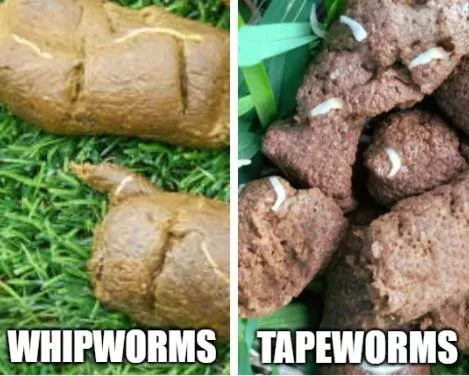
Image Source: s.puainta.com
Deciphering the Appearance of Whipworms in Canine Feces
Whipworms are tiny worms that live inside your dog. They are not as easy to spot as some other parasites, like long thin worms in puppy stool or large roundworms. Knowing what to look for is key to identifying dog intestinal parasites in feces.
The Size and Shape of Trichuris Vulpis
The adult whipworm is a thin, thread-like parasite. Its scientific name is Trichuris vulpis. It gets its name from its shape. One end is thick, and the other end is very thin, like a tiny whip.
- Length: Adult female whipworms are usually about 1 to 2 inches long. Males are shorter.
- Color: They are typically a pale white or light tan color.
- Visibility: Because they are thin and often move slowly, they can blend in with the stool. You are much more likely to see whipworm segments in stool than a whole, living worm.
If you see thin white worms in dog feces, they might be whipworms, but they could also be other things, like small tapeworm segments or even bits of undigested food. This is why accurate dog stool analysis for whipworms by a vet is so important.
What About Whipworm Eggs?
You will almost never see the eggs with your naked eye. The appearance of whipworm eggs in dog poop requires a microscope.
- Shape: Whipworm eggs are shaped like a lemon or a barrel. They have plugs at both ends.
- Size: They are very, very small. A veterinarian uses a microscope to find them during a fecal test.
If your dog has a light infection, you might only see microscopic eggs, not the actual worms.
Distinguishing Whipworms from Other Common Parasites
It is easy to confuse different worms you might see in your dog’s waste. People often ask about dog poop roundworms vs whipworms. Here is how they differ:
| Feature | Whipworms (Trichuris vulpis) | Roundworms (Toxocara canis/cati) |
|---|---|---|
| Appearance (Adult) | Thin, whip-like, pale white/tan. Small (1-2 inches). | Long, thick, spaghetti-like. Much longer (3-6 inches). |
| Location in Dog | Large intestine (cecum and colon). | Small intestine. |
| Visibility in Stool | Rare to see whole worm; sometimes segments. | More commonly seen, especially in puppies. |
| Egg Visibility | Lemon-shaped, seen only under a microscope. | Round or oval, seen under a microscope. |
If you see dog diarrhea with visible worms, and those worms look like thick strands of spaghetti, they are likely roundworms, not whipworms. Whipworms are much more subtle.
Why Seeing Whipworms in Poop is Uncommon
There are a few key reasons why spotting these parasites is difficult for the average dog owner.
Habitat Preference
Whipworms prefer to live in the part of the large intestine called the cecum and colon. This area is closer to the end of the digestive tract. When the worm passes out, it might be mixed with the feces. However, they are experts at holding on tight.
The adult worm attaches its thin, whip-like front end deep into the lining of the gut wall. This makes it hard for them to be flushed out easily.
Low Shedding Cycles
Worms do not always shed eggs or pass adult forms constantly. Whipworms have an irregular cycle of releasing eggs. This means a fecal test done on one day might come back negative, even if the dog is infected. This irregular pattern also makes seeing a worm in the stool unpredictable.
Small Size
Even the adult whipworm is small compared to a large roundworm. If you do not examine the stool carefully, especially if it is messy or has diarrhea, you will miss them.
Symptoms of Whipworm Infestation in Dogs
Often, owners only find out about whipworms through routine testing, not by seeing the worms themselves. However, heavy infestations cause clear symptoms of whipworm infestation in dogs.
Gastrointestinal Distress
Whipworms feed by embedding their heads into the intestinal lining and sucking blood and tissue fluids. This causes irritation and inflammation.
- Chronic Diarrhea: This is the most common sign. The diarrhea is often intermittent (comes and goes).
- Watery Stool: The irritated colon struggles to absorb water, leading to loose stools.
- Mucus in Stool: Inflammation often causes the stool to look slimy or have mucus coating it.
- Weight Loss: If the infection is severe, the dog may lose weight despite eating normally because of nutrient loss and chronic inflammation.
Anemia and Poor Health
Because whipworms suck blood, a severe infestation can lead to anemia. Signs of anemia include:
- Pale gums.
- Weakness or lethargy.
- Poor coat condition.
If you notice dog diarrhea with visible worms or chronic digestive issues, it is time to seek veterinary help for identifying dog intestinal parasites in feces.
How to Spot Canine Whipworms: Beyond the Poop Pile
Since how to spot canine whipworms by sight is difficult, owners need to rely on other clues.
Monitoring Stool Consistency
Pay close attention to the texture and frequency of your dog’s bowel movements. Changes that last more than a few days warrant a call to the vet. Chronic, mild diarrhea is a bigger red flag for whipworms than a single bad bout of vomiting or diarrhea.
Routine Fecal Screenings
The best way to confirm or rule out whipworms is through dog stool analysis for whipworms. This involves taking a fresh sample (ideally less than 12 hours old) to your veterinarian.
The vet will perform a fecal flotation test. They mix the stool sample with a special solution that causes the light appearance of whipworm eggs in dog poop to float to the top. They then examine this solution under a microscope.
Recognizing Puppy Issues
Puppies can get infected very early on. If you have long thin worms in puppy stool, it might be roundworms, but a vet needs to check. Puppies with any parasite burden are at higher risk for severe illness because of their small size.
Transmission and Prevention: Stopping the Cycle
Knowing what the worms look like helps with identification, but preventing them is far more important.
The Life Cycle Sneakiness
Whipworms have a complex life cycle. The eggs are passed in the feces. The eggs need time in the soil to become infective—sometimes weeks or even months. A dog can get infected by eating contaminated dirt, licking its paws after walking on contaminated ground, or eating infected tissue.
This is why routine deworming is crucial, even if you never see whipworm segments in stool.
Effective Deworming Strategies
Many common over-the-counter dewormers are very effective against roundworms and hookworms but may not fully eliminate whipworms.
- Year-Round Prevention: Monthly heartworm preventatives that also cover intestinal parasites are often effective against the larval stages of whipworms. Ask your vet for a product that specifically targets Trichuris vulpis.
- Targeted Treatment: If a dog stool analysis for whipworms is positive, your vet will prescribe a specific dewormer, such as fenbendazole or milbemycin oxime, often given for several days in a row to clear the infection completely.
Searching for Evidence: A Practical Guide for Owners
If you suspect your dog has worms and are trying to see them, follow these steps carefully.
Collecting the Sample
- Freshness Matters: Collect the stool sample as soon as the dog passes it. The worms or segments decompose quickly, especially if exposed to heat or sunlight.
- Ideal Containers: Use a clean, sealed plastic bag or a dedicated specimen cup from your vet.
- Quantity: For a routine check, a piece about the size of a large grape is usually enough. If you are searching for a visible worm, try to collect the entire bowel movement.
Examining the Sample
If you are looking for thin white worms in dog feces or any debris:
- Light Source: Examine the sample in bright light, preferably sunlight or a strong flashlight.
- Texture Check: Whipworms are not usually found floating freely. They might be stuck in the mucus layer or tangled in the softer parts of the stool.
- Sectioning: Gently break apart the stool with a stick or gloved hand (for safety). Look closely at any stringy or thread-like material you find. Remember, they look like tiny pieces of white thread or sewing needles.
Caution: If you are looking for whipworm segments in stool, be careful. Many owners mistake plant fibers, pieces of string, or shed intestinal lining for worms. Only a microscope can confirm the presence of eggs.
Why Visual Confirmation is Not Always Necessary
Relying only on visual confirmation to treat parasites is risky. A dog can harbor a moderate infection without ever showing a single visible worm in its waste.
The Microscopic View
The gold standard for diagnosis remains the lab test. A positive result from dog stool analysis for whipworms dictates the treatment plan. Even if your dog has dog diarrhea with visible worms that turn out to be something else, the vet will still check for whipworms because they are so common.
Treating Based on Risk
Even dogs with no clinical signs might be treated preventatively, especially if they live in areas known for high parasite contamination or if they are on a monthly preventative that does not reliably cover whipworms. Many vets recommend annual fecal checks precisely because whipworms are hard to eliminate and easy to pick up.
Fathoming the Health Impact
While a single whipworm is unlikely to harm a healthy adult dog, persistent infection is a problem.
Chronic Inflammation
The constant irritation from the feeding adult worms causes chronic inflammation in the colon. This makes the dog uncomfortable and can lead to:
- Chronic, low-grade diarrhea.
- Increased risk of secondary bacterial infections in the gut.
- Poor nutrient absorption.
Concerns for Vulnerable Dogs
Puppies, senior dogs, and dogs with existing immune issues are most at risk from whipworms. For them, even a small number of worms can lead to significant blood loss or severe dehydration from persistent diarrhea. This is why vigilance is highest when dealing with long thin worms in puppy stool or adult dogs showing unexplained lethargy.
Summary of Key Identification Points
To summarize what you might see if you are trying to how to spot canine whipworms:
- Whole Worms: Very rare. If seen, they are thin, pale, and about 1-2 inches long, looking like tiny white threads.
- Segments: Possible, but often mistaken for other debris. They would be very small pieces of a thin worm.
- Eggs: Invisible without a microscope. They look like tiny, plugged barrels.
- Symptoms: Chronic, intermittent diarrhea, often with mucus, is the biggest clue, even if you don’t see any thin white worms in dog feces.
If you have any concerns after inspecting the feces or if your dog shows ongoing digestive issues, contact your veterinarian immediately for a professional dog stool analysis for whipworms. Early detection and consistent treatment are the keys to keeping your dog healthy and parasite-free.
Frequently Asked Questions (FAQ)
Are whipworms always visible in dog poop?
No, whipworms are rarely visible in dog poop. They are small, and only part of the worm or an entire adult worm being flushed out makes them visible. Most infections are found by seeing the microscopic eggs during a fecal test.
If I see long thin worms in puppy stool, are they whipworms?
If the worms are long (several inches) and look like strands of spaghetti, they are most likely roundworms. Whipworms are much smaller and thinner, resembling tiny white threads or needles. Always have the sample checked by a vet to be sure.
Can I treat whipworms at home just by seeing segments?
It is strongly advised not to attempt home treatment without a confirmed diagnosis. While some over-the-counter products treat common worms, whipworms often require specific, longer-course medications prescribed after a positive dog stool analysis for whipworms. Self-treating can lead to treatment failure and prolonged infection.
How often should my dog be tested for whipworms?
For most adult dogs on year-round preventative medication that covers intestinal worms, annual testing is standard. If your dog is not on year-round prevention or shows signs like dog diarrhea with visible worms, testing should be done immediately.
Do all dogs get whipworms?
No, not all dogs get whipworms. Infection depends on exposure to contaminated soil containing the infective eggs. However, because the eggs can survive for a long time in the environment, dogs are constantly at risk unless they receive regular preventive medication.