
A dog cough happens for many reasons. It can range from mild irritation to serious sickness. If your dog is coughing, it means something is bothering their windpipe or lungs.
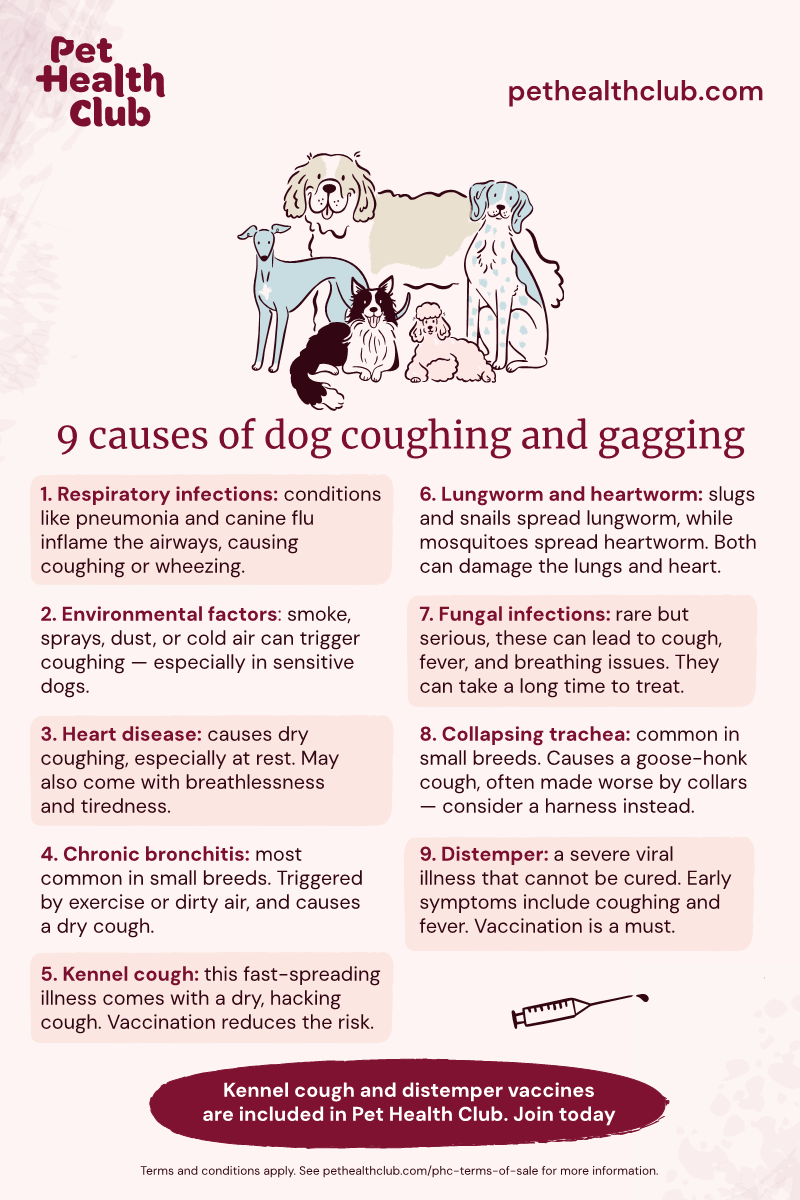
Image Source: images.ctfassets.net
Deciphering the Dog Cough: Why the Sound?
A cough is your dog’s body way of clearing things out. It pushes air out fast. This action helps remove mucus, dust, or other things stuck in the airways. Knowing the sound helps you figure out what is wrong.
Types of Dog Coughs
Not all coughs sound the same. The type of sound often points to the cause.
- Honking or “Goose-like” Cough: This loud, distinct sound is often linked to “Kennel cough causes in dogs.” It sounds like a seal barking or honking.
- Wet or Gurgling Cough: This suggests mucus is present. It might point toward a Dog respiratory infection symptoms like pneumonia.
- Dry, Hacking Cough: This often happens without much mucus. It can be linked to irritation or swelling. Canine bronchitis signs often include this type of cough.
- Reverse Sneeze: Though often mistaken for a cough, this is different. The Causes of dog reverse sneezing involve a quick gasp inward. It sounds like choking.
- Persistent, Deep Cough: This might signal heart issues, like a Dog heartworm cough, or advanced airway disease.
Infectious Causes of Dog Coughing
Germs are a very common reason dogs start to cough. These infections can spread easily between dogs.
Kennel Cough: A Common Culprit
Kennel cough causes in dogs are usually viral or bacterial. The official name is Canine Infectious Tracheobronchitis. It is highly contagious.
- Main Agents: Bordetella bronchiseptica bacteria is the most frequent cause. Viruses like Parainfluenza and Adenovirus also play a role.
- How it Spreads: Dogs get it when they sniff or lick areas another dog has coughed near. Dog parks, kennels, and grooming salons are hot spots.
- Symptoms: The main sign is a sudden, harsh, dry cough. It can often turn into gagging or retching. Sometimes, dogs vomit after a coughing fit. If the infection is severe, you might see other Dog respiratory infection symptoms like a fever or runny nose.
Other Infections
Pneumonia is a serious lung infection that causes coughing.
- Bacterial Pneumonia: This often follows another illness or aspiration (inhaling food or water). The cough sounds wet and deep.
- Fungal Infections: These are less common. They are picked up from the environment (like soil). They can cause long-term coughing.
Airway Structure Problems Leading to Coughs
The physical shape and health of a dog’s windpipe greatly affect breathing and coughing.
Tracheal Collapse
This condition is common in small and toy breeds like Yorkshire Terriers or Poodles.
- What Happens: The cartilage rings that keep the windpipe (trachea) open become weak. They flatten out.
- Cough Trigger: When the dog pulls on a leash or gets excited, the weakened trachea collapses slightly. This causes irritation and the classic honking cough. Stress and exercise become major triggers for dog coughing fits.
Chronic Bronchitis
This involves long-term swelling and inflammation in the lower airways (bronchi). It is a leading cause of chronic coughing in middle-aged and older dogs.
- Pathology: The airways narrow because of swelling and excess mucus production. This leads to persistent coughing. Canine bronchitis signs include a chronic, dry cough that often gets worse with exercise or excitement.
- Diagnosis: Vets look for this when a cough lasts for months and infectious causes have been ruled out.
Heart-Related Causes of Coughing
When a dog’s heart is not pumping blood well, fluid can back up into the lungs. This fluid irritates the airways and causes a cough.
Congestive Heart Failure (CHF)
This is common in older dogs, especially those with mitral valve disease.
- Mechanism: The heart struggles to move blood. Pressure builds up, forcing fluid into the air sacs of the lungs (pulmonary edema).
- Cough Characteristics: This cough is often moist and happens most when the dog is resting or sleeping. It can worsen when the dog lies down flat. A severe Dog heartworm cough can also mimic heart failure symptoms, though heartworms primarily affect blood flow, leading to secondary lung congestion.
Dog Heartworm Disease
Heartworms are parasites that live in the heart and pulmonary arteries.
- Impact: As the worms grow, they damage the vessels, causing inflammation and coughing. The dog’s body reacts to the worms dying, which also causes lung changes.
- Symptoms: Early stages might show mild coughing, especially after exercise. Advanced stages cause severe breathing trouble and weakness.
Irritation and Environmental Triggers
Sometimes the cause is simple: something irritating the throat or lungs from the outside.
Foreign Objects and Irritants
If a dog inhales something, it can lodge in the throat or trachea.
- Examples: A piece of dry food, a blade of grass, or even a small toy part.
- Symptoms: The coughing is usually sudden and intense, often followed by gagging. The dog seems distressed until the object is dislodged.
Allergies and Smoke
Just like people, dogs can react to airborne irritants.
- Triggers: Cigarette smoke, strong perfumes, air fresheners, or dusty environments. These cause inflammation, which is a key component of Dog throat irritation symptoms.
- Dog Asthma Symptoms: While true canine asthma is rare compared to feline asthma, dogs can experience allergic reactions that mimic it. The airways constrict, leading to wheezing and coughing fits.
Reverse Sneezing vs. Coughing
It is vital to tell the difference between a cough and a reverse sneeze.
- What is a Reverse Sneeze? The Causes of dog reverse sneezing involve a sudden, rapid intake of air through the nose. The dog stands still, neck extended, making loud snorting or gagging sounds. It looks like they are choking.
- Why it Matters: Reverse sneezing is usually harmless and resolves quickly. Coughing signals a deeper problem in the lungs or trachea.
Less Common but Serious Causes
While infections and heart issues are common, other diseases cause coughing.
Cancer
Tumors in the chest cavity (lungs or trachea) can press on airways or block them.
- Cough Profile: The cough is often deep, persistent, and does not respond to typical treatment. It might worsen over time.
Laryngeal Paralysis
This mainly affects older, large-breed dogs. The nerves controlling the voice box (larynx) stop working well.
- Effect: The throat doesn’t close properly when swallowing or breathing out forcefully. This can lead to choking sounds or coughing when drinking water.
Remedies and Management of Dog Coughs
Treatment depends entirely on what is causing the cough. Home care might help mild cases, but serious issues need vet intervention.
Home Care for Mild Irritation
If you suspect mild Dog throat irritation symptoms or a recent dust exposure, try these steps:
- Use a harness instead of a collar to avoid pressure on the neck.
- Run a humidifier, especially while the dog sleeps. Dry air irritates airways.
- Avoid known irritants like smoke or strong cleaners.
If the cough sounds like Kennel Cough, home remedies are often used while the body fights the infection, but antibiotics may be needed if secondary bacterial infection occurs. For Kennel Cough, some owners try over-the-counter cough suppressants specifically made for dogs, but consult your vet first.
Veterinary Treatments
Medical treatment is targeted at the root issue.
| Condition | Common Treatment Approach |
|---|---|
| Kennel Cough | Rest, sometimes antibiotics (if bacterial), cough suppressants. |
| Heart Disease | Diuretics (to remove fluid), heart medications, managing weight. |
| Chronic Bronchitis | Anti-inflammatory steroids (oral or inhaled), bronchodilators. |
| Tracheal Collapse | Weight loss, cough suppressants, avoiding excitement, surgery in severe cases. |
| Heartworms | Specialized medications (requires careful monitoring). |
For severe cases, vets may prescribe bronchodilators to open the airways or strong cough suppressants to allow the dog to rest.
When to Worry About Dog Cough
It is crucial to know when to worry about dog cough. A short bout of coughing after drinking water is usually fine. However, persistent or severe symptoms demand immediate attention.
Red Flags Requiring Immediate Vet Care
Do not wait if you see any of these signs alongside the coughing:
- Breathing Difficulty: Shallow, rapid breathing, or visible effort to breathe (straining the belly).
- Blue or Pale Gums: This means the dog is not getting enough oxygen. This is an emergency.
- Coughing up Blood: This indicates serious bleeding in the respiratory tract.
- Lethargy and Fever: Signs of a serious systemic illness, such as pneumonia.
- Coughing Fits That Lead to Vomiting or Collapse: This shows the cough is severe or related to airway blockage/spasm.
When to Schedule a Routine Visit
Schedule a visit if the cough lasts more than a week, even if the dog seems otherwise well. Persistent coughing is often an early sign of chronic disease, such as Canine bronchitis signs developing slowly.
Factors That Increase Coughing Spells
Several things can turn a mild cough into one of the frequent triggers for dog coughing fits.
Excitement and Exercise
For dogs with heart disease, collapsed tracheas, or bronchitis, excitement is a major trigger. A doorbell ringing or seeing another dog can cause a sudden coughing spell because adrenaline increases heart rate and respiratory rate.
Temperature and Humidity
Extreme temperatures affect sensitive airways.
- Cold Air: Can trigger spasms in the trachea or bronchi.
- Hot, Humid Air: Can make breathing harder, especially for dogs with underlying heart conditions or asthma-like signs.
Diet and Water Intake
If a dog is eating too fast, they might inhale kibble or water, causing gagging or coughing fits. Ensuring slow feeding can reduce these incidents.
Advanced Diagnostic Tools
Diagnosing the exact cause requires more than just listening to the cough. Vets use several tools.
Chest X-rays (Radiographs)
X-rays are essential. They let the vet see the size of the heart, look for fluid in the lungs (indicating heart failure), and check for masses (tumors) or signs of pneumonia. They are key in spotting the changes associated with Dog heartworm cough complications.
Heartworm Testing
A simple blood test confirms the presence of heartworms. Early detection is vital for successful treatment.
Bronchoscopy
For chronic coughs where bronchitis or foreign bodies are suspected, the vet might look directly into the airways using a tiny camera. They can collect samples or remove small irritants during this procedure.
Preventing Canine Coughs
Prevention is always better than cure, especially for contagious illnesses.
Vaccination
Vaccines are crucial for preventing common contagious causes.
- Bordetella Vaccine: Protects against the primary bacteria in Kennel Cough. It is often required for boarding or grooming.
- Distemper/Parvo Combo: Protects against certain viruses that can weaken the immune system, making the dog prone to secondary infections that cause coughing.
Parasite Control
Year-round heartworm preventative medication is the best way to stop Dog heartworm cough before it starts. This medication kills the larval stages of the worm before they mature.
Environmental Management
Keep known irritants away from your dog. If you have a small breed prone to throat issues, switch to a walking harness immediately. Never use a neck collar for walking if your dog has known tracheal issues.
FAQ Section
Is a dog cough contagious?
Yes, many dog coughs are highly contagious. Kennel cough, caused by bacteria and viruses, spreads very easily between dogs. If your dog has a harsh, hacking cough, keep them away from other dogs until a vet clears them.
Can my dog cough just from being nervous?
Yes. High anxiety or intense excitement can cause rapid, shallow breathing or short triggers for dog coughing fits. This is often related to airway sensitivity or a pre-existing condition like tracheal collapse that is aggravated by stress.
What if my dog keeps gagging after coughing?
Gagging or retching immediately following a cough often happens when the cough is very harsh, especially with Kennel Cough or tracheal collapse. The forceful effort irritates the throat so much it triggers the gag reflex. If this leads to vomiting bile, it signals severe irritation.
Are there specific home remedies for Dog throat irritation symptoms?
For mild irritation, honey (in small amounts, never give to puppies under one year old) can sometimes coat the throat. Humidifiers and ensuring your dog drinks clean water are also helpful. Always prioritize vet advice for persistent issues.
How is reverse sneezing different from a real cough?
A cough pushes air out forcefully to clear the lower airways. A reverse sneeze is a sudden, rapid inward snorting sound, usually due to irritation in the back of the throat or nose. They are easy to confuse, but one clears the lungs, and the other clears the nose/throat passage.
What are common Dog respiratory infection symptoms besides coughing?
Other signs include thick or colored nasal discharge (yellow or green), lethargy, reduced appetite, and fever. If you notice these along with a cough, it points strongly toward an active infection.