
Yes, you absolutely can spray safe products on your dog to make them smell good. Many owners use special dog cologne or pet fragrance spray designed just for canines. However, it is crucial to use products made specifically for pets. Human perfumes and body sprays can hurt your dog’s skin and health. This guide will help you pick the best and safest ways to give your furry friend a lovely scent.
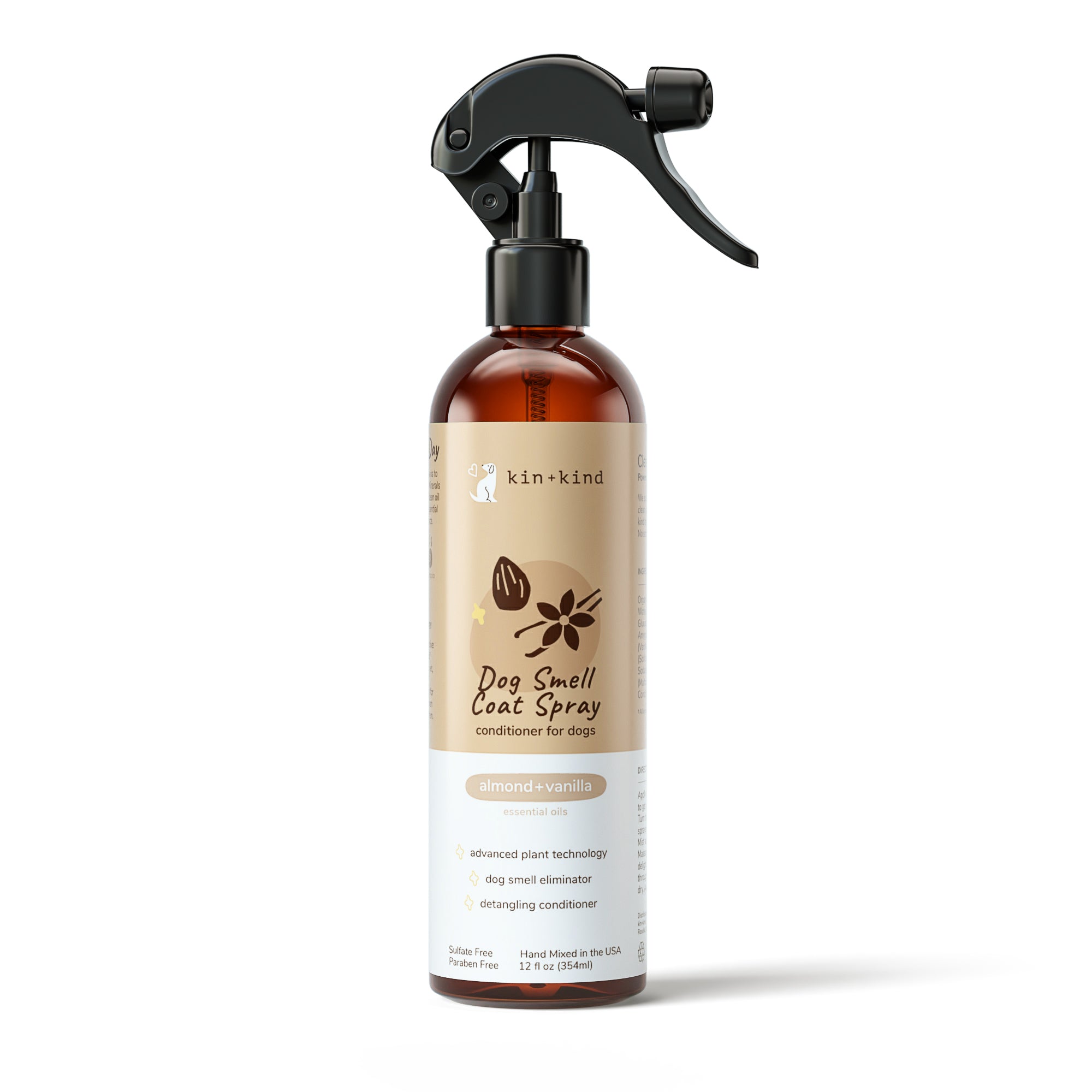
Image Source: kin-kind.com
Why Do Dogs Need Special Sprays?
Dogs smell different from us. Their skin has a different pH level. Also, their sense of smell is much stronger than ours. What smells nice to a person might be too strong or even toxic to a dog.
The Science Behind Pet Scents
A dog’s skin is thinner than human skin. It can easily absorb chemicals found in regular perfumes. Many human scents contain alcohol, essential oils that are toxic to dogs (like tea tree or citrus oils), and strong artificial fragrances. These can cause skin irritation, allergies, or even poisoning if the dog licks the product off its coat.
A good dog grooming deodorizer is formulated to be gentle. It balances the natural oils in your dog’s coat. It removes bad smells instead of just covering them up.
Types of Smelling Sprays Available
There are many options when you want your dog to smell fresh. Choosing the right one depends on your dog’s skin sensitivity and how long you want the smell to last.
Water-Based Freshening Sprays
These are the most common and often the safest choice. They are light and evaporate quickly. They usually contain water, mild deodorizers, and dog-safe fragrances.
- They offer a light scent boost.
- They are great for daily use.
- Look for sprays labeled as a dog freshener spray.
Conditioning and Deodorizing Sprays
These products do more than just mask odors. They often contain ingredients that help moisturize the skin and coat. They might include aloe vera or oatmeal.
These are excellent as a dog coat spray for scent. They help detangle hair while leaving a pleasant, lasting aroma.
Natural Odor Solutions
If your dog has sensitive skin or you prefer eco-friendly options, look for a natural dog odor eliminator. These often use baking soda, vinegar (in very small, neutralized amounts), or plant extracts to neutralize smells rather than adding heavy perfumes.
These are wonderful for puppies, too. A puppy smell good spray should always lean towards the most natural and mildest ingredients available.
Canine Perfumes and Colognes
These products are specifically marketed as canine perfume or dog cologne. They are usually stronger than standard fresheners and aim for a longer-lasting scent, similar to human cologne but formulated safely for dogs. Use these sparingly. They are often best for special occasions or right after a bath.
| Spray Type | Primary Function | Best For | Scent Intensity |
|---|---|---|---|
| Water-Based Freshener | Quick scent refresh | Daily touch-ups | Light to Medium |
| Conditioning Spray | Moisturizing and scent | Dry coats, long-lasting scent | Medium |
| Natural Eliminator | Neutralizing odor sources | Sensitive skin, allergy-prone dogs | Very Light or Odorless |
| Dog Cologne | Strong, lasting fragrance | Special events | Medium to Strong |
Picking the Safest Ingredients
The ingredients list tells the real story. You must check what is in the bottle before spraying your pet. Safety comes first, even when aiming for the best smelling dog spray.
Essential Oils: Use with Extreme Caution
Essential oils can give a wonderful aroma, but many are dangerous for dogs, even when diluted. If you see a product marketed as a dog essential oil spray, you must verify the oil types.
Oils that are TOXIC to dogs include:
- Tea Tree Oil (Melaleuca)
- Pennyroyal
- Wintergreen
- Pine Oils
- Ylang Ylang
- Cinnamon
A safe pet fragrance spray will use oils known to be safe for dogs in very low concentrations, such as lavender (in low doses) or chamomile. Always check with your vet if you are unsure about a specific oil blend.
What to Look For on the Label
When shopping, look for clear statements confirming the product is pet-safe.
- Alcohol-Free: Alcohol dries out the dog’s skin.
- Paraben-Free: Parabens are preservatives that some people prefer to avoid.
- pH Balanced: This ensures the spray matches the natural acidity of your dog’s skin.
- Hypoallergenic: Great for dogs prone to scratching or skin reactions.
How to Apply Scent Sprays Correctly
Even the safest spray can cause problems if used incorrectly. Proper application ensures your dog smells good without inhaling too much product or getting it in their eyes or nose.
Preparation is Key
Before you spray, make sure your dog is clean. Sprays work best on clean coats. If you spray on a dirty dog, you just end up with “perfumed dirt.” A good brushing session first will help distribute the product evenly later.
Application Technique
Never spray directly onto your dog’s face, ears, or genital area.
- Spray Your Hands First: Spray the dog freshener spray onto your palms. Rub your hands together lightly.
- Massage the Coat: Gently rub your hands through your dog’s back, sides, and tail area. This lets the scent settle into the fur fibers.
- Use a Brush: For an even finer mist, spray the product onto a slicker brush or grooming comb. Then, brush through the coat. This is especially helpful when using a heavier dog cologne.
- Targeting: For areas like the chest or around the neck (avoiding the throat), you can give a light spritz in the air above them, letting the mist fall onto their fur.
How Often Can I Spray?
This depends on the product. A light water-based spray might be fine daily. A heavier canine perfume should probably only be used once or twice a week, or only after bathing. Overuse can cause scent fatigue for the dog and potential skin buildup.
Dealing with Stubborn Odors (When Spraying Isn’t Enough)
Sometimes, a spray is just a cover-up. If your dog smells persistently bad, you need to find the source of the odor. A great dog grooming deodorizer helps, but underlying issues need treatment.
Common Causes of Dog Odor
Understanding the root cause helps you choose the right treatment, whether it’s a bath, a special spray, or a vet visit.
- Skin Infections: Yeast or bacterial infections often cause a musty, strong smell. This needs medical care, not just spray.
- Anal Gland Issues: Infected or full anal glands produce a very pungent, fishy odor. This requires professional emptying.
- Dental Disease: Bad breath often stems from severe dental buildup.
- Ear Infections: Smelly ears are a sign of yeast or bacteria inside the ear canal.
- Diet and Allergies: Poor nutrition or environmental allergies can lead to excess oil production and odor.
Bathing Solutions
If the odor is mild, a high-quality deodorizing shampoo followed by a conditioning rinse is the first step. After bathing, use your chosen best smelling dog spray while the coat is still slightly damp. This helps lock in the fragrance as the coat dries.
Choosing the Best Smelling Products: Scent Profiles
The best scent for your dog is subjective, but some profiles are generally safer and more appealing. Avoid very heavy, musky, or overly sweet scents that mimic human products.
Safe and Popular Scent Categories
When looking for a dog freshener spray, you will typically find these categories:
- Light Floral/Herbal: Scents like chamomile, rosemary, or very light rose. These are calming and generally well-tolerated.
- Clean/Powdery: Smells like fresh laundry or baby powder. These are often the choice for a puppy smell good spray because they are subtle.
- Fruity/Citrus (Use Caution): Some mild, safe fruit extracts are used, but steer clear of sprays with high levels of actual citrus essential oils.
Avoiding Overpowering Scents
Remember the dog’s nose. A fragrance that makes you wrinkle your nose in a good way might make your dog sneeze uncontrollably. Start subtle. If your dog shakes their head repeatedly after application, the scent is too strong or irritating.
Safety Considerations for Different Dog Types
Different dogs have different needs when it comes to coat sprays.
Puppies
Puppies have very sensitive skin and developing immune systems. Stick to unscented or very lightly scented, hypoallergenic, natural dog odor eliminator products. A gentle puppy smell good spray should contain minimal ingredients. Always ensure it is free of alcohol and harsh chemicals.
Short-Haired Dogs (e.g., Boxers, Greyhounds)
Short coats offer less barrier between the spray and the skin. Products applied to these coats should be very light, like a fine mist, to prevent soaking the skin. Conditioning sprays are helpful to prevent dryness.
Long-Haired Dogs (e.g., Goldens, Poodles)
Longer coats can hold scent better, but they can also trap product residue. Sprays need to be applied thoroughly but lightly, often requiring brushing to ensure the product reaches the skin layer without creating clumps.
Dogs with Allergies or Skin Issues
If your dog scratches after using a product, stop immediately. Switch to a completely hypoallergenic, veterinary-approved dog grooming deodorizer. These often focus on skin health first, with only minimal, soothing scents added, or are completely unscented.
Decoding Product Marketing: What Does “Deodorizing” Mean?
Many products claim to deodorize. Deciphering this term is important for effectiveness.
Masking vs. Neutralizing
- Masking: This is when a strong fragrance covers up the bad smell. If the mask wears off, the odor returns. Many basic pet fragrance spray options work this way.
- Neutralizing: This involves chemical or enzymatic reactions that break down the odor-causing molecules. True odor neutralizers are far more effective long-term. Look for labels that mention enzymes or binding agents if you need a true natural dog odor eliminator.
Longevity Claims
Be skeptical of claims that a scent will last for weeks. Realistically, even the best dog cologne will fade noticeably after a few days, especially after walks or play sessions. Reapplication is usually necessary every 2–4 days for maintenance.
The Financial Aspect: Cost vs. Quality
A high-quality dog coat spray for scent can cost more than a budget option. Consider what you are paying for.
| Price Range | Typical Ingredients/Quality | Best Use Case |
|---|---|---|
| Budget ($5–$10) | High alcohol, strong synthetic perfumes, basic masking agents. | Very occasional use on a healthy, clean dog. |
| Mid-Range ($10–$20) | Better quality fragrances, some conditioning agents, fewer harsh chemicals. | Regular use as a dog freshener spray. |
| Premium ($20+) | Organic ingredients, high concentration of beneficial oils (safe ones), enzymatic neutralizers. Often marketed as best smelling dog spray due to sophisticated formulation. | Daily use, sensitive skin, professional grooming results. |
Investing slightly more often yields a safer product that is gentler on your pet’s coat and skin.
Beyond Sprays: Other Ways to Enhance Dog Scent
Sprays are a final touch. For best results, combine spraying with good hygiene practices.
The Importance of Brushing
Regular brushing removes dead hair, dirt, and dander. This debris holds onto odors. Using a dry brush before applying any spray helps clean the surface layer. Some brushes are even designed to be lightly misted before use, which helps evenly disperse the dog essential oil spray if you use one.
Diet and Health Checks
As mentioned, diet significantly impacts body odor. Foods high in fillers or low-quality proteins can lead to skin issues that cause smell. Ensure your dog is eating high-quality food recommended by your veterinarian. A healthy dog smells like a healthy dog—mildly earthy, not offensively rank.
Environmental Control
Wash your dog’s bedding, toys, and blankets regularly. These items absorb odors and transfer them right back onto your freshly sprayed dog. Clean bedding makes any pet fragrance spray last much longer.
Final Review: Choosing Your Scent Product
When you stand in the pet store aisle staring at bottles of canine perfume, take a deep breath (a small, careful one!) and remember these final checks:
- Check the Ingredients: Is it alcohol-free? Are any toxic essential oils listed?
- Purpose: Are you looking for a quick refresh (freshener) or deep conditioning (coat spray)?
- Test First: If possible, test a tiny spray on your own wrist first. If the scent is too strong for you, it is definitely too strong for your dog.
- Vet Approval: If your dog has any skin condition, ask your vet which type of dog cologne they recommend.
A safe, clean, and lightly scented dog is a happy dog! Using these products correctly is a fun way to bond and keep your companion smelling wonderful between full baths.
Frequently Asked Questions (FAQ)
Can I use human body spray on my dog?
No. Human body sprays contain high levels of alcohol, synthetic fragrances, and chemicals that are too harsh for a dog’s skin pH and can be toxic if licked off. Always use products labeled specifically for dogs, like a dog grooming deodorizer.
Are dog essential oil sprays safe?
They can be safe if the oils are diluted correctly and are non-toxic to canines. Oils like lavender or chamomile are often safe in tiny amounts. However, many common oils (like tea tree, citrus, or peppermint) are dangerous. If unsure, opt for a chemical-free, scent-free product or one verified safe by a groomer or vet.
How long should a dog spray scent last?
This varies greatly. A light dog freshener spray might last a few hours to a day. A heavier dog cologne or conditioning spray may last 2–4 days before needing reapplication. Longevity depends on the dog’s activity level and coat type.
What is the best way to remove a strong dog odor naturally?
Start with a thorough bath using a quality deodorizing shampoo. After drying, you can apply a natural dog odor eliminator spray containing baking soda or vinegar (properly diluted). Brushing thoroughly after the bath also helps remove trapped odors.
Can a puppy use a pet fragrance spray?
Young puppies (under 6 months) should generally avoid strong scents. Their immune systems are still developing. If you must use a product, select a very mild, hypoallergenic puppy smell good spray or stick to simple deodorizing wipes until they are older.