
The canine cancer symptoms can be subtle at first, making early detection challenging for pet owners. Yes, dogs can get cancer, and it is a major health concern for pets, especially as they age. Recognizing the early clues is vital because catching cancer sooner often leads to better treatment options and outcomes for your beloved companion.
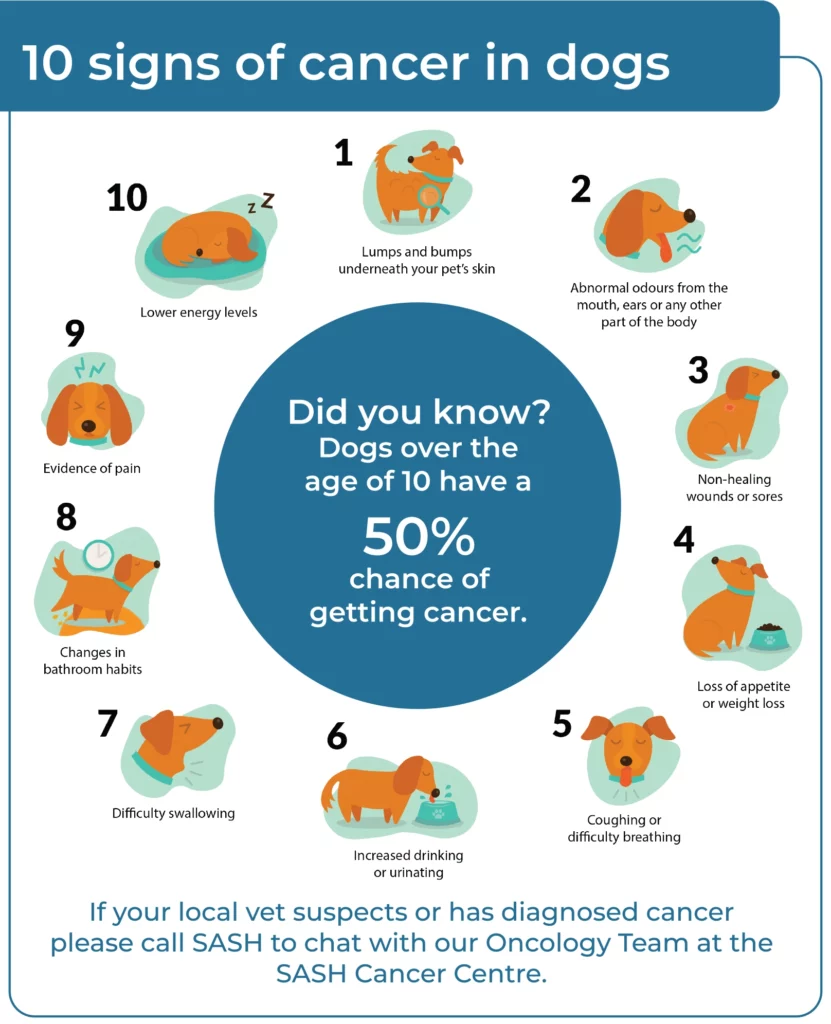
Image Source: sashvets.com
Why Early Detection Matters in Canine Cancer
Cancer is not just a disease of older dogs, though age is a risk factor. Just like in people, early treatment offers the best chance for success. When you are sharp about watching your dog, you can spot small changes. These small changes might be the first hint of serious illness. Knowing what to look for helps you talk with your vet sooner. Early action can mean more quality time with your pet.
Interpreting Physical Changes: Lumps and Bumps
One of the most common ways people find cancer is by feeling something wrong on their dog’s body. This is where paying close attention to lumps and bumps on dogs becomes crucial. Not every lump is cancer, but every lump needs checking.
Identifying Suspicious Lumps
What should you look for when checking your dog? Dog lump identification starts with regular petting sessions. Make it a habit to run your hands over your dog from nose to tail daily. This helps you find lumps when they are very small.
Characteristics of Concern
Some features of a lump raise red flags for signs of malignancy in dogs.
- Size and Growth Rate: A lump that grows quickly is more concerning than one that stays the same size for months. Fast growth suggests aggressive cells.
- Texture: Hard, firm lumps are often more worrisome than soft, squishy ones. Very hard lumps might mean the mass has invaded nearby tissue.
- Fixation: Can you move the lump easily under the skin? Lumps that seem stuck to the tissue beneath them are often more dangerous. This is called being “fixed.”
- Location: While lumps can appear anywhere, those near lymph nodes or deep in muscle tissue need prompt checking.
Be aware of unusual growths in dogs, even those that seem small. A tiny bump can hide a large problem underneath the skin.
Internal vs. External Growths
While external lumps are easy to spot, cancer often hides inside the body. Detecting cancer in pets sometimes requires X-rays or ultrasounds because the growth is internal. Always report any changes you feel during petting to your veterinarian.
Changes in Behavior and Energy Levels
Cancer affects the whole body, not just where the tumor is. Changes in how your dog acts are major warning signs of cancer in dogs. These signs are often vague, so owners might blame them on getting older.
Fatigue and Lethargy
A very common sign is a sudden drop in energy. Does your dog not want to play fetch anymore? Does the walk seem too tiring?
- Refusing favorite games.
- Sleeping much more than usual.
- Slow to get up after resting.
These changes can mean the cancer is stealing energy or causing pain. Low energy can also point toward anemia caused by internal bleeding from a tumor.
Appetite and Weight Loss
Cancer cells use up a lot of the body’s resources. This often leads to changes in eating habits and weight.
- Sudden Weight Loss: If your dog is eating normally but still losing weight, this is a serious clue.
- Decreased Appetite: Some dogs stop wanting food altogether. Others only pick at their meals.
- Difficulty Eating or Swallowing: Tumors in the mouth, throat, or chest can make eating painful or hard.
Keep track of how much food your dog eats each day. Compare this to their weight over a few weeks.
Signs Related to Breathing and Sound
Cancers affecting the chest, lungs, or throat present clear canine cancer symptoms related to breathing. These signs need urgent vet attention.
Breathing Difficulties
Look for changes in the way your dog breathes, even when resting.
- Coughing: A persistent cough that doesn’t go away, especially one that sounds dry or hacking, needs checking. This is common with lung tumors or heart issues (which can sometimes be confused with cancer).
- Shortness of Breath (Dyspnea): Breathing rapidly or seeming to struggle for air after mild exercise.
- Noisy Breathing: Sounds like wheezing or rattling when inhaling or exhaling.
Changes in Voice
If your dog suddenly starts sounding hoarse, or if a bark changes its tone, it could mean a tumor is pressing on the voice box (larynx).
Digestive and Urinary System Changes
Many internal cancers affect the gut, liver, or kidneys. These often cause changes in bathroom habits.
Stool and Urination Issues
Watch what comes out—and how often!
- Diarrhea or Constipation: Long-lasting changes in stool quality are worrisome.
- Blood in Stool or Urine: Bright red blood or dark, tarry stools need immediate vet input. This often signals bleeding from a tumor in the GI tract.
- Straining to Urinate: Difficulty emptying the bladder can point to bladder or prostate tumors.
- Increased Thirst or Urination: Excessive drinking and peeing can signal kidney issues or diseases like diabetes, which sometimes accompany cancer.
Abdominal Bloating or Pain
If your dog’s belly looks swollen or hard, this could be due to fluid build-up (ascites) or a large tumor mass inside the abdomen. If your dog cries out or seems reluctant to let you touch their stomach, they are showing signs of pain. Late-stage cancer signs in dogs often include significant abdominal swelling.
Skin and Coat Changes
The skin is the largest organ, and it can show signs of trouble early on.
Sores and Non-Healing Wounds
Any cut, scrape, or sore that refuses to heal normally warrants investigation. Some skin cancers look like simple wounds that just will not close up.
Unusual Discharge
Discharge from the nose, eyes, or other body openings that is persistent or foul-smelling needs to be checked. Certain oral or nasal tumors can cause this.
Recognizing Canine Tumors: When to Worry About the Mouth
Oral tumors are very common in dogs. They can grow quickly and be quite aggressive.
Bad Breath (Halitosis)
While bad breath is often linked to dental disease, a sudden, very foul odor that doesn’t improve with a dental cleaning might signal a rotting tumor in the mouth.
Changes in Eating Habits
If your dog suddenly drops food while chewing, chews only on one side of the mouth, or avoids hard food, check inside their mouth for growths or swelling.
The Role of Veterinary Check-ups and Screening
As a pet owner, you are the first line of defense. However, veterinarians are experts in recognizing canine tumors and other subtle issues.
Routine Wellness Exams
Annual (or semi-annual for seniors) exams are crucial. Your vet performs a thorough physical check. They feel the whole body, check the eyes, ears, mouth, and lymph nodes. This thorough check is a form of cancer screening for dogs.
Advanced Diagnostics
If your vet suspects something, they may recommend further steps to confirm their concerns:
| Diagnostic Tool | What It Looks For | When It’s Used |
|---|---|---|
| Blood Tests | Anemia, elevated liver/kidney values, specific tumor markers. | Initial screening, checking organ health. |
| Urine Tests | Protein loss, signs of kidney involvement. | Checking urinary tract health. |
| X-rays (Radiographs) | Visible masses in the chest or abdomen, bone changes. | Finding internal tumors or checking for spread. |
| Ultrasound | Detailed look at soft tissues, guiding biopsies. | Visualizing internal organs like the spleen or liver. |
| Biopsy/Fine Needle Aspirate (FNA) | Determining if cells are benign or malignant. | Essential for a definitive diagnosis. |
Common Types of Cancer and Their Specific Signs
Different cancers show different signs. Knowing the common types helps you watch for specific issues relevant to your dog’s age and breed.
Lymphoma (Cancer of the Lymph System)
Lymphoma often presents as generalized swelling of the lymph nodes. These nodes feel like firm, rubbery “beans” under the skin.
- Nodes under the jaw (submandibular).
- Nodes in front of the shoulders (prescapular).
- Nodes behind the knees (popliteal).
If these nodes are swollen for more than two weeks and are not related to a recent infection or vaccination, see the vet.
Mast Cell Tumors (MCTs)
These skin tumors are famously unpredictable. They can look like anything from a small, harmless bump to an infected sore or an insect bite. They are one of the most common lumps and bumps on dogs.
- Warning Sign: Rapid swelling or shrinking of a skin lump. MCTs sometimes release histamine, causing temporary swelling around the mass.
Osteosarcoma (Bone Cancer)
This aggressive bone cancer is more common in large and giant breeds.
- Key Sign: Persistent, worsening lameness or limping that doesn’t improve with rest. Swelling over a joint or bone is another major clue.
Hemangiosarcoma
This cancer starts in the blood vessel linings and often affects the spleen, heart, or liver. It is often silent until it causes sudden, life-threatening symptoms.
- Warning Signs: Sudden weakness, collapse, pale gums, and rapid breathing (due to internal bleeding). This is a critical late-stage cancer sign in dogs.
Interpreting Canine Cancer Symptoms: What to Do Next
If you see any of the signs listed above, it is natural to worry. However, panic is not helpful. A clear plan of action is best.
Document Everything
Before your appointment, write down what you have noticed. Be specific.
- When did you first notice the lump?
- How fast did it change?
- What specific behaviors have changed (e.g., “Runs 10 minutes less than last month”)?
- What is your dog eating and drinking?
This documentation helps the vet narrow down possibilities quickly.
Communicating with Your Veterinarian
Use clear language when talking to the vet. Instead of saying, “He seems sick,” say, “He has coughed three times every morning for the last week, and he has lost two pounds.” Being specific helps the vet decide which tests are needed for detecting cancer in pets accurately.
The Importance of Age and Breed Predisposition
While cancer can strike any dog, certain factors increase risk. Knowing your dog’s background helps focus your watchfulness.
Age Factor
Most cancers are diagnosed in dogs over ten years old. As dogs age, cellular repair mechanisms slow down, increasing cancer risk. This is why senior dogs need more frequent check-ups.
Breed Predisposition
Some breeds are genetically predisposed to specific cancers. For example:
- Golden Retrievers and Boxers: Have high rates of lymphoma and mast cell tumors.
- German Shepherds: Higher risk for anal sac adenocarcinomas.
- Large Breeds (Great Danes, Rottweilers): Higher risk for osteosarcoma.
If you own a breed prone to a certain cancer, you should be extra vigilant about the associated warning signs of cancer in dogs.
Beyond the Visible: Metabolic Signs of Cancer
Sometimes, cancer causes widespread metabolic issues before a visible lump appears. These are harder to spot without blood work.
Pain and Mobility Issues
Chronic pain from cancer often shows up as subtle changes in movement.
- Hesitation before jumping onto furniture.
- Stiffness after waking up.
- Reluctance to use stairs.
If pain medication helps, but the underlying stiffness returns, it points toward a deeper problem than simple arthritis. These are crucial signs of malignancy in dogs that owners might overlook as normal aging.
Changes in Scent or Breath
Dogs have an amazing sense of smell. Some recent research suggests dogs can even be trained to smell certain cancer markers in breath or urine samples. While this is emerging, paying attention to sudden, strange odors coming from your dog’s body could be a cue.
A Note on Benign Tumors
It is important to remember that not all unusual growths in dogs are cancerous. Many dogs develop lipomas (fatty tumors) or benign skin tags. These are usually soft, mobile, and do not grow aggressively. However, because benign tumors look so much like malignant ones on the surface, any new growth requires veterinary biopsy or removal to be certain. Never assume a lump is harmless.
Conclusion: Taking Proactive Steps Against Canine Cancer
Fathoming the signs of cancer in your dog requires diligence. Owners must be proactive about health checks. Regularly petting your dog helps with dog lump identification. Reporting subtle changes in energy, appetite, or bathroom habits quickly gives your vet the best chance for a successful diagnosis. Early intervention greatly improves the prognosis for your best friend. Regular veterinary care is your strongest tool in the fight against canine cancer.
Frequently Asked Questions (FAQ)
How often should I check my dog for lumps?
You should check your dog daily while petting them, but a thorough, hands-on examination should happen at least once a week. This helps you notice small changes early on.
Can a lump that goes away on its own be cancer?
Yes, some specific types of mast cell tumors can temporarily swell and then shrink. However, any lump that appears, disappears, or changes size rapidly needs immediate veterinary attention to rule out aggressive cancer.
If my senior dog is tired, is it always cancer?
No. Tiredness or lethargy in older dogs can be due to many things, including arthritis, heart disease, hypothyroidism, or simple aging. However, because cancer risk increases with age, sudden, unexplained fatigue must be investigated to eliminate cancer as a cause.
What is the difference between a benign tumor and a malignant tumor?
A benign tumor stays in one place and does not invade or spread to other parts of the body. A malignant tumor (cancer) grows rapidly, invades nearby tissues, and can spread (metastasize) to distant parts of the body. Only a biopsy can confirm the difference.
Are oral tumors common in all dogs?
Oral tumors are quite common, especially in older dogs. Breeds like Golden Retrievers and Cocker Spaniels tend to have higher risks for certain mouth cancers. Regular dental checks often reveal lumps in the mouth early.