
The seven most important dog commands are Sit, Stay, Come (Recall), Down, Leave It, Heel, and Look at Me (Focus). These are the essential dog commands that form the basis of good manners, safety, and a strong bond between you and your dog.
Dog training is one of the best things you can do for your pet. Good manners make your dog a joy to be around. More importantly, these crucial dog training commands keep your dog safe in many different situations. Learning these top dog obedience cues helps you manage your dog in the house, the park, and on walks. This guide will walk you through the basic dog commands list needed for foundational dog training. We will look at why each command matters and how to teach it well. Mastering these must-know dog commands sets the stage for advanced training later. They are the core dog training commands for fundamental dog obedience.
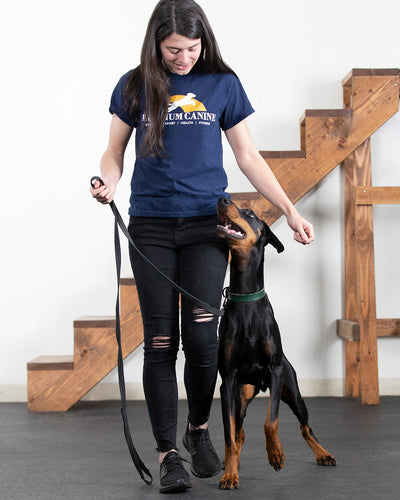
Image Source: maximumk9service.com
Why These Seven Commands Top The List
Why focus on just seven commands? Because these seven cover nearly every common situation you will face with your dog. They address impulse control, safety, and basic management. A dog that reliably performs these actions is a well-behaved companion.
| Command | Primary Benefit | Safety Aspect |
|---|---|---|
| Sit | Basic control, stops jumping | Calmness in greetings |
| Stay | Holding a position | Staying put near danger |
| Come | Instant return to handler | The best dog commands for recall; crucial for safety |
| Down | Extreme calm and submission | Settling during high excitement |
| Leave It | Ignoring temptations | Not eating dangerous items |
| Heel | Walking politely by your side | Safe navigation near traffic |
| Look at Me | Maintaining focus | Redirecting attention from distractions |
These commands are important dog commands for safety and daily life. They build trust. When your dog obeys, you feel confident. Your dog feels secure knowing what you expect.
1. Sit: The Foundation of Control
The “Sit” command is usually the first one people teach. It is simple and very useful. When a dog sits, it cannot jump up on people or rush past you out the door.
How to Teach “Sit”
Use high-value treats. Hold the treat near your dog’s nose. Move the treat slowly over their head toward their tail.
- As the nose follows the treat up, the rear end naturally moves down.
- The moment your dog’s bottom touches the floor, say “Yes!” or “Good!” and give the treat.
- Repeat this often.
- Once the dog reliably sits with the lure, start adding the verbal cue, “Sit,” just before you move your hand.
- Fade the lure quickly. Use just the hand motion, then just the verbal cue.
Keep training sessions short and fun. Always end on a good note. A reliable Sit is key to many essential dog commands.
2. Stay: Building Patience and Distance
“Stay” asks your dog to hold a position (usually Sit or Down) until you release them. This command teaches impulse control and patience. It is vital for foundational dog training.
Teaching a Reliable Stay
Start small. Ask your dog to Sit. Say “Stay” clearly. Take one small step back. Wait just one second. Step back to your dog. Reward them while they are still sitting. Do not let them move to get the reward.
Progress slowly. Increase distance first, then duration.
- Distance: One step, two steps, five steps.
- Duration: One second, three seconds, ten seconds.
If your dog breaks the stay, do not get mad. Simply reset. Go back to the last step they succeeded at. Say the release word (like “Free” or “Okay”) clearly when the stay is over. A good Stay is one of the core dog training commands for safety, especially near roads or open doors.
3. Come (Recall): The Lifesaver Command
The “Come” command, or recall, is arguably the most important dog command for safety. If your dog bolts after a squirrel or runs toward traffic, a fast, reliable recall can save their life. This is where the best dog commands for recall come into play.
Making Recall Bulletproof
Recall training must always be positive. Never punish your dog for finally coming to you, even if it took them a long time.
- The Name Game: Say your dog’s name followed by the cue, “Come!” (e.g., “Fido, Come!”).
- Make it a Party: When they turn toward you, sound excited! Run backward to encourage them to chase you.
- Massive Reward: When they reach you, give the best reward possible—a favorite toy, lots of praise, or high-value food.
- Practice Everywhere: Start in a quiet room. Move to the fenced yard. Eventually, practice on a long line in a safe, open area.
Avoid using “Come” when you know the dog will not obey (like when they are deeply focused on another dog). If you use it and they ignore you, the command loses power. This is why consistent, high-value reinforcement is crucial for this command.
4. Down: The Ultimate Calmer
The “Down” command asks the dog to lie flat on the floor. It is a very submissive and relaxing position. A dog lying down is much less likely to charge, bark, or engage in unwanted behavior. It is a strong tool in your basic dog commands list.
Guiding the Dog to “Down”
- Start with your dog in a Sit position.
- Hold a treat low to the ground between their front paws.
- Slowly pull the treat straight out, away from their body, along the floor.
- Most dogs will naturally drop their elbows to follow the treat.
- As soon as their elbows touch the floor, say “Down!” and reward them heavily.
- If they stand up, reset to a Sit.
The Down position is easier to hold for long periods than the Sit. It is excellent for settling down in restaurants or during family gatherings. It falls squarely within the core dog training commands.
5. Leave It: Essential Impulse Control
“Leave It” means “Ignore that thing and look at me instead.” This command is essential for preventing dogs from picking up garbage, poisoned bait, or harmful objects off the street. It is one of the important dog commands for safety.
Developing Strong “Leave It” Skills
This command requires great timing and high contrast between rewards.
- Step 1: Non-Food Item: Put a boring, low-value toy on the floor. Cover it with your hand. Say “Leave It.” When the dog stops trying to get the toy under your hand, lift your hand slightly and reward them with a different, better treat from your other hand.
- Step 2: Increasing Value: Repeat, but use a slightly more interesting item.
- Step 3: Removing the Cover: Say “Leave It.” Don’t cover the item. If the dog moves toward it, cover it again quickly. If they look away from the item toward you, reward immediately!
- Step 4: Real-World Use: Practice with real temptations like dropped food on walks. The reward for listening must always be better than the temptation they are leaving.
Grasping this concept well leads to a safer dog overall. It moves beyond simple obedience into true self-control.
6. Heel: Polite Walking Behavior
“Heel” means walking right next to you, usually with the dog’s shoulder aligned with your leg, without pulling on the leash. Loose-leash walking transforms walks from a tug-of-war into an enjoyable activity. This is a cornerstone of foundational dog training.
Teaching Loose-Leash Walking (Heel)
Many trainers teach a loose-leash walk rather than a formal military heel first.
- Start Indoors: Have your dog on a regular leash. Hold a treat near your left thigh (the traditional heeling side).
- Take a Step: Take one step forward. If the leash stays loose, mark the moment and treat them right at your leg.
- Mark the Position: If the dog pulls ahead, stop immediately. Become a tree. Do not move until the leash slackens. When the slack returns, mark and reward them at your side.
- Adding the Cue: Once the dog is consistently walking beside you for several steps, add the word “Heel” just as you start moving forward in the correct position.
Consistency is the key here. Every time the dog pulls, the walk stops. This teaches them that pulling gets them nowhere. It is one of the most practical top dog obedience cues.
7. Look at Me (Focus): Mastering Attention
“Look at Me” (or “Watch Me”) asks your dog to make direct eye contact with you, ignoring everything else around them. This command allows you to regain control when distractions are high. It is a critical skill for managing excitement and fear. It builds on the fundamental dog obedience base.
Training Eye Contact
- Start Close: Stand close to your dog in a quiet space. Hold a treat right between your eyes.
- Wait for the Gaze: Wait for your dog to naturally look up at your eyes to see the treat. The instant their eyes meet yours, say “Yes!” and give the treat.
- Add the Cue: Once they start looking up reliably, say “Look at Me” just before you show them the treat signal.
- Increase Distractions: Gradually introduce mild distractions—a toy on the floor, another person walking by. If they look away, reset to a quieter spot.
This command is vital because it interrupts the dog’s focus on a stimulus (like another dog or a sound) and redirects it entirely to you. This ability to connect is what defines good partnership.
Moving Beyond the Basics: Sequencing and Reliability
Once you have taught these seven commands individually, the real work begins: achieving reliability. Reliability means the dog performs the command correctly, every time, in any environment, regardless of distractions. This is the goal of crucial dog training commands.
Proofing Your Commands
Proofing means testing your dog’s obedience in new, challenging settings. Use the “Three Ds” framework:
- Distance: Can the dog “Stay” from 20 feet away?
- Duration: Can the dog “Sit” for five minutes?
- Distraction: Can the dog “Come” when called while chasing a ball?
If your dog fails a proofed command, it means you moved too fast. Go back a step. If the dog fails “Come” at the park, the next session should be back in the living room using your highest-value rewards.
Comprehending this proofing process is what separates a trained dog from a reliably obedient dog.
Training Tips for Maximum Success
To ensure success with these essential dog commands, keep these principles in mind:
- Keep it Short: Dogs, especially puppies, have short attention spans. Ten minutes, three times a day, is better than one hour once a week.
- Use Positive Reinforcement: Reward behaviors you like. Ignore (or redirect) behaviors you don’t like, unless safety is immediately compromised. Punishment damages trust.
- Be Consistent: Everyone in the household must use the same cue words and follow the same rules. If one person allows jumping, the dog learns that jumping is sometimes okay.
- Vary Rewards: Use food, toys, praise, and petting. Keep your dog guessing what amazing thing might come next! This keeps training fresh.
The Role of Body Language
Your non-verbal cues are as important as your words. Dogs read our posture, tone, and gestures very well.
| Command | Ideal Body Language | What to Avoid |
|---|---|---|
| Sit/Down | Calm, steady stance; hand motions clear | Leaning over the dog aggressively |
| Stay | Slow, deliberate movements when stepping back | Moving quickly or looking anxious |
| Come | Open body posture, running backward, high energy | Standing still, scolding the dog |
| Leave It | Firm, closed posture over the item initially | Touching or grabbing the item aggressively |
Deciphering your own body language helps you communicate more clearly. Are you tense when you ask for a “Stay”? Your dog will sense that tension and might become anxious, making the command harder to hold.
Integrating Commands for Real Life
The real beauty of mastering the basic dog commands list is the ability to link them together fluidly. This is where true partnership shines.
Scenario: An Unwanted Visitor
- Visitor approaches: You cue “Sit.” (Stops jumping).
- Dog remains seated: You cue “Stay.” (Maintains position while you open the door).
- Dog holds position: You release with “Free” after the visitor is inside and calm.
- Visitor sits down: You cue “Down.” (Encourages settling).
- Distraction on the floor (food): You issue a quick “Leave It.” (Dog ignores dropped crumb).
This seamless flow shows high-level fundamental dog obedience. It requires practice blending the core dog training commands in real-time scenarios.
Frequently Asked Questions About Essential Dog Commands
H5: How long does it take to teach a dog these commands?
It varies greatly by the dog’s age, breed, and previous experience. For a healthy adult dog with consistent daily practice (10-15 minutes sessions), you might see reliable results for Sit and Down in one to two weeks. Commands requiring higher impulse control, like Stay and Leave It, often take four to six weeks to become truly reliable outside of the home. Recall (Come) can take the longest because the motivation to return must always outweigh every other distraction in the world.
H5: Should I use different words for the same command?
No. Stick to one word per action. If you use “Down” sometimes and “Lie Down” other times, your dog will become confused. Consistency in your cues is central to foundational dog training. Use clear, one-syllable words whenever possible for easier learning.
H5: What if my dog only listens when I have food?
This is a very common hurdle when mastering the top dog obedience cues. It means you haven’t successfully transitioned the reward from being in your hand to being a surprise. Start randomizing your rewards. If the dog sits, praise them heavily, but sometimes only give a pat. The next time, give a jackpot of three treats. The dog learns that listening might lead to a huge payoff, which keeps them engaged even when the treat pouch isn’t visible. Slowly phase out food for easy tasks, relying more on life rewards (going outside, playing with a toy).
H5: Are these the only commands I need to teach?
These seven are the must-know dog commands for safety and basic politeness. However, once these are solid, you can add others like “Drop It” (to release something already in their mouth), “Place” (to go to a specific mat), or specialized tricks. But if you only teach these seven perfectly, you have given your dog the best tools for a happy life.