
If your dog ate chocolate, the first thing you must do is call your veterinarian or an animal poison control center immediately. Chocolate contains a substance called theobromine. This is toxic to dogs. Quick action is vital for a good outcome.
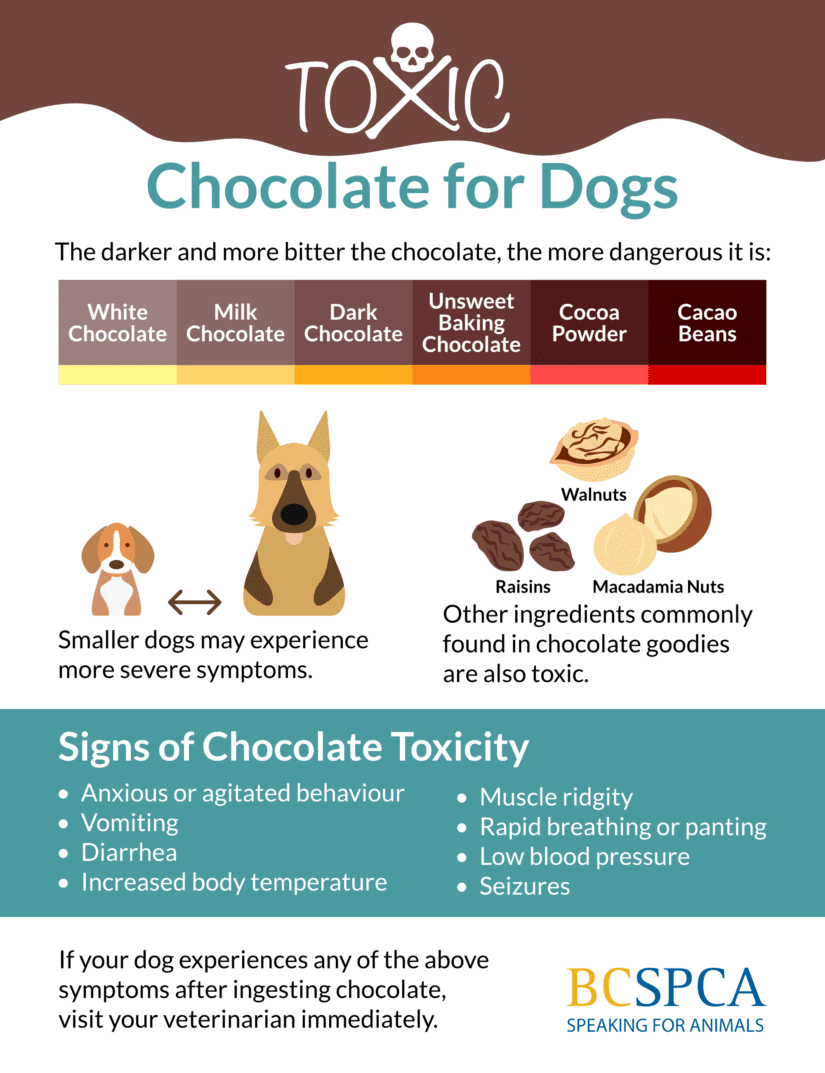
Image Source: b1157417.smushcdn.com
Recognizing the Danger: Why Chocolate Harms Dogs
Chocolate is a tempting treat for dogs, but it hides a real danger. The problem lies in the cacao bean. It holds two main stimulants: caffeine and theobromine. Dogs process these chemicals much slower than humans do. This slow processing allows the toxins to build up to dangerous levels in their system. This buildup leads to theobromine toxicity in canines.
Theobromine: The Main Culprit
Theobromine affects a dog’s central nervous system and heart. Think of it like a strong coffee that stays in their body for a very long time. Because it sticks around, it keeps stimulating the dog’s body. This can cause serious health issues very quickly.
Caffeine Content
While theobromine is the main concern, caffeine also plays a part. It adds to the overall stimulant effect. Together, these chemicals make chocolate poisoning a true emergency.
Deciphering Chocolate Types and Toxicity Levels
Not all chocolate is created equal when it comes to poisoning your pet. The darker the chocolate, the more dangerous it is. This is because darker chocolate has more cacao solids, meaning more theobromine.
Dark Chocolate vs Milk Chocolate Dog Toxicity
This is a critical point for pet owners. Dark chocolate vs milk chocolate dog toxicity is not equal. White chocolate has very little theobromine. Milk chocolate has more. Baking chocolate and cocoa powder have the most by far.
| Chocolate Type | Approximate Theobromine Content (per ounce) | Toxicity Risk Level |
|---|---|---|
| White Chocolate | Very low (negligible) | Low |
| Milk Chocolate | Moderate (about 44-64 mg) | Medium |
| Semi-Sweet Chocolate Chips | High (about 150 mg) | High |
| Dark Chocolate (50-70% cacao) | Very High (about 130-160 mg) | Very High |
| Unsweetened Baking Chocolate | Extreme (about 450 mg) | Extreme |
If your dog ate baking chocolate, you need to act faster than if they ate a small piece of milk chocolate.
How To Tell If My Dog Ate Chocolate Fast: Early Signs and Symptoms
The speed at which symptoms appear depends on how much chocolate your dog ate and the type. How long for chocolate to affect dog systems varies. Usually, symptoms start within 2 to 4 hours after eating. In some cases, they can show up sooner or later.
If you suspect ingestion, watch for these early signs of dog chocolate ingestion symptoms:
- Restlessness or pacing
- Increased thirst (polydipsia)
- Increased urination (polyuria)
- Vomiting
- Diarrhea
These initial signs might seem mild. However, they are red flags that the toxin is taking effect.
Recognizing Moderate to Severe Symptoms
As the dose of theobromine increases, the symptoms become much more serious. These indicate moderate to severe chocolate poisoning in dogs signs:
- Hyperactivity and Tremors: Your dog may seem wired, unable to settle down, or show muscle twitching.
- Increased Heart Rate (Tachycardia): You might feel their heart beating very fast.
- High Body Temperature (Hyperthermia): Panting heavily and having unusually warm ears or belly can signal this.
- Seizures: In severe cases, the nervous system overloads, leading to convulsions.
- Collapse: The dog becomes weak and may fall over.
If you see any severe signs, do not wait. You need to seek an emergency vet for dog ate chocolate right away.
Immediate Action Guide: What To Do If Your Dog Eats Chocolate
When you find the wrapper or suspect your dog snacked on something chocolaty, timing is everything. Knowing what to do if dog eats chocolate can save your pet’s life.
Step 1: Gather Crucial Information
Before you call the vet, gather these facts:
- What kind of chocolate was it? (Milk, dark, baking, cocoa powder?)
- How much did they eat? (Estimate based on the remaining package or wrapper.)
- When did they eat it? (Estimate the time of ingestion.)
- What is your dog’s weight? (This helps the vet calculate toxicity.)
- Are they showing any symptoms now?
Step 2: Contact Professional Help Immediately
Call your regular veterinarian first. If it is after hours, call the emergency animal hospital. You should also call a poison control hotline, like the Pet Poison Helpline or ASPCA Animal Poison Control Center.
When you talk to them, use the information you gathered. They can calculate the potential toxic dose based on your dog’s weight and the chocolate type. This helps them advise you on the next steps.
Step 3: Following Veterinary Instructions
The veterinarian will guide your next move. They may tell you to bring the dog in immediately. They might ask you to wait and monitor. Never try home treatment without speaking to a vet first.
Inducing Vomiting (Only If Instructed)
If the ingestion was recent (usually within the last hour or two) and the dog is NOT yet showing severe symptoms, the vet might suggest making your dog vomit.
Crucial Warning: Do not try to make your dog vomit at home unless a veterinarian specifically tells you how and when to do it. Inducing vomiting incorrectly can cause aspiration pneumonia or other complications.
If the vet instructs you to induce vomiting, they will usually recommend using 3% hydrogen peroxide, administered orally via a syringe. The dosage is specific to the dog’s weight.
Step 4: Transporting Your Dog Safely
If the vet tells you to come in, keep your dog calm. Limit their activity. Excitement increases the heart rate, which speeds up toxin absorption. Transport them quickly and safely to the clinic. Bring any remaining chocolate or packaging with you.
Fathoming Treatment Options at the Vet Clinic
Once at the clinic, the veterinary team takes over. Treatment focuses on removing the toxin and supporting the dog’s body systems.
Decontamination Procedures
If the dog arrives shortly after eating chocolate, the vet will focus on getting the substance out of the stomach.
- Inducing Vomiting: Vets use safe, fast-acting medications (like apomorphine) to empty the stomach.
- Activated Charcoal: After vomiting, the vet often gives activated charcoal by mouth. This substance acts like a sponge. It binds to the remaining theobromine in the digestive tract. This stops the body from absorbing it.
Supportive Care for Severe Poisoning
If the dog has already absorbed a large amount of the toxin, decontamination might not be enough. The vet will provide supportive care to manage the chocolate poisoning in dogs signs.
- Intravenous (IV) Fluids: Fluids help flush the toxins out of the system faster through urination. They also help keep the dog hydrated, especially if they have been vomiting or panting heavily.
- Heart Monitoring: Dogs with severe toxicity often have abnormal heart rhythms. The vet will use an ECG (electrocardiogram) to monitor the heart. Medications may be given to control a dangerously fast heart rate.
- Anti-Seizure Medication: If the dog is seizing, specific medications are needed to stop the seizures and stabilize the nervous system.
The Role of Prognosis and Recovery
The outcome depends heavily on the amount eaten and how quickly treatment began. Generally, the prognosis is good if treatment starts before severe symptoms develop. For large ingestions of potent chocolate (like baking chocolate), intensive care may be needed for 24 to 48 hours.
Exploring Homemade Remedies for Dog Chocolate Ingestion
Many pet owners search for quick fixes at home. It is important to stress that homemade remedies for dog chocolate ingestion are risky and should only be done under direct veterinary supervision. Relying solely on home remedies delays life-saving professional care.
Some common home remedies discussed online are:
- Inducing Vomiting with Salt: This is dangerous! Salt poisoning (sodium toxicosis) is a severe risk, often worse than the chocolate itself. Never use salt to make a dog vomit.
- Giving Milk: Milk does not neutralize theobromine. It can also cause diarrhea and vomiting in dogs that are lactose intolerant, worsening dehydration.
The best way to treat dog chocolate poisoning involves professional decontamination and supportive care, not unproven home methods. Your veterinarian has the correct tools and medications.
Vet Advice for Dog Chocolate Overdose: The Calculation of Risk
A veterinarian performs a risk calculation based on established toxic doses. This calculation determines the severity of the situation and dictates the course of treatment.
Toxic Dose Thresholds
Veterinarians look at the amount of theobromine ingested per kilogram (kg) of the dog’s body weight.
- Mild Signs: Around 20 mg/kg of theobromine ingested.
- Moderate Signs (e.g., hyperactivity, tremors): Around 40–50 mg/kg.
- Severe Signs (e.g., seizures, heart issues): Over 60 mg/kg.
- Potentially Fatal Dose: Doses exceeding 100–200 mg/kg.
For instance, a small 10-pound dog eating just one ounce of 70% dark chocolate is already entering the moderate toxicity range. This calculation confirms why immediate veterinary input is essential for accurate risk assessment. This type of expert guidance—vet advice for dog chocolate overdose—is irreplaceable.
Long-Term Concerns After Chocolate Poisoning
Most dogs recover fully after appropriate treatment. However, intense poisoning can sometimes have lingering effects.
Cardiovascular Effects
Because theobromine affects the heart, dogs who experienced severe toxicity might need follow-up checks on their heart rhythm. In rare, severe cases, lasting heart damage can occur, though this is uncommon with prompt treatment.
Digestive Upset
Persistent vomiting or diarrhea after the acute phase should be reported to the vet. Dehydration is a common secondary issue that needs to be managed even after the initial toxin is dealt with.
Prevention: Keeping Chocolate Out of Reach
The best cure is prevention. Since recognizing chocolate poisoning in dogs signs is stressful and potentially costly, keeping chocolate secured is the smartest approach.
Securing Chocolate Storage
Treat chocolate like any other medication or cleaning supply—store it somewhere inaccessible.
- Keep baking supplies on high shelves.
- Ensure all holiday candy bowls are removed from low tables or the floor.
- Never leave wrappers lying around, as dogs often chew these even if the chocolate is gone.
- Educate all house guests about the danger.
Dealing with “Sneaky Eaters”
Some dogs are experts at counter-surfing or opening cabinets. If you have a persistent chocolate thief, consider using child-proof locks on low cabinets or pantries where chocolate products might be stored.
Frequently Asked Questions (FAQ)
Can a small amount of chocolate really hurt my dog?
Yes, it can. While a tiny lick of milk chocolate might only cause mild stomach upset, a small amount of dark or baking chocolate can be highly toxic, especially for small breed dogs. Toxicity is based on the dose relative to the dog’s weight.
How long until my dog shows symptoms after eating chocolate?
Symptoms typically start appearing between two and four hours after your dog eats the chocolate. However, some dogs might show effects much faster, especially after eating highly concentrated forms like cocoa powder.
If my dog ate chocolate, should I wait and see if they get sick?
No. Waiting is dangerous. If you suspect ingestion, call your vet right away. The sooner treatment starts (especially inducing vomiting), the better the outcome. Waiting allows the toxins to enter the bloodstream fully.
Is chocolate poisoning an emergency requiring an emergency vet for dog ate chocolate?
Yes, any suspected ingestion of moderate to dark chocolate should be treated as an emergency until a veterinarian confirms the dosage is non-toxic. Seizures, severe tremors, or rapid heart rate require immediate emergency care.
Can hydrogen peroxide be used to safely make my dog vomit?
Only use 3% hydrogen peroxide if explicitly directed by a veterinarian who has confirmed the correct dosage for your dog’s size. Incorrect dosing or repeated administration can cause severe stomach irritation or even lead to a dangerous condition called gastric ulceration.