
Internal bleeding in dogs happens when blood leaks from blood vessels inside the body. Yes, you can tell if a dog is bleeding internally by watching for specific physical signs and changes in behavior. Recognizing these signs of internal bleeding in dogs quickly is vital because internal hemorrhage can quickly become life-threatening. This condition requires immediate emergency vet care for dog internal bleeding.
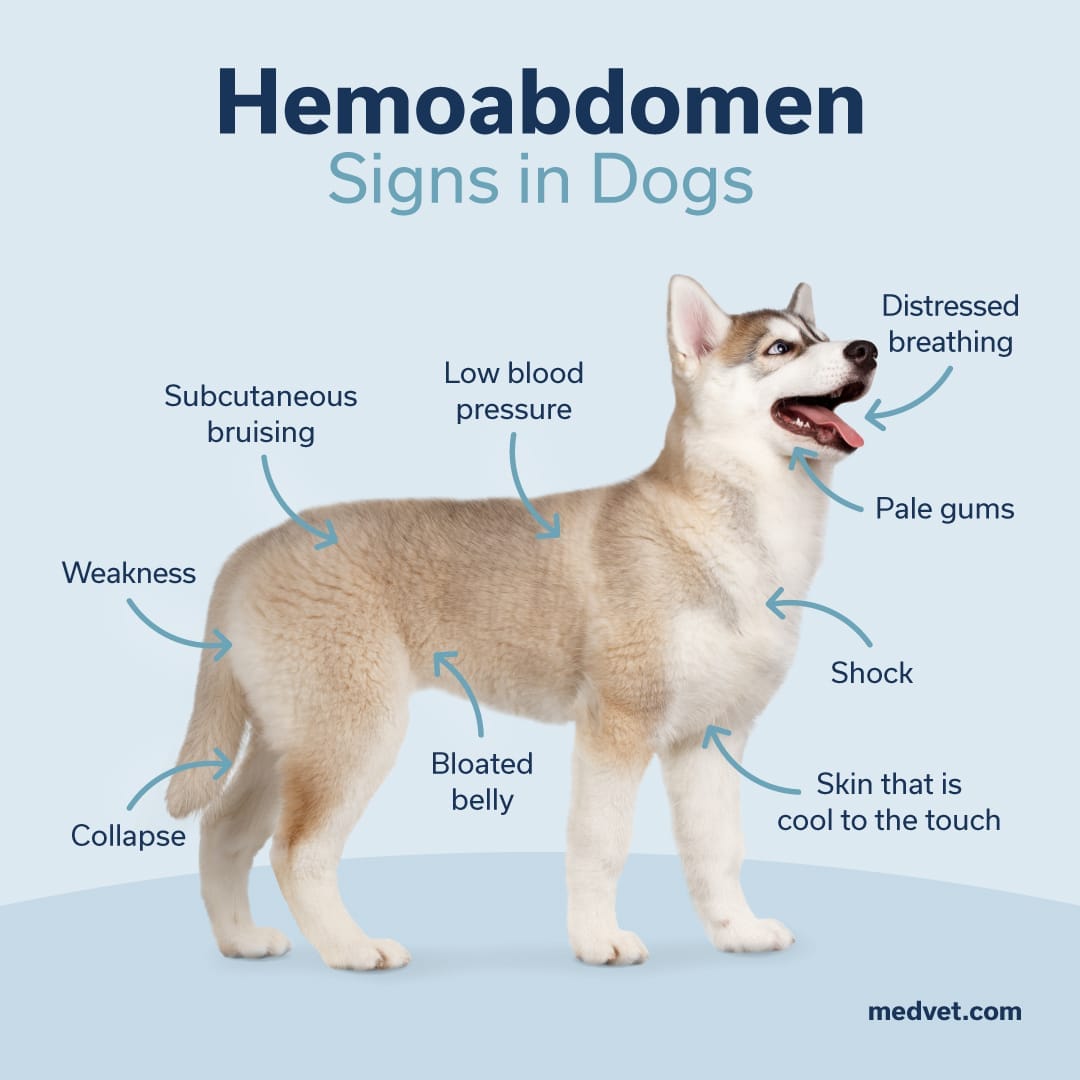
Image Source: cdn.medvet.com
Deciphering the Causes of Internal Hemorrhage in Canines
Internal bleeding, or hemorrhage, occurs when blood escapes the circulatory system into a body cavity (like the chest or abdomen) or tissue spaces. It is a serious medical event that needs fast attention.
Common Sources of Internal Blood Loss
Several things can cause a dog to bleed inside their body. Knowing the possible causes helps owners stay alert, especially if the dog has a known risk factor.
- Trauma or Injury: This is the most common cause. A severe hit, a fall, or being hit by a car can cause ruptured organs or large blood vessels. Recognizing internal trauma in dogs is often the first step.
- Cancer: Tumors, especially those involving the spleen, liver, or intestines, can break open and bleed heavily.
- Blood Clotting Disorders: Diseases that affect the blood’s ability to clot (like rodenticide poisoning or certain immune disorders) can lead to spontaneous bleeding.
- Aortic Thrombus (Saddle Thrombs): A large clot forms, often blocking blood flow to the hind legs, but sometimes related to underlying heart issues causing bleeding elsewhere.
- Ruptured Masses: Non-cancerous masses, like a hematoma on the spleen, can suddenly burst open.
Factors Increasing Risk
Certain dogs face a higher risk of internal bleeding:
- Older dogs with pre-existing conditions.
- Dogs with known clotting problems.
- Dogs exposed to poisons like rat bait (anticoagulants).
- Dogs involved in high-impact accidents.
Spotting the Early Signs of Internal Bleeding in Dogs
The symptoms of canine internal hemorrhage can be subtle at first. Often, the dog looks fine until a significant amount of blood is lost. Vigilance is key to catching this early.
Visible Physical Clues
Look closely at your dog’s body for direct signs that something is wrong.
Pale Gums (Mucous Membranes)
This is one of the most critical indicators of significant blood loss. Healthy gums are bubble-gum pink. When a dog loses a lot of blood, the body shunts blood away from the skin and gums to vital organs like the brain.
- Healthy: Bright pink.
- Concern: Pale pink or white gums mean the red blood cell count is dropping fast.
- Urgent: Gums that look blue (cyanotic) or gray require immediate action.
Changes in Breathing Rate and Effort
A dog in pain or shock from internal bleeding will often breathe differently.
- Rapid, Shallow Breathing: The dog tries to pull in more air quickly to compensate for poor oxygen delivery caused by low blood volume.
- Panting when Resting: Excessive panting without heat or recent exercise is a major warning sign.
- Straining to Breathe: If fluid or blood is filling the chest cavity (hemothorax), the dog may struggle to expand its lungs.
Swollen or Distended Abdomen
If the bleeding is in the abdominal cavity (hemabdomen), the belly may appear bloated, firm, or tense to the touch. This is one of the clearest canine abdominal bleeding symptoms.
- The dog may resist you touching its belly.
- The abdomen might look larger than usual, even if the dog has a normal weight.
Vomiting or Coughing Blood
While less common than hidden bleeding, seeing blood is an emergency.
- Hematemesis: Vomiting bright red blood or material that looks like coffee grounds (partially digested blood).
- Hemoptysis: Coughing up frothy, pink, or red material indicates bleeding in the lungs or airways.
Behavioral and Energy Level Changes
Internal blood loss quickly leads to weakness and poor circulation. Observe your dog’s energy levels closely, especially after an incident.
Profound Lethargy and Weakness
A sudden, dramatic drop in energy is a hallmark sign. Lethargy in dogs after injury is a major concern for internal damage.
- The dog refuses to move or play.
- They may be unable to stand up or walk normally.
- They might appear depressed or unresponsive.
Signs of Shock in Dogs
Shock happens when the body cannot get enough blood flow to keep the organs working. Recognizing signs of shock in dogs is crucial for immediate response.
- Cold Extremities: Feel the ears, paw pads, and tail tip; they may feel surprisingly cool to the touch.
- Weak Pulse: The pulse will be fast but weak and thready, making it hard to feel at the femoral artery (inner thigh).
- Low Body Temperature: The dog might feel generally cold.
- Confusion or Dizziness: The dog may stumble or seem disoriented.
Changes in Urination
Severe internal bleeding causes a drop in blood pressure. The kidneys receive less blood flow and produce less urine. You might notice the dog producing very little or no urine. The urine, if passed, might be very dark or tinged with red.
Trauma Assessment: Recognizing Internal Trauma in Dogs
If your dog has been in an accident, you must quickly assess the situation for recognizing internal trauma in dogs, even if they seem okay initially.
The Accident Scenario
Any significant impact warrants immediate investigation for internal damage.
- Dog Collapse After Accident: If your dog is suddenly weak, collapsing, or unable to use its legs after a fall, car incident, or rough play, assume internal bleeding until proven otherwise. The initial period might mask the severity.
- Abdominal Blows: A direct kick, a fall onto a hard surface, or getting hit in the torso requires immediate vet consultation.
Post-Accident First Aid: What NOT to Do
In the initial moments, your actions can help or harm.
| Action to Take | Rationale |
|---|---|
| DO keep the dog calm and still. | Movement can worsen internal bleeding. |
| DO cover the dog with a light blanket. | Helps maintain body temperature (prevents worsening shock). |
| DO call your vet immediately while preparing to leave. | Getting instructions and letting the clinic prepare is vital. |
| DO NOT attempt to give food or water. | If surgery is needed, an empty stomach is safer. |
| DO NOT apply pressure to the abdomen. | You might cause more damage if a rupture is present. |
| DO NOT administer human pain medication (like Ibuprofen). | These drugs can worsen bleeding and cause severe kidney damage. |
Stabilizing the Patient for Transport
When moving an injured dog, support the entire body to prevent further injury to the spine or internal organs.
- Use a rigid board, strong blanket, or stretcher to slide the dog onto.
- Keep the dog’s head slightly lower than the body if they are showing signs of severe shock (this helps direct blood flow to the brain, but only if you are sure there is no head/neck trauma).
The Veterinary Process: Diagnosis of Internal Bleeding Dogs
Once at the clinic, the veterinary team will move swiftly to stabilize the dog and pinpoint the source of the bleeding. Veterinary diagnosis of internal bleeding dogs relies on rapid assessment and targeted testing.
Initial Stabilization
The first priority is managing shock and ensuring the dog can breathe.
- IV Catheters and Fluids: Large-bore intravenous catheters are placed immediately to administer fluids or blood products rapidly. This restores blood volume and raises blood pressure.
- Oxygen Therapy: Oxygen is delivered via a mask or oxygen cage to help the remaining red blood cells carry oxygen effectively.
- Blood Transfusions: If the dog is severely anemic, a packed cell or whole blood transfusion may be necessary to replace lost blood components urgently.
Diagnostic Tools Used by Vets
To confirm bleeding and find the location, vets use several tools.
Complete Blood Count (CBC)
This test shows the concentration of red blood cells (Packed Cell Volume or PCV). A rapidly dropping PCV confirms active blood loss. Early on, the PCV might look normal if the dog has lost fluid but not enough red cells yet; repeated checks are necessary.
Abdominal Ultrasound (Sonogram)
This is often the fastest, non-invasive way to confirm canine abdominal bleeding symptoms. The vet looks for free fluid in the abdomen. If free fluid is present, they will check its appearance—dark, unclotted blood confirms hemorrhage.
Radiographs (X-rays)
X-rays can show if a large mass is present, if the diaphragm has ruptured (allowing abdominal organs into the chest), or if there is fluid filling the chest cavity (hemothorax).
Coagulation Testing
If the cause is suspected to be a clotting problem (like poisoning), specific blood tests measure how long it takes the blood to clot.
Diagnostic Peritoneal Centesis (DPC)
This involves carefully inserting a small needle into the abdomen to draw out a sample of the fluid present. If the fluid is bright red and does not clot quickly, it confirms internal abdominal bleeding.
Urgent Management of Suspected Internal Bleeding in Pets
Managing suspected internal bleeding in pets revolves around speed. Time is the critical factor when a dog is losing blood internally.
When Surgery is Necessary
If diagnostics confirm active, significant bleeding that cannot be stopped by supportive care (fluids/transfusions), surgery is usually required to find and repair the source.
- Laparotomy (Abdominal Surgery): This is done to locate the source of abdominal bleeding—often a bleeding spleen tumor, liver laceration, or ruptured blood vessel.
- Thoracotomy (Chest Surgery): Required if blood is pooling in the chest cavity, preventing the lungs from expanding properly.
Post-Surgical Monitoring
Recovery from major surgery, especially involving blood loss, requires intensive care. Dogs are monitored for signs of ongoing bleeding, infection, and organ function. Pain management is also crucial, as pain can increase heart rate and blood pressure, potentially aggravating any remaining bleeding site.
Prevention and Long-Term Outlook
While accidents are unpredictable, some steps can reduce the risk or severity of internal bleeding incidents.
Reducing Trauma Risk
- Leash Safety: Always use a secure leash, especially near traffic.
- Secure Fencing: Ensure yards are fully secured to prevent escapes that might lead to accidents.
- Safe Play: Supervise rough play with other dogs.
Health Monitoring
Regular wellness exams allow vets to detect underlying issues that could lead to spontaneous bleeding, such as screening older dogs for splenic masses or liver disease. Be vigilant about rodenticide exposure; if ingestion is suspected, emergency treatment to support clotting factors is necessary long before bleeding occurs.
Prognosis Factors
The outcome for a dog with internal bleeding heavily depends on three main factors:
- The Cause: Bleeding from a treatable trauma or simple splenic rupture has a better prognosis than bleeding from advanced, widespread cancer.
- Speed of Treatment: Dogs receiving emergency vet care for dog internal bleeding quickly have the best chance of survival.
- Overall Health: Dogs that are otherwise healthy tolerate blood loss and surgery better than those with pre-existing heart or kidney disease.
Summary of Critical Indicators
If your dog exhibits any combination of the following, treat it as a medical emergency requiring immediate veterinary attention:
| Category | Key Indicator | Severity Level |
|---|---|---|
| Circulation | Pale or white gums | High |
| Breathing | Rapid, shallow breaths or heavy panting | High |
| Appearance | Swollen, hard, or painful abdomen | High |
| Energy | Extreme weakness, unwillingness to move, lethargy in dogs after injury | High |
| Shock Signs | Cool limbs, weak pulse, collapse | Critical |
Frequently Asked Questions (FAQ)
How long can a dog live with internal bleeding?
If the bleeding is severe and ongoing, a dog may only live for a few hours without intervention. If the bleed is minor or clots off on its own (which sometimes happens with minor splenic tears), the dog might seem fine for a while, but the risk of a massive re-bleed remains high. Immediate veterinary care drastically improves the outlook.
Can you hear internal bleeding in dogs?
Generally, no. Internal bleeding is silent until the blood loss becomes substantial enough to cause physical symptoms like shock or abdominal swelling. Sometimes, if the bleeding is severe, a vet listening with a stethoscope might detect abnormal fluid sounds in the chest or abdomen.
What is the cheapest way to check for internal bleeding?
There is no truly “cheap” way to definitively diagnose severe internal bleeding, as life-saving measures like ultrasounds, blood tests, and potential transfusions are necessary. Delaying proper diagnosis to save money is extremely dangerous. The fastest check is often a physical exam focusing on gum color and abdominal palpation, followed quickly by an emergency ultrasound.
What should I do if my dog suddenly becomes weak but seems okay otherwise?
Even mild weakness or lethargy in dogs after injury warrants a call to the vet. If the weakness is severe, or if the dog has any known trauma history, go directly to the emergency clinic. A mild stumble could be the first sign that blood pressure is starting to drop due to internal loss.