
If your dog is shaking its head a lot, it usually means something is irritating its ears or head. This often points to an ear problem, but other issues can cause it too.
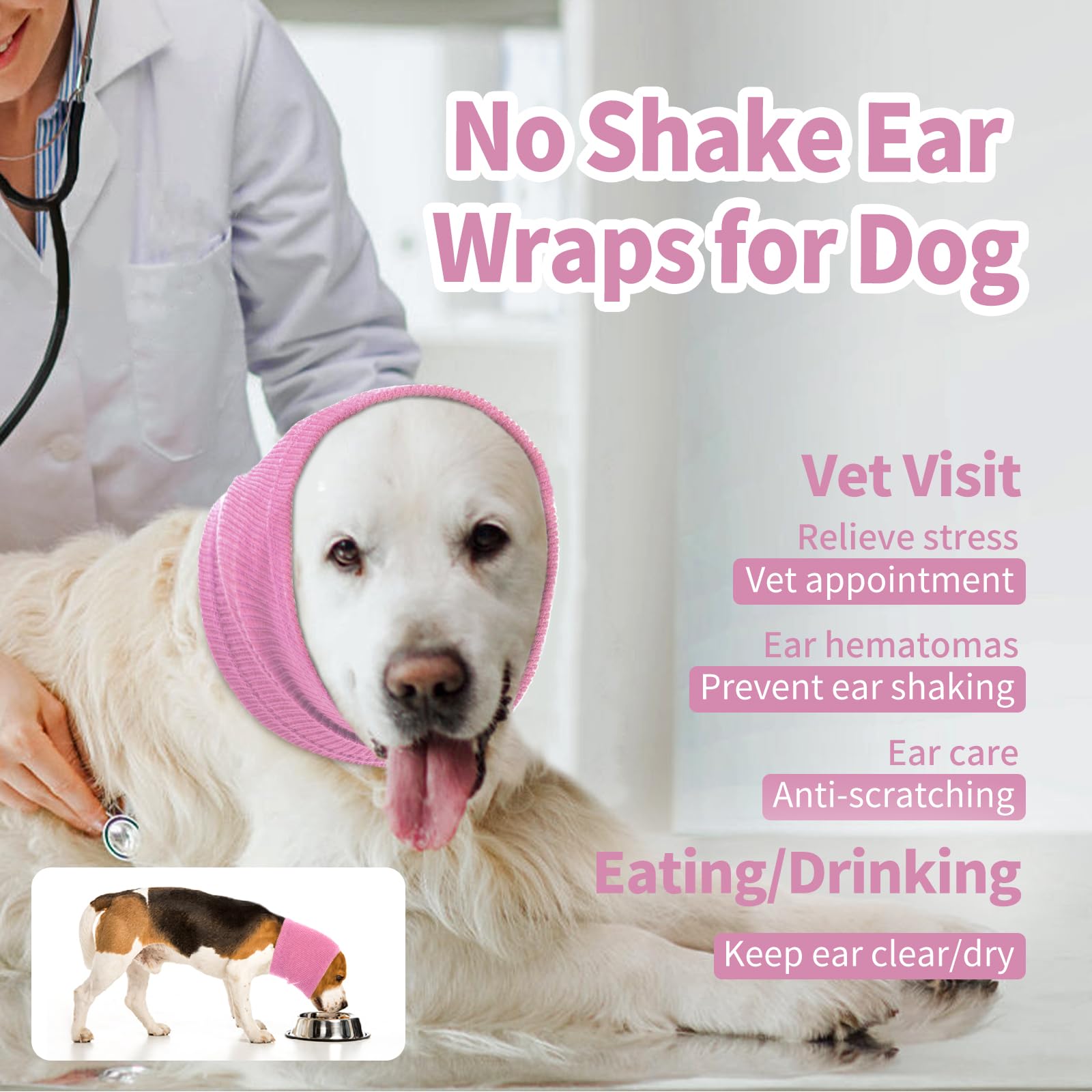
Image Source: m.media-amazon.com
Deciphering Dog Head Shaking: Common Triggers
Dog head shaking is a common sign that your dog is uncomfortable. It is not just a bad habit; it’s a signal that something is wrong. We need to figure out the root cause to properly treat the issue. Why is my dog shaking its head excessively? The main reasons fall into a few categories: ear problems, allergies, foreign objects, or, less often, neurological issues.
Ear Issues: The Most Likely Culprit
The ears are delicate. Anything irritating them can cause frantic head shaking. This is often the first thing owners notice. If you see your dog constantly shaking his head and scratching ears, look closely at the ear flaps and inside the ear canal.
Fathoming Dog Ear Infection Head Shaking
Ear infections are very common. They can be caused by bacteria, yeast, or a mix of both. When an infection sets in, the ear gets sore, itchy, and sometimes smelly. The dog shakes its head to try and clear out the buildup or ease the pain.
- Signs of Infection: Redness inside the ear flap. Dark, waxy discharge. Foul odor from the ear. Pain when the ear is touched.
- Action: See your vet right away. Infections need specific medicine to clear up. Trying to treat it yourself can make things worse.
Treating Dog Ear Mites Head Shaking
Ear mites are tiny bugs that live in the ear canal. They cause intense itching. This is more common in puppies, but adult dogs can get them too. The shaking is often violent when mites are present.
- Mite Signs: Dark, crumbly debris that looks like coffee grounds in the ear. Extreme scratching and shaking.
- Remedy: A vet must diagnose mites. They will prescribe special drops to kill the mites. These are often contagious to other pets.
Allergies: The Hidden Cause
Allergies are a huge reason for ear trouble and head shaking. When a dog is allergic to something, it often shows up in the skin and ears. This is often the key to persistent dog head shaking solutions.
- Environmental Allergies (Atopy): Dust, pollen, mold, and grass can trigger itching all over the body, but the ears feel it strongly.
- Food Allergies: Reactions to certain proteins (like chicken or beef) in food can cause chronic ear inflammation.
When allergies flare up, the inner ear lining swells. This traps moisture and makes the ear prone to secondary infections. Shaking is the dog’s attempt to relieve the deep itch caused by the allergy.
Foreign Objects and Trauma
Sometimes, the cause is simple. A piece of grass seed, a small pebble, or even water stuck deep in the ear can cause sudden, severe shaking.
If your dog was running through tall grass and suddenly started shaking its head violently, a grass awn (foxtail) might be lodged inside. These objects can travel deep and cause serious harm if not removed.
Less Common Triggers
While ear issues are top suspects, other things cause head shaking:
- Polyps or Tumors: Growths inside the ear canal can block drainage and cause irritation.
- Foreign Body Reaction: Rarely, a foreign object lodged in the throat or nose can cause referred shaking.
- Neurological Issues: Seizures or inner ear balance problems (vestibular disease) can cause head tilting and shaking. These usually come with other serious signs, like walking in circles or falling over.
Step-by-Step Guide to Stop Dog Head Shaking
Stopping the shaking requires a targeted approach based on the cause. Here is how you can address the issue, starting with home care and moving toward veterinary intervention. These steps focus on dog head shaking remedies.
Step 1: Immediate Observation and Assessment
When you notice the shaking, take a moment to look closely. Do not try to dig deep inside the ear yet, as you might push debris further in or hurt your dog if it is already painful.
Quick Checks to Perform:
- Check the Ears: Gently lift the ear flap. Look for redness, swelling, or bad smells. Is there a lot of dark discharge?
- Check the Environment: Did the shaking start after a bath, a swim, or a walk in the woods? This gives clues about moisture or grass seeds.
- Note the Frequency: Is it happening constantly, or just after waking up? Is the shaking one-sided or both sides? Unilateral (one-sided) shaking often points to a localized problem, like a seed stuck in one ear.
Step 2: Home Care to Soothe Mild Irritation
If the shaking is mild and you suspect simple irritation (like water after a bath), these steps might help how to soothe dog head shaking. Use these only if you are certain there is no severe infection or object.
Drying the Ears Safely
Moisture is a breeding ground for yeast and bacteria.
- Use a soft cotton ball (not a Q-tip) to gently wipe the visible outer folds of the ear.
- Hold the ear flap up. You can use a pet-safe ear drying solution recommended by your vet, or a simple mixture of half rubbing alcohol and half water. Put a few drops in the ear canal.
- Gently massage the base of the ear for 30 seconds. You should hear a squishing sound.
- Let the dog shake its head naturally now. The fluid will help break up minor debris and evaporate faster.
Dog Head Shaking Home Remedies for Relief
If your dog is very itchy, these general soothing measures can help while you wait for a vet appointment.
- Cold Compress: For external swelling, wrapping an ice pack in a thin towel and holding it briefly against the outside of the ear can reduce inflammation temporarily.
- Prevent Scratching: Put an E-collar (cone) on your dog if the shaking is leading to self-trauma (raw skin around the ears or neck). Self-trauma makes secondary infections much worse.
Step 3: When to See the Veterinarian
If the shaking lasts longer than 24 hours, is violent, or if you notice any discharge or foul odor, you must seek professional help. Trying to treat a deep infection with home care will fail and cause prolonged suffering. This is crucial for treating dog ear mites head shaking or bacterial issues.
Veterinary Diagnosis
Your vet will use an otoscope to look deep into the ear canal. They will likely take a swab of any debris to look at under a microscope. This tells them exactly what is causing the problem—yeast, bacteria, mites, or just inflammation.
Medical Treatments Provided:
| Condition Diagnosed | Typical Treatment Approach |
|---|---|
| Bacterial Infection | Prescription antibiotic ear drops (often combined with steroids). |
| Yeast Infection | Antifungal ear cleaners and medication. |
| Ear Mites | Specific topical parasite control treatments. |
| Allergies | Systemic treatment (like Apoquel or Cytopoint) and specialized ear cleaner to manage recurring inflammation. |
| Foreign Body | Sedation might be needed to safely remove the object with forceps. |
It is vital to follow the vet’s instructions exactly, especially finishing the full course of medication for infections. Stopping early is a major reason infections return.
Addressing Chronic Head Shaking: Beyond the Initial Fix
What happens if you treat the infection, the shaking stops for a week, and then it starts again? This scenario requires looking deeper into the causes of dog head shaking that are not immediately obvious.
Managing Underlying Allergies
For dogs with dog constantly shaking head and scratching ears long-term, the problem is likely environmental or food allergies. Managing this stops the cycle of infection.
Allergy Testing and Management:
- Food Elimination Trial: If food is suspected, your vet will guide you through a strict 8 to 12-week diet trial using a novel protein (like venison) or a prescription hydrolyzed diet. If the shaking stops, you have found the food trigger.
- Environmental Management: If environmental allergens are the cause, long-term medication may be necessary. This can range from daily antihistamines to specialized allergy shots or injections that desensitize the dog to common triggers.
Cleaning Regimens: Prevention is Key
Once the acute issue is resolved, routine cleaning helps stop dog ear shaking caused by wax buildup or moisture retention.
- Daily/Weekly Use: Use a vet-approved, pH-balanced ear cleaner regularly, especially if your dog swims or spends time outdoors in dusty areas. These cleaners help dry the ear and break down wax.
- Technique: Apply the cleaner generously into the ear. Massage the base for 30 seconds to loosen debris. Allow the dog to shake. Then, use cotton balls to wipe out the visible debris from the folds. Never use cotton swabs deep inside the canal.
Special Considerations for Different Dog Breeds
Certain breeds are much more prone to head shaking because of their ear anatomy. If you own one of these, you need to be extra vigilant about cleaning and checking.
Breeds Prone to Ear Issues:
- Floppy-Eared Dogs (e.g., Cocker Spaniels, Basset Hounds, Retrievers): Their long, heavy ears trap heat and block airflow into the ear canal. This creates a warm, dark, moist environment perfect for yeast. They often need weekly preventative cleaning.
- Curly-Haired Breeds (e.g., Poodles, Portuguese Water Dogs): These dogs often grow hair deep inside the ear canal. This hair traps wax and moisture, leading to blockages and infections. Regular plucking or trimming by a groomer or vet is often necessary.
If you have a breed prone to these issues, maintaining good hygiene is one of the best persistent dog head shaking solutions.
When Head Shaking Signals Something More Serious
While most shaking is ear-related, persistent, non-stop shaking warrants a full physical workup. This addresses concerns about dog head shaking home remedies not working.
Vestibular Disease
This affects the balance center of the inner ear. It causes sudden severe head tilting, stumbling, and often intense head shaking or rolling. While scary, it is often self-limiting in older dogs. Younger dogs may have an underlying infection causing the issue.
Idiopathic Head Tremors
Some dogs experience rapid, rhythmic head bobbing that can look like shaking. This is often called “head tremors.” In many cases, the cause is unknown (idiopathic). These tremors are usually intermittent and do not seem to cause pain. Your vet can help determine if this is a tremor or true shaking related to irritation.
Pain and Dental Issues
Believe it or not, severe dental pain or tooth root abscesses can sometimes manifest as localized facial pain that causes a dog to shake its head or rub its face aggressively. A thorough dental exam can sometimes reveal this surprising cause.
Summary of Actions to Stop Dog Head Shaking
To recap, dealing with a shaking dog moves from simple checks to targeted medical intervention.
| Severity of Shaking | Likely Cause | Recommended Action |
|---|---|---|
| Mild, occasional, after swim | Moisture or minor debris | Dry ears gently; use vet-approved cleaner. |
| Frequent, scratching, odor present | Infection (yeast/bacteria) | Schedule vet visit immediately for diagnosis and prescription drops. |
| Violent, sudden onset, only one side | Foreign object (grass seed) | Vet visit for safe removal; monitor closely. |
| Constant, worsening, scratching all over | Allergies | Vet visit to discuss allergy testing and long-term medication. |
By systematically checking the ears, seeking prompt veterinary care when needed, and managing underlying allergic conditions, you can effectively treat and prevent the distressing behavior of dog head shaking excessively. Focus on comfort and health, and the shaking should subside.
Frequently Asked Questions (FAQ)
Can I use hydrogen peroxide to clean my dog’s ears if they are shaking their head?
No. While hydrogen peroxide bubbles and can clear debris, it is very harsh. It can damage the sensitive tissues inside the ear canal, especially if the eardrum is already compromised due to infection or trauma. Stick to veterinarian-approved ear cleaners.
Is dog ear shaking ever normal?
A single, vigorous head shake after swimming or getting wet is normal. It helps expel water. However, repeated shaking throughout the day is not normal and signals irritation that needs attention.
How long does it take for dog ear infection head shaking to stop after starting treatment?
If the treatment is correct for the infection (bacterial or yeast), you should see a significant reduction in shaking within 3 to 5 days. If there is no improvement after one week, call your vet, as the medication might need changing or the diagnosis might be incomplete.
What are simple dog head shaking remedies that don’t require a vet visit?
If the shaking is very mild, using gentle, warm ear-drying solutions (like diluted vinegar or alcohol mix, if approved by your vet) or applying a cold compress to the outside of the ear can offer temporary relief from minor itching or swelling until you can see the vet. Never put solid objects or unapproved liquids deep into the ear.