
Can you clean dog poop stains from carpet? Yes, you absolutely can clean dog poop stains from your carpet. Acting fast is key to success. Dealing with pet messes, especially solid ones, requires a quick and careful plan. This guide gives you simple, step-by-step ways to tackle fresh and old stains. We will look at what tools you need and the best cleaning methods. Say goodbye to those messy spots and enjoy a clean home again.
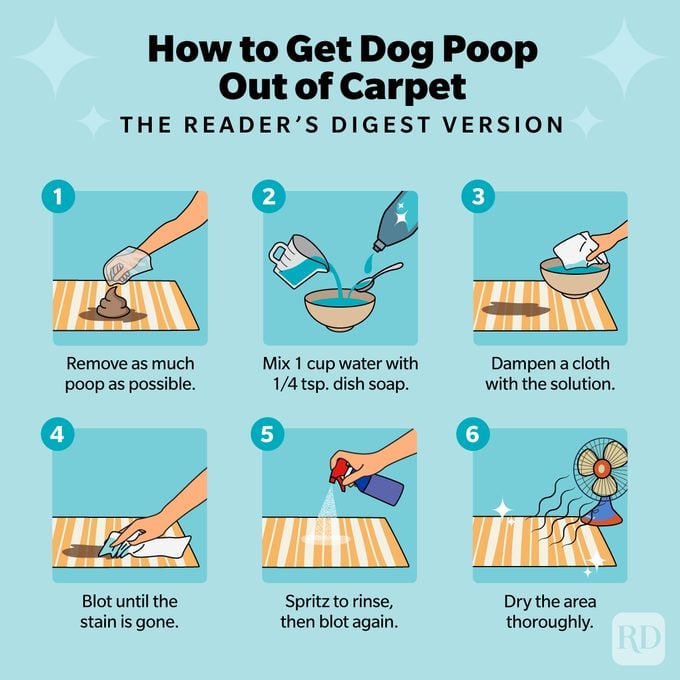
Image Source: www.rd.com
Immediate Action: The First Crucial Steps
When you first notice dog waste on your carpet, timing is everything. The longer the mess sits, the deeper the stain sets. You must act quickly before it dries or soaks too far into the carpet padding.
Gathering Your Supplies
Before you start scrubbing, gather what you need. Having everything ready makes the process smoother.
| Item | Purpose |
|---|---|
| Gloves | Keep your hands clean. |
| Paper Towels or Old Rags | For scooping and blotting. |
| Plastic Bag | For waste disposal. |
| Spoon or Dull Knife | To gently lift solid matter. |
| Cleaning Solution | Your chosen cleaner (see below). |
| Spray Bottle | For applying liquid cleaners. |
| Clean Cloths or Sponges | For rinsing and final cleaning. |
Removing the Bulk of the Mess
The first step is always physical removal. Do this gently to avoid spreading the stain.
- Put on Gloves: Always protect your skin first.
- Scoop Carefully: Use a plastic bag over your hand like a mitt to pick up the largest pieces. If the poop is firm, use a spoon or a dull knife. Hold the knife flat against the carpet. Scrape under the mess. Do not press down hard. This stops the matter from going deeper into the carpet fibers.
- Dispose Safely: Place all scooped material directly into the plastic bag. Tie the bag tightly and remove it from the cleaning area immediately.
If you are also treating muddy paw prints on carpet after the dog has walked through dirt, follow a similar initial blotting process. Let the mud dry first, then vacuum up the dry dirt before applying any liquid cleaner.
Blotting the Leftover Residue
After removing the solids, you will see a stain or smear. You need to lift this wet residue without rubbing it in. Rubbing pushes the stain deeper and damages carpet fibers.
- Use thick layers of paper towels or clean rags.
- Press down firmly on the stained area. This is called blotting dog mess from carpet.
- Lift the towel straight up. Do not wipe or scrub.
- Repeat this with fresh towels until no more color transfers onto the towel.
Choosing Your Cleaning Weapon: Solutions for Dog Poop Stains
Once the bulk is gone, it is time for the cleaning solution. The best choice depends on the stain’s age and what you have handy. You are now focused on lifting pet stains from carpet fibers.
Commercial Cleaners: The Quick Fix
Many effective commercial options exist. Look for products specifically labeled as dog waste carpet cleaner or pet stain remover for rugs.
Enzymatic Cleaners: The Gold Standard
Enzymatic cleaners are highly recommended for any pet mess, especially those involving organic matter.
- How they work: These cleaners contain special enzymes (like protease, amylase, and lipase). These enzymes eat away the proteins and fats found in feces and urine. This breaks down the stain and odor-causing matter completely.
- When to use: They are excellent for cleaning dog urine from carpet and fresh poop stains, as they target the bacteria causing the smell.
- Application: Saturate the stained area according to the product label. Let it sit for the recommended time (often 10–15 minutes or longer). Then, blot the area dry. This is often the best products for dog stains on carpet because they tackle the source of the smell.
Oxygen-Based Cleaners
These are good for color stains left behind after the organic material is removed. They work by releasing oxygen bubbles that lift the color from the fibers. Always test these in an inconspicuous area first, as some dyes in carpets can react badly.
Natural Remedies for Dog Poop Stains
If you prefer to avoid harsh chemicals or need a fast, homemade solution, natural remedies for dog poop stains work well.
Vinegar and Water Solution
White vinegar is a mild acid that helps break down many residues and neutralize odors.
- Mix one part white vinegar with two parts cool water in a spray bottle.
- Lightly spray the stained area. Do not soak the carpet backing.
- Let it sit for 5 to 10 minutes.
- Blot thoroughly with a clean, dry cloth.
Baking Soda Paste
Baking soda is great for absorbing lingering odors and light stains.
- After blotting up moisture, sprinkle a generous layer of dry baking soda over the spot.
- Gently work it into the fibers using your fingertips (wear gloves).
- Let it sit for several hours, or even overnight. The baking soda will absorb smells and moisture.
- Vacuum up the dried baking soda completely.
Dish Soap Method (Mild Detergent)
A very mild dish soap can help lift greasy residues often present in feces.
- Mix one teaspoon of clear, mild dishwashing liquid with one cup of warm water.
- Dip a clean cloth into the solution. Wring it out so the cloth is damp, not soaking wet.
- Gently blot the stain, working from the outside edge toward the center. This keeps the stain from spreading.
- Follow this with a rinse step (see below).
Deep Cleaning Process: Step-by-Step Treatment
Whether you use a commercial enzymatic cleaner for dog stains or a homemade mix, the application must follow a strict process for the best results in removing old dog stains from carpet or fresh ones.
Step 1: Pre-Treating the Stain
Apply your chosen cleaning solution directly to the stained area. Ensure the solution reaches the fibers where the mess made contact. Remember to always check the manufacturer’s instructions for dwell time. Some products need more time to work than others.
Step 2: Gentle Agitation (If Necessary)
If the stain is stubborn, you might need slight agitation. Use a soft-bristled brush or the edge of a spoon to gently work the cleaner into the fibers. Never scrub hard. Gentle agitation helps the cleaner penetrate without fraying the carpet.
Step 3: Dwell Time
Allow the cleaner time to work. This is crucial for enzyme-based products or when treating muddy paw prints on carpet where dirt is embedded. Consult the bottle, but generally, 10 to 15 minutes is a good starting point.
Step 4: Blotting Again
Take a fresh, dry, white towel. Press down firmly to absorb the cleaning solution along with the dissolved stain material. Keep changing to clean sections of the towel until you see no more residue transferring. This is the most important part of lifting pet stains from carpet fibers.
Step 5: The Rinsing Phase
You must remove all cleaning residue. Soap or cleaning chemicals left in the carpet can attract dirt later, causing a new, dirty spot to form.
- Mix cool water (plain or with a tiny splash of vinegar).
- Lightly dampen a clean cloth with the rinse water.
- Blot the treated area repeatedly with the damp cloth. This lifts the cleaning product out.
- Follow up immediately by blotting with a dry towel to absorb the rinse water.
Step 6: Final Drying
Air drying is best. If possible, place a thick stack of dry towels over the spot and weigh them down with a heavy book overnight. This wicks up any remaining deep moisture. Speed up drying by using a fan pointed directly at the area. Avoid walking on the wet spot.
Tackling Old, Set-In Dog Stains
Removing old dog stains from carpet is much harder because the organic matter has dried and chemically bonded with the fibers. Patience is required here.
If fresh treatments fail, you must rehydrate and break down the old stain.
- Soften the Stain: Lightly dampen the area with plain, warm water. You want to reintroduce moisture without soaking the padding. Cover it with a damp, warm towel for about 30 minutes.
- Apply Stronger Cleaner: Use a powerful enzymatic cleaner for dog stains. Saturate the area well. Enzymes need moisture and time to eat away at the old material.
- Long Dwell Time: Let the enzymatic cleaner sit for several hours, perhaps even covering the area with plastic wrap (taped down around the edges) to keep it moist while the enzymes work.
- Rinse and Blot: Follow the rigorous rinsing and blotting steps detailed above. You may need to repeat this entire process several times for very old stains.
Specific Challenges: Odor Control and Color Fading
Dog waste stains are often two problems in one: a visual mark and a lingering smell.
Neutralizing Odor
If you can no longer see a stain, but the smell remains, the odor molecules are still deep in the carpet or padding.
- Enzymatic Cleaner is Key: Only an enzymatic cleaner for dog stains will truly destroy the odor source. Repeat its application, ensuring you let it soak long enough to reach the source of the smell.
- Baking Soda Power: Baking soda left overnight is excellent for surface smell absorption.
- Hydrogen Peroxide (Use with Caution): For very strong odors, a diluted hydrogen peroxide solution (1 part 3% peroxide to 2 parts water) can sometimes help sanitize, but always test this first on an unseen area, as it is a bleaching agent.
Dealing with Color Marks
Sometimes, the yellow or brown pigment from the stool remains after the organic matter is gone.
If your repeated blotting and rinsing with mild solutions fail, consider using a color-safe stain remover specifically designed for pet messes. If the stain remains after using the best products for dog stains on carpet, professional cleaning might be necessary, especially if the stain has soaked into the padding.
Carpet Material Considerations
Not all carpets handle cleaning the same way. Always adjust your technique based on your carpet type.
| Carpet Type | Consideration | Best Practice |
|---|---|---|
| Wool/Natural Fibers | Can shrink or yellow easily. Avoid harsh chemicals and high heat. | Use cool water and mild, pH-neutral cleaners. Vinegar solutions are usually safe. |
| Synthetic Fibers (Nylon, Polyester) | Generally durable and stain-resistant. Can handle stronger treatments. | Enzymatic cleaners work very well. Avoid excessive scrubbing which can fray fibers. |
| Berber/Looped Carpet | Easy for liquid to seep into the backing. Difficult to fully rinse. | Use minimal liquid. Blot aggressively to avoid overwetting the backing. |
| Shag/High Pile Carpet | Mess gets trapped deep down. | Ensure your cleaner penetrates all the way to the base of the fibers during treatment. |
Maintaining Clean Carpets: Beyond Poop
While focused on poop, sometimes dogs track things onto the carpet, like mud. When treating muddy paw prints on carpet, the principle of removal is similar: remove the bulk dry material first (vacuuming), then treat the remaining stain. Use the same blotting techniques to lift the dirt pigments gently.
Summary of Best Practices
To ensure the best outcome when dealing with these unwelcome messes, keep these golden rules in mind:
- Speed Matters: Treat the spot immediately.
- Blot, Don’t Rub: Rubbing ruins the carpet texture and spreads the stain.
- Enzymes Rule: For biological stains, enzymatic cleaner for dog stains is your most effective tool against both stain and odor.
- Rinse Completely: Leftover soap residue is a magnet for new dirt.
- Test First: Always check any new cleaning product on a hidden piece of carpet.
By following these detailed, gentle steps, you can successfully remove dog poop stains and keep your carpets fresh and clean.
Frequently Asked Questions (FAQ)
Can I use carpet cleaning machines immediately on a fresh poop stain?
It is best to avoid running a machine over a fresh stain immediately. The strong suction might pull the fecal matter deeper into the carpet padding, making it much harder to remove the odor and stain completely. Always scoop and blot the majority of the mess and pre-treat the stain before using a machine. If you use one later, ensure it uses only water or a recommended pet stain remover for rugs.
How long does it take for dog poop stains to set permanently?
While “permanent” is hard to define, stains can become significantly harder to remove within 24 to 48 hours, especially if the mess dries out completely in warm, dry conditions. The longer the stain sits, the more the pigments bond to the fibers.
Is it safe to use steam cleaners on dog poop stains?
No, generally, it is not recommended to use heat or steam cleaners on biological stains like feces or urine initially. Heat can permanently set protein-based stains, making them almost impossible to lift later. Wait until you have completely removed the color and odor with cold or room-temperature cleaners before considering professional steam cleaning for a final deep sanitization.
What if the smell lingers even after cleaning?
If the smell remains, the residue is likely still present deep down. You need to reapply a high-quality enzymatic cleaner for dog stains. These products are designed to break down the odor-causing bacteria deep within the fibers. You might need several applications for severe cases.
Are there any home products I should absolutely avoid?
Yes. Avoid using chlorine bleach on carpets, as it will almost certainly remove the carpet’s color permanently. Also, avoid ammonia-based cleaners, as their smell is similar to urine, which can sometimes encourage your dog to re-mark the spot.