
Can I use regular soap and water to remove dog poop smell from my floor? No, regular soap and water often only mask the odor temporarily and can sometimes even bake the proteins in the waste onto the floor, making the smell worse, especially with heat.
Dealing with dog messes is part of owning a furry friend. However, when that mess involves feces, the lingering smell can be a real headache. That strong odor sticks to floors, especially porous ones. Getting rid of it completely requires more than just a quick wipe. You need the right tools and methods to truly eliminate the source of the smell. This guide gives you expert tips for tackling dog poop odor on any floor type.
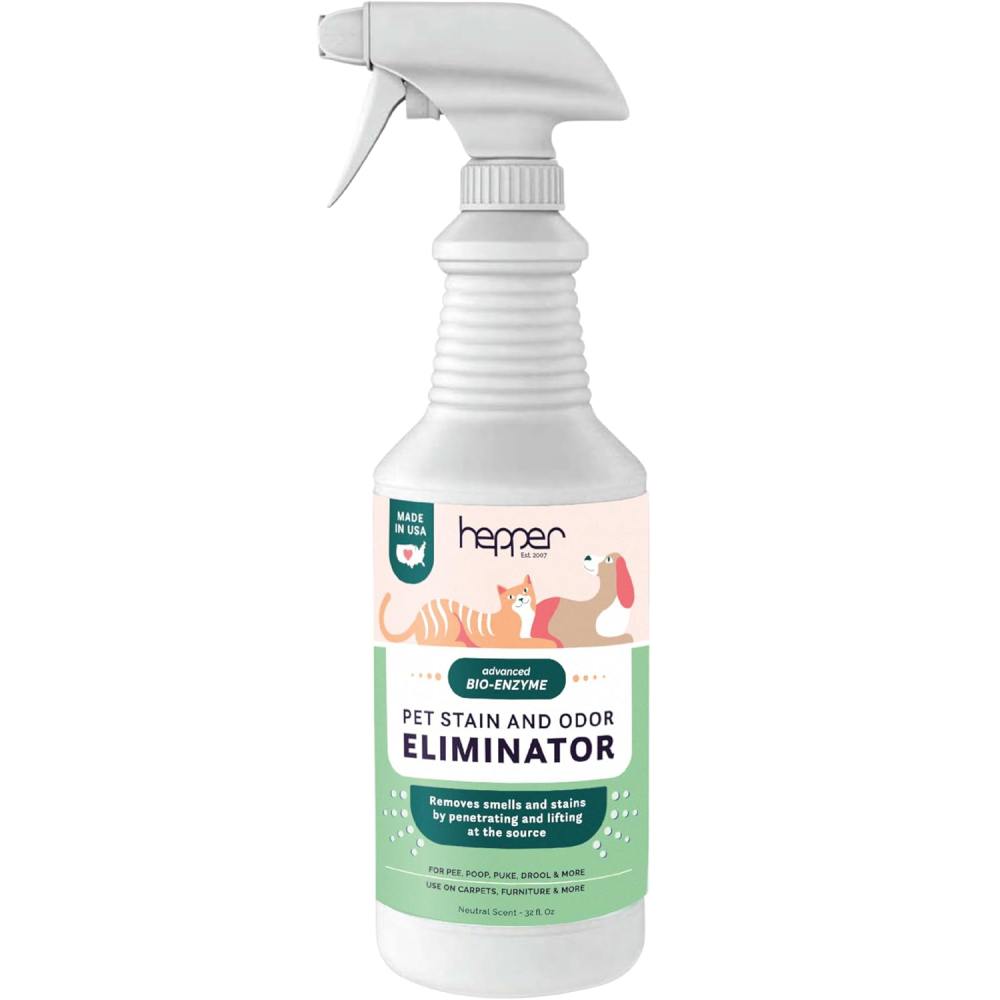
Image Source: www.dogster.com
Why Dog Poop Odor Lingers
Dog feces contain bacteria and organic compounds. When the poop sits, these elements break down. This breakdown releases gases that cause the foul smell. Simply cleaning the visible mess is not enough. The odor-causing particles soak into the floor material. This is why the smell seems to come back even after you clean.
Different floor types trap odors in different ways:
- Hardwood and Laminate: These floors are somewhat porous. Liquids can seep into seams and scratches, hiding bacteria underneath.
- Tile and Vinyl: While less porous, the smell loves to cling to the surface texture and, critically, seep into the grout lines.
- Sealed Concrete: If the sealant wears down, odors can penetrate the concrete itself.
To truly remove the smell, you must break down these organic proteins, not just cover them up.
Immediate Action: Clean Up Fast
The faster you act, the less chance the odor has to set in. Speed is key when dealing with pet accidents.
Step 1: Gathers Supplies
Have your cleaning kit ready. This saves precious time. You will need:
- Heavy-duty gloves.
- Paper towels or old rags you can throw away.
- Plastic bags for disposal.
- Your chosen cleaning solution (detailed below).
- A scrub brush or old toothbrush for tough spots.
Step 2: Removing the Solid Waste
Gently scoop up the solid waste. Do not smear it around. Use stiff paper or cardboard to push the bulk of the mess into a plastic bag. Twist the bag shut tightly before disposal. The goal here is removal, not scrubbing.
Step 3: Initial Wipe Down
Use a dry paper towel to blot any remaining moisture or residue. Do not use water yet. Water can spread the bacteria further into the floor.
Choosing the Right Cleaning Solution
The secret to eliminating pet odors lies in chemical action. You need something that breaks down the organic matter. This is where enzyme cleaner for dog urine comes into play, even for solid waste. Enzyme cleaners are powerful tools.
Enzyme Cleaners: The Odor Destroyers
Enzymes are biological catalysts. They eat away at the odor-causing proteins and bacteria found in dog waste. Look for a high-quality pet odor eliminator for hard floors. These specialized products are designed to penetrate surfaces without damaging them.
How Enzyme Cleaners Work:
- They contain specific live enzymes.
- These enzymes seek out and break down the organic waste molecules.
- The molecules turn into harmless gas or water vapor.
- The odor is gone, not just covered up.
Organic Options for Gentle Cleaning
If you prefer natural solutions, there are good choices for organic dog poop odor removal. These are often safer around small children or sensitive pets.
| Organic Cleaner Option | Best Use Case | Notes |
|---|---|---|
| White Vinegar | Light surface odors, general freshening | Strong smell initially, but dissipates quickly, taking odor with it. |
| Baking Soda Paste | Spot treatment, absorbing moisture | Excellent for pulling deep odors out of slight cracks. |
| Hydrogen Peroxide (3%) | Disinfecting tough stains (use caution on dark wood) | Powerful bleaching action; test first on colored surfaces. |
While these are great, remember that they often require longer contact time than commercial enzyme products for deep cleaning.
Specific Floor Type Cleaning Guides
The best method changes based on what your floor is made of. You need a safe floor cleaner for dog accidents that suits your material.
Cleaning Tile and Grout
Tile is tough, but the grout is the enemy. Grout is very porous and loves to trap odors. This is where most lingering smells hide. You will need methods for how to clean dog feces smell from tile and specific techniques for removing stubborn pet odors from grout.
For Tile Surfaces:
- Apply your chosen cleaner liberally (enzyme cleaner is ideal here).
- Let it soak for the time recommended on the bottle (usually 10–15 minutes). This gives the enzymes time to work.
- Scrub with a soft-bristled brush or mop head.
- Rinse thoroughly with clean water.
For Grout Lines:
Grout needs focused attention.
- Create a thick paste using baking soda and a small amount of water or hydrogen peroxide.
- Spread this paste directly onto the grout lines where the mess occurred.
- Use an old toothbrush or a stiff grout brush to scrub hard into the lines. Work in small sections.
- Let the paste sit for at least 30 minutes, or even an hour.
- Wipe clean with damp cloths. Repeat if necessary.
Cleaning Hardwood and Laminate Floors
Wood floors require care. Too much water or harsh chemicals can warp the wood or ruin the finish. You are looking for the best product for pet odor on wood floors.
- Test First: Always test your cleaner in an inconspicuous area.
- Minimal Moisture: Use cleaning solutions sparingly. Damp mop, never wet mop.
- Vinegar Solution: A highly diluted vinegar solution (1 part white vinegar to 10 parts water) works well for neutralizing dog waste smell on sealed wood. Wipe it on, let it sit for just five minutes, and then immediately follow with a wipe-down using plain water to neutralize the vinegar.
- Avoid Peroxide: Do not use hydrogen peroxide on finished wood, as it can strip the color.
Creating a DIY Dog Stain and Odor Remover
If you need a quick solution or prefer to stick to your pantry, a DIY dog stain and odor remover can be effective for fresh messes.
Simple Vinegar/Water Spray:
- Mix 1 cup of white vinegar with 1 cup of warm water.
- Add 1 teaspoon of mild dish soap (not laundry detergent).
- Put this mixture in a spray bottle.
- Spray the affected area heavily after the initial physical cleanup.
- Let it sit for 10 minutes.
- Wipe clean with a damp cloth.
This is a good starting point, but for deep-set smells, a commercial enzyme cleaner will likely be better.
Deep Cleaning Techniques for Stubborn Odors
Sometimes, the smell hides deep below the surface, requiring more intensive work. This might involve looking at professional dog mess odor removal techniques if DIY methods fail.
The Power of Steam Cleaning
For sealed hard floors (like ceramic tile or durable vinyl), steam cleaning can be very effective. The heat helps loosen grime, and the extraction process pulls deep moisture and odor particles out.
- Caution for Wood: Never use a steam mop on bare or unsealed hardwood floors, as the moisture and heat will cause damage.
- Grout Advantage: Steam cleaners are excellent for blasting odors out of grout lines when used after a thorough pre-treatment.
Using Activated Charcoal or Coffee Grounds
For odors that seem to linger in the air around the area, or on surfaces where you cannot use liquid cleaners, adsorption is a great trick.
- Activated Charcoal: Place bowls of activated charcoal (found in pet stores or hardware stores) near the cleaned area for several days. Charcoal naturally pulls odors from the air.
- Coffee Grounds: Fresh or used, dry coffee grounds can absorb strong odors. Place them in open containers near the spot for a day or two. This will replace the dog smell with a coffee smell temporarily.
When to Call the Pros
If you have tried enzyme treatments multiple times, scrubbed grout thoroughly, and the smell persists, it might be time for professional dog mess odor removal. Professionals have access to industrial-strength odor neutralizers and equipment, such as ozone generators, that can break down deeply embedded odors that home cleaners cannot reach. This is often necessary if the accident saturated subflooring or if the odor has spread significantly.
Maintaining Odor-Free Floors
Prevention and quick maintenance keep smells from returning.
Regular Deep Cleaning Schedules
Even without an accident, routine cleaning matters. Use your pet odor eliminator for hard floors as part of your monthly deep clean routine, focusing on high-traffic pet areas.
Proper Mop Maintenance
Your mop head itself can hold odors.
- Wash mop heads immediately after use in hot, soapy water.
- For synthetic heads, consider soaking them occasionally in a diluted vinegar solution.
- For string or microfiber mops, replace them frequently if they start to retain smells.
Managing Pet Bedding and Rugs
Dog waste odor does not always stay on the hard floor. It transfers easily to nearby fabrics.
- Wash all rugs, dog beds, and blankets that were near the accident zone separately.
- Add ½ cup of baking soda or a cup of white vinegar to the wash cycle along with your regular detergent to ensure odor removal.
Summary of Best Products for Different Needs
Choosing the right cleaner makes the job much easier. Here is a quick reference table:
| Cleaning Need | Recommended Product/Method | Why It Works |
|---|---|---|
| Deep Organic Breakdown | High-quality Enzyme Cleaner | Breaks down waste proteins biologically. |
| Wood Floor Safety | Diluted White Vinegar Solution | Mild acid neutralizes odor without stripping sealant. |
| Grout Odor Removal | Baking Soda Paste (scrubbed in) | Abrasive action plus strong absorption. |
| General Disinfection | Diluted Hydrogen Peroxide (Test first!) | Kills bacteria that cause some secondary odors. |
FAQ Section
How long does it take for an enzyme cleaner to work on dog poop smell?
For fresh, surface messes, you may notice improvement within an hour after the product dries. For deeply set odors, you might need to let the enzyme cleaner soak for 12 to 24 hours (keeping the area moist by covering it with plastic wrap) to allow the enzymes sufficient time to fully consume the odor molecules.
Is it safe to use bleach on my floors to kill the smell?
Bleach should generally be avoided for pet accidents on most floors. It can discolor or damage wood, laminate, and some tiles. More importantly, bleach only disinfects; it does not break down the organic proteins causing the smell, meaning the odor may return. Furthermore, mixing bleach with ammonia (sometimes found in commercial cleaners) creates toxic fumes.
My floor smells even after I cleaned, but I can’t see anything left. What am I missing?
If the smell persists after cleaning the surface, the waste likely seeped into the seams, grout lines, or under the floorboards (in the case of wood). Focus your efforts on these porous areas. You need a deeper penetrating cleaner, which is why an enzyme cleaner for dog urine and feces is often the best solution, as these products are engineered to wick into small cracks.
Can I use an air freshener to cover up the smell?
No. Air fresheners only mask the odor temporarily. They add perfume to the existing smell, creating an unpleasant mix. To eliminate the problem, you must neutralize the source of the odor using enzymatic cleaners or strong neutralizers.