
Can I use a heated pad in a dog crate? Yes, you certainly can, but you must choose products specifically designed for pets and use them safely. Keeping your dog warm, especially when they are in a crate or kennel, is vital for their health and comfort when temperatures drop. This guide will show you many ways to make your dog’s resting space snug and warm, focusing on safety and effectiveness. We will look at everything from simple covers to more advanced heating solutions for outdoor dog kennel warmth and indoor crates.
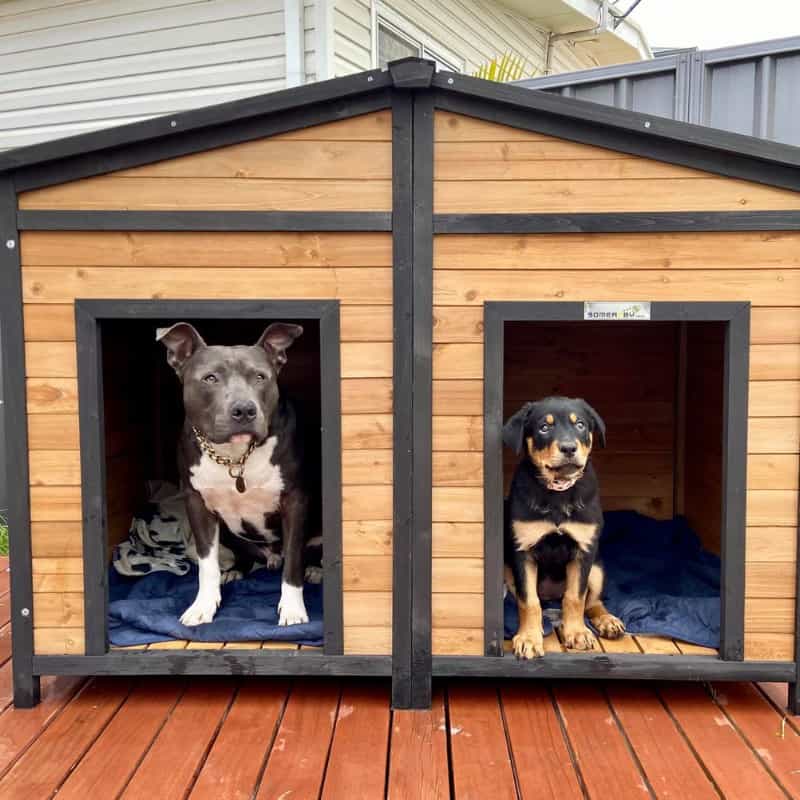
Image Source: www.coopsandcages.com.au
Why Dog Crate Warmth Matters
Dogs use a lot of energy just trying to stay warm when it is cold. This is especially true for smaller dogs, senior dogs, short-haired breeds, and sick dogs. A cold environment can lead to shivering, stress, and even hypothermia in extreme cases. Providing a warm, dry place is more than just a nice gesture; it is necessary care.
Recognizing When Your Dog Is Cold
It is important to know the signs that your furry friend needs more warmth. Look for these signs:
- Shivering or trembling, even when resting.
- Seeking out small, hidden spaces.
- Reluctance to move or play.
- Tucking their paws and tail tightly under their body.
- Whining or seeming restless in their bed.
If you see these signs, it is time to boost the warmth in their space. This involves careful temperature regulation for dog crates.
Insulation: Building a Warm Shell
The first step to a warm crate is stopping the cold air from getting in and the warm air from getting out. This is where dog crate insulation comes into play. Insulation traps your dog’s body heat.
Simple Ways to Insulate the Crate Itself
You do not need fancy materials for great results. Think simple barriers against the cold.
Covering Dog Crate for Warmth
One of the easiest and most effective methods is covering dog crate for warmth. Think of it like putting a blanket over a tent.
- Use Thick Blankets or Moving Blankets: Drape heavy, thick blankets over three sides and the top of the crate. Leave the front opening clear enough for air flow, but block drafts.
- Use a Dog Crate Cover: Commercial crate covers are designed to fit well. They often use durable, water-resistant fabric on the outside and soft fleece on the inside. These are excellent for creating a den-like feel.
- Insulated Curtains: For outdoor kennels or garages, consider using heavy, insulated curtains that you can easily pull back during the day.
Floor Insulation is Key
Cold floors suck heat right out of your dog. The floor of the crate needs a thick barrier.
- Place a layer of foam board insulation (like rigid foam you can buy at a hardware store) cut to fit the base of the crate, under the dog’s bed.
- Cover this foam with a thick, washable rug or mat before putting the main bedding down. This protects the foam and adds comfort.
Advanced Dog Crate Insulation Techniques
If you are looking for the best way to warm up a dog crate, especially for long outdoor stays, you might need stronger methods of insulating dog crate for cold weather.
Creating a Double Wall (For Wooden or DIY Crates)
If you have a wooden crate or are building one, you can create an air gap for better insulation, similar to how houses are built.
- Build an outer shell slightly larger than the inner crate.
- Fill the space between the inner and outer walls with insulating material (like rigid foam panels, not loose fill).
- Ensure the entrance is offset to prevent direct drafts from hitting the dog.
This method is often used when setting up a winter dog house heating system.
Choosing the Right Bedding
Once the crate shell is insulated, the bedding inside must be warm and dry. Wet bedding loses all its warming power fast.
Layering for Maximum Warmth
Layering is the secret weapon against the cold floor.
- Moisture Barrier: Start with a waterproof or water-resistant layer directly on the insulated floor.
- Insulation Layer: Add a layer of fleece or thick foam padding.
- Main Bed: Use a large, supportive bed. Look for orthopedic beds, as they often contain denser foam that insulates better than thin stuffing.
- Top Layer: Place a thermal blanket or a specialized heated dog bed for crate directly where your dog sleeps.
Material Matters
Certain fabrics hold heat better than others.
- Fleece and Sherpa: Excellent for trapping body heat.
- Wool: Naturally insulating and breathable.
- Avoid: Thin cotton or towels, which flatten easily and offer little protection from cold ground.
Safe Heating Solutions for Crates
While insulation slows heat loss, sometimes you need to actively generate warmth. Safety is the number one concern here. We must only consider safe dog crate heating options.
Heated Dog Beds and Pads
A heated dog bed for crate is a popular choice. These are designed to warm gently, usually to around 100-105°F (38-40°C), which is comfortable for dogs without being hot enough to burn them.
Safety Checklist for Heated Beds:
- Chew-Resistant Cords: Ensure the cord is heavily reinforced or wrapped in protective casing. Dogs love to chew, and electrical hazards are serious.
- Low Voltage/Thermostatically Controlled: The pad should maintain a safe, steady temperature and shut off or regulate if it gets too hot.
- Indoor vs. Outdoor Rating: If the crate is outside, the heating element must be rated for outdoor use to resist moisture.
Utilizing Self-Warming Technology
If you worry about electricity, self-warming mats are a great middle ground.
These mats use materials like Mylar or specialized insulating layers inside the mat structure. These materials reflect the dog’s own body heat back to them. They require no power source and are very safe, though they provide less overall warmth than electric options. They are great for DIY dog cage warming projects where running power is difficult.
Internal Heating Devices (Use with Extreme Caution)
When aiming for outdoor dog kennel warmth, sometimes a small, localized heat source is needed. This should only be done with extreme diligence.
Heat Lamps and Ceramic Heaters
- NEVER place a heat lamp inside a small wire crate. This is a major fire risk and the dog can easily touch the bulb and suffer burns.
- If you must use a ceramic heater, it must be placed outside the crate, aimed into the enclosed area, and secured so the dog cannot knock it over or touch the hot element. Always use a heater with an automatic tip-over shutoff feature.
Chemical Warmth Packs
For travel or short-term needs, activated heat packs (like those used for hands) can provide temporary warmth.
- Activation: Follow the package instructions carefully.
- Placement: Wrap the pack completely in a towel or fleece. Place it under the dog’s main bedding layer, never directly touching their skin. Check the area regularly to ensure it is not becoming too hot.
Location, Location, Location: Placement Strategy
Where you put the crate is just as important as what you put inside it. A well-insulated crate in a drafty spot will still be cold.
Indoor Placement Tips
If the crate is inside a garage, mudroom, or basement, focus on blocking ground cold and external drafts.
- Elevate the Crate: Place the crate on wooden blocks, carpet remnants, or an insulated pallet to keep it off concrete floors, which are notorious for drawing heat away.
- Avoid Exterior Walls: If possible, place the crate away from outside walls, especially if those walls lack good insulation.
- Block Doorways: Position the crate so that opening and closing an exterior door does not blast cold air directly into the space.
Outdoor Kennel Warmth Considerations
Keeping a dog warm outside requires a multi-faceted approach, often involving heavy-duty winter dog house heating strategies.
- Shelter First: The kennel must be sturdy and block wind and rain effectively. A solid structure beats a wire kennel every time in cold weather.
- Wind Block: Use heavy tarps or wooden paneling to block the prevailing winter winds from hitting the kennel walls or door.
- Small Space is Good: Dogs generate body heat. A smaller, well-insulated space that traps their body heat is better than a huge, spacious one where heat dissipates quickly.
DIY Dog Cage Warming Techniques
For the handy owner, there are ways to boost warmth cheaply and creatively, focusing on DIY dog cage warming.
The Water Bottle Trick
This is a classic, zero-electricity method perfect for overnight warmth.
- Boil water and fill a durable, leak-proof plastic bottle (like a Nalgene or heavy soda bottle).
- Wait until the bottle is very warm but not hot enough to scald.
- Wrap the bottle tightly in thick fleece or a sock.
- Place the wrapped bottle under the dog’s main bedding, near their body. The warmth lasts for several hours.
- Crucial Step: Always check the bottle before bed to ensure it hasn’t leaked any water onto the bedding. Wetness equals coldness.
Reflective Barriers
Harnessing radiant heat is smart. Use materials that reflect heat inward.
- Emergency Blankets: These lightweight, reflective blankets can be cut and placed between the outer crate material and the inner lining. They reflect the dog’s own heat (and any ambient heat) back toward them.
| Insulation Material | Best For | Pros | Cons |
|---|---|---|---|
| Rigid Foam Board | Floor/Wall Insulation | Excellent R-value (heat resistance) | Requires cutting; must be covered |
| Heavy Fleece Blankets | Covering/Bedding | Traps heat well; soft | Absorbs moisture easily |
| Thermal/Mylar Wraps | Internal Reflection | Lightweight; highly reflective | Not comfortable on its own |
| Electric Heated Pad | Active Heating | Consistent, reliable warmth | Requires electricity; chew risk |
Maintaining Safe Temperatures
The goal is cozy, not overheated. Overheating is just as dangerous as being too cold, especially if the dog is already layered up.
Monitoring the Environment
How do you ensure you have the right temperature regulation for dog crates? You need a thermometer.
- Place a simple indoor/outdoor thermometer inside the crate or kennel area.
- The ideal temperature for most dogs in their resting space during winter is between 60°F and 75°F (15°C and 24°C).
- If the temperature drops below 50°F (10°C), supplemental heat is strongly recommended for most dogs.
When to Increase Heat
Adjust your strategy based on the dog’s breed and age.
| Dog Group | Cold Tolerance | Heat Needed Above |
|---|---|---|
| Small/Toy Breeds (Chihuahuas, Yorkies) | Low | 65°F (18°C) |
| Short-Haired/Lean Breeds (Greyhounds, Dobermans) | Low to Medium | 60°F (15°C) |
| Double-Coated Breeds (Huskies, Malamutes) | High | 45°F (7°C) |
| Senior or Sick Dogs | Very Low | 70°F (21°C) |
If you have a thick-coated northern breed outside, high insulation and blocking wind might be enough until temperatures plummet below freezing. A senior Poodle, however, will need a constant gentle heat source.
Specialized Considerations for Outdoor Kennels
Keeping an outdoor dog kennel warmth is a significant challenge compared to an indoor crate. It requires weatherproofing above all else.
Wind and Moisture Protection
Wind chill is the biggest enemy outdoors. A 40°F day can feel like 25°F with a strong wind.
- Elevate: The kennel base must be several inches off the ground. Use concrete blocks or treated lumber sleepers. This prevents snowmelt and damp ground from seeping in.
- Doorway Flaps: Install heavy-duty, overlapping vinyl flaps or thick rubber strips over the door opening. These act like a storm door, letting the dog enter but trapping most of the inside heat.
Proper Winter Dog House Heating Setup
If you use electric heat outside, the entire setup must be waterproof.
- GFCI Protection: All outdoor outlets must be Ground Fault Circuit Interrupter (GFCI) protected for safety.
- Cord Management: Run cords away from high-traffic areas where they could be chewed or damaged by ice/snow. Use heavy-duty, outdoor-rated extension cords if necessary.
- Heat Source Placement: If using an electric blanket or pad, ensure it is rated for damp conditions and placed under thick, dry bedding. The heat should warm the dog from below, not blast them from the side.
Safety Review: Avoiding Common Mistakes
When trying to keep things warm, people sometimes resort to unsafe methods. Always double-check your setup against these warnings.
What to Absolutely Avoid:
- Direct Contact with Electric Heating Elements: Never let your dog touch a bare heating coil, light bulb, or exposed wire.
- Using Human Electric Blankets: These blankets are designed to get much hotter than a dog needs. They lack the low-voltage safety features and chew-proof cords of pet-specific products.
- Placing Heat Sources Too Close: Heat radiates. A heater placed too near the side of the crate can create a hot spot that melts plastic or burns the dog.
- Wet Bedding: Damp bedding transfers cold rapidly, making your dog colder faster than sleeping on a bare, dry floor.
By focusing first on excellent insulation—using effective dog crate insulation—and then layering in safe, low-level heat, you can ensure your dog enjoys a warm, restful time in their enclosure, whether it is for a few hours or overnight. Utilizing methods like DIY dog cage warming alongside commercial products like a heated dog bed for crate gives you the best overall solution.
Frequently Asked Questions (FAQ)
What is the safest way to heat a dog crate indoors?
The safest method is using a thermostat-controlled, chew-resistant heated dog bed for crate designed specifically for pets. Always place this beneath a thick layer of comfortable bedding. If using electric items, ensure they are low voltage and approved for pet use.
Can I use a regular space heater for an outdoor dog kennel?
No, a standard space heater is generally not safe for an outdoor dog kennel warmth setup unless it is heavily sheltered, protected from rain/snow, and placed far away from the dog so they cannot touch it. Safer alternatives include self-warming mats or specialized, low-wattage, enclosed outdoor heating units.
How much insulation do I need for a wire crate in a 40°F garage?
For 40°F (4°C), you need heavy insulation. Cover all four sides and the top of the wire crate with thick moving blankets or insulated covers. Elevate the floor with rigid foam board under the main bed. This helps maximize insulating dog crate for cold weather effectiveness.
Are self-warming mats effective enough for freezing temperatures?
Self-warming mats are helpful for reflecting body heat, but they are usually not enough on their own when temperatures drop below freezing (32°F or 0°C). They work best as a base layer combined with a small electric heating pad or a water bottle trick for active winter dog house heating.
What is the risk of covering a dog crate if I don’t use extra heat?
The main risk is poor ventilation leading to stale air or, if the dog is healthy and generating enough heat, potentially slight overheating on a mild day. If you are covering dog crate for warmth, ensure there is always an opening, or use a breathable but insulating fabric to guarantee airflow and proper temperature regulation for dog crates.