
If your dog has weak back legs, you must act fast to help them. Canine hind leg weakness remedies focus on slowing down the problem and keeping your dog comfortable. This often means a mix of vet visits, special diets, exercise changes, and supportive gear.
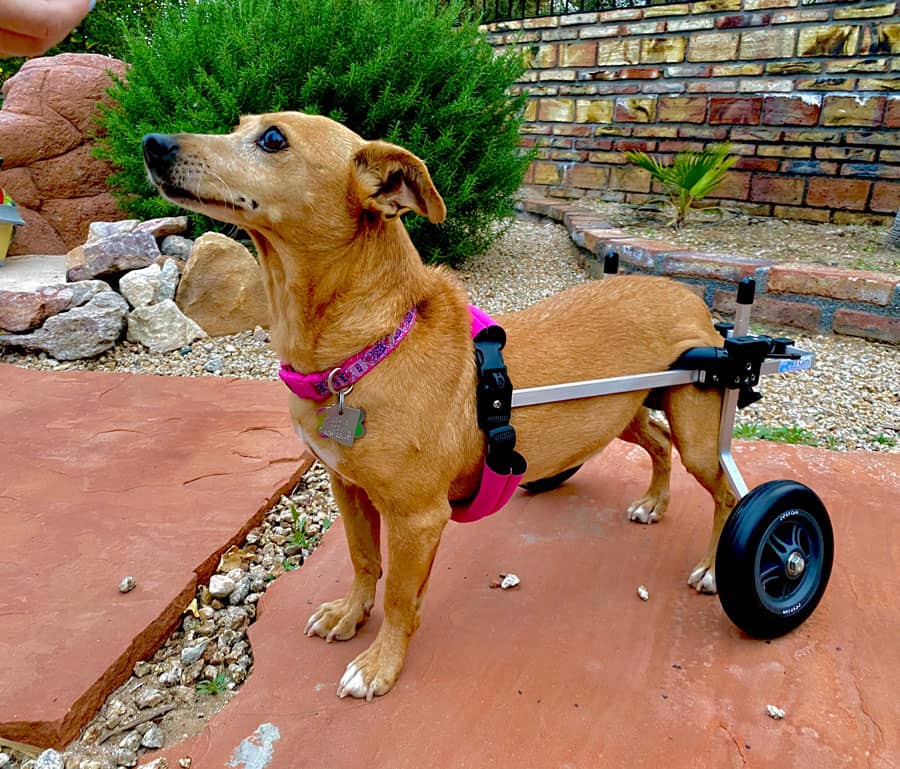
Image Source: k9carts.com
Recognizing the Signs of Weakness
It is important to spot the signs early. Weak back legs in dogs can show up in many ways. Knowing these signs helps you seek timely veterinary care for dog hind leg problems.
Common Symptoms to Watch For
Dogs with weak hind legs might struggle with simple movements. Look closely at how your dog moves each day.
- Stumbling or Tripping: They might lose their balance often.
- Difficulty Standing Up: Getting up from a nap takes a long time or seems hard.
- Slowing Down: They might not want to play or walk as far as before.
- Dragging Feet: Their paws may drag on the ground when they walk.
- Jumping Issues: They cannot jump onto the couch or into the car easily.
- Muscle Loss: You might notice their back legs look smaller than their front legs.
Finding Out Why the Legs Are Weak
Weakness in the back legs is not one single disease. It has many possible causes. A vet needs to do tests to find the real reason. This step is key for effective treatments for weak dog hindquarters.
Major Causes of Canine Hind Leg Weakness
Several conditions can lead to a dog losing strength in its rear end.
Spinal Cord Issues
These are common causes, especially in older or deep-chested dogs.
- Intervertebral Disc Disease (IVDD): A disc in the spine slips or bulges. This presses on the spinal cord. This is common in breeds like Dachshunds.
- Degenerative Myelopathy (DM): This is a progressive spinal cord disease, like ALS in people. It usually affects older large breeds. It starts slowly and gets worse over time.
Joint and Bone Problems
Problems in the hip or knee joints cause pain. Pain makes a dog use the legs less, leading to weakness.
- Hip Dysplasia: The hip socket and thigh bone do not fit well. This causes arthritis and pain.
- Osteoarthritis (OA): General wear and tear on the joints. This is very common as dogs age.
- Cruciate Ligament Tears: A tear in the knee joint (stifle). This causes sudden lameness and long-term instability.
Nerve Disorders
Nerves send signals from the brain to the muscles. If nerves are damaged, the legs cannot move right.
- Nerve Impingement: Swelling or injury near a nerve root causes poor signals.
- Peripheral Neuropathy: General damage to the nerves outside the brain and spine.
Getting Expert Help: The Role of Veterinary Care
Never try to treat severe weakness at home first. Veterinary care for dog hind leg problems is the most vital first step. Your vet will perform a full checkup.
Diagnostic Tools Used by Vets
The vet uses different tools to see what is happening inside the dog.
- Physical Exam: The vet checks reflexes and muscle tone. They will try to bend the joints.
- X-Rays (Radiographs): These show bones, joints, and alignment. They help find arthritis or fractures.
- MRI or CT Scans: These advanced scans show soft tissues like the spinal cord and discs clearly. They are essential for diagnosing IVDD or DM.
- Blood Tests: These check for other diseases that might cause weakness, like thyroid issues.
Treatment Paths Based on Diagnosis
Treatment changes based on the cause found during diagnosis.
| Diagnosis | Common Treatment Focus |
|---|---|
| IVDD (Mild) | Rest, anti-inflammatories, physical therapy. |
| IVDD (Severe) | Surgery to relieve spinal pressure. |
| Hip Dysplasia/OA | Pain management, weight control, joint supplements for dog weak legs. |
| Degenerative Myelopathy (DM) | Supportive care, mobility aids, no cure available. |
Home Care and Supportive Measures
Once you have a diagnosis, your home becomes part of the treatment plan. Dog mobility support starts right where your dog lives.
Making Your Home Safer
Falls can cause severe secondary injuries when a dog already has weak legs. You must change your home environment.
- Ramps Over Stairs: Use sturdy ramps instead of stairs, especially for getting in and out of the car or house.
- Non-Slip Flooring: Put down area rugs or yoga mats on slippery floors like wood or tile. Dogs need grip to push off with their back legs.
- Bedding: Provide thick, supportive orthopedic beds. Avoid low, saggy beds that make rising hard.
- Lifting Aids: Keep slings or harnesses nearby for short walks or quick help getting up.
Utilizing Dog Rear Leg Support Aids
For dogs who cannot bear weight or struggle to push off, specific gear offers great help.
- Support Harnesses: These have handles or supports that let you safely assist your dog when they walk or stand.
- Dog Wheelchair for Weak Hind Legs: For dogs with significant paralysis or severe weakness (like advanced DM), a wheelchair can restore mobility and greatly boost quality of life. Ensure the chair is custom-fitted.
- Boots and Toe Grips: Special non-slip boots or simple rubber grips placed on the paw pads can provide necessary traction on slick floors. This is a simple form of dog rear leg support aids.
Moving Towards Recovery: Rehabilitation and Exercise
Rehabilitation is crucial. It helps maintain muscle mass and improves function. This is key for rehabilitating dogs with weak backs.
Gentle Exercises for Dog Weak Legs
Exercise must be low-impact and controlled. Too much activity can hurt a dog with spinal issues. Always clear an exercise plan with your veterinarian or a certified canine rehabilitation therapist (CCRT).
- Controlled Leash Walks: Short, frequent walks are better than one long one. Keep the pace slow and steady.
- Hydrotherapy (Underwater Treadmill): This is often the best option. The water supports the dog’s weight, reducing stress on joints while allowing muscles to work.
- Passive Range of Motion (PROM): Gently moving the dog’s legs through their natural range of motion without them actively using the muscles. This keeps joints flexible.
Strength Building Activities
These exercises for dog weak legs focus on building core strength, which supports the back.
- Weight Shifting: While your dog stands, gently shift their weight side to side. This forces them to engage their core and balance muscles.
- Cavaletti Rails: Set low poles on the ground a dog has to step over. This encourages higher limb lifting and better coordination. Keep them very low at first.
Table: Sample Weekly Exercise Schedule (Consult Your Vet First)
| Day | Activity | Duration/Reps | Focus Area |
|---|---|---|---|
| Monday | Slow, level leash walk | 10 minutes | Stamina, steady movement |
| Tuesday | Passive Range of Motion | 10 minutes | Joint health, flexibility |
| Wednesday | Underwater Treadmill (if available) | 15 minutes | Muscle building, low impact |
| Thursday | Rest or Light Stretching | N/A | Recovery |
| Friday | Controlled Weight Shifting | 5 sets of 10 shifts | Core stability |
| Saturday | Short walk on soft ground | 10 minutes | Traction practice |
| Sunday | Rest | N/A | Full recovery |
Nutrition and Supplements for Support
What you feed your dog plays a big role in managing chronic conditions affecting the legs and spine. Good nutrition supports healing and reduces inflammation.
Weight Management
Excess weight is the enemy of a dog with weak back legs. Every extra pound puts massive strain on already weak muscles and sore joints.
- Calorie Control: Work with your vet to determine the ideal weight for your dog’s frame. Adjust food intake carefully.
- High-Quality Diet: Feed food appropriate for your dog’s age and condition (e.g., senior or joint support formulas).
Essential Supplements for Dog Weak Legs
Certain supplements for dog weak legs can help manage inflammation and support joint structure. Always introduce supplements slowly and under veterinary guidance.
- Glucosamine and Chondroitin: These are the building blocks for healthy cartilage. They help maintain joint fluid.
- Omega-3 Fatty Acids (Fish Oil): EPA and DHA found in fish oil are powerful natural anti-inflammatories. They can reduce joint pain and stiffness.
- CBD Oil: Many owners report success using veterinary-approved CBD products to manage chronic pain associated with mobility issues. Check local laws and vet recommendations carefully.
Addressing Paralysis or Severe Weakness
When weakness advances to partial or full paralysis, the approach shifts strongly toward managing daily life and preventing secondary problems. This relates directly to aiding dogs with paralyzed legs.
Preventing Pressure Sores
Dogs that cannot move their legs often spend more time lying down. Lying on hard surfaces for too long can cause painful sores (decubitus ulcers) where bone presses against the skin.
- Specialized Mattresses: Use high-density foam or gel flotation beds.
- Turning Schedule: If your dog cannot shift position, you must gently reposition them every few hours, just as you would an infant.
- Keep Skin Dry: Moisture from accidents can irritate the skin, leading to infections. Use pee pads and keep the area clean and dry.
Bowel and Bladder Management
Dogs with severe spinal cord involvement may lose control over their bladder and bowels.
- Scheduled Bathroom Breaks: Take the dog outside very frequently, even if they don’t show signals.
- Expressing the Bladder: For some paralyzed dogs, the bladder must be manually emptied (expressed) several times a day by a caretaker to prevent urine backup and infection. This requires training from a vet tech.
The Emotional Side: Supporting the Owner and the Dog
Dealing with a dog’s declining mobility is emotionally taxing for owners. Remember that your dog still feels joy and connection. Focusing on canine hind leg weakness remedies also means tending to mental health.
Keeping Life Happy and Engaging
A dog that cannot run still loves to use its mind and interact with its family.
- Mental Stimulation: Use puzzle toys, food dispensing balls, or short training sessions for simple commands they can still perform (like “sit” or “stay” using only front legs).
- Front Leg Conditioning: Since the front legs must now do more work, focus on strengthening them safely. This can involve more pulling during short walks or using front-wheel wheelchairs.
- Quality Time: Cuddle sessions, gentle grooming, and sitting close help maintain the bond.
When to Consider Tough Decisions
This is the hardest part of pet ownership. If your dog is in constant pain, cannot move without great distress, or has severe secondary health issues (like chronic infections from immobility), quality of life must be the primary focus. Discuss this honestly with your veterinarian. Compassionate end-of-life care is part of loving your pet fully.
Frequently Asked Questions (FAQ)
Can weak back legs in dogs ever get fully better?
Full recovery depends entirely on the cause. If the weakness is due to temporary weakness from injury or mild inflammation, recovery is possible with rest and therapy. However, if the cause is degenerative, like advanced arthritis or Degenerative Myelopathy (DM), the condition is usually managed, not cured. We focus on slowing progression and improving comfort.
How fast will my dog’s hind leg weakness get worse?
The speed of progression varies greatly. IVDD can cause sudden, severe weakness overnight. Diseases like DM progress slowly over months or years. Severe arthritis can worsen slowly over many seasons. Regular vet check-ups help track the rate of change.
Is swimming a good exercise for dogs with weak hind legs?
Yes, swimming or hydrotherapy is excellent. Water provides buoyancy, meaning the dog supports very little weight while exercising its muscles. This is vital for rehabilitating dogs with weak backs as it builds strength without impact stress.
What is the fastest way to help my dog stand up?
If your dog needs immediate help standing, use a mobility sling or support harness placed securely under their belly and around their chest. Lift gently but firmly underneath the hindquarters to help them engage their front legs and push up. Always be ready to support their weight if they start to slip.
Are dog rear leg support aids expensive?
Costs vary widely. Simple grip socks are inexpensive. High-quality custom dog wheelchair for weak hind legs can cost several hundred to over a thousand dollars, depending on features and customization needed. Slings are usually moderately priced. Check with your veterinarian for recommended, durable brands.