
What is the best way to de shed a dog? The best approach involves a mix of regular bathing, using the best dog de-shedding tools, proper nutrition, and consistent grooming techniques for shedding dogs. Dealing with excessive shedding can be frustrating, but with the right methods, you can significantly reduce the amount of loose hair around your home.
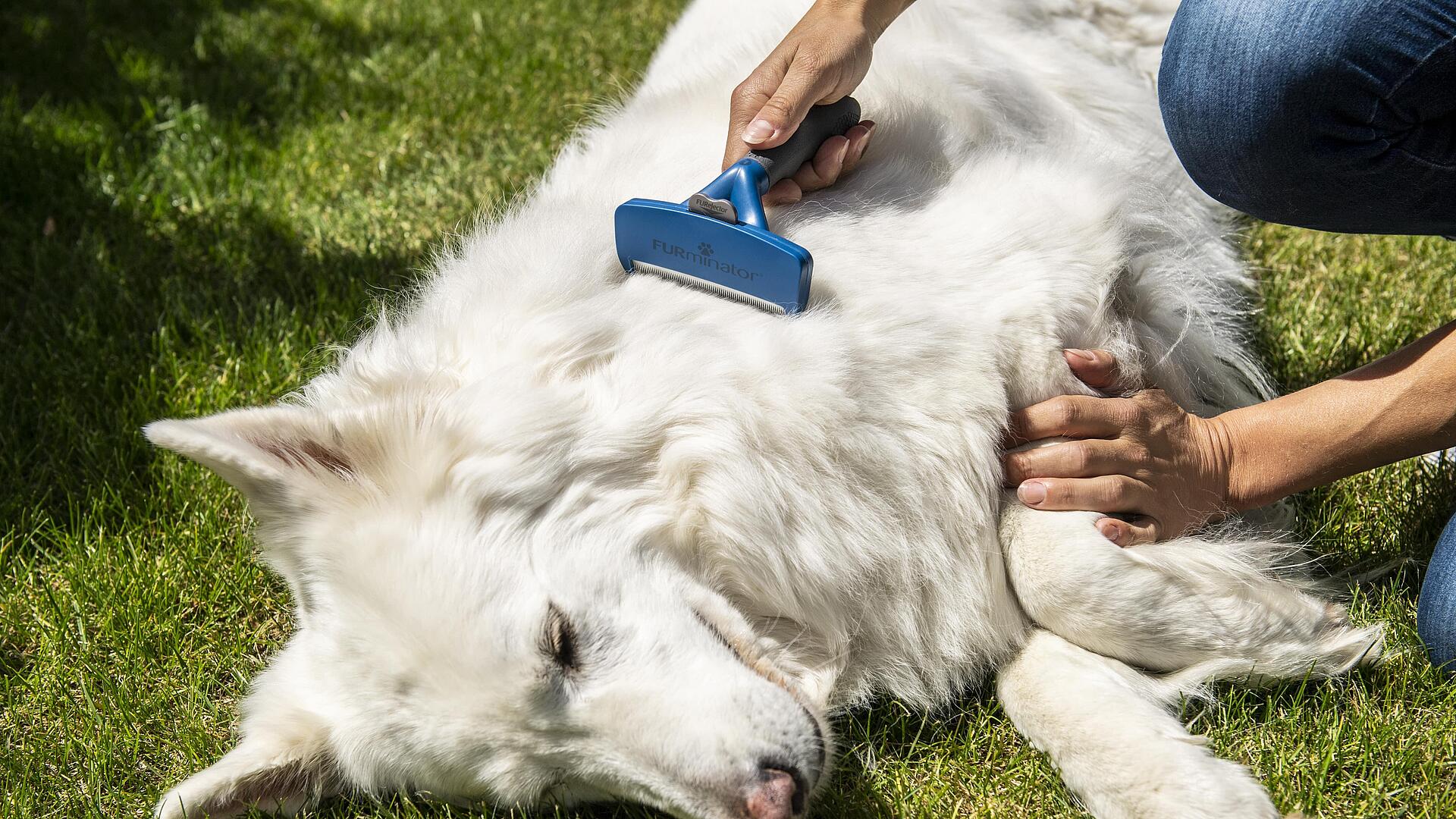
Image Source: www.furminator.net
Why Dogs Shed: The Natural Cycle
All dogs shed. It is a natural process where the body gets rid of old, dead hair. This shedding helps make room for new, healthy coats. Breeds with double coats often shed more heavily, especially during seasonal changes like spring and fall. Knowing why your dog sheds helps you pick the right plan for managing heavy shedding in dogs.
Seasonal Shedding vs. Year-Round Shedding
Most dogs shed moderately all year. However, twice a year, the shedding ramps up. This is when the thick undercoat blows out. It prepares the dog for the coming season—either shedding the heavy winter coat or thickening up for winter.
- Spring Blowout: Getting rid of the thick winter fur.
- Fall Blowout: Growing in the dense winter coat.
Some breeds shed very little. These are often called “non-shedding” dogs. In reality, they shed very little visible hair. Breeds like Poodles or Bichon Frise still have hair growth cycles, but the dead hairs get trapped in the coat instead of falling out easily.
Essential Steps for Effective De-Shedding
Effective de-shedding goes beyond just grabbing a brush when you see hair everywhere. It requires a consistent, multi-step routine.
Step 1: The Power of Nutrition
A dog’s coat health starts from the inside. Poor diet leads to dry skin and excessive shedding. Good food helps grow strong, healthy hair that doesn’t break off easily.
Key Nutritional Elements for Coat Health:
- Omega-3 and Omega-6 Fatty Acids: These oils keep the skin supple. They reduce dryness, which can trigger shedding. Look for fish oils or flaxseed in high-quality dog foods.
- High-Quality Protein: Hair is mostly protein. Ensure your dog gets enough quality animal protein sources.
- Vitamins and Minerals: Biotin and Zinc are important for skin health.
Making sure your dog eats well is a primary method for reducing dog shedding naturally. Consult your vet before adding major supplements to your dog’s diet.
Step 2: Bathing Strategies
Bathing helps loosen dead hair before it falls out in your house. However, bathing too often can dry out the skin. Find the right balance for your dog.
Selecting the Right Shampoo
Using the right product makes a big difference. Look for specialized formulas designed to address hair loss. A good deshedding shampoo for dogs often contains ingredients that condition the skin and help release the dead undercoat.
Tips for Bathing to Reduce Shedding:
- Use Lukewarm Water: Hot water can strip natural oils.
- Saturate Thoroughly: Make sure water reaches the skin, especially in thick-coated breeds.
- Lather and Massage: Work the shampoo deep into the coat, massaging the skin gently.
- Rinse Completely: Leftover soap can irritate the skin and cause more scratching and shedding.
Step 3: Selecting the Best Dog De-Shedding Tools
The right tools are your best defense against loose fur. Different tools work better for different coats. Investing in the best dog de-shedding tools saves time and reduces frustration.
The Essential Tool Kit
| Tool Name | Best Use For | How It Works |
|---|---|---|
| Undercoat Rake for Dogs | Thick, dense double coats (Huskies, Labs) | Reaches deep to pull out the dead undercoat without cutting the topcoat. |
| Grooming Rake for Shedding Dogs | Medium to long hair; general detangling | Helps remove mats and loose surface hair. |
| Slicker Brush | Removing surface tangles and distributing oils | Fine wires bend to lift loose surface hair. |
| Deshedding Blade Tool | Professional-grade removal of heavy undercoat | Must be used carefully to avoid skin irritation. |
Focus on the Undercoat Rake
For heavy shedders, the undercoat rake for dogs is crucial. This tool has long, blunt teeth that safely reach the undercoat. They pull out the dead hair that sits close to the skin. When using this tool, be gentle. You want to remove dead hair, not pull healthy topcoat or irritate the skin.
Effective Grooming Techniques for Shedding Dogs
Frequent brushing for dog shedding is the single most effective preventative measure. It removes dead hair where it is supposed to be shed—on the brush—not on your sofa.
How to Remove Loose Dog Hair Systematically
When brushing, use the right technique for your dog’s coat type. The goal is to penetrate the topcoat and reach the dense layer underneath.
Brushing Double-Coated Breeds
Breeds like German Shepherds, Golden Retrievers, and Pomeranians require specific attention to their undercoat.
- Start with the Undercoat Rake: Work in small sections, moving the rake from the skin outward toward the tip of the hair. Pull only when you feel resistance from dead hair. Never drag the rake across the skin.
- Follow with a Slicker Brush: Use the slicker brush to pick up any remaining loose surface hair and smooth the coat.
- Finish with a Bristle Brush: This helps distribute natural skin oils, making the remaining coat shiny and healthy.
Brushing Single-Coated Breeds
Dogs with single coats (like Greyhounds or Boxers) usually need less intense grooming. A rubber curry brush or a soft slicker brush works well. These tools massage the skin, which stimulates blood flow and helps lift dead hair to the surface for removal.
The Importance of Frequency
How often should you brush? For dogs with intense shedding cycles, daily brushing might be necessary during peak season. For low-shedding times, brushing every few days is usually enough. Consistency is key to effective dog shedding solutions.
Advanced De-Shedding Treatments
Sometimes, at-home brushing is not enough, especially when dealing with managing heavy shedding in dogs during seasonal changes. Professional help or specialized equipment can offer immediate relief.
Professional Grooming Sessions
Professional groomers have high-velocity dryers. These dryers are powerful vacuums that blow water and loose fur right out of the coat.
Benefits of a Professional De-Shedding Treatment:
- Deep cleaning and conditioning of the coat.
- Use of high-power air tools to force out dead undercoat.
- Trimming or stripping, depending on the breed requirements, which can reduce the volume of hair produced.
If you are looking for dog shedding solutions for a very heavy shedder, a monthly or bi-monthly professional session during peak season can make a huge difference in your home cleanliness.
Utilizing Deshedding Blades (With Caution)
Tools often marketed as deshedding blades (like the famous de-shedding tool with a special edge) are very effective at removing vast amounts of undercoat quickly.
Crucial Warning: These tools must be used correctly. They are designed to glide through the loose undercoat. If used too aggressively, they can cut the healthy guard hairs (the topcoat) or scrape the dog’s skin. Always follow the manufacturer’s instructions precisely and use gentle pressure.
Natural Ways to Keep Shedding Under Control
Beyond physical grooming, several natural adjustments can aid in reducing dog shedding naturally.
Hydration is Key
Just like humans, dehydrated skin sheds more easily. Ensure your dog always has access to fresh, clean water. Proper internal hydration supports skin elasticity, keeping hair anchored better.
Temperature Control
Overheating can cause excessive shedding as the dog tries to cool down by blowing its coat.
- Provide shade and cool spots, especially in summer.
- Avoid strenuous exercise during the hottest parts of the day.
- Keep indoor temperatures moderate.
Stress Reduction
Stress is a known factor that can trigger or worsen shedding in dogs. An anxious dog might shed more than usual.
Signs of Stress-Related Shedding:
- Shedding happening suddenly after a stressful event (e.g., vet visit, thunderstorms).
- Associated behaviors like excessive licking, panting, or pacing.
Creating a calm, predictable environment is a powerful, non-tool-based method of reducing dog shedding naturally.
Grooming Rake for Shedding Dogs: Making the Most of Every Session
The grooming rake for shedding dogs is often overlooked but is fantastic for medium-to-long coats that aren’t quite dense enough for a full undercoat rake. This tool helps maintain the coat between heavy sessions.
Technique for Using a Grooming Rake
When using a grooming rake for shedding dogs, think of it as a very gentle comb that gets a bit deeper than a standard brush.
- Pre-Brush: Use a regular slicker brush first to remove surface tangles.
- Rake Gently: Start near the shoulders and work toward the tail. Use short, light strokes, following the direction of hair growth.
- Check for Mats: If the rake snags, stop. You likely have a small mat that needs spot treatment with a slicker brush or comb before you continue raking.
This technique, combined with frequent brushing for dog shedding, keeps the coat manageable day-to-day.
Specific Advice for Double-Coated Breeds
Double-coated dogs require the most specialized care to manage shedding. Their system relies on two layers: the soft, insulating undercoat and the protective, longer guard hairs.
Fathoming the Double Coat System
The undercoat is the main source of “shedding seasons.” If you only brush the topcoat, the dead undercoat builds up, trapping moisture and heat against the skin. This can lead to skin issues and make the dog even hotter.
The Role of the Undercoat Rake for Dogs:
This tool is specifically designed to navigate the guard hairs and gently pull out the dead fluff underneath. It’s the key to effective managing heavy shedding in dogs with this coat type. If you skip this step, you are only treating the symptom (surface hair) and not the cause (trapped undercoat).
Should I Shave My Double-Coated Dog?
Generally, no. Shaving a double-coated dog can ruin its natural insulation. The topcoat protects the skin from sun damage, heat, and cold. Shaving can lead to sunburn, heatstroke in summer, and a permanently patchy, damaged coat when it grows back. Focus on grooming techniques for shedding dogs rather than altering the coat length drastically.
Grooming Schedule Examples
Consistency is more important than intensity. Here is a sample schedule for a medium-shedding dog, like a Labrador Retriever.
| Time Frame | Activity | Goal |
|---|---|---|
| Daily | Quick check with a rubber curry brush | Remove loose surface hair; massage skin. |
| 2-3 Times Per Week | Frequent brushing for dog shedding with Slicker/Rake | Remove trapped undercoat fibers. |
| Monthly | Bath using a deshedding shampoo for dogs | Deep clean and release dead hair. |
| Seasonally (Spring/Fall) | Intensive professional or home de-shedding session | Remove entire seasonal undercoat layer. |
Frequently Asked Questions (FAQ)
Can I stop my dog from shedding completely?
No. Shedding is a biological necessity for healthy hair replacement. You can only manage and reduce the amount of loose hair that ends up in your living space through consistent grooming and good nutrition.
Is it harmful if I use a de-shedding blade often?
Yes, if used too often or too aggressively. Overuse of harsh de-shedding blades can thin the protective topcoat and potentially damage the skin. Stick to gentler tools like the undercoat rake for dogs for regular use, reserving specialized blades for professional groomers or specific seasonal blowouts.
What are the best dog shedding solutions for furniture?
For furniture, a damp rubber glove or a lint roller designed for pet hair works wonders. Vacuuming frequently with a strong vacuum cleaner equipped with a good filter is also essential.
My dog scratches a lot and sheds. What should I do?
Excessive scratching suggests skin irritation, which can cause shedding. Rule out fleas or allergies with your veterinarian. While waiting for a diagnosis, ensure your dog is getting enough Omega fatty acids in its diet and use a moisturizing deshedding shampoo for dogs during baths.
Does clipping or shaving help with managing heavy shedding in dogs?
For most double-coated breeds, clipping or shaving is counterproductive as it destroys their natural temperature regulation system. For short-coated dogs with minimal undercoat (like Beagles), clipping might slightly reduce the hair length but won’t stop shedding itself. Focus on grooming techniques for shedding dogs instead.