
What is the best way to cover a wound on a dog? The best way to cover a wound on a dog is to first clean it gently, apply an antiseptic safe for pets, and then cover it with a sterile, non-stick pad secured with conforming gauze or veterinary wrap, making sure the covering is snug but not too tight. This process is key to canine wound care tips and preventing further issues.
When your dog gets hurt, knowing how to properly cover and care for the injury is vital. A good cover protects the cut from dirt, keeps the wound moist for healing, and stops your dog from licking or chewing at the injury. This guide will walk you through the steps for treating open wounds on dogs safely at home before seeking veterinary help if needed.
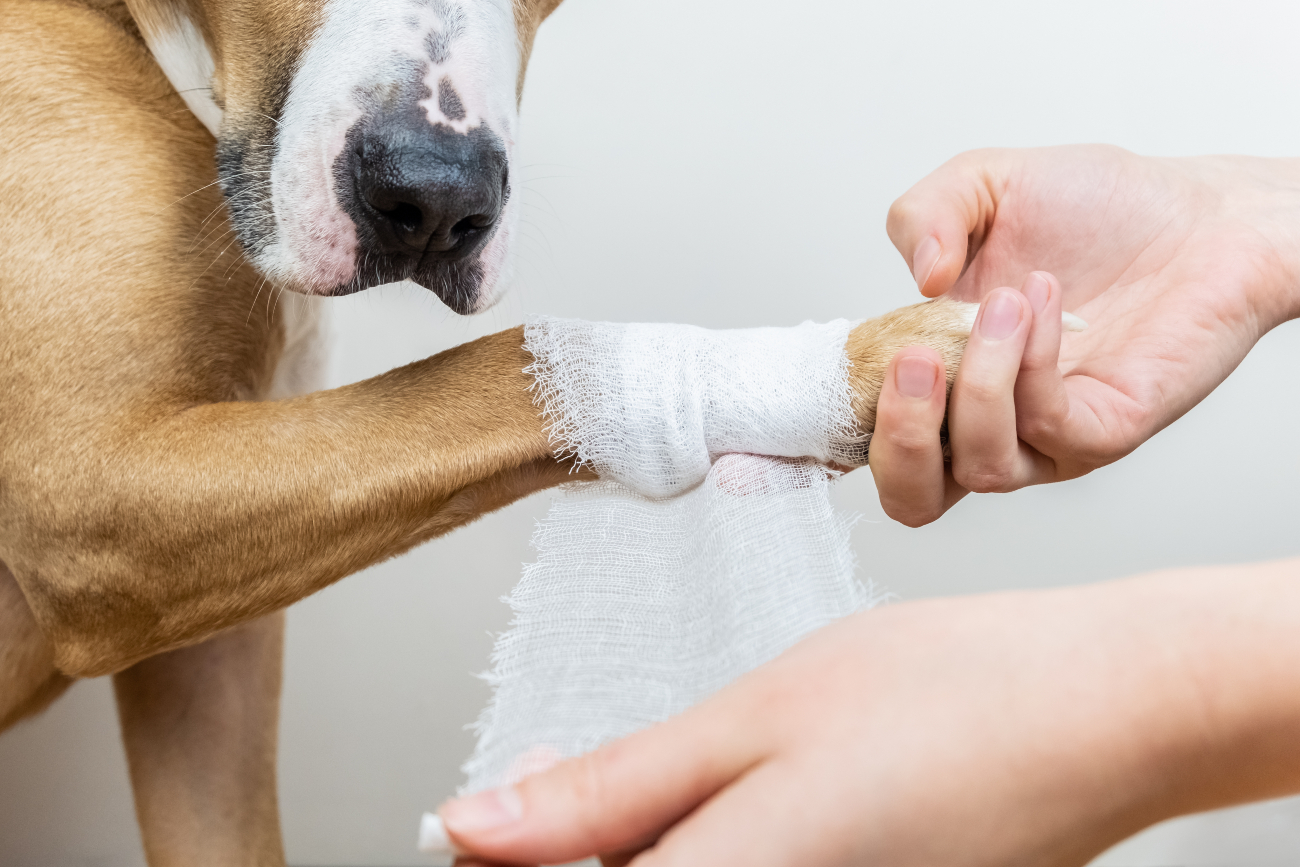
Image Source: www.purelypetsinsurance.co.uk
Initial Steps: Assessing and Stabilizing the Injury
Before you even think about covering the wound, you must assess the situation and take immediate action. Rushing the covering process can trap germs inside.
Stopping Bleeding on Dog Wounds Immediately
Bleeding must be controlled first. For minor scrapes, this might happen quickly. For deeper cuts, you need to act fast.
- Apply Direct Pressure: Use a clean cloth, sterile gauze, or even a clean paper towel. Press firmly and steadily right on the wound.
- Maintain Pressure: Keep the pressure on for five to ten minutes without peeking. Lifting the cloth too soon stops the clotting process.
- Elevate (If Possible): If the wound is on a leg, gently raise the leg above the heart level. This slows blood flow.
- When to Worry: If blood spurts or soaks through several thick pads quickly, this suggests a serious bleed. Go to the vet right away. This is an emergency in pet first aid for cuts.
Cleaning the Wound Area
Once the bleeding slows down or stops, cleaning is the next crucial step. Never skip cleaning before bandaging a dog’s injury.
Cleaning Solutions to Use:
- Saline Solution: Sterile saline is the safest choice. It mimics natural body fluids and cleans without stinging.
- Mild Soap and Water: For dirty wounds, use a very mild, non-detergent soap (like unscented dish soap diluted heavily) and rinse thoroughly afterward.
- Antiseptic Sprays (Vet Approved): Diluted povidone-iodine (must look like weak tea) or chlorhexidine solution are excellent for killing germs.
Cleaning Steps:
- Trim hair around the wound. Use scissors or electric clippers, moving away from the cut. Long hair traps bacteria.
- Gently flush the wound. Use a syringe or a clean cup to pour the cleaning solution over the area repeatedly. This washes debris out.
- Do not scrub deep wounds. Scrubbing can cause more damage. Let the flushing action do the work.
Choosing the Right Materials for Dog Wound Dressing
Selecting the right materials is essential for successful healing and forms the core of a good dog wound dressing. Using the wrong material can stick to the wound or irritate the skin.
Table 1: Essential Bandaging Materials Checklist
| Material Category | Recommended Item | Purpose | What to Avoid |
|---|---|---|---|
| Primary Layer (Contact Layer) | Non-stick sterile pads (Telfa) | Directly touches the wound; prevents sticking. | Cotton balls, regular adhesive bandages (Band-Aids). |
| Secondary Layer (Padding) | Cast padding or thick gauze rolls | Absorbs drainage and cushions the wound. | Towels, thick cotton batting. |
| Tertiary Layer (Outer Wrap) | Cohesive/Vet wrap (self-adherent) | Holds everything together; provides mild support. | Duct tape, clear plastic wrap, human athletic tape. |
| Adhesive/Tape | Medical adhesive tape (paper or cloth) | Used sparingly to secure the final edge. | Anything that leaves sticky residue on fur. |
Selecting the Best Bandages for Dog Cuts
The best bandages for dog cuts are those that balance protection with breathability. Wounds heal best in a slightly moist environment, but too much moisture causes sogginess and skin breakdown.
- Non-Stick Pads: These are crucial. They allow air exchange and ensure that when you change the dressing, you don’t pull off healing tissue.
- Absorbent Layers: If the wound is oozing (draining), use highly absorbent gauze underneath the non-stick pad. This keeps the skin dry around the injury.
The Art of Proper Wound Wrapping for Dogs
Proper wound wrapping for dogs requires attention to detail to ensure the dressing stays in place without cutting off circulation. This technique is often called creating a three-layer bandage.
Layer 1: The Primary Contact Layer
This layer goes directly onto the cleaned wound surface.
- Preparation: Take a sterile, non-stick pad that is slightly larger than the wound itself.
- Application: Place it directly over the wound. Do not tape this layer down to the skin unless instructed by a vet, as movement can cause friction. The pressure from the next layer will hold it.
Layer 2: The Secondary Padding Layer
This layer provides cushion and absorbs any drainage.
- Material: Use thick, soft cast padding or several layers of rolled gauze.
- Wrapping Technique: Start wrapping below the injury site (closer to the paw or elbow) and spiral upward, covering the primary layer completely.
- Tension Check: This is vital. The wrap should be snug enough to stay on but loose enough that you can easily slip one finger between the bandage and the skin. If you press the bandage, the skin underneath should spring back immediately. Excessive tightness can cause swelling below the wrap, leading to serious problems.
Layer 3: The Tertiary Protective Layer
This outer layer protects the soft padding from dirt and moisture, and it keeps the dog from chewing the bandage off.
- Material: Use cohesive bandage wrap (Vet Wrap). This material sticks to itself but not to fur or skin.
- Final Wrap: Wrap this layer over the padding, overlapping each spiral by about half its width.
- Securing: Secure the edges using a small piece of medical tape on the outer layer, or simply let the cohesive wrap overlap itself securely.
- Checking Extremities: If the bandage is on a leg, check the toes. They should remain warm and pink. If they look swollen, cold, or blue, the bandage is too tight, and you must rewrap it immediately.
DIY Dog Wound Protection for Temporary Needs
Sometimes, you need to cover a wound immediately while waiting for a vet appointment or if you don’t have professional supplies. This is where DIY dog wound protection comes in, but it should only be temporary.
Temporary Measures:
- Clean Barrier: Use the cleanest, softest material you have—a fresh, unused cloth diaper or a very clean cotton handkerchief can serve as a temporary pad.
- Securing (Use Caution): Secure this temporary dressing with strips of paper tape or gently tied clean strips of fabric. Never use rubber bands or string. The goal is just to keep the wound covered until you can do a proper dressing change later that day with better materials.
Important Warning: DIY methods are not sterile and should not be left on for more than a few hours, as they significantly increase the risk of infection.
Managing Specific Types of Wounds
Not all injuries are the same. How you cover them depends on the type of wound you are facing.
Puncture Wounds
Puncture wounds (like those from a bite or stepping on a nail) are tricky. They often look small on the surface but are deep.
- Do Not Seal Tightly: Never seal a puncture wound completely with thick padding right away. Punctures introduce deep contamination. Sealing them traps bacteria, creating an ideal breeding ground for anaerobic bacteria.
- Action: Clean thoroughly. Apply a light, sterile covering (just a non-stick pad held lightly in place) and get the dog to the vet urgently. They may need drainage tubes inserted.
Abrasions (Scrapes)
These are shallow wounds where the top layers of skin are scraped off.
- Focus: Keep moisture balanced. Too dry, and the new skin cracks. Too wet, and it macerates.
- Dressing: Use a hydrogel dressing (if available and vet-approved) or a simple, non-stick pad that is lightly moistened with saline. Cover with light padding.
Lacerations (Deep Cuts)
If the skin is clearly torn open, you may be able to hold the edges together.
- Initial Step: If the edges gape widely, do not try to force them closed yourself. This requires sutures.
- Temporary Hold: If the edges meet easily, apply sterile strips (like butterfly bandages, if you have them) to gently pull the edges together before applying the full three-layer dressing.
Monitoring the Wound and Dressing Changes
The work isn’t done once the bandage is on. Consistent monitoring is key to successful healing and spotting trouble early.
How Often to Change the Dressing
The frequency of changes depends on the wound drainage:
- Low Drainage: Change the dressing every 24 to 48 hours.
- High Drainage: If the outer wrap feels soaked, change the entire dressing immediately, possibly every 8 to 12 hours.
Signs of Infected Dog Wound
Knowing the signs of infected dog wound means you can act fast to save the tissue. Infection requires immediate veterinary attention, often involving antibiotics and professional cleaning.
Red Flags to Watch For:
- Increased Pain: Your dog suddenly resists you touching the area, or cries out.
- Foul Odor: A distinct, bad smell coming from under the bandage.
- Discharge Color: Yellow, green, or thick, pus-like discharge soaking the bandage.
- Swelling: The area around the bandage swells significantly, or the toes look puffy.
- Redness/Heat: The skin visible around the edges of the bandage looks very red or feels hot to the touch.
- Lethargy/Fever: The dog becomes generally unwell, refusing food or acting sluggish.
The Dressing Change Process
Changing the dog wound dressing is the best time to inspect the wound.
- Preparation: Gather all new supplies beforehand.
- Removal: Gently unwrap the layers. If the primary non-stick pad sticks to the wound, do not yank it off. Soak it carefully with sterile saline until it releases easily.
- Inspection and Cleaning: Clean the wound again using the same gentle flushing method described earlier.
- Reapplication: Apply a new sterile primary layer, new padding, and a new outer wrap, following the proper wound wrapping for dogs steps precisely.
Safety First: Preventing Licking and Chewing
No matter how well you cover the wound, if your dog can reach it, they will try to get to it. Licking introduces bacteria and tears apart stitches or healing tissue.
- E-Collars (The Cone of Shame): This remains the gold standard for stopping access to wounds on the torso, neck, or head.
- Protective Vests or Onesies: For wounds on the body or hindquarters, surgical recovery suits or dog onesies work well to keep the dressing covered and clean.
- Bandage Integrity: Ensure the bandage extends well past the wound edges. Sometimes, dogs chew at the edge of the bandage rather than the wound itself.
Special Considerations for Bandaging
Different body parts require slightly different approaches to bandaging a dog’s injury.
Bandaging Paws
Paws are notoriously difficult to bandage because they move constantly and are hard to keep dry.
- The ‘Toe Check’ is Critical: Always leave the top two toes exposed if possible. This lets you monitor swelling and circulation easily.
- Padding: Use extra padding around the ankle joints (hock or carpus) to prevent pressure sores from the bandage.
- Waterproofing: If your dog must go outside, wrap the entire finished bandage in a plastic bag or specialized waterproof cover. Remove this outer waterproof layer as soon as the dog comes inside to let the bandage breathe.
Bandaging Legs (Above the Joint)
When wrapping higher up the leg, you must account for joint movement.
- Avoid Wrapping Over Joints: Do not place the thickest part of the padding directly over a major joint (like the knee or elbow). This restricts movement severely and causes the bandage to slip or bunch up.
- Stirrups: For wounds on the lower leg, you can create a “stirrup” using strips of medical tape applied to the fur above the elbow/hock, which anchors the bandage and keeps it from sliding down.
When to Stop DIY and Call the Vet
While basic wound management is helpful, many injuries require professional veterinary intervention. Knowing when to transition from pet first aid for cuts to professional care is crucial.
Seek immediate veterinary care if:
- The bleeding won’t stop after 10 minutes of firm, direct pressure.
- The wound is gaping, deep, or longer than an inch.
- You suspect the injury involves a joint, bone, or major organ.
- The wound was caused by a bite (animal or human) or contamination (sewer water, etc.).
- You cannot clean the debris out of the wound effectively.
- The wound is on the face, near the eye, or on the genitals.
Veterinarians use sterile techniques, proper cleansing agents, sometimes drain placement, and most importantly, they can provide sutures or staples necessary for long-term closure. They also prescribe necessary pain relief and antibiotics.
Frequently Asked Questions (FAQ)
Q1: Can I use Neosporin or antibiotic ointment on my dog’s wound before bandaging?
A: Yes, a thin layer of antibiotic ointment approved for dogs (or plain petroleum jelly if no wound-specific ointment is available) can be applied over the cleaned wound before placing the non-stick primary layer. However, thick layers should be avoided as they trap heat and can cause excessive drainage. Always ensure the product does not contain ingredients harmful to dogs, like benzocaine.
Q2: How long should a bandage stay on a dog’s wound?
A: This varies greatly. Minor scrapes might only need 2-3 days with protection. Deeper wounds requiring stitches often need to stay covered for 10 to 14 days until the staples or sutures are removed. Always follow the specific timeline given by your veterinarian, especially concerning the dog wound dressing schedule.
Q3: My dog chewed the edge of the bandage. Should I remove the whole thing?
A: If only the edge is slightly frayed or chewed, and the underlying layers seem clean and dry, you might be able to carefully trim the damaged exterior layer and re-secure the remaining wrap with new tape. If the dog has pulled off a significant portion, or if you see blood or discharge soaking through, remove the entire dressing, clean the wound thoroughly, and apply a fresh, complete dressing.
Q4: Is it okay if the bandage gets wet?
A: No, wet bandages are dangerous. Moisture softens the skin beneath, leading to breakdown and maceration, which invites infection. If the outer layer gets wet, you must change the entire dressing immediately, even if it’s not time for the scheduled change. Waterproof covers are for temporary outdoor use only; remove them indoors.
Q5: What is the best way to remove an adhesive bandage from a dog’s fur?
A: Never pull adhesive tape or wrap directly off the fur. Use a pet-safe adhesive remover, mineral oil, or baby oil. Saturate the adhesive area completely, let it sit for several minutes, and then gently peel the material in the direction of hair growth. This minimizes pulling and discomfort during removal.