
Can I bury my dog at home? Yes, in many places, you can bury your dog at home, but you must first check local laws, as regulations about home pet burial laws vary widely by county and municipality. This dog burial guide will walk you through the necessary steps to ensure you handle your beloved pet’s passing with care, respect, and legality. While cremation is popular, knowing the steps for pet cremation alternatives like burial is important for those seeking to honor their friend close to home.
Dealing with the loss of a dog is hard. You want to do the right thing. Burying your dog can offer comfort. It keeps them close. This guide makes the process clear. We look at laws, digging, and making a proper resting place.
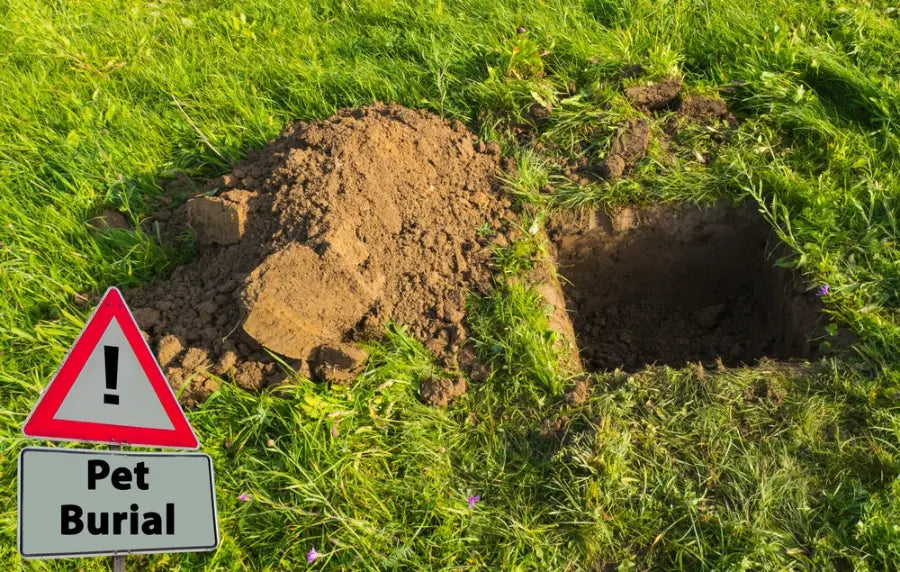
Image Source: titancasket.com
Legal and Safety Checks Before You Dig
Before you lift a single shovel, safety and law are key. Improper burial can harm the water or attract wildlife.
Investigating Local Home Pet Burial Laws
The first and most important step is checking the rules. What is legal where you live?
- Contact Local Authorities: Call your city or county health department. They handle rules about waste and burial.
- Zoning Rules: Some areas have rules about what you can bury on your property based on lot size or zoning.
- Distance Requirements: Most places require the grave to be a certain distance from property lines, wells, or water sources. This keeps groundwater safe.
- Depth Rules: Laws often state how deep the grave must be. This is usually at least three feet deep. Deeper graves prevent scavengers from digging up the remains.
If backyard dog burial is not allowed where you live, you must look at other pet afterlife options. You could look into choosing a pet cemetery or using cremation services.
Choosing the Right Location
If local laws permit backyard dog burial, pick the spot carefully. The location affects safety and future building plans.
- Avoid Utilities: Call 811 (in the US) or your local utility locator service. They mark underground lines for gas, water, and electricity. You cannot dig where lines are buried.
- Water Table: Do not bury pets in low spots where water collects. High water tables can cause the grave to flood or collapse.
- Future Plans: Think about where you might build a shed or plant a deep garden later. Pick a spot that will not be disturbed.
- Soil Type: Heavy clay soil drains poorly. Sandy soil drains fast but might erode. Good, well-draining soil is best for burial.
Preparing Your Dog for Burial
Preparing pet remains respectfully is part of saying goodbye. This step is about dignity and hygiene.
Cooling and Cleaning
Once your dog has passed, you need to keep the body cool until burial. This slows down decomposition.
- Wrap Immediately: Wrap your dog in a thick, clean towel or blanket.
- Refrigeration (Short Term): If you plan to bury the same day or the next morning, place the wrapped body in a cool, secure area like a garage or shed. If the weather is very hot, you might need to place the wrapped body in a plastic bag and put it in the freezer only if you can keep it there for a very short time (less than 24 hours) before burial.
- Clean Gently: You can gently wipe down your dog with a damp cloth if there was any mess. This is a loving final act of care.
Choosing a Container
A container helps protect the body and ensures the grave stays neat. It also helps contain remains during decay. You do not need a fancy coffin.
| Container Type | Pros | Cons | Notes |
|---|---|---|---|
| Simple Cardboard Box | Easy to find, cheap | Breaks down quickly | Ensure it is sturdy enough to carry. |
| Wooden Crate/Box | Strong, looks traditional | Can be costly to buy or build. | Must be untreated wood if possible. |
| Heavy Duty Plastic Bin | Waterproof, protects from animals | Harder to break down naturally. | Make sure it has drainage holes if sealing. |
| Natural Shroud (Blanket) | Most natural option | Offers less protection from digging animals. | Use a thick, natural fiber blanket. |
Note on Biodegradability: If you choose a synthetic material like plastic, it will last much longer than the body. Many people prefer wood or natural fiber for a more natural burial experience.
Digging the Grave: Depth and Dimensions
The depth of the grave is crucial for safety and respect. Shallow graves invite problems. Deep graves are hard work.
Determining the Required Depth
Laws usually state a minimum depth. If no law exists, aim for a safe minimum.
- General Safety Rule: The top of the container or body should be at least 3 feet below ground level. This means the hole needs to be deeper than 3 feet to account for the container size.
- Why 3 Feet? This depth helps prevent ground collapse that could reveal the grave. It also deters curious animals, which is a major part of responsible pet disposal.
Calculating Dimensions
The hole needs to be wider and longer than your dog to allow space for the container and to ensure there is enough soil around the sides.
- Width and Length: Add at least 6 to 12 inches on all sides of your dog’s measurements when choosing the container size. This extra space is important for safety and when preparing pet remains for placement.
The Digging Process
This is hard physical work, especially in hard, rocky, or root-filled soil.
- Mark the Spot: Clearly mark the corners of your planned grave.
- Remove Topsoil: Carefully remove the top layer of grass and nutrient-rich soil (topsoil). Set this aside in a separate pile. You will use this layer last to help grass grow back quickly.
- Excavate: Dig down until you reach the required depth. Keep the sides as straight as possible to make lowering the container easier.
- Soil Piles: Keep the excavated dirt in piles away from the edge of the hole. You need this soil to fill the hole back up completely.
Placing Your Dog in the Grave
This is the final moment of saying goodbye in this physical way. Take your time.
Lowering the Pet
If you are using a container, you will need help to lower it safely.
- Use Ropes: Tie strong ropes or straps around the container before lowering. This gives you control.
- Gentle Placement: Slowly lower the container or shroud into the bottom of the hole.
- Final Farewell: Once the container is settled, take a final moment. You can say a prayer, share a memory, or simply spend a moment in silence.
Filling the Grave
Proper filling prevents sinking and maintains safety.
- Initial Fill (For Protection): If you dug deeper than 3 feet, start filling the bottom with the subsoil (the dirt you removed after the topsoil). Fill until the body or container is covered by at least 18 inches of dirt.
- Adding Soil Layers: Continue filling the hole with the remaining dirt. Tamp the soil down lightly as you go, but do not compact it too tightly right over the pet.
- Using the Topsoil: Spread the reserved topsoil over the mound last. This soil has the best chance of supporting grass growth.
- Mounding: The grave should end up as a slight mound above ground level. Soil settles over time. The mound accounts for this sinking.
Aftercare and Marking the Resting Place
A burial site should be respected. Marking it helps you remember and helps others avoid disturbing it.
Marking the Site
A simple, lasting marker is helpful.
- Stone or Plaque: A flat stone or a small, engraved plaque works well. Make sure it is heavy enough not to blow away but not so large that it covers too much area.
- Planting a Tree or Shrub: Planting a perennial shrub or tree over the grave is a beautiful, living memorial. Check with your local nursery to ensure the roots will not interfere with the burial depth or spread too aggressively. Avoid planting vegetables or anything you plan to eat directly over the spot.
Ongoing Maintenance
Monitor the site for the first year.
- Settling: Expect the mound to sink a bit, especially after heavy rain. Add more soil from your reserves if the mound sinks significantly below ground level.
- Erosion Control: If the area washes out, cover it with mulch or replant grass seed.
Considering Alternatives to Backyard Burial
If home pet burial laws are too strict, or if you move often, there are other caring pet afterlife options. These are also excellent pet cremation alternatives.
Pet Cemeteries
Choosing a pet cemetery provides a dedicated, permanent resting place.
- Services Offered: These facilities often provide plot purchasing, perpetual care, grave markers, and even funeral services.
- Legality: They are fully licensed and follow all regulations regarding depth and location, offering peace of mind.
Professional Pet Cremation
Cremation is one of the most popular modern methods.
- Types: You can choose communal cremation (remains are not returned) or private cremation (remains are returned to you in an urn).
- Disposal of Ashes: Once you have the ashes, you can scatter them in a favorite spot (check local rules), inter them in a garden, or keep them in an urn.
Aquamation (Alkaline Hydrolysis)
This is a water-based process that is gaining popularity as an eco-friendlier option than flame cremation. It uses water, alkaline chemicals, and heat to break down the body, leaving only sterile bone minerals behind.
Table summarizing Pet Afterlife Options:
| Option | Pros | Cons | Best For |
|---|---|---|---|
| Backyard Burial | Keeps pet close, low initial cost | Legal restrictions, permanent location tied to property | Owners with ample, lawful private land. |
| Pet Cemetery | Permanent, professionally maintained site | Ongoing cost for plot maintenance, less personal control | Owners who move often or desire a formal monument. |
| Cremation (Flame) | Simple, remains are portable | High initial cost, concerns about environmental impact | Owners seeking portability or who cannot bury at home. |
| Aquamation | Environmentally gentler than flame cremation | Less common, may be more expensive than standard cremation | Owners seeking a greener alternative. |
Ensuring Health and Safety: Responsible Pet Disposal
When preparing dog for burial, safety is paramount. We must prevent disease transmission and wildlife scavenging. This falls under responsible pet disposal practices.
Disease Concerns
While the risk is low, especially if the dog was healthy at death, caution is needed.
- Zoonotic Diseases: Diseases that can pass from animals to humans are most risky immediately after death. Ensuring the grave is deep enough minimizes risk to people and scavengers.
- Vaccination Status: If your dog died from a highly contagious or unusual disease, talk to your veterinarian about specific disposal recommendations before considering backyard dog burial.
Preventing Wildlife Disturbance
The primary goal of deep burial and proper sealing is to prevent scavengers from finding the remains.
- Avoid Food Scents: Do not place any food, toys, or large amounts of treats in the grave. These smells attract animals.
- Secure Covering: Ensure the soil is packed well and mounded correctly. A good layer of heavy brush or stones temporarily placed on top while the soil settles can deter initial digging attempts by curious animals.
Frequently Asked Questions (FAQ) About Dog Burial
How long does it take for a dog to decompose underground?
Decomposition time varies greatly based on soil temperature, moisture, soil type, and whether the body was buried in a container. In ideal conditions (well-drained soil, 3+ feet deep), it can take several months to a year or more for soft tissues to break down completely. Larger dogs take longer.
Can I wrap my dog in plastic before burying?
It is generally discouraged to wrap your dog entirely in non-biodegradable plastic. Plastic traps moisture and slows down the natural decomposition process significantly. It also creates an artificial barrier that can become an issue later if the grave settles. Use natural materials like cotton or wool blankets if you want a wrap.
What if I have to relocate soon? Can I still bury my dog?
If you are uncertain about staying in one place long-term, home burial might not be the best choice. In this case, look into pet cremation alternatives or investigate choosing a pet cemetery that allows for removal later (though this is often costly and complex). For short-term residents, cremation that leaves you with portable ashes is usually the simplest solution.
Is it okay to bury my dog without a box?
Yes, it is acceptable in many areas, provided you meet the depth requirements. This is often called “natural burial.” If you choose this method, ensure the body is wrapped in a natural fiber like a wool blanket or cotton sheet for a respectful presentation.
What should I do if I find a pet buried too shallowly?
If you suspect an improperly buried pet remains pose a health risk (attracting wildlife or too close to water), you should contact animal control or the local health department. They can advise on the safest procedure for re-interment at the correct depth or suggest moving the remains to a licensed facility. This is a key aspect of responsible pet disposal in the community.