
A dog can typically be spayed safely about four to eight weeks after her heat cycle ends. This waiting period is crucial because it allows the uterus to return to its normal, non-engorged state, which greatly reduces surgical risks.
Deciding when to spay a female dog is a big choice for any pet owner. This surgery, known as ovariohysterectomy, stops future heat cycles and prevents unwanted pregnancies. However, the timing of this operation is very important, especially when related to the dog’s reproductive cycle. Many owners wonder about canine spaying timing, particularly when planning around a recent heat. This article will explore the reasons behind the recommended waiting period, what happens if you spay too soon, and how to work with your vet for the best results.
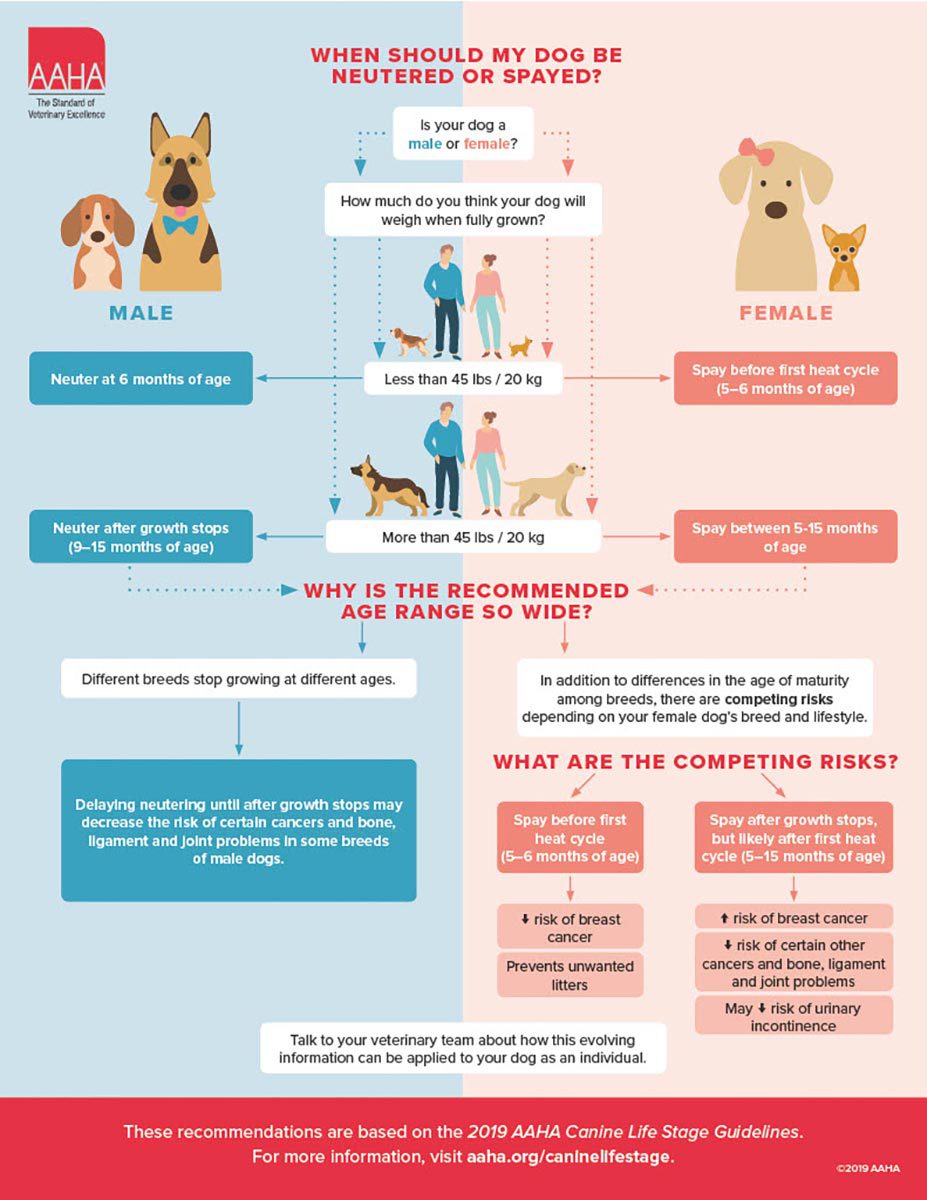
Image Source: southeastoakvillevet.ca
Why Timing Matters: Heat Cycle Basics
To grasp dog spaying after estrus, we first need to look at the female dog’s cycle. Female dogs usually go into heat (estrus) twice a year. This cycle has four main stages:
- Proestrus: This is when swelling and bloody discharge start. She attracts males but usually won’t let them mate.
- Estrus: This is the fertile period. The discharge often lightens. This is when mating occurs.
- Diestrus: This phase follows estrus, whether she mated or not. Hormones shift.
- Anestrus: This is the long resting phase before the next cycle begins.
The concern with spaying revolves around the hormonal changes during proestrus and estrus.
The Risks of Spaying During Heat
Many people ask, “Can I spay my dog while she is in heat?” The answer from most vets is a strong no, or at least, it is highly discouraged. There are specific pre-operative heat cycle guidelines that vets follow. Spaying during the active heat phases (proestrus and estrus) significantly raises the risk of complications.
Increased Bleeding Risk
Hormones surge during heat. These hormones cause the blood vessels leading to the ovaries and uterus to become much larger and engorged.
- Swollen Vessels: The blood vessels look bigger.
- More Blood Flow: More blood rushes to the reproductive organs.
When the surgeon operates, there is a much higher chance of excessive bleeding during the procedure. This can make the surgery longer and more dangerous for the dog.
Larger, Softer Tissues
During heat, the uterus itself swells. It is larger and softer than normal.
- Difficult to Handle: Large tissues are harder for the surgeon to manage safely.
- Increased Trauma: Manipulating large, soft organs can cause accidental damage or bruising.
This is why veterinarian advice on dog spaying schedule almost always includes avoiding the active heat phase.
Determining the Optimal Time for Dog Spaying Post-Heat
The goal after heat is to wait until the hormonal levels drop significantly and the reproductive organs shrink back to their normal size. This makes the surgery easier, safer, and speeds up recovery.
The Four to Eight Week Window
Most veterinary practices suggest a waiting period of four to eight weeks after the signs of heat have completely stopped.
- Four Weeks: This is often the absolute minimum time recommended by some vets, especially for smaller breeds.
- Six Weeks: This is a very common sweet spot. It gives enough time for the major hormonal shifts to settle.
- Eight Weeks: For very large breeds or dogs that had a particularly heavy or long heat cycle, waiting eight weeks provides maximum safety.
This window is considered the optimal time for dog spaying post-heat.
Why Not Spay Immediately After Bleeding Stops?
Even after the bloody discharge stops, the internal hormonal effects linger. The uterus might still be slightly enlarged for several weeks. Waiting ensures the tissues are no longer in a highly active, congested state. This directly relates to minimizing the risk of spaying during heat or the immediate aftermath.
Factors Influencing the Waiting Period
The exact length of time you wait might change based on a few things. Always follow your specific veterinarian advice on dog spaying schedule.
| Factor | Impact on Waiting Time | Rationale |
|---|---|---|
| Breed Size | Larger dogs may need closer to 8 weeks. | Larger dogs often have a longer diestrus phase. |
| Heat Intensity | A heavy or long heat may require a longer wait. | More significant hormonal buildup needs more time to resolve. |
| Dog’s Age/Health | Older or less healthy dogs may need extra time. | Ensures the body is as stable as possible pre-surgery. |
| Veterinary Preference | Some clinics have stricter protocols. | Based on their historical success rates and surgical comfort. |
The Science Behind Reproductive Cycle and Dog Spaying Timing
The hormones estrogen and progesterone drive the changes in the female reproductive system. During heat, high levels of these hormones cause the uterine lining to thicken. This thickening process is part of preparing for a potential pregnancy.
When you spay too early, you are dealing with an organ that is still influenced by these high hormone levels. Postponing the surgery allows the body to enter the anestrus phase, where the reproductive system is essentially “resting.” In this resting state, tissues are firmer and less vascular (fewer blood vessels).
Understanding Complications of Spaying a Dog in Heat
If a surgeon decides to spay during the fertile period (estrus), the risks increase. These risks include:
- Hemorrhage (Excessive Bleeding): This is the main concern.
- Longer Anesthesia Time: More difficult surgery means the dog is under anesthesia longer. Longer anesthesia carries its own small risks.
- Infection Risk: Handling more congested tissues can sometimes lead to a higher, though still small, risk of post-operative infection.
Veterinarians are highly trained, but minimizing variables like swollen tissues leads to the best surgical outcomes.
Preparing for Surgery: Post-Heat Protocol
Once your dog finishes her heat, the next step is scheduling. Do not just guess the date. You must confirm the “all clear” with your vet.
Step 1: Confirm Heat Completion
Ensure all physical signs are gone:
- No more discharge (or only clear/whitish discharge).
- Swelling of the vulva has noticeably reduced.
Step 2: Contact Your Veterinarian
Call your clinic right away. Tell them when the heat started and when the physical signs seemed to end. They will use this information to estimate the reproductive cycle and dog spaying timing.
Step 3: Pre-Surgical Exam
Your vet will likely want to see your dog for a physical check-up before setting the final date. This ensures she is healthy enough for anesthesia. They might recommend blood work to check organ function.
Step 4: Scheduling
Based on their experience, the vet will give you a date that falls within that safe 4 to 8 week window. This is the official when to schedule dog spay surgery appointment.
The Surgery Day and Post-Operative Care
Once the surgery is scheduled for the correct time post-heat, the procedure itself is usually straightforward. The safest time ensures a smoother operation.
During Surgery
With the tissues back to normal size, the surgeon can quickly locate and remove the ovaries and uterus with minimal pulling or stretching of surrounding structures. This is crucial for safety.
Recovery Time After Dog Spaying Post-Heat
A smooth surgery usually leads to a smooth recovery. Since the tissues were not excessively swollen or traumatized, the healing process often goes as expected.
- Standard Recovery: Most dogs need 10 to 14 days for external incisions to heal completely.
- Internal Healing: Internal healing takes longer, but pain management and restriction of activity are the keys for the first two weeks.
- Activity Restriction: Keep walks short and controlled. No running, jumping, or rough play for at least two weeks. This prevents strain on the internal stitches.
By respecting the waiting period, you help ensure that the recovery time after dog spaying post-heat is standard and uneventful.
Addressing Common Misconceptions
There are many old myths surrounding spaying timing. Let’s clarify a few points related to dog spaying after estrus.
Myth: Spaying immediately after bleeding stops is better because it gets it over with faster.
Fact: Speed is not the primary concern; safety is. Operating on swollen tissues is inherently riskier, even if the external discharge has stopped.
Myth: Waiting too long lets the dog get pregnant.
Fact: If you are waiting four to eight weeks after the heat cycle is clearly over, she cannot get pregnant during that waiting time because she is in diestrus or anestrus. If you are unsure when the heat ended, consult your vet immediately for a check-up to confirm her status.
Myth: Spaying during heat causes mammary cancer risk later.
Fact: The opposite is true. The longer you wait after the first heat, the slightly higher the risk of mammary cancer becomes. This is why vets encourage spaying before the first heat if possible, or shortly after the cycle resolves if you missed that window. The danger of surgery during heat relates to immediate surgical complications, not long-term cancer risk mitigation.
Comparing Spaying In Heat vs. Post-Heat
This table summarizes why waiting is the standard professional protocol:
| Feature | Spaying During Active Heat | Spaying Post-Heat (4-8 Weeks Later) |
|---|---|---|
| Uterine Size | Enlarged, engorged | Normal, shrunk |
| Blood Vessels | Dilated (wide) and fragile | Constricted (normal size) and firm |
| Surgical Time | Often longer due to difficulty isolating organs | Generally shorter and smoother |
| Bleeding Risk | Significantly increased | Standard, minimal risk |
| Overall Safety | Reduced | Optimized |
This comparison clearly illustrates why established pre-operative heat cycle guidelines prioritize waiting.
The Case for Spaying Before First Heat
While this article focuses on post-heat timing, it is worth mentioning that many modern veterinary groups recommend spaying female puppies before their first heat cycle (usually between 5 and 6 months of age).
Benefits of Pre-Heat Spaying:
- Eliminates the risk of testicular tumors (since the dog has no testicles).
- Virtually eliminates the risk of mammary cancer if done early enough.
- Avoids the scheduling complexity related to the heat cycle altogether.
However, if your dog is already an adult and has had one or more heats, adhering to the post-heat schedule is the safest path forward.
Communicating with Your Vet About Scheduling
Open dialogue is essential for safe canine spaying timing. Be honest about the heat cycle details. Vets rely on accurate history.
- When did the first spot of blood appear? This marks Day 1 of Proestrus.
- When did the discharge stop looking bloody? This helps estimate when Estrus ended.
- When did the vulva return to normal size? This is a key indicator that Diestrus has begun.
Your veterinarian will use these data points to calculate when four to eight weeks from the true end of estrus will be. They are the experts in veterinarian advice on dog spaying schedule, so trust their guidance on the final date.
Conclusion: Patience Ensures Safety
The wait after a dog’s heat cycle ends might feel long, but it is a necessary step to ensure the safest possible outcome for her spay surgery. Waiting the recommended four to eight weeks allows the body to normalize after the significant hormonal changes of estrus. By adhering to these guidelines, you reduce the risk of excessive bleeding and complications, paving the way for a quick and uncomplicated healing process. Always schedule your dog spaying after estrus based on a confirmed clearance from your trusted veterinarian.
Frequently Asked Questions (FAQ)
Q: Can my dog get pregnant right after her heat stops?
A: While the peak fertility window closes as the heat cycle ends, there is a small chance of pregnancy immediately following estrus (during the early diestrus phase) if mating occurred right at the tail end. This is another reason why waiting is best, as the reproductive system must fully shut down post-heat.
Q: What if my dog is bleeding heavily during the scheduled surgery date?
A: If you notice any signs of heat returning or heavy discharge close to the scheduled date, call your vet immediately. They will postpone the surgery. Operating when signs reappear is extremely risky due to renewed blood flow to the area.
Q: Is there a difference in recovery time if the dog is spayed slightly later than 8 weeks post-heat?
A: No, generally, the recovery time after dog spaying post-heat remains the same (10-14 days for external healing), provided the surgery was done when the tissues were non-congested. Waiting a little longer than eight weeks is usually fine, but there is no added benefit beyond making sure all hormonal influence is gone.
Q: How often do female dogs go into heat?
A: Most female dogs go into heat twice per year, though this varies significantly by breed. Some smaller breeds may cycle more frequently, while very large breeds might only cycle once a year.