
A properly fitting cone on a dog is crucial for successful recovery, preventing re-injury, and ensuring the pet’s comfort. The essential checks involve making sure the cone is long enough for the dog not to reach the wound, that it fits snugly around the neck without being too tight, and that the dog can still eat, drink, and breathe easily.
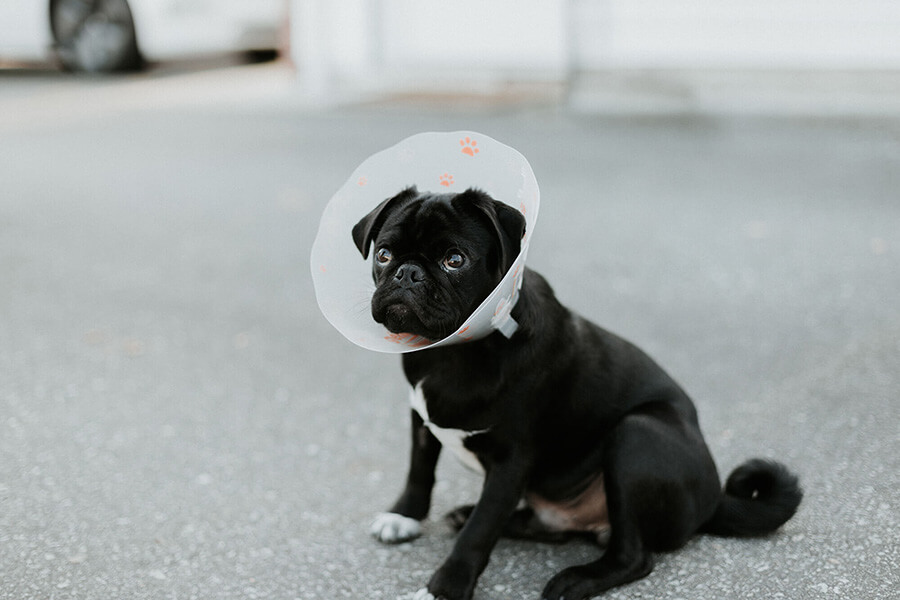
Image Source: petsinstitches.com
Why Cone Fit Matters for Pet Health
The cone, often called an Elizabethan collar (E-collar), serves a vital purpose: keeping pets from licking, chewing, or scratching surgical sites, hot spots, or wounds. If the cone doesn’t fit right, it fails at its job, leading to complications, infection, and costly vet visits. A poor fit can also cause stress and anxiety in your dog. Getting the Elizabethan collar fit right is not optional; it is a core part of post-operative care.
The Dangers of a Poor Fit
A cone that is too short or too wide lets your dog access the injured area. This can undo surgical work quickly. Conversely, a cone that is too tight around the neck can restrict breathing or cut off circulation, which is a serious emergency. Dog e-collar comfort is directly tied to the quality of the fit.
Getting Started: Measuring Dog for Recovery Cone Success
Before you buy or use any cone, you need accurate measurements. Guessing dog cone sizing leads to problems. You need two main measurements. These help you select the right size from any dog cone size chart.
Measurement 1: Neck Circumference
This is the most critical measurement for securing the cone. You need to know how wide your dog’s neck is where the collar normally sits.
- How to Measure: Use a soft tape measure. Wrap it gently around the base of your dog’s neck. Do not pull it tight. You should be able to slip two fingers comfortably between the tape and the dog’s neck.
- Relating to the Cone: This measurement determines which size opening on the adjustable dog cone or fixed cone will fit best. The cone needs to attach securely enough that the dog cannot easily slip out of it. Knowing the dog cone neck circumference is key here.
Measurement 2: Length from Neck to Nose Tip
This measurement ensures the cone actually blocks access to the body.
- How to Measure: Measure from the center of the dog’s neck (where the tape measure sat in the first step) straight out to the tip of your dog’s nose.
- Relating to the Cone: The cone’s length must be at least two inches longer than this measurement. This creates a barrier that prevents the nose from reaching the incision, even if the dog stretches.
Using the Dog Cone Size Chart
Every manufacturer has a slightly different dog cone size chart. Always check the specific chart for the cone you buy. Generally, cones are sized by the neck diameter (in inches or centimeters) and the overall length.
| Neck Size Range (Inches) | Recommended Cone Length (Inches) | Typical Breed Examples (Varies greatly) |
|---|---|---|
| 8–10 | 10–12 | Small Terriers, Chihuahuas |
| 10–12 | 12–14 | Beagles, Cocker Spaniels |
| 12–15 | 14–17 | Labs, Golden Retrievers |
| 15+ | 17+ | Great Danes, Large Shepherds |
Checking the Length: Is the Cone Long Enough?
The primary function of the cone is barrier protection. If the cone is too short, your dog will find a way around it.
The “No Reach” Test
Once the cone is on, perform this check immediately:
- Place the cone on your dog. Secure the neck area gently but firmly.
- Have a helper gently hold your dog steady, or gently restrain your dog yourself.
- Attempt to guide your dog’s head toward a body part that needs protection (like a leg incision or the belly).
- If the dog’s nose can touch the target area, the cone is too short.
If the cone is too short, you must exchange it for a longer one. Stopping dog from removing cone by length adjustment is easier than trying to secure a too-short cone better.
Considering Dog Body Structure
A long, narrow snout (like a Greyound) needs a longer cone than a short, broad snout (like a Pug) of the same neck size. If your dog has a very long body, they might need a slightly longer cone so they can still reach water bowls without straining awkwardly.
Assessing Neck Security: Preventing Slippage and Choking
The proper fit for dog head cone requires a secure, but not tight, neck attachment. This is where many owners make mistakes.
The “Two Finger Rule” for Neck Fit
The collar portion of the cone must fit snugly against the dog’s neck.
- Too Loose: If you can easily fit more than two fingers between the collar and your dog’s neck, the dog might slip out. This often happens when they try to back out of the cone after bumping into a wall.
- Too Tight: If you cannot easily slide two fingers between the collar and the neck, it is too tight. This can press on the trachea (windpipe), making breathing hard, or cause skin irritation.
Utilizing the Adjustable Features
Many modern cones, especially the adjustable dog cone types (often made of plastic or soft fabric), have multiple snaps or Velcro tabs.
- Use these tabs to achieve the perfect fit based on the neck circumference measurement.
- If you use a traditional plastic cone, you often secure it using zip ties or clips that attach to the dog’s own collar. Ensure the cone is attached to a secure collar underneath.
Preventing Cone Rubbing on Dog Nuisance
Friction from the cone edge is a major cause of discomfort. Rubbing often happens at the base of the neck or around the ears if the cone is too stiff or sits at the wrong angle.
- Check the Inner Edge: Feel the inside edge of the cone where it rests against the dog’s neck skin. It should not have sharp edges, especially on plastic models.
- Padding Consideration: For long-term wear, consider cones with soft padding lining the inner edge. This padding drastically reduces dog e-collar comfort issues caused by rubbing.
Functional Checks: Eating, Drinking, and Vision
A cone must allow your dog to perform basic life functions without extreme difficulty.
Eating and Drinking Access
This is often the biggest challenge with large, long cones.
- Water Bowls: Most dogs can manage to dip their heads to drink if the bowl is large enough and placed on the floor. If the cone hits the bottom of the bowl before the dog can reach the water, you must elevate the water bowl. Raise it to a height where the dog can comfortably lower their head without the cone hitting the rim.
- Food Bowls: Similar to water, food bowls might need elevation. For some dogs, especially those with very long cones, hand-feeding might be necessary for the first few days until they adapt.
- Cone Material Check: Soft, collapsible fabric cones sometimes sag into food or water. Hard plastic cones usually maintain their shape better for feeding.
Vision and Spatial Awareness
Dogs rely heavily on sight. A wide cone can block peripheral vision significantly, making them feel clumsy or startled.
- Peripheral Vision Check: Watch your dog walk around a room. Do they frequently bump into walls or furniture corners? If so, the cone might be too wide (too long relative to their body size).
- Navigating Stairs: Supervise your dog closely when they use stairs while wearing a cone. Their depth perception can be temporarily off. They might try to back down stairs instead of walking forward initially.
Hearing and Sound Amplification
Cones act like funnels for sound. This can make your dog jumpy or anxious because normal household noises sound much louder inside the cone. Be patient and use a calm, soft voice when addressing them.
Specialized Cone Considerations
Not all cones are the same. The best choice depends on your dog’s needs and the type of injury.
Soft vs. Hard Cones
| Feature | Hard Plastic Cone | Soft Fabric/Inflatable Cone |
|---|---|---|
| Barrier Strength | Excellent; very difficult to chew through | Variable; some dogs can bite through fabric |
| Visibility | Blocks peripheral vision significantly | Often allows more peripheral view |
| Comfort/Noise | Can be noisy (bumping) and rigid | Quieter; more flexible |
| Cleaning | Easy to wipe down | Can absorb food/dirt; harder to clean |
| Best For | Persistent chewers; injuries needing maximum protection | Dogs bothered by rigidity; short-term use |
Inflatable E-Collars (Donut Collars)
These resemble neck pillows. They are excellent for comfort and allow great visibility. However, they are only suitable for injuries on the torso or legs. They offer zero protection for head, neck, or back wounds. If your vet recommends one, ensure the fit is snug enough that the dog cannot slip their head out the gap between the donut and their neck.
Long-Term Wear and Comfort Management
Most dogs wear cones for 7 to 14 days. Managing comfort over this period requires proactive adjustments.
Addressing Escape Attempts
If you are stopping dog from removing cone, the fit is usually the first problem. If the fit is perfect but the dog is persistent:
- Secure Attachment: Ensure the cone is attached firmly to the dog’s existing collar using clips or zip ties. Do not rely only on the built-in snaps if your dog is a determined escape artist.
- Tape Down Fabric Edges: If you use a fabric cone, using medical tape (vet wrap, never human tape) to secure the fabric edge to the dog’s fur near the shoulders can help prevent them from leveraging the cone off.
Managing Skin Irritation
The constant pressure and friction can irritate sensitive skin, especially in short-haired breeds or dogs with allergies.
- Daily Checks: Every day, gently lift the cone and check the dog’s neck and chest area for redness, chafing, or hair loss.
- Lotion Use (Vet Approval Only): If irritation starts, ask your veterinarian if a thin layer of soothing ointment can be applied to the irritated skin before putting the cone back on. Never apply anything that encourages licking or ingesting.
Helping the Dog Adjust
The initial adjustment period is stressful. The cone changes how they move, eat, and perceive the world.
- Keep Environment Clear: Remove tripping hazards. Move furniture temporarily if possible.
- Positive Reinforcement: Praise your dog often, especially when they are calm while wearing the cone. Give high-value treats when they successfully eat or drink while wearing it. This builds positive associations.
Cone Fit for Puppies and Senior Dogs
Different life stages require specific attention to the cone fit.
Puppies
Puppies grow fast. A cone that fits perfectly today might be too short next week.
- Growth Factor: Monitor growth rates. You may need to buy a slightly larger cone than recommended immediately if you know the puppy is due for a growth spurt during the recovery period.
- Durability: Puppies chew everything. A very durable plastic cone is often necessary to prevent them from dismantling the E-collar.
Senior Dogs
Older dogs may have arthritis or stiffness. A rigid, heavy cone can exacerbate mobility issues.
- Weight Consideration: Opt for the lightest cone possible that still provides adequate barrier protection. Soft or inflatable options are often preferred for seniors, provided they do not compromise the surgical site protection.
- Neck Strain: Ensure the cone is not overly long, as this adds leverage and strain to the neck muscles when the dog lowers its head.
Frequently Asked Questions About Dog Cones
Can I use a human neck pillow instead of a cone?
Only if your veterinarian specifically approves it. Human neck pillows (inflatable donuts) only protect the torso and limbs. They offer no protection for wounds on the back, tail, or head. For most surgical sites, a full barrier like a traditional cone is required.
How often should I take the cone off for breaks?
You should generally only remove the cone when directed by your veterinarian, usually for bathing or when supervised closely during short periods of rest indoors. Removing it frequently increases the risk of the dog immediately damaging the healing site. If you must remove it, do so only under direct supervision.
What if my dog panics while wearing the cone?
Panic often stems from vision loss and bumping into things. First, try an adjustable dog cone that offers more peripheral vision, or switch to a softer style if appropriate for the wound. Ensure the environment is safe. If the panic is severe (excessive panting, drooling, trying to hurt itself to remove it), contact your vet immediately; they might prescribe mild anti-anxiety medication for the duration of the wear time.
How do I clean the cone properly?
For plastic cones, wipe them down daily with mild soap and water or an antiseptic wipe approved for pet use. For fabric cones, follow the manufacturer’s instructions—many can be machine washed on a gentle cycle. Keeping the cone clean prevents bacteria from transferring to healing skin.
What are alternatives to traditional cones for stopping dog from removing cone devices?
Alternatives include surgical recovery suits (onesies), specialized wound dressings, or therapeutic boots for leg injuries. However, none are universal replacements. Always check with your vet to see if these alternatives offer sufficient protection for your dog’s specific injury or stitches.