
Dog bite liability insurance cost varies widely depending on many factors, but generally, it is often included in standard homeowners or renters policies up to certain limits. If you have a dog, especially a breed deemed higher risk, you might need a separate policy or an endorsement to ensure full protection against medical bills for dog bite victims insurance claims.
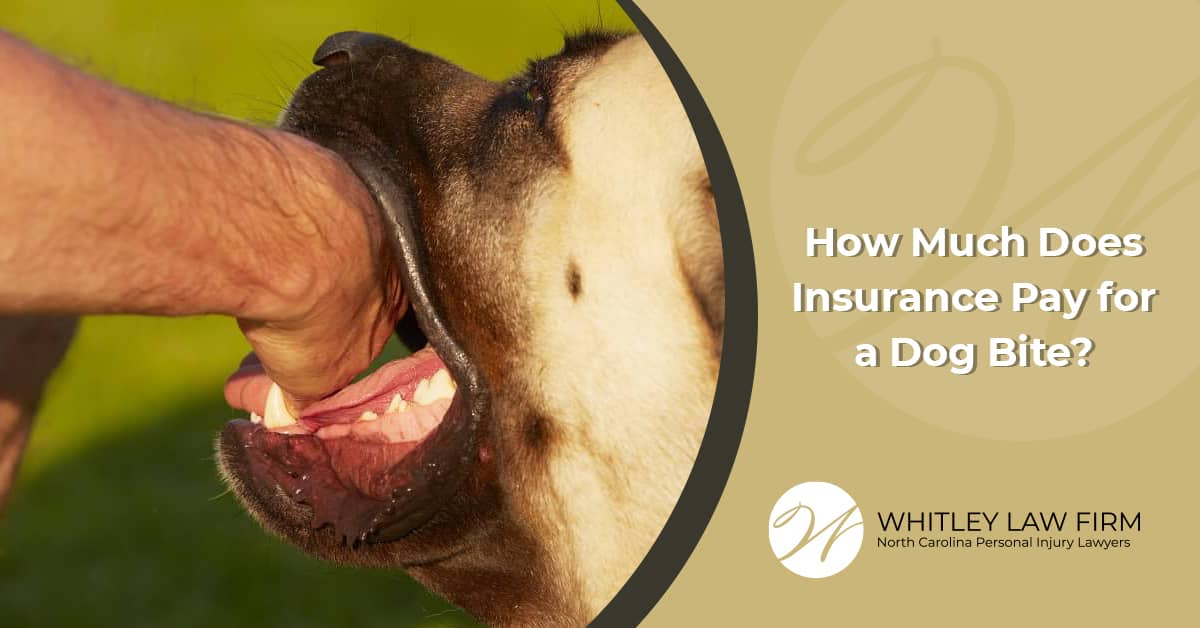
Image Source: whitleylawfirm.com
Grasping the Basics of Dog Bite Coverage
When a dog bites someone, the financial fallout can be huge. Think about hospital stays, therapy, and even lawsuits. This is where dog bite liability insurance steps in. It helps pay for these big costs if your dog injures someone.
What Is Dog Bite Liability Insurance?
This insurance is a type of coverage that protects you financially if your pet attacks another person or animal and causes harm. It pays for the injured party’s expenses. This protection is crucial because, in many places, dog owners are held responsible for their dog’s actions.
Where Do You Find This Coverage?
Most often, dog bite coverage comes bundled with your main home insurance policy. This is known as homeowner’s insurance dog bite coverage. If you rent, your policy might offer protection too, though this is less certain. We will look closely at renters insurance dog bite exclusion later on.
Determining the Dog Bite Liability Insurance Cost
The price you pay for this protection—your premium—is not a fixed number. Many things bump the price up or keep it low. Finding affordable dog bite coverage means looking closely at these factors.
Factors That Influence Premiums
Insurers look at several key things when setting your cost of dog bite insurance premiums. Think of these as risk factors they must weigh.
1. Your Home Insurance Policy Limits
The first big piece is how much liability coverage you already have on your main policy. If you have a high liability limit (say, $500,000), the base cost for dog bite coverage might be low because you already have a solid safety net. If you only have minimum coverage, you might need an extra rider, which adds cost.
2. Location Matters
Where you live impacts the price. Areas with higher costs of living or more frequent lawsuits often have higher premiums. Insurance companies charge more where settling claims costs them more money.
3. Previous Claims History
If you have filed a claim before—even for something unrelated to your dog—your rates might rise. If you previously had a dog bite claim paid out, your future canine liability insurance rates will certainly increase, or you might be dropped by your current insurer.
4. The Dog’s Breed
This is often the biggest factor influencing cost. Insurers categorize dogs based on perceived risk.
5. Number of Dogs
More dogs mean more chances for an incident. Insurers may charge a small extra fee for each additional dog you own.
Average Premium Ranges
It is hard to give one exact number, but here are some general ideas of what you might expect:
| Coverage Type | Typical Annual Cost Estimate | Notes |
|---|---|---|
| Standard Homeowners Policy (Including Dog Bite) | Often $100 – $300 extra per year (if already covered) | Depends heavily on liability limits. |
| Standalone Dog Bite Liability Policy | $300 – $1,000+ per year | Necessary if excluded from the main policy. |
| High-Risk Dog Breed Insurance Endorsement | $250 – $750 extra per year | Added to existing policy for specific breeds. |
Deciphering Homeowners and Renters Coverage
Your primary insurance policy is the first line of defense. Most standard policies include some level of protection, but you must check the fine print.
Homeowner’s Insurance Dog Bite Coverage Details
Most standard policies provide liability protection up to your policy’s general liability limit, usually starting at $100,000 or $300,000. This coverage pays the injured person’s expenses, such as emergency room visits or lost wages. Remember, this coverage does not pay for your own dog’s medical care; it only covers damage your dog causes to others.
It is vital to confirm if your policy has any specific breed exclusions. If your dog is a breed commonly banned by insurers, your general liability might still apply, but you might need a special agreement to keep it active.
The Impact of Renters Insurance Dog Bite Exclusion
Renters insurance is typically cheaper than homeowners insurance because it only covers your belongings and offers personal liability protection. However, many standard renters policies contain a renters insurance dog bite exclusion. This means if your dog bites someone, the insurance company might say, “We don’t cover that,” leaving you personally responsible for all costs.
If you rent and own a dog, you must proactively ask your agent if bites are excluded. If they are, you will need to purchase a separate policy or look for a specific rider to add to your renters insurance.
Navigating Insurance for Restricted Dog Breeds
Certain breeds are statistically associated with more severe bites or higher claim payouts. Because of this, insurers view them as much riskier. This often leads to policies that are either much more expensive or policies that outright refuse coverage. This is where insurance for restricted dog breeds becomes a major issue.
Why Are Some Breeds Restricted?
Insurers use data to assess risk. Breeds often singled out include Pit Bulls, Rottweilers, German Shepherds, Doberman Pinschers, and sometimes even Huskies or Malamutes, depending on the region and the insurer. These restrictions are rarely based on an individual dog’s temperament, but rather on breed statistics for severe incidents.
Options for Owners of Banned Breeds
If your dog falls into a restricted category, your options narrow significantly.
1. Finding Specialized Carriers
Some insurance companies specialize in high-risk coverage. They are willing to insure dogs on the banned lists, but they charge a premium for it. Searching for high-risk dog breed insurance providers is the necessary first step.
2. Liability-Only Policies
If a homeowner’s policy won’t take your dog, you might be able to secure a standalone canine liability policy. These policies focus solely on covering dog-related incidents, which can sometimes be less expensive than trying to force a standard policy to cover a restricted breed.
3. Strict Training Requirements
Some specialized insurers might offer lower canine liability insurance rates if you can prove your dog is well-behaved. Providing certificates from professional trainers, obedience classes, or Canine Good Citizen (CGC) testing can sometimes sway an insurer.
Factors That Increase Your Canine Liability Insurance Rates
Beyond breed, other personal factors can drive your insurance costs up substantially.
Past Incidents and Lawsuits
If your dog has ever bitten someone, even a minor nip that required a doctor visit, expect a significant rate hike. Multiple past claims often lead to outright denial of coverage from standard companies. They see a pattern of risk.
Home Ownership vs. Renting
Homeowners usually get better rates than renters. When you own your home, insurers often feel you have more stability and a greater investment in maintaining safety standards. Renters might face higher premiums or exclusions because landlords often push liability onto the tenant.
Business Use of the Dog
If you use your dog for work—like breeding, guarding, doggy daycare, or professional training—your personal liability policy will almost certainly exclude dog bites. You will need a commercial liability policy, which costs much more.
How to Compare Policies and Find the Best Dog Bite Liability Insurance
Choosing the right policy requires careful comparison shopping. You are looking for the best balance between high limits and reasonable premiums.
Key Comparison Points
When shopping, don’t just look at the price tag. Look at what the policy actually promises to pay.
- Coverage Limits: Aim for at least $300,000 to $500,000 in liability coverage. Dog bite claims involving severe injury can easily reach six figures, covering the medical bills for dog bite victims insurance payouts.
- Deductibles: How much do you pay before the insurance kicks in? A lower deductible means a higher premium, but you pay less out-of-pocket if a claim happens.
- Exclusions: Read the fine print carefully. Does it exclude certain breeds? Does it exclude bites that happen when you are training off-premises?
- Definition of “Bite”: Some policies only cover actual bites, while others cover any injury caused by the dog (like knocking someone down).
Shopping Strategy: Bundling vs. Separate Policies
For many dog owners, the best dog bite liability insurance is found by bundling. Talk to your current homeowners or renters agent first. See if they can add an endorsement for your specific breed or increase your existing liability limits.
If your current insurer refuses to cover your dog or offers coverage that is too low, you must shop around for specialized carriers. Use an independent insurance broker who works with many different companies. They can often find competitive canine liability insurance rates where a direct search might fail.
Investigating the Costs of Payouts: Medical Bills for Dog Bite Victims Insurance
To appreciate the need for good coverage, look at what a bite claim typically involves. The resulting costs are why liability insurance is so important.
Typical Claim Components
A single dog bite claim can involve several expensive components:
- Emergency Medical Treatment: Ambulance rides, ER visits, X-rays, and immediate wound care.
- Follow-up Medical Care: Surgeries (especially for facial or hand bites), plastic surgery, and infection treatment.
- Rehabilitation and Therapy: Physical therapy or psychological counseling for the victim.
- Lost Wages: If the victim cannot work during recovery.
- Legal Fees: If the victim sues you beyond the insurance settlement.
In serious cases, especially those involving children or permanent scarring, settlements easily exceed $100,000. Without insurance, you pay this entirely from your personal savings or assets.
The Role of Liability Limits in Claims
If you have $100,000 in liability coverage, the insurance company pays up to that amount. If the settlement is $150,000, you are personally responsible for the remaining $50,000, plus all your legal defense costs if the claim goes to trial. This highlights why higher limits contribute to better financial safety, even if they slightly raise your cost of dog bite insurance premiums.
Practical Steps for Finding Affordable Dog Bite Coverage
You do not have to overpay for protection. A few smart steps can help keep your insurance costs manageable while securing adequate coverage.
1. Improve Home Security and Dog Management
Insurers like responsible owners. Demonstrate that you actively manage the risk your dog poses.
- Secure Fencing: Ensure your yard has sturdy, high fences with latches that work well.
- Leash Laws: Always follow local leash laws when off your property.
- Control Visitors: Have clear rules for guests regarding interacting with your dog, especially strangers or children they do not know.
- Training Certification: Enroll your dog in recognized obedience programs (like the AKC Canine Good Citizen test). Presenting this proof can lower canine liability insurance rates.
2. Shop Around Annually
Your insurance needs change, and so do insurer rates. Never accept an automatic renewal without checking current market prices. Dedicate time each year to compare quotes for your full package, focusing especially on how they price dog bite liability insurance cost inclusions.
3. Raise Your Deductible (Carefully)
If you have a healthy emergency fund, raising the deductible on your homeowners policy (which usually covers the dog bite liability portion) can lower your annual premium instantly. Just make sure the new deductible is an amount you can comfortably afford to pay instantly if a claim occurs.
4. Be Honest About Your Dog’s History
Never lie to your insurer about past bites or your dog’s breed mix. If they discover misrepresentation after a claim, they can deny coverage entirely. Honesty ensures that when you buy homeowner’s insurance dog bite coverage, it is valid when you need it most.
Frequently Asked Questions (FAQ)
Does standard car insurance cover dog bites?
No. Standard auto insurance policies only cover incidents that happen while you are driving or using the vehicle. Dog bites are covered under personal liability, which is found in homeowners, renters, or specific standalone liability policies.
Can I be denied insurance solely because I own a specific dog breed?
Yes, you absolutely can. Many standard insurance carriers have strict breed restrictions. If you own a restricted breed, you may have to seek out specialized carriers that offer high-risk dog breed insurance or face much higher premiums.
If my dog bites someone on a visit to a friend’s house, am I covered?
Generally, yes, if you have standard homeowner’s insurance dog bite coverage. Most personal liability coverage extends beyond your own property lines, covering incidents that happen when you are traveling or visiting others, up to your policy limits.
What should I do immediately after my dog bites someone?
First, ensure the victim receives immediate medical attention. Next, notify your insurance agent immediately, even if you think the injury is minor. Your policy requires prompt reporting to validate the claim for medical bills for dog bite victims insurance coverage.
Is dog insurance the same as dog bite liability insurance?
No. Pet insurance (dog insurance) covers veterinary bills for your dog’s accidents or illnesses. Dog bite liability insurance covers the costs you are legally responsible for when your dog injures another person or animal. They serve completely different purposes.