
The dog teeth cleaning cost can range widely, typically falling between \$200 and \$800 for a standard procedure, but complex cases requiring extractions can push the total cost of dog dental cleaning much higher, sometimes reaching \$1,000 to \$3,000 or more.
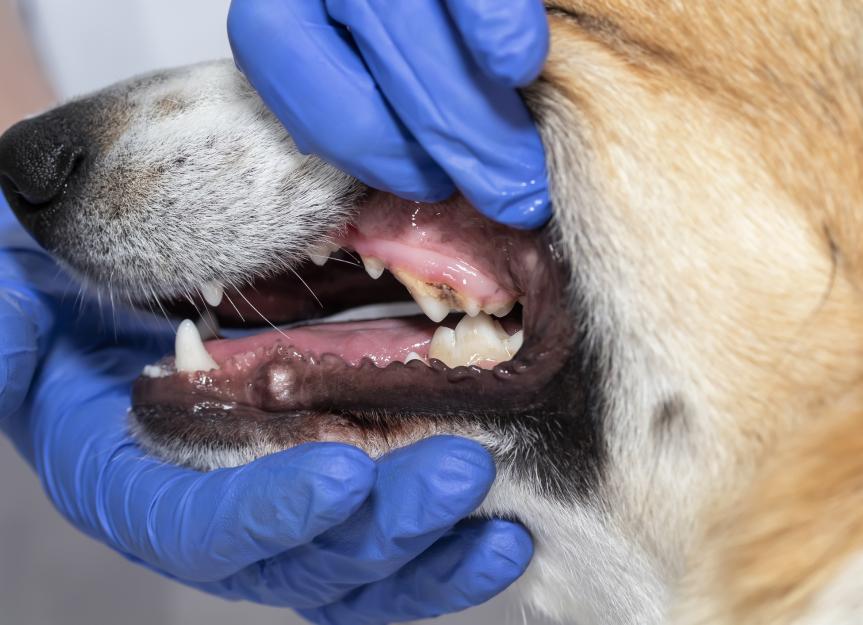
Image Source: image.petmd.com
Factors Affecting Veterinary Dental Cleaning Prices
Figuring out the exact dental cleaning for dogs price is tricky. Many things make the final bill change. Think of it like getting a car fixed. A simple oil change costs less than a major engine repair. Dental care works the same way for your dog.
Location, Location, Location
Where you live matters a lot. Big cities usually have higher prices than small towns. This is true for almost all veterinary services, including dental care. A clinic in New York City will likely charge more than one in a rural area. This difference affects the overall veterinary dental cleaning prices.
The Type of Cleaning Procedure
There are two main ways to clean a dog’s teeth. Each has a very different price tag.
Professional Dog Teeth Cleaning Cost Under Anesthesia
The gold standard for cleaning your dog’s teeth is doing it while they are asleep, or under general anesthesia. This is the safest and most thorough way to clean.
Why Anesthesia is Needed
Vets must put your dog to sleep for a proper cleaning. Dogs do not naturally sit still for tooth brushing. If a dog moves, the cleaning tool could hurt their gums or throat. Anesthesia ensures the vet can:
- Clean all surfaces, even the back teeth.
- Safely clean under the gum line where problems start.
- Take X-rays to check the tooth roots.
What is Included in the Anesthesia Cost
The dog teeth cleaning anesthesia cost is a major part of the bill. This fee covers:
- Pre-anesthetic blood work (to check if your dog is healthy enough for anesthesia).
- The drugs used to put the dog to sleep.
- Monitoring the dog while they are asleep (heart rate, breathing, temperature).
This monitoring requires skilled veterinary technicians. They watch your dog very closely. This step is vital for safety. If your dog needs more time under anesthesia because they have bad teeth, the cost goes up.
Non-Anesthetic Dog Teeth Cleaning Cost
Some pet owners look into non-anesthetic dog teeth cleaning cost as a cheaper option. This is often done at grooming salons or special mobile services, not always by a veterinarian.
Limits of Non-Anesthetic Cleaning
While cheaper, this method has big limits. The technician can only scrape the visible parts of the teeth.
- They cannot clean under the gums. This is where most serious disease hides.
- They cannot take X-rays. You cannot see if a tooth root is rotten.
- If the dog moves even a little, the procedure must stop. This can be stressful for the dog.
For this reason, most vets warn against it for dogs with any sign of dental disease. It only manages surface buildup. It does not treat true dental disease.
Pre-Cleaning Procedures and Diagnostics
Before the actual cleaning starts, the vet often needs to do tests. These add to the average cost of dog dental cleaning.
Blood Work
Before anesthesia, blood tests are often required. These check the liver and kidneys. If these organs are not working well, the dog might need different anesthesia drugs. This test is usually a few extra dollars. It’s a safety step.
Dental X-rays (Radiographs)
Dental X-rays are crucial. About 60% of dental disease is hidden below the gum line. X-rays let the vet see the roots and bone structure. If many X-rays are needed, the price rises. Good dental X-rays are key to knowing the true what is the cost of dog teeth cleaning.
Severity of Dental Disease
This is perhaps the biggest factor. A young dog with mild plaque buildup costs much less than an older dog with severe tartar and loose teeth.
Mild Gingivitis
If only soft plaque (like yellow fuzz) is present, the cleaning is fast. The bill will be on the lower end of the dog dental cleaning estimate.
Moderate to Severe Periodontal Disease
If tartar is hard and built up, the vet needs specialized tools (ultrasonic scalers) to remove it. This takes more time and skill. The cleaning time increases, raising the cost.
Extractions Needed
If X-rays show broken roots, severe infection, or loose teeth, extractions are necessary. This is surgery. Extractions require more anesthesia time, more surgical supplies, and more post-procedure care. This dramatically increases the final bill.
Breaking Down the Dog Teeth Cleaning Cost Estimate
When you receive a dog dental cleaning estimate, it usually includes several line items. Knowing these helps you see where the money goes.
| Service Component | Typical Cost Range | Notes |
|---|---|---|
| Exam Fee (Pre-Dental) | \$50 – \$100 | Sometimes waived if already done. |
| Anesthesia Induction & Monitoring | \$150 – \$350 | Varies based on dog’s weight and health. |
| Professional Cleaning (Scaling & Polishing) | \$100 – \$250 | Pure labor for cleaning above the gums. |
| Dental X-rays (Full Mouth Set) | \$150 – \$300 | Essential for accurate diagnosis. |
| Basic Medications (Antibiotics/Pain Relief) | \$30 – \$70 | Sent home for post-procedure care. |
| Estimated Total (Routine Case) | \$380 – \$1,070 | Does not include extractions. |
The Cost of Extractions
If extractions are needed, expect significant additions to the base price.
- Simple Extraction: \$75 – \$150 per tooth.
- Complex Extraction (requiring bone flap): \$150 – \$400+ per tooth.
If a dog needs four simple extractions, add \$300 to \$600 easily to the base professional dog teeth cleaning cost.
Why the Price Variation is So Wide
If you call three different vets for a dog teeth cleaning cost, you might get three very different quotes. Why?
Clinic Overhead and Equipment
High-end veterinary clinics invest heavily in modern equipment. This includes advanced dental X-ray machines (digital sensors are faster and clearer) and advanced monitoring gear. Higher rent in premium locations also means higher service costs. These costs are passed on to the consumer.
Experience and Credentials
A veterinarian who has completed advanced training or has a board certification in veterinary dentistry will often charge more. They have specialized skills for complex procedures.
Inclusion of Diagnostics
Some estimates include baseline blood work and X-rays. Others give you a bare-bones price for the cleaning only. Always ask if the dental cleaning for dogs price quoted is all-inclusive or if diagnostics are separate.
Size of the Dog
Anesthesia drugs and dental tools are dosed by weight. Cleaning the teeth of a Great Dane takes much longer and uses more medication than cleaning a Chihuahua’s teeth. Therefore, the cost scales with the size of the animal.
The True Value: Why You Should Invest in Professional Cleaning
When faced with the dog teeth cleaning cost, it’s tempting to look for the cheapest option. However, skipping or delaying professional dental care can lead to much higher costs—and severe suffering—later on.
Health Consequences of Poor Dental Care
Dental disease is not just bad breath. It affects the entire body. Bacteria from infected gums can travel through the bloodstream and damage vital organs.
- Heart Disease: Bacteria attack the heart valves.
- Kidney Damage: Toxins put stress on the kidneys.
- Liver Issues: The liver struggles to filter the toxins.
Treating these secondary illnesses is far more expensive and dangerous than routine cleaning. Good dental hygiene is preventative medicine.
Recognizing Signs Your Dog Needs a Cleaning
If you notice any of these signs, it is time to get a dog dental cleaning estimate:
- Bad Breath (Halitosis): More than just morning breath.
- Yellow or Brown Tartar: Hard deposits on the teeth.
- Red, Swollen Gums (Gingivitis): Gums pulling away from the teeth.
- Pain When Eating: Dropping food or chewing only on one side.
- Pawing at the Mouth or Face.
Strategies to Reduce the Dog Teeth Cleaning Cost
While you cannot skip essential safety steps like anesthesia, there are ways to manage the overall expense.
Regular Home Care
The single best way to lower future veterinary dental cleaning prices is consistent home care. Brushing your dog’s teeth daily with veterinary-approved toothpaste is the gold standard. If you brush well, your dog may only need a cleaning every two or three years instead of annually.
Asking About Payment Plans
Some clinics offer payment plans or accept third-party financing options like CareCredit. This helps manage the immediate expense of a large bill.
Comparing Veterinary Estimates
It is okay to shop around. Call a few local, reputable vets. Ask them exactly what is included in their dog teeth cleaning cost. Make sure you compare apples to apples (i.e., clinic A that includes X-rays versus clinic B that does not).
Wellness Plans
Many veterinary offices offer annual wellness packages. Sometimes, these plans include a small discount on dental cleanings or bundle the cost with routine vaccines and check-ups, effectively lowering the net cost of dog dental cleaning over time.
Dental Diets and Chews
Certain veterinary-approved dental diets and chews are proven to help mechanically scrub the teeth or chemically reduce tartar formation. Ask your vet which products they recommend to prolong the time between procedures.
Fathoming the Non-Anesthetic Debate Further
The debate over non-anesthetic dog teeth cleaning cost versus anesthesia-based cleaning comes down to safety versus perceived savings.
If your dog is very old, has severe heart disease, or has aggressive tendencies that make anesthesia impossible, non-anesthetic cleaning might be the only option for plaque removal. However, the owner must accept the risks:
- Incomplete Cleaning: Disease remains hidden below the gum line.
- Stress: The dog can become highly stressed or fearful of future grooming.
- No X-rays: Untreatable disease continues to progress silently.
If your dog is healthy enough for a cleaning, anesthesia is always the safer, more effective route to manage true dental disease. The higher upfront professional dog teeth cleaning cost prevents expensive surgery later.
Estimating Future Needs Based on Age
When considering the what is the cost of dog teeth cleaning, think long-term.
| Dog’s Age | Likely Dental Status | Expected Cleaning Frequency | Cost Implication |
|---|---|---|---|
| Puppy (under 1 year) | Clean, maybe puppy teeth falling out. | None needed yet. | Low initial cost. |
| Young Adult (1–3 years) | Mild plaque buildup starting. | Every 2–3 years. | Lower routine dog teeth cleaning cost. |
| Middle Age (4–7 years) | Tartar developing, early gingivitis. | Every 1–2 years. | Moderate, predictable costs. |
| Senior (8+ years) | Heavy tartar, risk of loose teeth. | Yearly cleaning likely required. | Higher lifetime costs due to potential extractions. |
As dogs age, the frequency and complexity of their dental care rise. A detailed dog dental cleaning estimate for a senior dog will almost always be higher than for a young adult.
Deciphering the Invoice After the Procedure
Once the procedure is done, you get a final bill. Compare this to the initial dog dental cleaning estimate. Look closely at the line items.
- Did the vet perform the number of X-rays discussed?
- Were the extractions (if any) billed separately and clearly?
- Were the antibiotics or pain medications listed?
If there’s a significant jump from the estimate to the final bill, ask politely for an explanation. Usually, this jump is caused by discovering unexpected deep pockets or needing to extract a tooth found during the cleaning under anesthesia. This discovery process is exactly why anesthesia is recommended; it allows the vet to fully treat what they find.
Conclusion on Dog Teeth Cleaning Cost
The dog teeth cleaning cost is an investment in your dog’s overall health. While the sticker price for a professional dog teeth cleaning cost can seem high—often ranging from \$400 to over \$1,000 for a thorough job including anesthesia and X-rays—it prevents far more painful and expensive medical emergencies down the road. Always prioritize safety (anesthesia) and thoroughness (X-rays) when seeking a dental cleaning for dogs price. Consistent home care remains your best tool to keep those veterinary dental cleaning prices as low as possible over your dog’s lifetime.
Frequently Asked Questions (FAQ)
How often should my dog get a professional teeth cleaning?
Most adult dogs need a professional cleaning once a year. If your dog is prone to heavy tartar or has underlying issues, your vet might recommend cleanings every six months.
Is the dog teeth cleaning anesthesia cost worth it?
Yes, for thorough cleaning, it is generally worth it. Anesthesia ensures the vet can safely clean under the gums and take necessary X-rays, which are vital for finding hidden disease.
What happens if I never clean my dog’s teeth?
If you skip dental care, plaque hardens into tartar. This causes painful gum infection (periodontitis), leading to tooth loss, abscesses, and bacteria entering the bloodstream to damage the heart, liver, and kidneys.
Can I use human toothpaste for my dog’s teeth?
No. Human toothpaste often contains Xylitol or fluoride, which are toxic to dogs if swallowed. Always use toothpaste made specifically for pets.
What is the cheapest way to get a dog dental cleaning?
The cheapest option is usually non-anesthetic cleaning, but this is rarely thorough. The best way to lower your long-term cost is daily home brushing, which reduces how often you need the more expensive professional cleaning.