
The simple answer to how many times a day you should walk your dog is generally three times a day. However, this number changes based on your dog’s age, breed, health, and energy level. Finding the right dog walking frequency is key to a happy, healthy pet. We will explore what makes a good dog exercise routine for every dog.
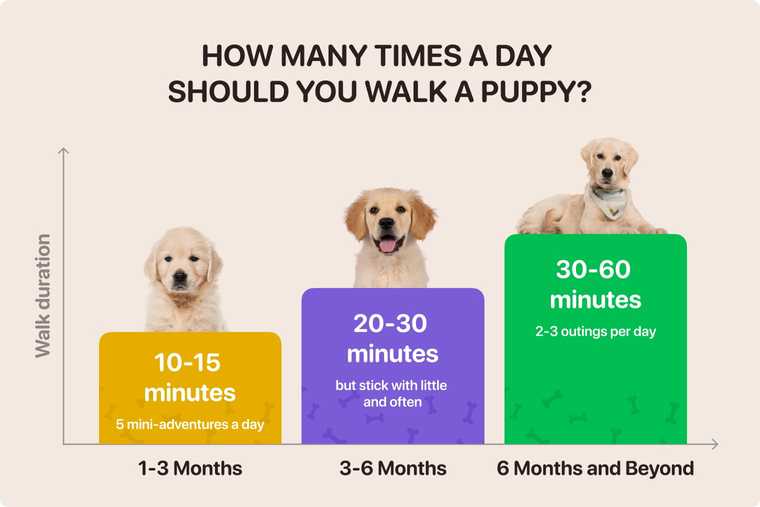
Image Source: www.woofz.com
Why Dog Walks Matter So Much
Walking your dog is more than just letting them potty. It is vital for their physical health and mental well-being. A good walk gives your dog needed exercise, fresh air, and new sights and smells. This sensory input keeps their minds sharp. A lack of walks often leads to bad behavior at home.
Physical Health Benefits of Regular Walks
Regular walks help keep your dog’s body strong. They manage weight and keep joints moving well.
- Maintains a healthy weight, which lowers risks of heart disease and diabetes.
- Strengthens muscles and bones.
- Improves circulation and heart health.
Mental Well-Being from Daily Outings
Dogs use their noses to learn about the world. Walks offer mental stimulation that playing inside cannot match.
- Reduces stress and anxiety.
- Provides enrichment through new environments.
- Tires them out mentally, leading to calmer behavior indoors.
Factors That Shape Your Dog’s Walking Needs
There is no one-size-fits-all answer for determining dog walking needs. What works for a tiny Chihuahua will not work for a border collie. You must look closely at your specific dog.
Age is a Major Factor
A puppy needs short, frequent potty breaks, while an older dog needs gentler exercise.
How Often to Walk a Puppy
Puppies have small bladders and huge energy bursts followed by long naps. They cannot hold it for long.
- Frequency: Puppies generally need to go out every 1 to 2 hours when awake.
- Duration: Keep initial walks very short—maybe 5 to 10 minutes. The goal is safe socialization and potty practice, not endurance training.
- Focus: Focus on positive potty training experiences. Do not push them too far, as their bones and joints are still growing. Over-exercising a growing puppy can cause long-term harm.
Dog Walking for Senior Dogs
Older dogs often have less stamina and may have joint pain, like arthritis.
- Frequency: They might still need three or more short trips outside for bathroom breaks.
- Duration: Walks should be shorter, perhaps 10 to 15 minutes. Slow the pace down.
- Focus: Gentle movement is best. Short, frequent walks prevent stiffness better than one long, tiring walk. Watch for panting or lagging behind.
Breed and Energy Levels Impact Walk Time
High-energy breeds need much more exercise than low-energy breeds.
| Breed Type | Examples | Recommended Daily Walk Time |
|---|---|---|
| High Energy Working | Border Collie, Husky, Shepherd | 60–120+ minutes (split sessions) |
| Medium Energy | Beagle, Spaniel, Terrier | 45–60 minutes (split sessions) |
| Low Energy Companion | Bulldog, Pug, Shih Tzu | 20–30 minutes (short bursts) |
High-drive dogs, like herding breeds, need walks that challenge them both physically and mentally. A simple stroll around the block might not be enough for them.
Health Conditions
Dogs with heart issues, severe arthritis, or recent surgery need veterinary guidance on exercise. Always check with your vet before changing a routine.
Structuring the Ideal Dog Walk Schedule
The best dog walking schedule usually involves breaking the total required exercise into several shorter sessions throughout the day. This mimics how dogs evolved—short bursts of activity followed by rest.
The Three-Walk Minimum
For most healthy adult dogs, three walks per day is the standard goal:
- Morning Walk (The Long One): This should be the longest walk, usually 20 to 45 minutes. It is meant to burn off overnight energy and serve as the main potty break.
- Midday/Afternoon Walk (The Break): A shorter walk, maybe 15 to 20 minutes. This is great for a quick energy release and a necessary potty break if you work outside the home.
- Evening Walk (The Wind-Down): A medium-length walk, 20 to 30 minutes. This walk helps your dog relieve themselves before bed and settle down for the night.
The Importance of Ideal Dog Walk Duration
Duration matters, but quality often beats quantity. A highly engaging 20-minute walk is better than a boring 60-minute plod.
- Focus on Engagement: If your dog is sniffing deeply and processing information, they are getting mental exercise. If they are just trotting beside you without interest, the walk is less effective.
- Adjust for Weather: In extreme heat or cold, reduce the duration significantly to protect your dog’s paws and body temperature.
When to Walk: Timing Matters
Try to keep a consistent schedule. Dogs thrive on routine.
- Walk shortly after they wake up.
- Walk before mealtimes (this helps digestion and prevents gulping food).
- Walk before bedtime.
Signs Dog Needs More Walks
How do you know if your current routine is not enough? Look for behavioral clues. These are clear signs dog needs more walks.
Increased Destructive Behavior
If your dog chews furniture, digs holes in the yard, or destroys toys when you are gone, they likely have pent-up energy. Exercise is often the first line of defense against destruction.
Excessive Barking or Whining
Boredom often manifests as noise. A walk provides an outlet for that excess physical and mental energy.
Restlessness Indoors
Pacing, inability to settle down on their bed, or constantly asking for attention are classic signs of under-stimulation. They are trying to tell you they need an adventure!
Poor Recall or Focus on Walks
If your dog pulls hard on the leash or seems easily distracted during walks, they might be overly excited because walks are rare treats. If walks are frequent and fulfilling, they are more likely to walk calmly.
Housetraining Accidents
If a house-trained dog starts having accidents inside, it could mean they are not getting outside often enough to empty their bladder fully.
Recognizing Signs Dog Is Bored From Walking
It is possible to walk your dog too much in a way that becomes boring, or to walk them enough but in a way that offers no mental challenge. Look for these signs dog is bored from walking:
- Tugging only to get home faster: They are not sniffing or exploring; they just want the walk to be over so they can rest or move on to the next activity.
- Lack of Interest in Smells: If your dog ignores interesting smells on your usual route, the route has become too predictable.
- Walking Too Fast: A dog trotting ahead with a stiff posture might be anxious or simply trying to rush through the mandatory task.
To combat this, vary the route, speed, and sniff time.
Maximizing Dog Walk Effectiveness
A walk should be productive for both the body and the mind. Here is how to focus on maximizing dog walk effectiveness.
Incorporate Training Moments
Use walks as moving classrooms. Practice simple commands like “Sit,” “Stay,” and “Heel” at different distraction levels. This keeps the dog focused on you.
- Practice “Leave It” when you pass interesting trash or other dogs.
- Reward Calm Leash Walking: Use high-value treats to reward your dog for walking without pulling.
Sniffaris: The Power of Scent Work
Let your dog lead the sniffing for a few minutes. Sniffing is mentally tiring. Letting them explore smells intensely for 5 to 10 minutes can be as tiring as 20 minutes of brisk walking. This is crucial for mental enrichment.
Vary the Terrain and Pace
Mix up your routine. If you always walk on flat pavement, try a grassy park or a slightly inclined trail. Change your pace often—fast walk, slow walk, stop and sniff. This engages different muscles and keeps the dog mentally engaged.
Special Considerations for Different Dog Groups
Adjusting the routine for life stages or health needs is essential for responsible dog ownership.
Walking for Different Energy Levels
Dogs require different types of input based on their breed history. A working breed needs a “job” on their walk, not just a stroll.
- High Drive Dogs: Incorporate brief periods of jogging or fetch during the walk if appropriate for their age and health.
- Low Drive Dogs: Keep the pace slow and allow plenty of time for short stops. Do not force them to keep up if they slow down naturally.
Dog Walking for Senior Dogs Revisited
Senior dogs need low-impact exercise. The goal shifts from burning energy to maintaining mobility and comfort.
- Check Paws: Older dogs might struggle with rough terrain or hot pavement. Ensure their paws are protected.
- Monitor Breathing: Watch closely for heavy panting, which can signal overheating or underlying heart issues, even on cool days.
Dealing with Reactivity
If your dog barks or lunges at other dogs or people (reactivity), walks can become stressful.
- Increase Distance: Keep a greater distance from triggers than your dog needs to react.
- Focus on You: Reward your dog heavily just for looking at you instead of the trigger.
- Frequency over Duration: If walks are stressful, do more short, successful walks in low-distraction areas rather than one long, difficult walk.
Creating a Sustainable Daily Plan
Consistency wins over intensity when it comes to dog walking frequency. A sustainable plan fits your lifestyle while meeting your dog’s needs.
Step 1: Assess Your Dog’s Baseline Needs
Use the charts above as a starting point. How much walking does your dog likely need based on breed and age? Write this down.
Step 2: Map Out Your Day
Look at your schedule. When do you have natural breaks?
- Before work?
- During lunch?
- After dinner?
Slot in the required number of walks. Remember, a “walk” doesn’t always mean a 30-minute leash hike; a quick backyard play session might count toward the mental stimulation goal.
Step 3: Be Flexible
Life happens. If you are stuck working late, substitute the missed walk with an intense 15-minute indoor play session (like hide-and-seek with treats) and ensure the next available time slot is longer.
Table: Example Weekly Schedule Adaptation
| Time Slot | Standard Goal (Adult Dog) | Adaptation for Busy Day | Adaptation for Sick Dog |
|---|---|---|---|
| Morning | 30 min brisk walk | 15 min sniff walk + 10 min training | 10 min slow potty break |
| Midday | 20 min potty break/stretch | Skip (use backyard potty break) | 10 min very slow stroll |
| Evening | 40 min stimulating walk | 30 min focused training session inside | 15 min short, calm walk |
Preventing Over-Walking and Burnout
While under-exercising is common, it is possible to walk a dog too much, especially puppies or older dogs.
Watch for Physical Signs of Fatigue
Stop immediately if you notice:
- Excessive lagging or lying down mid-walk.
- Panting that does not slow down even when resting in the shade.
- Sore paws or limping afterward.
If these occur, the ideal dog walk duration for that day was too long, and you need to shorten the next outing.
Mental Fatigue
If your dog seems disinterested, shuts down, or refuses to walk further, they are mentally done. Pushing them further serves no benefit and can create a negative association with walks. A dog that seems “stubborn” on a walk is often just tired or over-stimulated.
FAQs About Dog Walking Frequency
What is the minimum number of times a day should I walk my dog?
Most veterinarians and trainers agree that the minimum is two times per day for bathroom needs and basic movement, but three times is optimal for behavior and health.
Can I substitute indoor play for a full walk?
Yes, for short periods or in bad weather, you can substitute a portion of the walk with intense indoor play. Tug-of-war, puzzle toys, or short bursts of fetch can address mental needs, but they do not replace the outdoor sensory experience entirely.
How long should a walk be for a 6-month-old puppy?
As a general rule, take the puppy’s age in months and multiply by five. For a 6-month-old, that means a maximum of about 30 minutes per continuous session, broken up into several outings throughout the day. Always prioritize potty breaks.
Is it okay if my dog pulls a lot on the walk?
If your dog is constantly pulling, you are not maximizing dog walk effectiveness because the dog is focused on pulling, not the environment or you. Leash training is needed. Until then, pulling means the walk is not mentally satisfying, and they are dragging you to the next smell, not enjoying the journey.
How do I manage walks in extreme heat?
Reduce walk duration significantly (often to just 5–10 minutes for potty breaks). Walk only in the very early morning or late evening. Always check asphalt temperature with the back of your hand—if it’s too hot for you, it’s too hot for their paws.