
Dog vaccines are generally good for one to three years, but this depends entirely on the specific vaccine, your dog’s age, health, and local laws. Some core vaccines, like rabies, may have set durations based on state rules, while others, like the DAPP vaccine interval, are often spaced further apart after the initial series.
Knowing how long your dog’s shots are good for is key to keeping them healthy. Vaccines protect your pet from very serious, sometimes deadly, diseases. But giving too many shots can sometimes cause issues. We need to find the right balance. This guide helps you figure out the dog vaccine duration for all the important shots your dog needs. We will look closely at canine vaccine efficacy and what the science says about when boosters are truly needed.
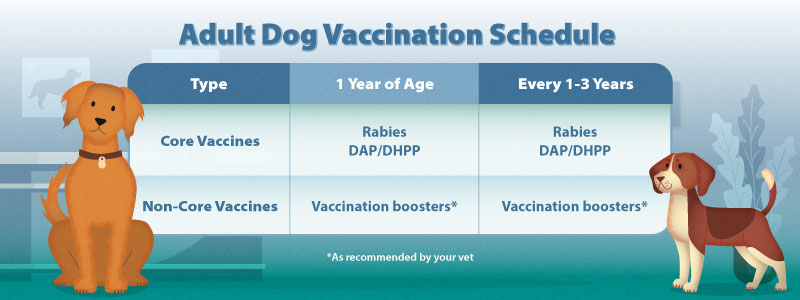
Image Source: www.carecredit.com
Deciphering Vaccine Schedules: Core vs. Non-Core
Veterinarians group dog vaccines into two main groups. This helps decide how often to vaccinate a dog.
Core Vaccines: The Must-Haves
Core vaccines protect against diseases found almost everywhere. These diseases are highly contagious or deadly. Every dog should get these shots, no matter where they live or their lifestyle.
- Rabies: Required by law in most places.
- DHPP (or DAPP): Protects against Distemper, Hepatitis (Adenovirus), Parvovirus, and Parainfluenza.
Non-Core Vaccines: Based on Risk
Non-core vaccines are given based on your dog’s specific risk of exposure. If your dog goes to daycare, kennels, or spends time in wooded areas, these are important.
- Leptospirosis: Protects against bacteria spread by wildlife urine.
- Bordetella: Protects against “kennel cough.”
- Lyme Disease: For dogs in tick-heavy regions.
- Canine Influenza (Dog Flu).
The Duration of Immunity Dog Vaccines
The main question is how long the protection lasts after the shot. This protection time is called the duration of immunity (DOI). Science has studied this a lot.
Rabies Shot Expiration and Laws
Rabies is serious for both dogs and people. This is why rules are strict.
- Initial Puppy Shot: Often given around 16 weeks old.
- First Booster: Usually given one year after the initial shot.
- Subsequent Boosters: After the first booster, the rabies shot expiration often follows state law. In many places, rabies vaccines are good for three years. Some states still require a one-year rabies tag. Always check your local city or county rules. If you travel, this is crucial.
DHPP/DAPP Vaccine Interval: Long-Lasting Protection
The DHPP shot is vital. The schedule has changed a lot over the years. Older advice often said to boost this shot every year. Science now shows that the immunity lasts much longer for most healthy dogs.
- Puppy Series: Puppies need several shots close together because their mother’s antibodies block the vaccine at first.
- First Adult Booster: Given one year after the puppy series ends.
- Beyond the First Year: Many studies show that the protection from Distemper and Parvovirus lasts seven years or more after that first adult booster. Because of this strong canine vaccine efficacy, many vets now suggest boosting DHPP every three years.
Table 1: Typical DHPP/DAPP Schedule
| Stage | Vaccine Type | Typical Timing | Recommended Re-vaccination Interval |
|---|---|---|---|
| Puppy | DHPP (Initial Series) | Starting at 6-8 weeks, given every 3-4 weeks | N/A (Until 1 year old) |
| Adolescent | DHPP (Final Puppy Shot) | 1 year old | N/A |
| Adult 1 | DHPP (First Booster) | 1 year after the last puppy shot | 3 years |
| Adult 2+ | DHPP | Every 3 years thereafter | 3 years |
Examining Non-Core Vaccine Longevity
Non-core vaccines often need boosting more often because the diseases they fight are either highly localized or because the vaccine technology itself doesn’t create as long of an immune response.
Leptospirosis Vaccine Longevity
Leptospirosis is a growing concern, especially in areas with wildlife like raccoons or standing water.
- What it protects against: This vaccine targets several strains of the Leptospira bacteria.
- Duration: The leptospirosis vaccine longevity is generally shorter than core vaccines. Most manufacturers recommend an annual booster. Even if your dog had the initial series, protection drops significantly after 12 months. This is why annual boosters are standard practice for Lepto.
Bordetella Vaccine Effectiveness
Bordetella vaccine effectiveness is crucial for dogs who interact with other dogs. This shot protects against the primary bacteria causing kennel cough.
- Types: There are injectable, intranasal (nose spray), and oral forms.
- Duration: Most versions provide protection for one year. If your dog frequently visits groomers, boarding facilities, or dog parks, annual boosting is necessary to meet facility requirements and provide good protection.
Vaccine Titers: Measuring Protection
Some pet owners ask about “titer testing.” This blood test checks the level of antibodies your dog has against certain diseases like Parvovirus or Distemper.
- How it works: A high titer level suggests your dog has good protection.
- Usefulness: Titers can sometimes allow a veterinarian to skip a booster shot for DHPP. However, titers are less reliable for assessing protection against diseases like Leptospirosis or Bordetella. They are not typically used for Rabies checks due to legal requirements.
Grasping the Factors Influencing Canine Vaccine Efficacy
Why do some dogs seem to need boosters more often than others? Several things affect canine vaccine efficacy and the actual dog vaccine duration.
Age and Immune System Health
A puppy’s immune system is still developing. An adult dog with a strong immune system handles vaccines well. Older dogs or dogs with chronic illnesses might need a different canine vaccination schedule frequency. Always discuss your senior dog’s needs with your vet.
Vaccine Quality and Storage
Vaccines are living or modified biological products. They must be stored correctly, usually refrigerated. If a vaccine gets too hot or freezes, it stops working. Reputable veterinarians follow strict storage guidelines.
Maternal Antibodies
If a puppy receives a vaccine too early while still carrying protective antibodies from its mother’s milk, the vaccine might not work well. This is why the puppy series is staggered. If the puppy series was done poorly, the protection might be weaker later on, regardless of the standard DAPP vaccine interval.
Breed Susceptibilities
While less common, some breeds might have specific immune responses. For instance, some high-risk breeds for certain genetic issues might require a more careful approach to vaccination timing.
Fathoming the Risks of Over-Vaccination
While vaccination is important, giving shots unnecessarily is a risk. Every vaccine carries a small chance of side effects.
Common Side Effects
Most side effects are mild and go away quickly:
- Soreness or mild swelling where the shot was given.
- Lethargy (tiredness) for 24 hours.
- A small, temporary lump at the injection site.
Rare, Serious Reactions
Severe reactions are very rare but serious:
- Facial swelling or hives (allergic reaction).
- Severe vomiting or diarrhea.
- Immune-mediated problems (very rare).
If you notice severe signs after any shot, contact your vet immediately. This is why detailed records are essential so your vet knows exactly what your dog has already received.
Establishing the Right Canine Vaccination Schedule Frequency
The modern trend in veterinary medicine is shifting toward “less is more” for core vaccines, based on DOI studies.
Following Veterinary Guidelines
Major veterinary groups set standards for how often to vaccinate a dog.
- AAHA (American Animal Hospital Association): They strongly support three-year intervals for DHPP after the initial one-year booster, based on strong DOI evidence. They emphasize risk assessment for non-core vaccines.
- AVMA (American Veterinary Medical Association): They agree that vaccine intervals should be tailored to the dog’s risk factors and the proven DOI of the specific vaccine.
The “Three-Year Protocol” Explained
For healthy adult dogs whose puppy series is complete and who had their first annual booster:
- Year 1 (After Puppy Series): Boost DHPP, Rabies (if applicable).
- Year 2: Check-up only, perhaps boosters for Lepto/Bordetella if needed.
- Year 3: Boost DHPP, Rabies (if applicable).
- Year 4: Check-up only, perhaps boosters for Lepto/Bordetella if needed.
This pattern maximizes protection while minimizing unnecessary boosters for core vaccines.
Why Annual Vet Visits Are Still Essential
Even if your dog does not need every vaccine every year, they still need an annual wellness exam. These visits are vital for:
- Physical Check: The vet checks teeth, heart, lungs, skin, and weight.
- Parasite Control: Ensuring flea, tick, and heartworm preventatives are up-to-date.
- Discussion: Reviewing lifestyle changes that might require different vaccines (e.g., starting dog sports or moving to a new area).
- Disease Monitoring: Catching diseases early when treatment is most effective.
Specifics on Less Common Vaccines
Some vaccines need special attention regarding their dog vaccine duration.
Canine Influenza (Dog Flu)
- Need: Essential for dogs exposed to large groups (shows, daycares).
- Duration: Protection usually lasts one year. Annual boosting is the standard.
Lyme Disease Vaccine
- Need: Only necessary if you live in or travel to areas with high tick populations (e.g., Northeast U.S., Upper Midwest).
- Duration: Typically requires an initial series followed by annual boosters.
Interpreting Your Dog’s Vaccination Records
Keeping accurate records is the owner’s job. When you adopt a new dog or change vets, you need to know what they had and when.
What to Look For on the Record
Your dog’s vaccination certificate should clearly state:
- Vaccine Name: (e.g., Rabies, DAPP).
- Date Given: The exact date the shot was administered.
- Manufacturer/Lot Number: Helpful if a specific batch has an issue.
- Expiration Date: Often listed as “Boost Next Year” or “Boost in 3 Years.”
If the record only says “DHPP given at 1 year old,” that first adult booster is the key marker for calculating the three-year interval going forward. If the record is missing, your vet might recommend a titer test or simply repeating the puppy series depending on the dog’s history and age.
Summary of Common Dog Vaccine Duration
This chart offers a quick look at the general rules. Always confirm with your veterinarian.
| Vaccine | Initial Series/First Booster Needed? | Typical Adult Re-vaccination Interval | Key Consideration |
|---|---|---|---|
| Rabies | Yes | 1 or 3 Years (Based on local law) | Legal requirement is paramount. |
| DHPP (Core) | Yes | 3 Years (After the first annual booster) | High, proven duration of immunity. |
| Leptospirosis | Yes | Annually (1 Year) | Shorter DOI; bacteria strains change. |
| Bordetella | Yes (often needed annually for exposure) | 1 Year | Depends on social exposure level. |
| Canine Influenza | Yes | Annually (1 Year) | Depends on exposure risk. |
| Lyme Disease | Yes | Annually (1 Year) | Location-dependent necessity. |
Frequently Asked Questions (FAQ)
What happens if my dog misses a booster shot?
If your dog misses a booster by a few weeks or even a few months, do not panic. Most vets will simply administer the vaccine as soon as possible. If the gap is very long (e.g., several years past the due date for a core vaccine), the veterinarian might treat your dog as if they are unvaccinated and restart the initial series or perform a titer test first. The important thing is to get back on schedule quickly.
Can I vaccinate my dog against Parvo and Distemper separately from the DAPP combo?
Generally, no. The DAPP vaccine combines these protections because the efficacy studies support giving them together as a core block. Separating them is uncommon and usually not recommended unless a dog has a documented, severe adverse reaction to one specific component of the combination shot.
Does heartworm preventative count as a vaccine?
No, heartworm preventatives (like monthly chewables or yearly injections) are not vaccines. Vaccines teach the body’s immune system to fight a disease. Heartworm preventatives kill the parasites directly before they can mature and cause serious heart and lung damage. They work differently and must be given consistently, usually year-round.
Are titer tests always reliable for skipping vaccines?
Titer tests are very useful tools for assessing immunity to Parvovirus and Distemper, often allowing owners to follow the three-year DHPP interval safely. However, they are not always accurate for protecting against every core disease, and they are generally not recommended for assessing protection against non-core vaccines like Lepto or Bordetella. Always let your vet guide this decision.