
Can I keep a dog from jumping a fence? Yes, you absolutely can keep a dog from jumping a fence by using a mix of physical barriers, environmental management, and consistent behavior training. Dealing with a determined escape artist requires a multi-faceted approach. Many dog owners struggle with this issue, especially when their pets are bored, anxious, or see something exciting on the other side. We will explore proven ways to address this common problem, focusing on effective dog fence jumping prevention methods.
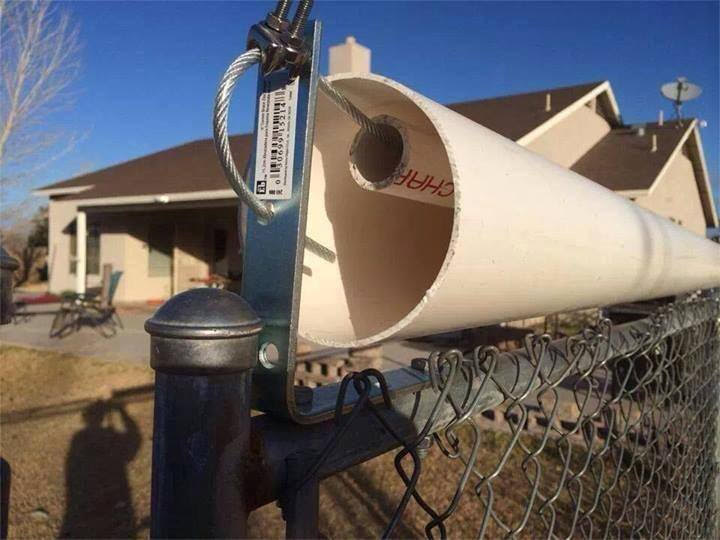
Image Source: ccspca.com
Why Dogs Attempt to Clear Fences
Before fixing the problem, we need to know why dogs jump. A dog’s motivation usually falls into a few key areas. Knowing the “why” helps you choose the best solution to stop dog jumping fence behavior.
Common Motivations for Escaping
- Boredom and Lack of Exercise: An under-stimulated dog will find its own fun. If the yard is boring, the world outside looks better.
- Prey Drive or Sight: Seeing a squirrel, cat, or another dog can trigger an intense chase instinct.
- Seeking Social Contact: A lonely dog might jump to find its owner or greet a passerby.
- Territorial Behavior: Guarding the yard against perceived threats might cause some dogs to jump toward them.
- Separation Anxiety: Fearful dogs may jump trying to get back to where they feel safe, often inside the house or near their owner.
Physical Solutions: Dog Proofing Fences
The first line of defense involves making your current fence harder, if not impossible, to clear. This is about reinforcing dog fences structurally.
Assessing Your Current Fence Height
What is the best fence height for dogs? This depends greatly on the breed, size, and athleticism of your dog.
- For smaller dogs, 4 feet might be enough.
- For medium breeds, 5 feet is often a minimum.
- For large, athletic jumpers (like Greyhounds, Collies, or Huskies), 6 feet or more is often required.
If your dog can clear your current barrier, the immediate solution involves increasing the height. Consider using high fences for dogs or adding secure top extensions.
Options for Increasing Fence Height
You can add height without tearing down the whole fence.
- Lattice or Solid Extensions: Attaching sturdy wood or vinyl lattice panels to the top of an existing fence adds several feet. Ensure the extension is firmly attached.
- Roller Bar Systems: These horizontal bars placed near the top spin when the dog tries to grab the edge. This makes it hard for them to get a grip to pull themselves over. These are great for dog fence jumping prevention.
- Rolled Wire Toppers: Some flexible wire mesh rolls inward, creating an overhang. This often works well for dogs that try to climb or brace themselves on the top rail.
Addressing Gaps and Digging
Jumping isn’t the only escape route. Some dogs prefer to go under the fence. This is crucial for managing dog escape artists.
- Bury Wire or Concrete: For digging prevention, bury hardware cloth (strong wire mesh) horizontally extending about two feet inward from the fence line, or pour a shallow concrete footer along the base.
- L-Footers: Attach wire mesh along the bottom of the fence and angle it outward (forming an ‘L’ shape) into the yard. The dog hits the barrier when it tries to dig near the base.
Creating Secure Dog Enclosures
Sometimes, reinforcing the perimeter isn’t enough. For particularly athletic or persistent jumpers, creating secure dog enclosures within your yard offers better control.
Utilizing Covered Runs and Kennels
If your dog shows extreme jumping tendencies, use a dedicated, fully enclosed area when you cannot supervise them.
- Dog Runs: These are long, narrow, outdoor enclosures. Make sure they have a fully solid roof or strong overhead caging if the dog is known for vertical leaps.
- Heavy-Duty Kennels: If you use an outdoor kennel, ensure the roof latch is secure and that the sides are high enough.
The Concept of “Double Fencing”
For the most challenging cases, create a “buffer zone.” This involves building a second, shorter fence a few feet inside the main perimeter fence. If the dog manages to get over the first fence, they hit the second one, giving you time to intervene before they reach the property line.
Behavior Modification: Training Dog Not to Jump
Physical barriers manage the symptom, but training addresses the root cause. This is key for long-term success in dog fence jumping prevention.
Increasing Enrichment and Exercise
The number one reason dogs jump is boredom. A tired dog is a good dog.
- Physical Activity: Ensure your dog gets enough vigorous exercise daily. A brisk run, a long game of fetch, or a serious play session tires out their physical energy.
- Mental Stimulation: Use puzzle toys, chew toys (like KONGs filled with frozen treats), or practice obedience drills in the yard. Mental work tires dogs out quickly.
| Activity Type | Example | Duration for Medium Dog | Focus |
|---|---|---|---|
| Physical | Fetch/Tug | 20-30 minutes | Stamina release |
| Mental | Snuffle Mat/Puzzle Toy | 15 minutes | Focus, calm behavior |
| Training | Obedience Drills | 10 minutes (multiple times) | Impulse control |
Positive Interruption Techniques
When you see your dog preparing to jump, you need a way to interrupt the behavior without scaring them.
- Recall Command: Use a highly rewarding recall command (like their name plus “come!”). When they turn away from the fence, reward them heavily with high-value treats (like bits of cheese or cooked chicken).
- Leash Correction (Supervised): If you are outside with your dog, keep them on a long lead. If they go toward the fence with jumping intent, give a short, firm leash correction before they launch themselves. Immediately reward them when they turn back toward you.
It is crucial to interrupt the intent to jump, not the jump itself. Rewarding the dog for choosing to engage with you instead of the fence builds a better habit.
Addressing Anxiety-Based Jumping
If your dog is jumping due to separation anxiety when you leave, physical barriers alone might lead to self-injury as they panic.
- Desensitization: Practice short departures, gradually increasing the time you are gone.
- Safe Space: Ensure the dog has a comfortable, quiet place inside where they feel secure when left alone.
- Consult a Professional: Severe anxiety often requires guidance from a certified veterinary behaviorist or positive reinforcement trainer.
Using Deterrents for Dog Fence Jumping Wisely
Deterrents are tools used to make the area near the fence unpleasant without harming the dog. They should be used as a supplement to training and reinforcing dog fences, not as a standalone fix.
Sensory Deterrents
Dogs rely heavily on smell and sound. We can use these senses to discourage fence-line pacing and jumping attempts.
- Scent Repellents: Certain strong, safe scents can deter dogs from lingering near the fence line. Citrus peels, commercially available bitter apple sprays, or diluted cayenne pepper (use with caution and test a small area first) can be placed along the bottom of the fence. Reapply after rain.
- Motion-Activated Sprinklers: These devices connect to your garden hose. When the dog approaches the fence line, a sudden spray of water startles them away. This provides a negative association with being near the barrier without you having to be present. They are excellent for interrupting fence-line guarding or pacing.
Physical (Non-Harmful) Deterrents
These methods change the texture of the ground near the fence.
- Scat Mats: These mats deliver a mild static pulse (not painful, just startling) when stepped on. Place these discreetly just inside the fence line where the dog usually stands before jumping.
- Gravel or Rough Mulch: If a dog always runs up to the fence to leap, replacing soft grass with a layer of uncomfortable material (like large, jagged mulch or large river stones) where they usually take off can discourage the run-up.
Important Safety Note: Never use electric fences (invisible fences) meant for containment as a method to stop jumping. Invisible fences only work if the dog is trained not to leave the boundary. A dog intent on jumping over the fence is highly motivated and may run through the static correction zone, getting injured or escaping entirely.
Advanced Barrier Techniques for High Flyers
When dealing with breeds built for height and speed, you need specialized solutions when reinforcing dog fences.
Angling Barriers Inward
This is one of the most effective physical solutions for climbers or jumpers that use the fence top for leverage.
- The “L”-Bend or “Coyote Roller” Concept: Instead of letting the fence go straight up, install the top section at a 45-degree angle pointing into your yard. This eliminates the clear edge they need to clear. If they reach the top, they slide back down into the yard.
Maximizing Privacy to Reduce Triggers
If your dog is jumping because they see something stimulating outside (like neighbors walking or other dogs), removing the visual trigger helps significantly.
- Solid Fencing Materials: Replace chain-link with solid wood panels or vinyl privacy fencing.
- Sight Barriers: If replacing the entire fence is not possible, attach screening material (like heavy shade cloth or specific privacy slats) to chain-link fences. This reduces visual access, lowering the drive to jump.
Maintaining Consistency and Managing Escape Artists
Even with the best setup, managing dog escape artists requires vigilance.
Supervision is Non-Negotiable
No fence, no matter how high or reinforced, replaces supervision, especially during the initial training phase or when introducing a new deterrent.
- If you cannot watch your dog, they should be inside or in a certified secure dog enclosure.
- If a dog learns they can succeed in jumping just once when unsupervised, that success reinforces the behavior for every future attempt.
Routine Checks and Maintenance
Fences degrade over time. Wind, rot, or soil erosion can create new weaknesses.
- Weekly Walk-Arounds: Walk the entire perimeter of your fence line weekly. Look for loose boards, digging spots, or weakened hardware.
- Check Deterrents: Ensure motion sprinklers are working and scent deterrents haven’t washed away.
Deciphering Jump Behavior During Training
When you are actively working on training dog not to jump, pay close attention to the subtle body language that precedes the leap.
- Staring and Freezing: The dog spots the target and becomes fixated, body tense. This is the perfect time to call them away.
- The “Crouch and Wiggle”: A low stance, tail slightly tucked, and intense focus often precede a powerful launch. Intervene here.
- The Back-Up: If the dog takes a few steps back before charging the fence, they are gearing up for a big jump.
If you catch the dog right before the jump and successfully redirect them to an approved activity (like fetching a toy you throw), the payoff must be huge—think the absolute best treats you own. This shows the dog that staying near you or obeying the recall pays off better than jumping.
Table: Summary of Solutions for Fence Jumping
| Problem Type | Goal | Primary Solution Category | Example Technique |
|---|---|---|---|
| Insufficient Height | Increase vertical barrier. | Physical Reinforcement | Install high fences for dogs (6ft+) or toppers. |
| Climbing/Bracing | Remove leverage points. | Physical Modification | Install inward-facing rollers or angled toppers. |
| Boredom/Energy | Redirect excess drive. | Behavior Training | Increase daily vigorous exercise and mental puzzles. |
| Visual Triggers | Reduce stimulation. | Environmental Management | Use privacy screening or solid panels for dog proofing fences. |
| Motivation to Leave | Address the root cause (anxiety/prey). | Training/Consultation | Implement anxiety reduction protocols or recall training. |
Frequently Asked Questions (FAQ) About Fence Jumping Prevention
H5: How high should a fence be to keep a large dog in?
For most large, athletic breeds, a minimum of six feet is recommended for secure dog enclosures. Very athletic dogs might need higher barriers or in-ground barriers to prevent them from getting the momentum needed for a jump.
H5: Are invisible fences a good idea for stopping jumping?
No. Invisible fences are designed for containment training; they teach the dog the perimeter boundary. If a dog is highly motivated to jump over the barrier, they will often run through the static correction zone to escape. They are not effective for dog fence jumping prevention when the dog already intends to clear the entire boundary.
H5: Can I use strong smells to deter my dog?
Yes, scent deterrents can be part of your strategy to stop dog jumping fence attempts. Strong citrus or commercial repellents can make the fence line less inviting for sniffing and loitering, which is often the precursor to jumping. Always use pet-safe products.
H5: What if my dog digs under the fence instead of jumping?
If digging is the issue, you need to focus on reinforcing dog fences at ground level. Solutions include burying hardware cloth horizontally outward from the fence base (L-footer) or using concrete footers.
H5: How long does it take to train a dog not to jump the fence?
Consistency is more important than speed. If you are diligently applying training (redirection, high reward for compliance) and have made physical improvements, you might see major results in four to eight weeks. However, if the underlying motivation (like severe anxiety) is strong, it may take longer, sometimes requiring professional help to completely manage dog escape artists.