
Can you force a dog to like water? No, you cannot force a dog to like water. Making a dog enjoy water takes time, patience, and lots of fun steps. It is a slow process. We need to make water seem like a happy place for your dog.
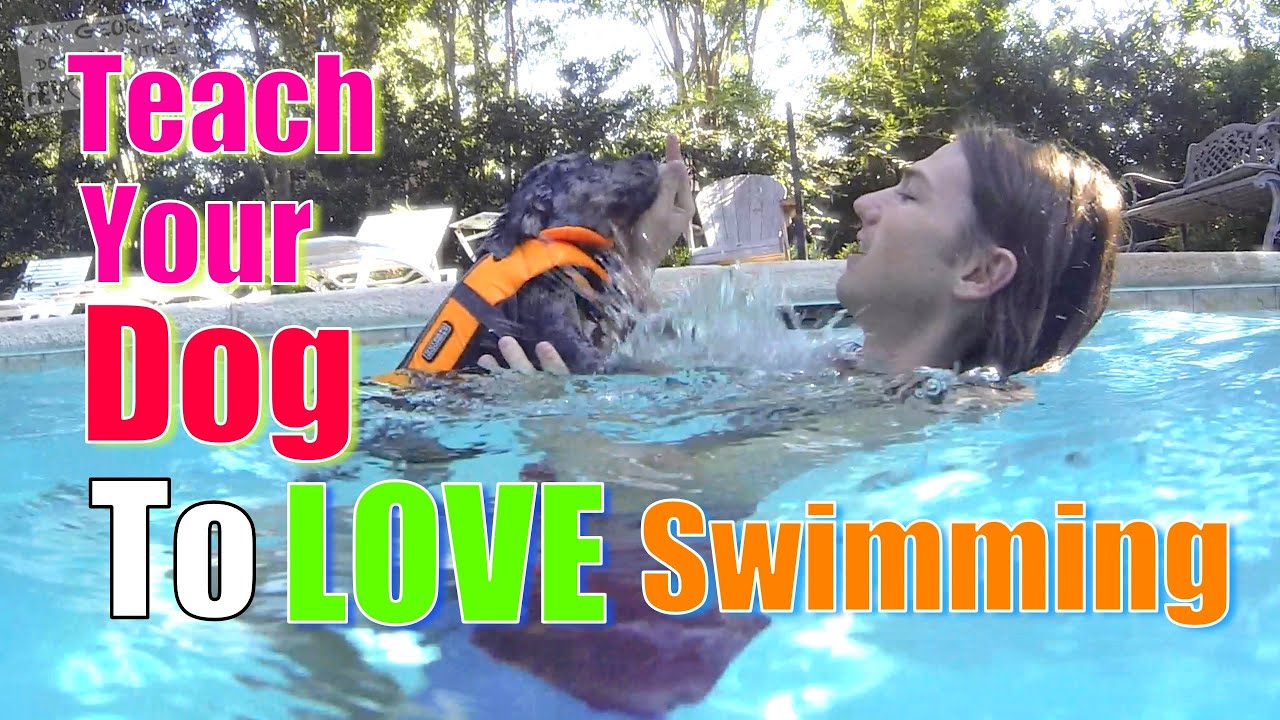
Image Source: i.ytimg.com
Starting Small: Making First Water Steps Fun
For many dogs, water is new or scary. The key to success is gentle introducing dog to water. We do not want to rush this. A bad first trip can set back training for weeks. We aim for positive experiences every time.
Finding the Right Spot
The first place you try matters a lot. A big, deep lake might scare a small dog. A busy public pool can be overwhelming. Look for safe, calm areas first.
Shallow End Success
Start where your dog can easily stand up. Think shallow puddles or the very edge of a calm lake. The goal is just to get their paws wet.
- Puddle Play: Toss a favorite, floating toy into a very shallow puddle. Let your dog wade in just a little bit to grab it.
- The Beach Edge: If you live near a beach, the gentle lapping waves are often less scary than a sudden drop-off.
Creating a Safe Home Water Zone
If natural water is too much at first, create a safe zone at home. This is the best start for introducing dog to water.
The Kiddie Pool Approach
A small plastic kiddie pool is perfect for dog pool introduction. Do not just fill it and expect magic. You need to set the scene.
- Dry First: Put the empty pool out days before you add water. Let your dog sniff it and see it is safe.
- Treat Magnet: Place high-value treats near the pool. Then, put some inside the dry pool.
- A Little Water: Add just one inch of water. Make it warm, not cold. Use floating toys.
- Make it Fun: Never push your dog in. Toss a toy just over the edge. Praise them wildly when they step one paw in.
Using Positive Reinforcement Dog Water Training
Positive reinforcement is the secret sauce. Every good step gets a reward. This builds happy memories around water.
High-Value Rewards
Use the best treats your dog ever gets. Think small pieces of cheese, boiled chicken, or liver treats. If the treat is not exciting, the effort to enter the water will not be worth it.
| Step in Water Fun | Reward Level | Action to Take |
|---|---|---|
| Sniffing the pool | Low (Praise) | Gentle voice praise. |
| One paw in the water | Medium (Small Treat) | Toss a treat near the paw. |
| All four paws in (standing) | High (Jackpot) | Several small treats quickly. |
| Paddling toward toy | Very High (Big Praise/Play) | Favorite toy toss and cheers. |
Keep Sessions Short and Sweet
Short sessions prevent your dog from getting tired or frustrated. Five minutes of focused fun is better than fifteen minutes of struggle. Always end on a high note. If they just managed to get one paw in, celebrate that win, and then go inside.
Addressing Fear: Overcoming Dog’s Fear of Water
Some dogs have a real, deep fear of water. This might come from a past bad experience or simply not knowing what water is. Overcoming dog’s fear of water requires patience, not force.
Deciphering Why They Fear Water
A dog might fear water because:
- They slipped and fell into deep water before.
- The water felt too cold or too fast (like a strong hose stream).
- They cannot easily get out of the water source.
If you suspect a past trauma, go even slower than usual.
The Ramp and Steps Strategy
Many dogs dislike water because they feel trapped once they are in. They panic if they cannot easily walk out.
- Use Ramps: For pools or boats, invest in a sturdy, non-slip ramp. This lets the dog walk in and out at their own pace. This is a key part of dog water safety.
- Shallow Stairs: If using a pool, make sure the steps are wide and shallow enough for them to feel secure.
The Toy Lure Technique
If treats are not working to get them near the edge, try a lure. A favorite ball or frisbee that floats well is ideal.
- Toss near edge: Toss the toy just inches from the dry edge.
- Toss slightly in: When they approach the edge to get the toy, toss it just barely onto the surface of the water. They might lean in.
- Longer Toss: Once they are comfortable leaning, toss it slightly farther. They will naturally start to use their front legs to reach. This is often the first accidental swim!
Never throw the toy so far that the dog has to swim before they are ready.
Water Fun Beyond the Pool: Games and Activities
Once your dog is comfortable standing in shallow water, you can introduce real dog water games. These activities help build confidence and make swimming a normal part of play.
Floating Fetch
This is a classic for a reason. Use durable, floating toys.
- Start Close: Gently toss the toy a short distance away, so the dog only needs a quick paddle.
- Swim Distance: Slowly increase the distance. Watch their form. If they seem stressed, move closer again.
Water Retrieval Drills
For dogs that naturally love to retrieve, these drills are great for dog swimming tips.
- The Human Chain: Have two people sit at opposite sides of a small pool. One person gently tosses the dog to the other person. The dog swims a short distance. This keeps the focus on you and makes the swim feel purposeful.
- Obstacle Course (Shallow): In very shallow water, place a few buoyant objects. Encourage your dog to walk or wade between them to reach a toy.
Hide and Seek in the Water
This works well near the edge of a pool or a calm section of a lake.
- Have one person hold the dog securely (not gripping tightly, just steadying them).
- The second person hides just a few feet away, slightly out of sight (behind a pool chair or a bush near the water line).
- Call the dog. If they paddle to the second person, it is a huge reward!
Staying Safe: Essential Dog Water Safety
Liking water is one thing; staying safe in it is another. Dog water safety must always come first. Even the best swimmers can tire or get caught by currents.
Life Vests are Non-Negotiable
Even if your dog swims well in a pool, always use a life vest in open water or if they are new to swimming.
Features of a Good Dog Life Vest:
- Bright Color: Easy to spot in the water (orange or yellow).
- Sturdy Handle: A strong handle on the back lets you lift or steady your dog quickly.
- Chin Flap (Optional but helpful): Keeps their head above water if they tire out.
This is crucial for young puppies or older dogs. It also helps if your dog panics during their water training for dogs.
Checking Water Quality and Temperature
Water quality is vital for health. Algae blooms or chemicals can make a dog sick.
- Avoid Stagnant Water: Ponds with murky, still water can harbor bacteria or parasites.
- Pool Chemicals: Rinse your dog thoroughly after swimming in a chlorinated pool. Chemicals can dry out their skin and irritate their eyes.
Teaching Exit Strategies
A dog that knows how to get out easily is a confident dog. Practice using the pool ramp or stairs often, even when the dog is dry.
- Practice the Walk-Out: Lure your dog up the ramp with a treat every time they exit. Make the exit as rewarding as the entrance.
Making Bath Time Fun for Dogs
Not all water exposure needs to be swimming. For many dogs, the first exposure to water happens during grooming. Making bath time fun for dogs is excellent early water training for dogs.
Temperature and Environment Control
A shivering dog hates water instantly. Ensure the room is warm. The bath water should be lukewarm—test it on your wrist first, like a baby’s bottle.
Non-Slip Surfaces are Essential
The slick bottom of a tub is terrifying. A rubber mat or towel inside the tub gives your dog traction and confidence. They will feel secure enough to relax.
Tool Use for Positive Association
Use tools that make the experience pleasant, not stressful.
- Licking Mats: Spread peanut butter or yogurt on a special suction-cup licking mat attached to the shower wall. Your dog stays focused on licking the treat while you wash them.
- Gentle Rinse: Avoid blasting water directly at their face or ears. Use a gentle handheld sprayer, or better yet, use cups to pour water over them slowly.
The Post-Bath Celebration
Immediately after a successful bath, give a major reward. A favorite chew toy, a long cuddle session, or a short play session afterward cements the idea that “Bath Time = Awesome Stuff Happens.”
The Best Ways to Cool Down Dog During Hot Weather
Once your dog likes water, you have the best ways to cool down dog during the summer heat. Heatstroke is a real danger, and water play is a healthy, fun solution.
Water Play as Exercise
On hot days, shift exercise to early morning or late evening. During the midday heat, use water activities. A dog who enjoys swimming burns energy without overheating.
Cooling Stations
If you cannot get to a pool, set up several cooling stations around your yard:
- Sprinklers: Some dogs love running through a gentle sprinkler. If yours does not, try leaving a low-pressure sprinkler running in one spot so it creates a small, shallow puddle.
- Wet Towels: Keep large towels soaked in cool water in the shade. Let your dog lie on them. This is a low-pressure way to introduce cool surfaces.
Hydration While Playing
Always have fresh, cool drinking water available near the play area. Even if they are swimming, they need to drink plain water regularly to stay hydrated.
Advanced Tips for Water Confidence
For dogs who are already comfortable but not fully enthusiastic, try these advanced steps.
Introducing Water Current Slowly
If you are near a slow-moving stream, you can introduce the feeling of moving water.
- Stand on the bank holding your dog securely. Let their paws touch the very edge where the water moves slowly past them.
- Use a floating toy and toss it slightly downstream so they have to paddle a tiny bit against the current to get it. This builds core strength and coordination needed for real swimming.
Mastering Dog Swimming Tips for Efficiency
Once swimming is fun, focus on technique. Good technique prevents tiring out quickly.
- Front Paw Action: Encourage dogs to use all four legs evenly. Some dogs naturally paddle only with their front legs, which tires them out fast. A gentle hand under the belly can encourage back leg use during their first few swims.
- Head Position: A dog’s head should be relatively level with their back, not too high (which sinks their rear) or too low (which makes them struggle to breathe).
Table: Common Dog Swimming Problems and Fixes
| Problem | Cause | Solution |
|---|---|---|
| Dog paddles only with front paws | Instinctual reaction | Support the rear end gently; lure with toys. |
| Dog panics upon entering | Fear of depth/slipping | Use ramps; go back to dry land play first. |
| Dog drinks pool water | Thirst/Taste | Ensure fresh drinking water is always near. |
| Dog sinks when tired | Poor buoyancy/panic | Use a life vest immediately until stamina builds. |
Final Thoughts on Building Water Love
Getting your dog to like water is a journey built on trust. Remember to celebrate the tiny victories. Positive reinforcement dog water sessions mean short, happy exposure every time. Never turn water into a chore or a scary command. Keep it light, keep it fun, and soon your dog will be seeking out the water on their own!
Frequently Asked Questions (FAQ)
How long does it take for a dog to like water?
This varies greatly. Some dogs love it instantly. Others may take several weeks or months of very slow, positive introduction before they willingly enter the water. Patience is key.
Should I throw my dog into the water if they are scared?
Absolutely not. Forcing a dog into water will likely create or worsen a deep fear. Always let the dog choose to enter the water, even if it is just one paw at a time.
Are all dogs natural swimmers?
No. While many breeds have some natural affinity (like Retrievers or Spaniels), many others (like Bulldogs or Pugs) are poor swimmers due to body shape. Even breeds that can swim well need training and safety gear.
What should I do if my dog gets ear infections from swimming?
If your dog frequently swims or gets baths, you must dry their ears thoroughly. Use a soft cloth to dry the outer flap. Ask your vet about gentle, preventative ear-drying solutions specific for dogs who swim often. This is a key part of dog water safety.
Can older dogs learn to love water?
Yes, an older dog can certainly learn to enjoy water, especially if they are nervous. Focus on shallow areas and use high-value rewards. The focus should be on comfortable wading, not intense swimming.