
Yes, you can absolutely get dog pee out of wood floors, but success depends on how fast you act and the type of floor finish you have. Treating fresh stains immediately is key to preventing permanent damage.
Dog urine on wood floors is a homeowner’s nightmare. The acids and ammonia in pet waste can damage the wood finish, cause discoloration, and leave a persistent, foul odor. Getting rid of these stains requires more than just a quick wipe. We need to tackle the surface stain and the odor trapped deep within the wood grain. This guide offers expert tips for successful dog urine stain removal wood floors.
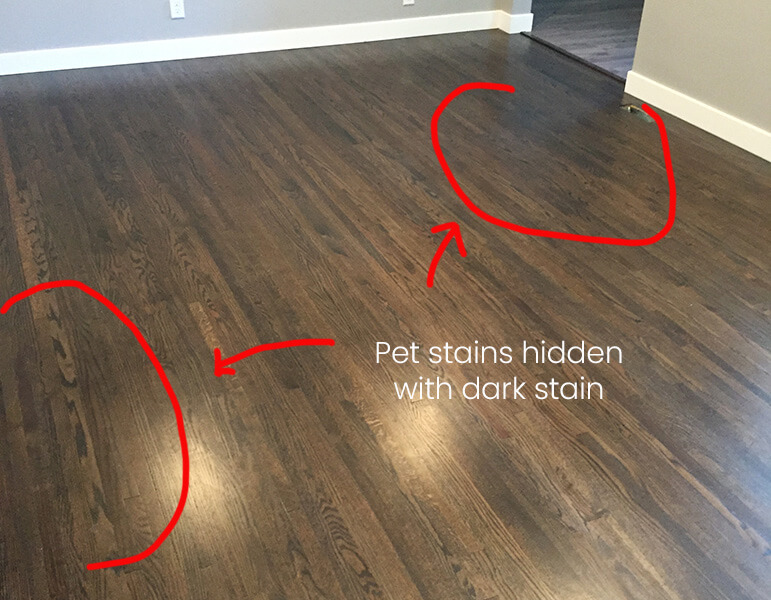
Image Source: nahfloors.com
Why Dog Urine Damages Wood Floors
Wood is porous. When a dog pees on it, the liquid seeps into the wood grain and the cracks between boards.
Urine has two main damaging components: the acid and the ammonia.
- Acids: The uric acid starts to eat away at the floor finish (like polyurethane or varnish). This breaks down the protective layer.
- Ammonia: Once the bacteria break down the urine, they produce ammonia. This chemical causes dark spots, often turning the wood black. Treating ammonia smell from dog urine on floors is often harder than removing the visual stain itself.
The severity of the damage dictates the repair method. A small, fresh spot needs simple cleaning. A large, old stain might require sanding or even replacing boards.
Immediate Action: Stopping Stains Before They Set
Speed is your biggest ally when dealing with pet accidents. The longer the pee sits, the deeper it soaks.
Step 1: Blot, Don’t Rub
As soon as you notice the accident, grab paper towels or old rags.
- Blotting: Press down firmly on the wet area. You want the towel to soak up the liquid.
- Avoid Rubbing: Rubbing pushes the urine deeper into the wood grain and spreads the corrosive acids around.
Keep blotting until the area is barely damp. Throw away the soiled towels immediately.
Step 2: Assess the Damage Level
Once the excess liquid is gone, look closely at the wood.
- Level 1: Fresh Wet Spot: The finish is intact. You only need to clean and neutralize the surface.
- Level 2: Slight Discoloration/Damp Smell: The urine has soaked through the finish slightly. You need a mild cleaner that can penetrate a little.
- Level 3: Dark Stains or Black Marks: The urine has chemically reacted with the wood, causing deep discoloration. This is where you need serious stain lifters.
Tackling Fresh Stains: Simple Solutions for Surface Cleaning
For Level 1 accidents, simple household items work well for lifting dog urine stains from sealed wood. These methods keep the finish safe while cleaning the fresh mess.
Using Vinegar and Water
White vinegar is a mild acid that helps neutralize the alkaline salts in dried urine. It is also a great mild disinfectant.
DIY Dog Pee Cleaner for Wood Recipe:
- Mix one part white vinegar with three parts warm water.
- Dip a soft cloth into the solution. Wring it out well. The cloth should be damp, not soaking wet.
- Gently wipe the affected area. Work from the outside of the stain inward.
- Let it sit for about 5 to 10 minutes.
- Wipe the area clean with a cloth dampened only with plain water.
- Dry the spot immediately with a clean, dry towel. Never let wood air dry after cleaning.
Hydrogen Peroxide (Use with Caution on Finished Floors)
Hydrogen peroxide has mild bleaching properties. Only use this if the vinegar treatment doesn’t remove a slight yellow tint, and always test it first in an inconspicuous spot. Peroxide can lighten the color of some wood finishes or stains.
Advanced Cleaning: Dealing with Set-In Stains and Odor
When stains have dried, or the smell lingers, you need stronger solutions to break down the organic matter. This targets eliminating dog pee smell from hardwood.
Enzymes are Essential for Odor Removal
Enzymatic cleaners are the gold standard for pet messes. They contain special “good” bacteria that eat the uric acid crystals and proteins found in urine. This process stops the treating ammonia smell from dog urine on floors.
How to use them effectively:
- Clean First: Wipe away any surface grime or dirt from the stained area.
- Saturate: Apply the commercial pet stain remover for hardwood (ensure it is safe for wood floors—many are not!) directly onto the stain. You might need to peel back a small section of the finish if it is heavily sealed.
- Keep it Wet: Enzymes need moisture and time to work. Cover the treated spot with plastic wrap or a damp, old towel. This keeps the product from drying out too fast.
- Wait: Let it sit for the time recommended on the product, often several hours, or even overnight for very tough spots.
- Wipe and Dry: Remove the cover. Blot up any excess cleaner and wipe the area clean with a damp cloth. Dry thoroughly.
Baking Soda Paste for Odor Absorption
Baking soda is excellent at absorbing odors. This works well after you have used an enzyme cleaner to break down the source of the smell.
- Sprinkle a generous amount of baking soda over the affected area.
- Mix a few drops of mild dish soap with water to make a very light paste. Dab this lightly onto the baking soda.
- Let this mixture sit for 12 to 24 hours. It slowly pulls out deep moisture and odor.
- Vacuum up the dry baking soda thoroughly.
When Stains Go Deep: Removing Set-In Dog Urine Stains From Wood
If you see black or dark brown spots, the urine has penetrated the finish and chemically altered the wood fibers. This requires methods that can lighten the wood itself. This process is often part of removing set-in dog urine stains from wood.
The Power of Oxalic Acid (Wood Bleach)
Oxalic acid is often sold as “wood bleach.” It is the chemical used by professionals to lighten water stains or dark urine spots on bare wood. Warning: This is a strong chemical. Wear gloves and eye protection. This only works on unfinished wood or areas where the finish has already been completely worn away by the urine.
- Strip the Finish: If the surrounding finish is intact, you must carefully strip or sand away the sealant over the stain so the acid can reach the wood. Use fine-grit sandpaper (120-grit or higher) to gently remove the finish immediately over the dark spot.
- Prepare the Solution: Mix the oxalic acid crystals with hot water according to the package directions. It should form a liquid solution.
- Apply: Use a small brush or cotton swab to apply the solution only to the dark stain. Avoid spreading it to the surrounding, good wood.
- Wait: Let the acid work. You should see the dark color lifting. This might take minutes or hours.
- Neutralize: Once the stain is gone or much lighter, you must stop the acid’s action. Wipe the area thoroughly with a solution of water mixed with a small amount of baking soda (to neutralize the acid).
- Rinse and Dry: Wipe with plain water and let the wood dry completely—this can take a day or two, depending on humidity.
This process lightens the wood. After this, you must apply new stain (if needed) and a new protective topcoat to match the rest of the floor.
Selecting the Right Products for Hardwood Floors
Choosing the best cleaner for dog urine on wood requires knowing your floor type.
| Floor Type | Finish Condition | Recommended Action | Key Consideration |
|---|---|---|---|
| Sealed Hardwood (Polyurethane, Varnish) | Minor Surface Spill | Vinegar/Water, Enzyme Cleaner | Do not saturate. Must dry quickly. |
| Sealed Hardwood | Dark Stains Present | Gentle sanding to remove finish over stain, followed by localized oxalic acid. | Requires refinishing the spot afterward. |
| Waxed or Oiled Floors | Any Spill | Specialized wood soap or gentle soap and water only. | Avoid water saturation and strong acids, which strip wax/oil immediately. |
| Unfinished Wood | Any Spill | Immediate soaking with enzyme cleaner, often followed by light sanding or bleaching. | Wood readily absorbs damage; refinishing is almost always required. |
Why Most General Cleaners Fail
Many general-purpose household cleaners contain bleach or harsh detergents. Bleach can cause irreversible lightening or yellowing on wood finishes. Harsh detergents can strip away the protective seal, leaving the wood open to future damage. Always look for products specifically labeled as safe for finished hardwood floors.
Professional Intervention: When to Call the Experts
Sometimes, the damage is too widespread or too deep for home remedies. When should you seek professional help for refinishing wood floors after dog urine?
- Widespread Black Stains: If multiple boards are blackened, DIY bleaching will create a patchy floor that looks worse than the original stain.
- Warping or Cupping: If the floorboards are visibly lifting, buckling, or cupping, the moisture damage is severe and structural.
- Odor Persistence: If you have tried enzyme cleaners diligently for several days and the eliminating dog pee smell from hardwood is still noticeable, the urine has likely soaked into the subfloor or beneath the baseboards.
A professional floor refinisher can assess the depth of penetration. They might be able to lightly sand the entire room to the desired depth, effectively removing the damaged top layer of wood, then restain and reseal the entire floor for a uniform look.
Preventing Future Accidents: The Best Long-Term Solution
Cleaning up is only half the battle. Preventing repeat accidents is crucial for preserving your wood floors.
Health Checks
If your dog suddenly starts peeing inside, especially on specific spots, a vet visit is mandatory. Frequent accidents can signal underlying health issues like a Urinary Tract Infection (UTI) or kidney problems.
Training and Management
- Rethink House Training: If you have a new puppy or a newly adopted dog, treat the house as if they are not house-trained yet. Crate training or restricting access to certain rooms helps manage accidents.
- Positive Reinforcement: Reward successful outdoor elimination heavily.
- Clean Thoroughly: If the dog can still smell traces of past accidents, they are likely to return to the same spot. Using strong enzymes to ensure total neutralizing dog urine odor on wood is vital for retraining.
- Block Access: While training is ongoing, use baby gates or close doors to keep the dog away from vulnerable areas. Covering problem spots with large rugs or temporary plastic runners can also help until the behavior is corrected.
Summary of Key Steps for Success
Dealing with dog pee on wood requires a multi-step approach focused on chemistry and speed.
| Stage | Goal | Primary Tool/Method |
|---|---|---|
| Immediate Spill | Remove excess liquid quickly. | Blotting with paper towels. |
| Odor Neutralization | Break down uric acid crystals. | Enzymatic Pet Stain Remover. |
| Surface Stain Removal | Lift slight discoloration from finish. | Vinegar and water solution. |
| Deep Stain Removal | Lighten wood discoloration (bare wood only). | Oxalic Acid (Wood Bleach). |
| Protection | Restore the seal against future damage. | Sanding and applying matching sealant/polyurethane. |
By acting fast and choosing the right product for the depth of the stain—whether it’s a simple DIY dog pee cleaner for wood or professional chemical treatment—you can save your hardwood floors from permanent damage. Remember that sealed floors offer more protection, but even the best finish will eventually fail against concentrated urine acids if left untreated.
Frequently Asked Questions (FAQ) About Dog Pee on Wood Floors
Q: Can I use a steam cleaner on dog urine stains on hardwood floors?
A: No. Steam cleaners force hot moisture and steam deep into the wood and subfloor. This excessive moisture will loosen the glue holding the planks down, cause the wood to swell, and warp the floor severely. Steam cleaning is one of the worst things you can do for a wood floor stain.
Q: Will ammonia-based cleaners help eliminate dog pee smell from hardwood?
A: Absolutely not. Dog urine already contains ammonia. Cleaning with more ammonia will mask the smell temporarily but will not break down the source of the odor. Furthermore, ammonia can be harsh on wood finishes. Always use enzymatic cleaners to truly break down the organic source of the smell.
Q: How can I check if my wood floor is sealed or unsealed?
A: Drip a small drop of water onto an inconspicuous area. If the water beads up on the surface, the floor is sealed (likely with polyurethane or varnish). If the water soaks in quickly and darkens the wood within a minute, the floor is likely oiled or unfinished, requiring very gentle cleaning methods.
Q: Is it safe to use bleach on dog urine stains on sealed wood floors?
A: It is generally not recommended for sealed floors. Household bleach (sodium hypochlorite) is too harsh and will likely strip or severely discolor the polyurethane finish, creating a white or pale patch. If the floor is unsealed, oxalic acid is safer and more effective for lightening the wood itself than chlorine bleach.
Q: How long does it take for a dog urine stain to set permanently?
A: A stain can begin setting within 24 to 48 hours, especially if the wood is unsealed or the finish is old. Dark black stains indicate chemical reaction has already occurred, meaning the stain is set and requires chemical bleaching or sanding to remove.