
Can I tell if my dog is about to give birth? Yes, you absolutely can tell if your dog is about to give birth by watching for specific physical and behavioral changes that signal the start of canine whelping stages. Recognizing these dog delivery signs early helps you prepare a safe space for your dog and know when to seek professional help.
This guide will walk you through everything you need to look for, from early signs to the final push, ensuring you are ready for your dog’s big day.
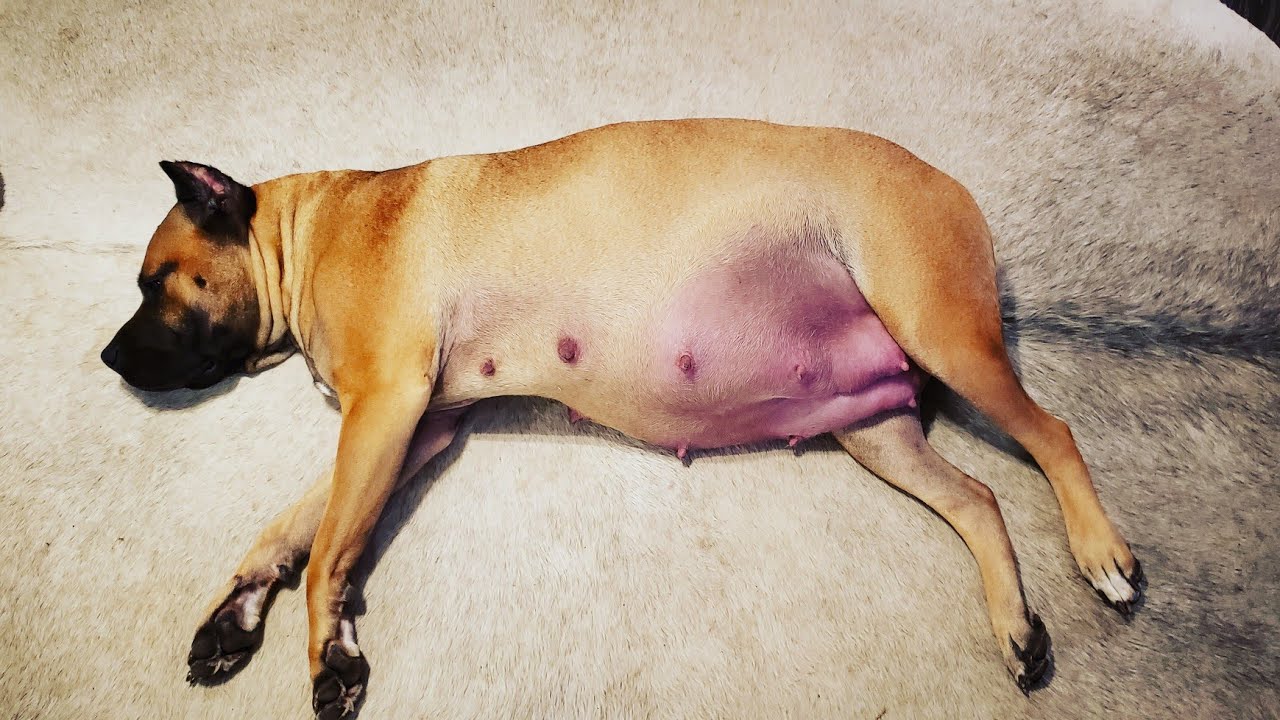
Image Source: i.ytimg.com
Early Warnings: When the Big Day Nears
A dog’s pregnancy lasts about 63 days. In the last few weeks, your dog starts getting ready. These early signs mean labor is getting close, usually within 24 to 48 hours.
Body Temperature Drops
One of the clearest signs of imminent dog labor is a drop in rectal temperature. Normal dog temperature is between 101°F and 102.5°F (38.3°C and 39.2°C).
- When labor is near (usually 12 to 24 hours away), the temperature often drops below 100°F (37.8°C).
- You should take your dog’s temperature twice a day starting around day 58 of the pregnancy.
- A sustained low temperature means things are starting soon.
Changes in Appetite and Bathroom Habits
Your dog may show changes in what and how much she eats.
- Many dogs stop eating about 12 to 24 hours before labor starts.
- She might eat a little, then walk away.
- Expect more frequent urination or small amounts of diarrhea. This is the body clearing things out for the delivery.
Physical Changes in the Mammary Glands
Look closely at her belly and nipples. These changes show your dog is preparing to give birth.
- The mammary glands, or the breasts, will swell significantly.
- The nipples become larger and darker.
- For first-time mothers, you might notice milk leaking a day or two before labor. This is one of the key dog first time labor signs.
Increased Restlessness and Panting
Behavioral shifts are very noticeable as the time gets close.
- She may pace often or seem anxious.
- Excessive panting is common, even if the room is cool. This panting is due to stress and early, weak contractions.
- She may whine softly or look to you for comfort.
The Nesting Instinct Kicks In
One of the sweetest signs of imminent dog labor is dog nesting behavior. This is when your dog seeks out a safe, cozy place to have her puppies.
Finding the Perfect Spot
Your dog will actively prepare her “whelping box” or chosen area.
- She might move blankets, towels, or soft items around.
- She may scratch or dig at the bedding vigorously.
- If you have a whelping box ready, she will likely spend a lot of time in it, lying down and getting comfortable.
- If you don’t have a box, she might choose a closet, under a bed, or a quiet corner of a room.
Stage One Labor: The Warm-Up Period
Stage one is when the cervix opens. This stage can be long, often lasting 6 to 12 hours, but sometimes up to 24 hours, especially for first-time moms. This is when you look for clear dog labor progression beginning.
Mild Contractions Begin
During stage one, you will see mild abdominal tightening. These are often hard to spot unless you are watching closely.
- Your dog might lie down, then suddenly get up again.
- She might stretch her back end frequently.
- These early contractions help move the puppies into the birth canal.
Restlessness and Yawning
This phase is often marked by anxiety. Your dog is working hard internally.
- She may shiver even if she is not cold.
- Heavy panting continues.
- Some dogs cry softly or pant heavily, showing they are feeling internal pressure.
Refusing Food and Water
It is very normal for a dog to refuse all food once stage one labor truly begins. Do not force her to eat. She can have small sips of water if offered gently.
It is important to differentiate dog false labor signs (like restlessness) from true labor. If the nesting and restlessness last for over 24 hours without any signs of strong pushing or temperature drop, it might be false labor, or the actual labor is taking its time.
Stage Two Labor: The Birth Begins
Stage two is the active pushing phase, resulting in the delivery of the puppies. This stage starts when strong, visible contractions begin, and ends when the first puppy is born.
Stronger Contractions and Visible Effort
You will clearly see your dog working now. This is when you watch for dog contractions timing.
- The contractions become intense and regular.
- Your dog will hunch her back and strain.
- She might lie on her side or stand up while pushing.
When to Time the Pushes
It is crucial to time how long she pushes before a puppy appears.
- A dog should deliver a puppy within 30 to 60 minutes of strong, consistent pushing.
- If she pushes hard for more than two hours and nothing comes out, this is an emergency.
The Appearance of the Water Breaking
The amniotic sac (the water bag) will break just before or during the start of stage two.
- You will see a clear, greenish, or dark fluid gush out. Green fluid means the placenta has detached, and a puppy should arrive very soon, usually within 30 minutes.
- If you see large amounts of dark, thick fluid before any contractions start, call your vet right away.
Puppy Delivery
When a puppy is ready, it usually comes out encased in a membrane sac.
- The dog will typically lick and break this sac open immediately.
- She will then lick the puppy vigorously to stimulate breathing.
- If she does not break the sac within a few minutes, you must help her gently tear it open around the puppy’s nose and mouth.
Stage Three Labor: Delivering the Afterbirth
Stage three occurs right after a puppy is born. This involves the delivery of the placenta, called the afterbirth.
Placenta Delivery
For every puppy born, there must be one placenta delivered.
- The placenta usually follows the puppy within 5 to 15 minutes.
- It is normal for the mother to eat the placenta. This provides hormones and nutrition.
- However, it is important that she does not eat too many (more than two or three), as this can cause vomiting or diarrhea. Keep track of how many you see versus how many puppies are born.
Monitoring the Intervals
During stage two and three, keep track of the time between births. This is vital for monitoring dog labor progression.
| Event | Normal Time Frame | Concern Level |
|---|---|---|
| Pushing after water breaks | 30–60 minutes | High if over 2 hours without progress |
| Time between puppies | Usually 30–60 minutes | High if over 2 hours between puppies |
| Placenta delivery | Within 15 minutes of puppy | Important to count them |
Recognizing Trouble: When to Call the Vet
Knowing when to call vet for dog labor is the most important part of being prepared. While most dogs manage labor well, complications happen quickly.
Signs Requiring Immediate Veterinary Attention
If you observe any of the following, stop waiting and call your emergency vet immediately:
- Fever: If your dog’s temperature stays above 103°F (39.4°C) before labor starts.
- Prolonged Stage One: If your dog has been restless and panting heavily for more than 24 hours without any strong contractions starting.
- Green Discharge Without Puppy: If dark green fluid appears, and no puppy is born within 30 minutes.
- Stopped Contractions: If your dog pushes intensely for 30 minutes with no puppy emerging.
- Resting Too Long: If 2 hours pass between puppies, and you suspect more are coming (she should still be showing signs of restlessness or light contractions).
- Excessive Bleeding: Heavy, continuous bright red bleeding is an emergency. Small amounts of blood are normal, but a steady flow is not.
- Puppy Stuck: If a puppy is partially visible but won’t come out after 15 minutes of hard straining.
Fathoming Dog False Labor Signs
Sometimes a dog acts like she is in labor, but she is not ready yet. These are dog false labor signs, often called “false labor” or Braxton Hicks contractions. They are normal rehearsals.
How to Tell False Labor from Real Labor
| Feature | False Labor (Practice) | True Labor (Stage One) |
|---|---|---|
| Restlessness | Comes and goes. Dog can be easily distracted. | Constant, intense anxiety; cannot settle down. |
| Temperature | Stays normal (101°F–102.5°F). | Drops below 100°F (37.8°C) and stays low. |
| Nesting | May look for a spot, but isn’t persistent. | Intense, focused preparation; refusal to leave the area. |
| Contractions | Very mild tightening, often too weak to see. | Increasingly strong, rhythmic contractions begin. |
| Duration | Can last a day or two, then stops completely. | Progresses steadily toward puppy delivery. |
If you suspect false labor, try to calmly redirect your dog. Offer a small, bland meal or a short walk on a leash. If she settles down, it was likely false labor. If she resumes intense pacing and panting quickly, real labor may start soon.
Preparing Your Whelping Area
Good preparation reduces stress for both you and your dog. Since dog nesting behavior is a strong indicator, having the area ready beforehand helps direct that energy.
Setting Up the Whelping Box
The whelping box should be ready at least a week before the due date.
- Size: It should be large enough for the mother to stretch out comfortably next to her puppies.
- Walls: The sides should be high enough to keep newborns in but low enough for the mother to step over easily. “Pig rails” or ledges around the inside walls help prevent the mother from accidentally crushing a puppy against the wall.
- Bedding: Use towels or old sheets that can be easily washed or thrown away after birth. Avoid anything with loops that could tangle around a puppy’s limb.
Essential Supplies Checklist
Keep these items near the whelping area for easy access during the birth:
- Clean towels (many!) for drying puppies.
- Unwaxed dental floss or sterile string to tie off umbilical cords if the mother doesn’t do it.
- Antiseptic solution (like diluted iodine) to dip the cords.
- A small container of warm water.
- A heating pad or hot water bottle (covered securely) to keep newborns warm. Puppies cannot regulate their own temperature.
- Copies of your vet’s emergency number.
- A notebook to track timing and puppy details.
Monitoring Dog Labor Progression
Tracking the process is key to knowing if things are on schedule. Detailed notes help you spot problems faster.
Tracking Delivery Details
When a puppy is born, note the following:
- Time of Birth: Exactly when the puppy arrived.
- Sex of Puppy: (If you wish to record this).
- Placenta Count: Did the mother pass one placenta?
- Puppy Condition: Was the puppy active and crying, or quiet?
This detailed record helps determine if the dog labor progression is normal or if you need to intervene. For example, if you have five puppies listed, but the mother passes only four placentas, the fifth one is still inside and needs immediate veterinary attention.
Specific Considerations for First-Time Mothers
Dog first time labor signs can sometimes be harder to read because the mother doesn’t have prior experience. First-time mothers (primipara) often take longer in stage one.
- They may be more anxious and seek reassurance from their owners more often.
- They might ignore the nesting area initially, trying to hide instead.
- Be patient during stage one, but remain diligent about temperature checks and monitoring behavior. If they seem overly distressed, call your vet for advice before strong pushing starts.
Managing Stress During Delivery
Your calm presence is vital. Dogs pick up on your stress levels.
- Keep the room quiet and warm. Limit visitors.
- Speak to your dog in a low, soothing voice.
- If she starts licking you excessively or trying to hide under you, gently lead her back to her whelping area.
- Avoid touching or interfering with the delivery unless the mother clearly needs help (like the sac not breaking). Too much handling can distract her from her natural instincts.
Post-Delivery Care and Follow-Up
Once all the puppies are born, the work isn’t completely done. Monitor the mother and the newborns closely for the next 24 hours.
Watching the Mother
Ensure she has delivered all placentas and is nursing actively.
- She might seem exhausted, which is normal.
- Watch for any signs of retained afterbirth or signs of infection (foul smell, lethargy, continuous shivering).
Observing the Puppies
Puppies should be vigorously nursing within the first few hours.
- They should be warm, plump, and sleeping contentedly between nursing sessions.
- If a puppy is cold, limp, or refuses to latch onto a nipple after an hour or two, it needs immediate warming and assistance to feed.
Frequently Asked Questions (FAQ)
How long can a dog be in labor without delivering a puppy?
A dog should generally deliver a puppy within 30 to 60 minutes of strong, directed pushing. If she pushes hard for two hours without producing a puppy, it is an emergency. Furthermore, if the mother rests for more than two hours between puppies (once stage two has clearly started), you must contact your veterinarian immediately.
What should I do if my dog seems to be having false labor?
If you suspect dog false labor signs, try to reduce stimulation. Gently encourage her to rest in her whelping area. Offer a very small, bland treat, or take her out for a very brief, calm potty break. If she relaxes and stops the pacing or nesting, it was likely false labor. If the signs resume forcefully, real labor is likely starting soon.
Is it normal for a dog to shake or shiver during labor?
Yes, mild shaking or shivering is very common during the early and active stages of labor. This is often due to hormonal surges, stress, and the energy required for contractions. However, if the shivering is violent or accompanied by signs of distress (like refusing to stand or look at you), check her temperature.
Can I give my dog pain relief during labor?
Never administer any human pain medication or supplements to your dog during whelping. Many common human medications are highly toxic to dogs, especially pregnant and nursing ones. If you feel your dog is in severe distress, call your vet; they may be able to offer safe guidance or medical intervention.
When should I first notice dog nesting behavior?
Dog nesting behavior usually becomes very prominent in the final 12 to 24 hours before the first puppy is due. Some sensitive dogs may start preparing a week or more in advance, but the intense, focused nesting usually happens right before stage one labor begins.