
If your dog does not chew her food, it often means she is eating too fast, which can cause choking, vomiting, or digestive issues. The primary goal when a dog won’t chew food is to slow down canine food consumption and encourage proper canine mastication.
Many dog owners worry when their furry friend gulps down kibble without breaking it apart. This habit is common, especially in breeds known for fast eating or dogs previously accustomed to food scarcity. However, letting this continue can pose risks. Chewing food properly helps with digestion and is vital for dental health dog chewing. This detailed guide offers expert-backed methods to help your dog slow down and chew her meal properly.
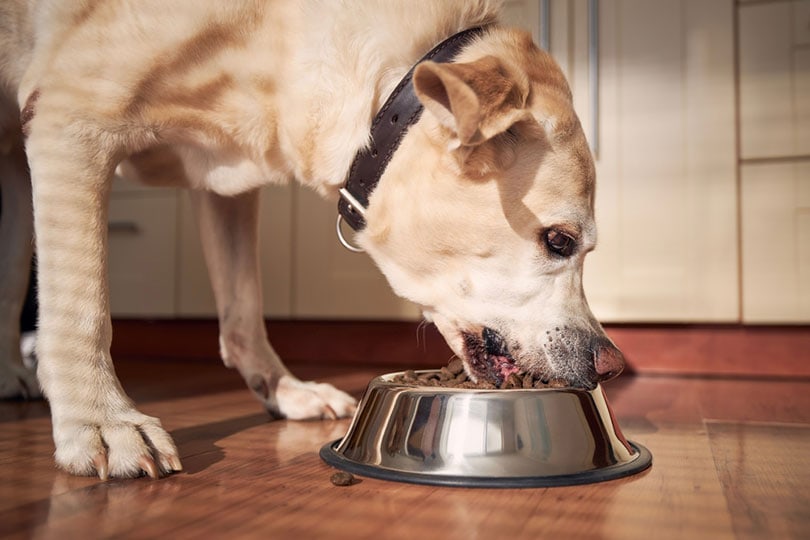
Image Source: www.dogster.com
Why Dogs Don’t Chew Their Food
First, let’s look at why this happens. Several factors push a dog to swallow food whole rather than chew.
Instinct and Environment Factors
Dogs are natural scavengers. In the wild, they had to eat quickly before a dominant pack member or rival could steal their meal. This instinct remains strong in many modern pets.
- Competition: If you feed multiple pets in the same area, or if your dog perceives other pets or even people as potential food threats, she will eat fast.
- Past Scarcity: Rescue dogs or dogs who have lived on the streets may have learned that food access is unpredictable. They eat fast to make sure they get enough.
- Breed Tendencies: Some breeds, like Greyhounds or Labradors, are notorious for speed up dog eating. They often have less focus on chewing and more on rapid consumption.
Feeding Routine Issues
How you feed your dog greatly affects her eating style.
- Large Portions: A very large serving of dry food can overwhelm some dogs, leading them to swallow big chunks just to clear the bowl quickly.
- Boredom or Anxiety: Some dogs gulp food because they are anxious during mealtimes or simply want the activity over with so they can move on to something else.
The Risks of Not Chewing Food
Swallowing food whole is not just messy; it can cause real health problems.
Digestive Upset
When large kibble pieces enter the stomach undigested, the body struggles to process them. This often leads to:
- Vomiting shortly after eating.
- Gas and bloating.
- In severe cases, an increased risk of Gastric Dilatation-Volvulus (GDV), or bloat, particularly in deep-chested breeds. This is a life-threatening emergency.
Poor Dental Health
Chewing serves a vital purpose beyond digestion. Chewing actions help scrape tartar off the teeth. If a dog swallows kibble whole, those surfaces are never cleaned. This quickly contributes to plaque buildup, bad breath, and gum disease. Good dental health dog chewing relies on mechanical action.
Expert Strategies to Encourage Thorough Chewing
The key to encouraging thorough chewing in dogs is modifying the feeding environment and the mechanics of how the food is delivered. We need tools and techniques to slow down dog eating.
Altering the Feeding Equipment
The bowl itself is often the first thing to change when a dog won’t chew food. Standard bowls make it too easy to inhale food.
1. Use Slow Feeder Bowls
These bowls are designed with ridges, mazes, or obstacles. These barriers force the dog to navigate around them to get small amounts of food at a time. This mechanical interruption naturally slows down consumption.
- Maze Bowls: Feature deep, winding paths.
- Spike Bowls: Have soft, flexible spikes that make it hard to scoop large amounts.
- Puzzle Bowls: These are more advanced, requiring the dog to nudge or spin parts of the bowl to release food, turning mealtime into mental work.
2. Try Muffin Tins or Baking Sheets
For a low-cost alternative, spread your dog’s meal across a large, shallow baking sheet or into the individual cups of a muffin tin. This forces the dog to move her head around and take smaller, separated bites. This technique works wonders for dog eating habits improvement.
3. Food Dispensing Dog Toys for Slow Feeding
If your dog needs more mental stimulation, use dog toys for slow feeding. These toys hold the kibble inside and release it only when the dog noses, rolls, or manipulates the toy correctly.
- KONG Wobbler: A weighted toy that tips and rolls, dispensing food slowly.
- Treat Balls: Smaller balls that release kibble through small holes as the dog pushes them.
These tools transition mealtime from a race to a rewarding game.
Modifying Food Consistency and Size
Sometimes the food itself is the problem. Large, hard kibble is easy to swallow whole.
1. Soaking the Kibble
Soaking dry dog food in warm water or low-sodium broth for about 10 to 15 minutes softens the pieces. Softer food is harder to swallow whole in large clumps. It also provides hydration.
2. Mixing in Wet Food or Water
Mixing wet food or a small amount of plain, warm water into the dry kibble creates a mushy texture. This mixture is naturally difficult to swallow quickly and encourages more lapping and licking, which often results in more chewing.
3. Switching Kibble Size
If your dog is a very small breed or has dental issues, she might be swallowing large kibble simply because it’s too big for her mouth to manage comfortably. Talk to your vet about switching to a smaller-sized kibble appropriate for her size, though be careful not to switch to a size that is too easy to inhale.
Environmental and Behavioral Adjustments
To address the underlying reasons for fast eating, you must change how and where your dog eats.
Making Mealtimes Calm
If anxiety drives the rush, create a serene feeding zone.
- Isolation: Feed your dog in a quiet room, crate, or separate area away from other pets, children, or high-traffic zones. This removes the pressure of competition.
- No Rushing: Do not interrupt your dog while she is eating. Let her finish her meal in peace.
The Two-Bowl Method
If you have multiple dogs, this is crucial to slow down dog eating. Feed each dog in a separate room or area, ensuring there is no visual contact. If they can see each other, they may eat faster out of habit or anxiety.
The “Pick Up” Technique (Supervised)
This technique directly interrupts fast eating during a meal:
- Place the food down.
- If the dog begins to gulp, calmly say “Wait” or “Easy.”
- Wait three to five seconds.
- Put the bowl back down.
- Repeat this process. The dog learns that gulping earns a temporary pause. This takes patience but effectively addresses dog eating too fast remedies.
Training for Chewing: Teaching the “Chew” Command
You can actively teach your dog that chewing is the desired behavior. This involves positive reinforcement training.
Step-by-Step Chew Training
This process works best if you use high-value treats or slightly larger, softer items initially, rather than the regular, fast-to-swallow kibble.
Phase 1: Introducing the Concept
- Give your dog a treat that takes a few seconds to eat (like a piece of soft carrot or a chewy dental stick).
- As soon as she starts to chew, say your chosen cue word clearly, such as “Chew” or “Masticate.”
- Immediately reward her with another treat while she is still chewing, or right after she finishes the first one.
Phase 2: Pairing the Word with Action
- Place a piece of food down. If she immediately swallows it, do nothing.
- Wait for her to pick up a piece and attempt to chew it, even for a moment.
- As soon as you see the chewing action, say “Chew!” and give her a high-value praise or treat.
Phase 3: Applying to Mealtime
- Once your dog associates the word “Chew” with the action, start using the bowls or toys designed to slow down dog eating.
- If she starts to gulp a piece, wait until she pauses, then say “Chew.”
- When she chews that piece or the next one, praise heavily. If she continues to gulp, temporarily pick up the bowl for a few seconds and put it back down, repeating the command.
Consistency is essential here. The goal is to make chewing rewarding and swallowing rapidly less efficient.
The Role of Dental Chews and Bones
While the primary focus is on regular meals, appropriate chew items play a role in overall dental health dog chewing and can help train the chewing muscle.
Choosing Safe Chews
Not all chews are created equal, especially for dogs prone to swallowing.
| Chew Type | Benefit for Chewing | Caution |
|---|---|---|
| Hard Nylon Bones (e.g., Nylabone) | Excellent for building jaw strength and scraping plaque. | Can cause tooth fractures if the dog chews too aggressively. |
| Edible Chews (e.g., Bully Sticks) | Natural chewing encourages extended focus. | Monitor closely; if they become small enough to swallow, remove them to prevent choking. |
| Rubber Toys (e.g., Therapy Balls) | Provide safe resistance for satisfying chewing. | Ensure the toy is large enough that it cannot be swallowed whole. |
Important Note: If your dog is aggressive about swallowing treats whole, avoid small, easily consumed edible chews until you see dog eating habits improvement. Stick to durable, non-edible toys during training.
Addressing Specific Scenarios Where a Dog Won’t Chew Food
Sometimes the problem isn’t speed but a refusal to engage with the food at all, or preference for gulping.
When the Dog Ignores Dry Food But Eats Treats
If your dog loves soft treats but ignores her dry kibble, she may have decided kibble isn’t worth the effort of chewing.
- Make Kibble More Appealing: Add a small amount of low-sodium chicken broth or plain yogurt to the kibble. This masks the blandness and encourages licking/slurping, which often leads to some chewing.
- Use Kibble in Puzzle Toys: If she works for the kibble in a fun toy, she is more invested in eating it correctly.
The Overly Enthusiastic Gulping Dog
For the dog who inhales everything, you must use physical barriers. These methods are often the most effective dog eating too fast remedies.
- The Tennis Ball Trick (Use with Caution): Place one or two clean tennis balls into the food bowl before adding the kibble. The balls take up space and prevent the dog from easily scooping large mouthfuls.
- Caution: Only use this if your dog is not destructive and is unlikely to chew and ingest the tennis balls. Supervise this method closely.
- Spreading the Meal: Divide the total daily amount into four or five tiny meals instead of two large ones. Smaller amounts reduce the perceived need to rush.
Health Checks: When to See the Veterinarian
While most gulping is behavioral, sometimes a refusal to chew or difficulty chewing signals a medical issue. You should contact your veterinarian if you notice:
- Sudden Change: Your dog used to chew well but suddenly stopped.
- Dropping Food: The dog picks up food but drops it or tries to manipulate it excessively before swallowing. This strongly suggests pain.
- Paw to Mouth: The dog frequently paws at her face or mouth after eating.
- Visible Dental Disease: You notice severe tartar, red gums, or missing teeth.
Pain in the mouth, broken teeth, or gum disease can make chewing painful, leading the dog to swallow food whole to avoid discomfort. Addressing the underlying medical issue is paramount before tackling dog eating habits improvement.
Summary of Key Interventions for Better Chewing
Improving how your dog eats requires a multi-faceted approach focusing on environment, tools, and positive reinforcement.
| Intervention Type | Action to Take | Primary Goal |
|---|---|---|
| Equipment | Switch to slow feeder bowls or puzzle toys. | Mechanically prevent large mouthfuls. |
| Food Texture | Soak kibble or mix in warm water/broth. | Soften food to make gulping difficult. |
| Environment | Feed in isolation, away from distractions. | Reduce anxiety and perceived competition. |
| Behavioral Training | Use the “Chew” command with rewards. | Positively reinforce the act of chewing. |
| Feeding Frequency | Divide the total daily food into 4-5 smaller meals. | Reduce the pressure of consuming a large volume at once. |
By implementing these expert tips consistently, you can help your dog transition away from gulping. This shift not only ensures better digestion but also contributes positively to long-term dental health dog chewing and overall well-being. Improving canine food consumption habits is a rewarding process that strengthens your bond through positive mealtime experiences.
Frequently Asked Questions (FAQ) About Dogs Not Chewing Food
Q1: Is it bad if my dog swallows a few pieces of kibble whole occasionally?
It is generally not harmful if it happens rarely. The danger arises when it becomes a consistent habit, leading to the risks mentioned above (bloat, poor digestion). Occasional gulping is common, but consistent dog won’t chew food behavior needs correction.
Q2: How long should it take my dog to finish a meal once I start using a slow feeder?
If your dog previously finished a meal in 30 seconds, a good slow feeder should stretch that time to 5 to 10 minutes. The goal is not to make the meal last an hour, but to ensure active chewing is involved for at least several minutes. This time frame allows for better digestion preparation.
Q3: Can I use puzzle toys for every meal, or should I alternate them?
You can use puzzle toys for every meal, especially if your dog shows rapid eating behavior. Many experts recommend using puzzle toys for at least one or two meals a day to provide mental enrichment alongside dog eating habits improvement. Alternating with a standard slow feeder bowl can prevent boredom with the toy.
Q4: My dog just pushes the slow feeder around and still gulps food from the edges. What now?
This means the current slow feeder isn’t challenging enough. Try a bowl with deeper mazes or spikes. Alternatively, place the slow feeder inside a large, shallow box or on top of an anti-slip mat to keep it steady, forcing your dog to focus only on navigating the food paths rather than moving the entire bowl. This forces proper canine mastication.