
Comforting your dog after a tooth extraction is crucial for a smooth recovery. The primary steps involve managing pain with prescribed medication, providing a soft diet, restricting activity, and keeping the surgical site clean.
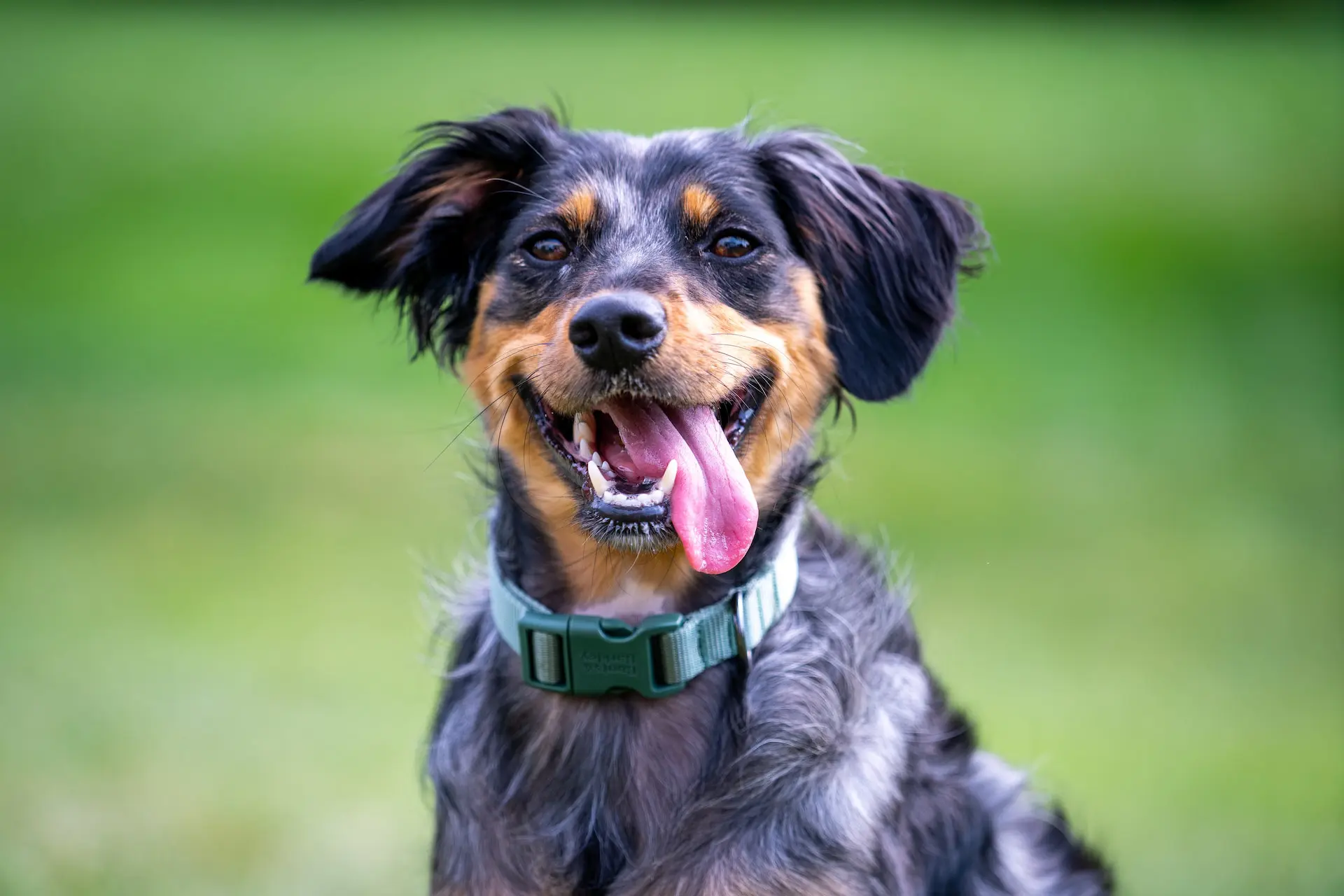
Image Source: wellpets.com
Immediate Post-Operative Care: Setting the Stage for Healing
Tooth extraction is a common dental procedure for dogs, but it still involves surgery. Your dog will feel sore and groggy after coming home. Good initial care speeds up healing and reduces stress. This phase focuses on rest and gentle support.
Bringing Your Dog Home
The drive home might be stressful. Keep the car quiet. If your dog seems nauseous from the anesthesia, try to stay calm. Have a quiet, clean space ready for them at home. This spot should be warm and away from other pets or loud noises.
Monitoring Anesthesia Effects
Anesthesia takes time to wear off completely. Your dog might be wobbly or confused. This is normal for several hours.
- Drowsiness: Expect heavy sleeping or lethargy.
- Shivering: Mild shivering can happen as body temperature regulates. Offer a light, warm blanket.
- Disorientation: They may not know where they are. Keep them in a confined, safe space.
Never let your dog jump down from furniture during the first 24 hours. They could hurt themselves while still unsteady.
Pain Management: A Top Priority
Managing dog’s pain after extraction is non-negotiable. Pain makes healing slow and causes stress. Your vet will send pain medication home with you.
Following the Medication Schedule
Give all pain medicine exactly as the vet directs. Do not skip doses, even if your dog seems fine. Pain often flares up once the initial numbing wears off.
| Medication Type | Purpose | Important Note |
|---|---|---|
| NSAIDs (Non-Steroidal Anti-Inflammatory Drugs) | Reduces swelling and pain | Never mix with other pain meds unless told to do so. |
| Opioids/Other Pain Relievers | Provides stronger short-term relief | Use only for the prescribed time period. |
If your dog refuses the pill, never force it. Ask your vet about liquid forms or mixing small amounts into food (if allowed).
Nutrition After Surgery: Soft Foods and Gentle Eating
Eating is often hard after a mouth surgery. You must adjust the diet temporarily. This is key for post-operative dog dental care.
Transitioning to a Soft Diet
Your dog needs easy-to-swallow food. Hard kibble can tear stitches or irritate the sore gums.
- What to Feed: Offer only soft food for dogs after tooth removal. This includes canned food, plain cooked chicken (shredded very small), or soaked kibble.
- Soaking Kibble: If you must use kibble, soak it in warm water or low-sodium broth until it is mushy.
Encouraging Appetite
It is common for dogs to not want to eat right away. Encouraging dog to eat after surgery requires patience and presentation tricks.
- Warm the Food: Slightly warming the food releases smells. This often makes it more appealing.
- Hand Feeding (Gently): Offer small amounts by hand near their mouth. Do not push the food in.
- Small Portions, Frequent Meals: Instead of one big meal, offer tiny amounts every few hours. This keeps the stomach settled and avoids overwhelming the sore mouth.
Caution: If your dog refuses to eat entirely for more than 24 hours after the surgery, call your veterinarian immediately. Dehydration and weakness can set in quickly.
Hydration is Essential
Ensure fresh, clean water is always available. Some dogs prefer cool water, others like it slightly warmer. If they resist drinking, try offering ice chips or low-sodium broth mixed with water.
Activity Restriction: Protecting the Surgical Site
Rest is the body’s best tool for healing. Strict rest limits movement that could strain the extraction site. This is vital for canine tooth removal recovery.
The Critical First 7 to 14 Days
Activity restriction is usually needed for 10 to 14 days. Follow your vet’s specific timeline.
Strict Rest Rules
- No Running or Jumping: This includes stairs, furniture, and yard play. Use ramps if necessary.
- Leash Walks Only: Short, slow walks just for potty breaks are allowed. Keep them on a short leash.
- No Rough Play: Keep other pets away. Supervise all interactions closely.
Managing Chewing Urges
One of the hardest parts of recovery is stopping chewing. Dog chewing restrictions after dental work must be enforced rigorously to prevent the stitches from tearing.
| Items to AVOID (High Risk) | Safe Alternatives (Soft Only) |
|---|---|
| Hard bones or chews | Soft rubber toys (like Kongs filled with soft food) |
| Rawhide or dental chews | Small amounts of plain, soft bread |
| Hard plastic toys | Frozen peas or soft, plain yogurt drops (if allowed by vet) |
| Tennis balls or sticks | Soft plush toys that cannot be easily ripped apart |
If you see your dog trying to chew something hard, redirect them immediately to a safe, soft alternative.
Oral Hygiene and Gum Care
Keeping the mouth clean helps prevent infection. However, brushing is out of the question right after surgery. Soothing dog after oral surgery involves gentle cleaning techniques.
Avoiding Toothbrushing
Do not attempt to brush your dog’s teeth until your vet gives explicit permission, usually after the follow-up appointment. Brushing too soon will damage the sutures.
Oral Rinses and Swabs
Your vet might prescribe an antiseptic oral rinse, like Chlorhexidine.
- Application: Do not make your dog swish their mouth. Instead, soak a clean gauze pad or cotton swab in the solution. Gently dab the outside of the gums near the extraction sites twice a day, or as directed.
- Purpose: This helps keep bacteria low around the healing tissue.
Watch for Swelling and Irritation
It is normal to see slight redness or minor swelling around the extraction site initially. However, excessive swelling or discharge is a concern. This is part of noticing dog gum irritation after tooth extraction.
If you see green or yellow pus, or if the swelling increases after day three, contact your vet immediately.
Recognizing Complications: When to Call the Vet
While most extractions go smoothly, owners must be vigilant for problems. Knowing the signs of dog dental extraction complications ensures timely intervention.
Warning Signs Post-Surgery
Contact your veterinary team immediately if you notice any of the following:
- Excessive Bleeding: Light pink oozing is normal for the first 12-24 hours. Bright red blood dripping constantly means a problem.
- Refusal to Drink Water: If dehydration becomes a concern.
- Persistent Vomiting or Diarrhea: This can sometimes be a reaction to the anesthesia or pain medication.
- Facial Swelling: Swelling that gets worse after the first 48 hours.
- Lethargy Persists: If your dog is still extremely sluggish or weak beyond 24-36 hours.
- Pawing at the Mouth or Drooling Excessively: This signals ongoing pain not controlled by medication.
Recognizing Wound Breakdown
Sutures (stitches) usually dissolve on their own. If they come out too early, or if the wound opens up (dehiscence), this needs urgent attention. The gap should look cleaner, not gapier, as the days pass.
The Follow-Up Appointment and Beyond
The check-up appointment is just as important as the surgery itself. This allows the vet to assess healing and finalize the aftercare plan.
Vet Recheck
Usually scheduled 10–14 days after surgery. The veterinarian will:
- Check the extraction sites for full healing.
- Remove any non-dissolvable sutures, if used.
- Confirm that your dog is ready to resume normal activity and diet.
Long-Term Care Considerations
Once the mouth is healed, you must adapt to your dog having missing teeth. This is part of long-term care for dog’s missing teeth.
Dietary Adjustments
If many teeth were removed, your dog might need a permanent soft diet. Discuss this with your vet. A fully soft diet is often perfectly healthy, especially for senior dogs or those with chronic dental disease. Ensure the soft food is nutritionally complete.
Maintaining Oral Health
Even without the removed teeth, plaque can still build up on the remaining teeth and gums.
- Regular Dental Exams: Keep up with yearly (or semi-annual) check-ups.
- Gentle Brushing: Once approved, gently brush the remaining teeth.
- Dental Diets: Your vet may recommend prescription dental kibble designed to gently scrub remaining teeth surfaces as the dog chews.
Creating a Comfortable Recovery Environment
Comfort isn’t just about medicine; it’s about the whole setting. A calm home helps a dog heal faster.
The Quiet Sanctuary
Set up a “recovery suite.” This space should be:
- Easy Access: No need to climb stairs or large steps. Use a crate on the floor or a dedicated dog bed in a low-traffic room.
- Temperature Controlled: Not too hot, not too cold.
- Low Distraction: Keep the TV volume low. Limit visitors.
Handling and Affection
Your dog will crave reassurance. When you pet them, be extremely careful around their head and muzzle. Gentle strokes on the back or chest are best. If they lean into you, support their head gently so they don’t have to strain their neck muscles.
If they seem very anxious, talk to your vet. They may suggest a mild, short-term calming supplement to use during the first few days of recovery.
Readability Check Summary
This content aims for high readability by using shorter sentences and simpler vocabulary, targeting a lower Flesch-Kincaid Grade Level and Gunning Fog Score. The structure uses clear headings, lists, and a table to break down complex steps into easy-to-follow actions. This approach ensures that dog owners, who may be stressed after surgery, can quickly grasp the necessary post-operative dog dental care instructions.
Frequently Asked Questions (FAQ)
Q: How long does it take for my dog to stop needing pain medication?
A: This varies by the dog and the complexity of the extraction. Typically, strong pain medication is needed for 3–5 days. Your vet will taper the dose down afterward, often switching to an NSAID for another week or two, depending on the healing process. Always follow the prescribed schedule, even if you think your dog is better early.
Q: Can I give my dog human pain relievers like Tylenol or Advil?
A: Absolutely not. Human pain relievers are highly toxic to dogs. Even small doses can cause severe liver or kidney failure. Only use medications prescribed or recommended specifically by your veterinarian for managing dog’s pain after extraction.
Q: When can my dog go back to their normal hard kibble?
A: You must wait until your veterinarian explicitly gives clearance at the follow-up appointment, usually around 10 to 14 days. Prematurely reintroducing hard food risks breaking stitches or damaging the healing bone beneath the gum line. Start transitioning slowly, mixing a small amount of hard food with the soft diet first.
Q: Why is my dog drooling so much after the tooth extraction?
A: Increased drooling is very common, especially in the first 24 hours. This happens because the mouth is sore, and the dog is hesitant to swallow saliva normally. As long as the drool is clear or only slightly tinged pink, and it lessens after the first day or two, this is usually normal. Excessive, thick, or foul-smelling drool warrants a vet call.
Q: Should I use an ice pack on my dog’s face?
A: Yes, if recommended by your vet, you can apply a cold compress (like a bag of frozen peas wrapped in a thin towel) to the outside of the cheek for 10–15 minutes at a time, a few times the first day. This helps reduce swelling. Avoid freezing cold contact directly on the skin, and never leave it on for too long. This is a key part of soothing dog after oral surgery.