
If your dog has a swollen paw, you must first check the paw gently for any obvious injuries like cuts, thorns, or foreign objects stuck between the toes. Recognizing dog paw injury symptoms early helps you decide the next steps for immediate care.
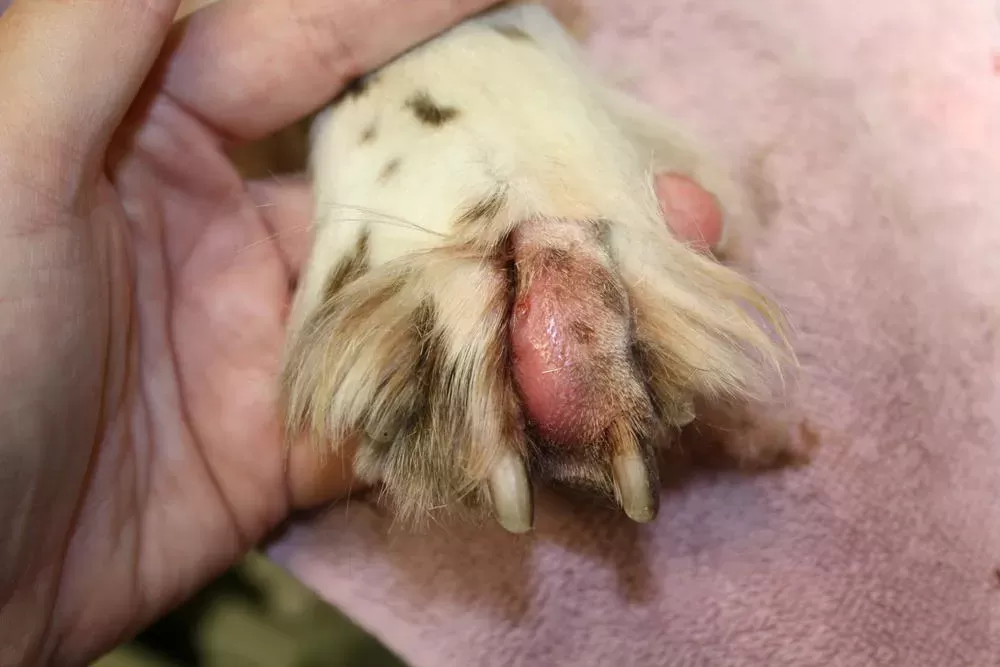
Image Source: s.puainta.com
Swift Action: First Steps for a Swollen Paw
A swollen paw can cause your dog great pain. Quick action is key to providing dog paw inflammation relief and stopping minor issues from becoming big problems.
Assessing the Swelling
Look closely at the paw. Is one toe swollen, or is the whole foot puffy? Is the swelling hot to the touch? These signs tell you a lot.
- Mild Swelling: The paw is a little puffy. Your dog still walks but favors the leg.
- Severe Swelling: The paw is very large and tight. Your dog might refuse to put any weight on it.
Checking for Foreign Objects
Carefully spread the toes apart. Look between the pads and toes. Sometimes, a bee sting, a splinter, or a piece of glass causes the swelling. If you see something small and loose, try to remove it gently with tweezers. If the object is deep or large, do not try to pull it out yourself.
When to Rush to the Vet
If you see any of these signs, stop home care and go to the vet right away:
- The paw is bleeding a lot.
- Your dog is crying loudly or acting very scared.
- You suspect a broken bone (the paw looks very crooked).
- The paw has a deep cut or a bad dog paw infection signs.
- Swelling does not go down after initial care.
Immediate Home Care: Reducing Swelling Fast
Once you rule out an emergency, you can start home treatment to begin reducing swelling in a dog’s paw. These steps focus on calming the irritation.
The Cool Compress Method
Cold therapy is excellent for swelling. It helps shrink blood vessels and dull the pain. This is a core part of swollen canine foot care.
- How to Apply: Wrap ice cubes or a frozen gel pack in a thin towel. Never put ice directly on the skin.
- Duration: Hold the compress on the swollen area for about 10 to 15 minutes.
- Frequency: Repeat this process every two to three hours for the first day.
Soaking for Comfort and Cleaning
If the cause is unknown, soaking the paw can help clean mild irritations and offer great relief. This is a good way to use home remedies for dog’s sore paw.
Epsom Salt Soak
Epsom salts can draw out fluid and reduce inflammation.
- Fill a basin or bucket with enough warm (not hot) water to cover the paw.
- Add one or two tablespoons of Epsom salt. Stir until dissolved.
- Gently place your dog’s paw into the solution. Let it soak for 10 minutes.
- Rinse the paw well with clean water afterward.
- Gently pat the paw dry with a soft towel.
Mild Soap Soak
If you think dirt or a mild irritant caused the issue, use mild, unscented soap.
- Use a very dilute solution of mild dog shampoo or dish soap (like Dawn) in lukewarm water.
- Soak briefly to clean.
- Rinse thoroughly. Soap left on the skin can cause more irritation.
Elevation for Better Circulation
Just like for humans, keeping the injured limb raised helps gravity move fluid away from the injury. This supports reducing swelling in a dog’s paw.
- When your dog rests, prop the leg up slightly higher than the heart level.
- Use pillows or blankets to make a comfortable ramp or support system.
- Keep the dog calm and still while resting.
Topical Applications: Natural Relief Options
Many owners look for natural remedies for dog paw swelling to soothe irritation without harsh drugs. These are best used after cleaning the paw.
Aloe Vera Gel
Pure aloe vera is known for its cooling and healing properties.
- Use 100% pure aloe vera gel, not the kind with added chemicals or perfumes.
- Gently rub a thin layer onto the swollen area a few times a day.
- It helps soothe minor burns or skin irritation that might cause swelling.
Calendula Cream
Calendula is a flower known in herbal medicine for reducing swelling and healing skin.
- Look for a simple calendula ointment or cream.
- Apply sparingly to the affected area. It is usually very gentle on the skin.
Witch Hazel Application
Witch hazel is an astringent. It can help tighten tissues and reduce minor swelling.
- Soak a cotton ball in witch hazel.
- Dab it gently around the swollen area. Do not let your dog lick large amounts of this off.
Safety Note: Always check with your vet before using any new topical product on your dog, especially if the skin is broken.
Bandaging and Protecting the Paw
Bandaging a dog’s swollen paw can help protect the injury and add gentle compression to aid swelling reduction. However, improper bandaging is dangerous and can cut off circulation.
When to Bandage
Bandaging is usually best done by a professional, but if you must do it at home for transport or short-term protection:
- Only bandage if the swelling is mild to moderate.
- If the swelling is severe, bandaging can make it much worse by restricting blood flow.
How to Apply a Safe Wrap (Temporary Only)
If you need to apply a temporary wrap:
- Padding Layer: Wrap the paw first with soft gauze or cotton roll. This layer should be thick but not too tight.
- Absorption Layer (Optional): If there is weeping or drainage, a sterile, non-stick pad can go over the cotton.
- Securing Layer: Use a cohesive wrap (like Vetrap) or an elastic medical tape. Start below the toes and wrap upward toward the leg.
Crucial Check: You must be able to easily slip one finger between your bandage and your dog’s leg. If you cannot, it is too tight. Remove it immediately. Check the toes frequently for coldness or discoloration.
Investigating the Cause: Deeper Dive into Swelling
Dog paw swelling happens for many reasons. Knowing the cause dictates the best treatment plan beyond immediate relief.
Common Traumas and Injuries
Most paw swelling comes from external physical harm.
| Injury Type | Common Signs | Immediate Action |
|---|---|---|
| Sprains or Strains | Limping, pain when touched, mild swelling. | Rest, cold compress. |
| Cuts or Punctures | Visible bleeding, licking at one spot. | Clean, apply pressure if bleeding, vet check. |
| Insect Stings/Bites | Sudden, localized, hot swelling, severe pain. | Cold compress, antihistamine (if approved by vet). |
| Foreign Body Lodged | Persistent limping, chewing at one spot. | Gentle visual inspection, professional removal if deep. |
Infections and Bites
Dog paw infection signs often involve heat, redness, pus, or a foul smell. These require prompt vet treatment for dog paw swelling.
- Abscesses: These are pockets of infection, often looking like a hard, hot lump. They need draining by a vet.
- Interdigital Cysts: These painful red lumps often form between the toes, common in certain breeds.
Underlying Health Issues
Sometimes, paw swelling is a symptom of a larger health problem.
- Allergies: Environmental or food allergies can cause intense itching, leading to the dog chewing and licking the paw raw, which causes severe swelling and secondary infection.
- Arthritis: Chronic swelling, often worse in cold weather, can point to joint issues, especially in older dogs.
- Systemic Disease: In rare cases, severe, generalized swelling might signal issues with the heart, liver, or kidneys, which affect fluid balance.
Deciphering Dog Paw Injury Symptoms
When examining your dog, look past the puffiness. Paying attention to details helps you tell the vet exactly what is happening.
Observing Gait and Weight Bearing
How your dog walks is a big clue.
- Toe Nipping/Licking: Constant attention to one area points to pain or itchiness at that spot.
- Holding the Paw Up: Indicates sharp pain. This is a serious sign of injury or fracture.
- Slight Favoring: The dog puts weight down hesitantly but uses the paw somewhat. This often suggests a sprain or mild bruise.
Skin Appearance Check
The look of the skin tells a story about the cause.
- Redness and Heat: Suggests inflammation, infection, or recent trauma (like a sting).
- Blisters or Open Sores: Points toward chemical irritation or severe self-trauma from licking.
- Pallor (Pale Color): If the gums or paw pads look pale, this is an emergency, possibly indicating shock or severe blood loss.
Professional Veterinary Care: What to Expect
When home care fails or the injury is severe, vet treatment for dog paw swelling is necessary.
Diagnostic Procedures
Your vet will start with a thorough physical exam. They may use specialized tools to check for deeper issues.
- X-Rays: These are crucial to check for fractures, foreign bodies (like deeply embedded thorns), or bone spurs related to arthritis.
- Aspiration/Biopsy: If infection or unusual lumps are present, the vet might draw fluid to test for bacteria or cell type.
Medical Treatments Options
Depending on the diagnosis, treatment can vary widely.
| Treatment Type | Purpose | Examples |
|---|---|---|
| Anti-Inflammatories | To control pain and reduce swelling quickly. | NSAIDs (e.g., Carprofen, Meloxicam) |
| Antibiotics | To fight bacterial infections. | Oral medications or topical ointments. |
| Soothing Washes | To treat the skin and halt infection spread. | Medicated shampoos or antiseptic soaks. |
| Surgery | For removing deeply embedded objects or repairing fractures. | Removal of foreign material, setting bones. |
Specialized Foot Care
For chronic or complex issues, the vet might recommend specialized swollen canine foot care.
- Steroid Injections: For severe localized inflammation or stubborn cysts, injections can provide targeted relief.
- Therapeutic Laser Treatment: This advanced therapy promotes deep tissue healing and circulation, aiding in the dog paw inflammation relief process after injury.
Preventing Future Paw Problems
Once the swelling is down, focus shifts to prevention. Good swollen canine foot care is a daily habit.
Inspecting Paws Regularly
Make paw checks a normal part of your routine, especially after walks on rough terrain.
- Check pads for dryness, cracks, or cuts.
- Look between the toes for burrs or ticks.
Protecting Paws in Harsh Weather
Extreme temperatures stress the paw pads.
- Hot Pavement: In summer, use dog booties or walk during cooler parts of the day. Hot asphalt burns cause significant swelling.
- Ice and Salt: Winter salt and de-icers are corrosive. Rinse paws immediately after walks in winter. Consider protective wax or booties.
Maintaining Skin Health
Healthy skin resists irritation and infection better.
- Ensure your dog has a balanced diet rich in omega fatty acids for skin health.
- Keep toenails trimmed. Overly long nails change how the paw strikes the ground, causing strain and pressure that can lead to inflammation.
Comprehending the Role of Rest
Rest is one of the most underrated tools for reducing swelling in a dog’s paw. The paw needs time to heal without constant impact.
Confinement and Leash Walks
For the first 24 to 48 hours after a significant swelling incident:
- Limit activity strictly. No running, jumping, or rough play.
- Use a short leash for bathroom breaks only. Keep these trips brief.
- If your dog is usually very active, use calming techniques or mild sedatives (only if prescribed by a vet) to enforce rest.
Recognizing Healing Milestones
You know the rest period is working when:
- The paw feels less hot to the touch.
- The size of the swelling visibly decreases daily.
- Your dog starts bearing weight more comfortably.
If improvement stalls, you must go back to the vet for a recheck, as the underlying cause might still be active.
FAQ: Addressing Common Swollen Paw Concerns
Can I use human pain relievers for my dog’s swollen paw?
No. Never give your dog human pain medications like Tylenol (acetaminophen) or Advil (ibuprofen). These drugs are toxic to dogs and can cause severe stomach ulcers, kidney failure, or death, even in small doses. Always use medication prescribed by your veterinarian.
How long should I wait before seeing a vet for a swollen paw?
If the swelling is minor (like after stepping on something small) and improves with 24 hours of rest and cold compresses, you might wait a little longer. However, if the swelling is severe, your dog cannot walk, or you suspect a puncture or break, seek veterinary care immediately—do not wait.
What are the signs of a serious dog paw infection?
Dog paw infection signs include foul odor coming from the paw, visible pus draining from a wound or between the toes, severe redness that spreads, and lethargy or fever in the dog. Infections need prescription antibiotics.
Are there specific natural remedies for dog paw swelling that are best avoided?
Yes. Avoid using strong essential oils unless highly diluted and specifically approved by a vet knowledgeable in canine aromatherapy, as many are toxic if ingested. Also, avoid using full-strength hydrogen peroxide, as it can damage healthy healing tissue. Stick to gentle solutions like dilute Epsom salt soaks.
If my dog has chronic swelling, what is the best long-term care strategy?
For chronic issues, the goal is managing the underlying cause, which often involves vet treatment for dog paw swelling. This may include joint supplements, specific dietary changes for allergies, regular hydrotherapy, or prescription medications to manage inflammation and pain associated with arthritis.