
Free shaping dog training is a method where you reward a dog for offering any behavior that moves them closer to your final goal, without giving them physical hints or luring vs shaping strategies. It relies heavily on positive reinforcement and clicker training to let the dog choose how to solve a puzzle you present.
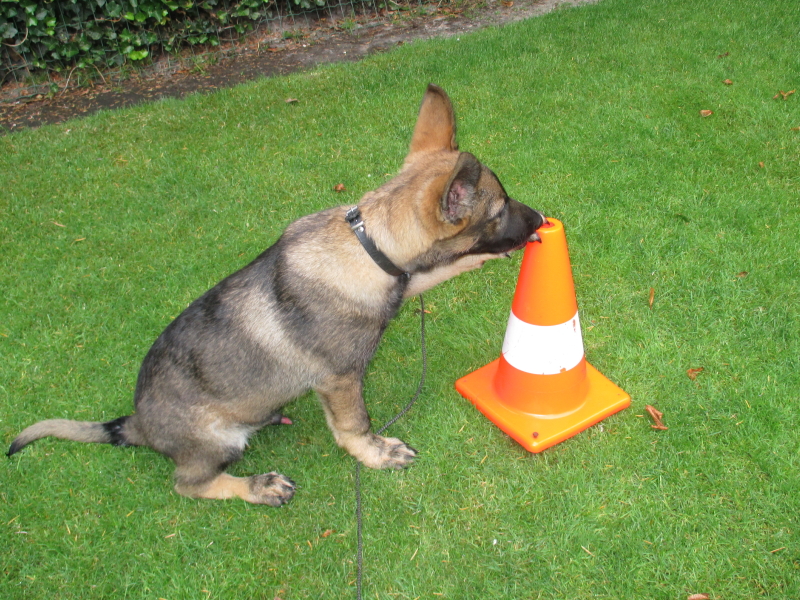
Image Source: media-01.imu.nl
What Makes Free Shaping Distinct in Dog Training?
Free shaping stands out from many older dog training methods comparison styles. It is a cornerstone of modern, humane dog behavior modification. Instead of forcing an action, the dog proposes ideas. You become a judge, picking the best attempts. This builds immense confidence in the learner.
The Core Philosophy Behind the Technique
The main idea is empowerment. The dog learns that its own actions create rewards. This is different from simply responding to a known cue. Here, the dog must first do something new. This process taps into the dog’s natural curiosity.
- It encourages problem-solving skills.
- It strengthens the bond between you and your dog.
- It reduces stress for the animal.
Comparing Shaping to Other Methods
Many people confuse shaping with simple reward training or luring. Let’s look at how it differs.
Luring Versus Shaping Behavior in Dogs
Luring involves using a treat to guide the dog physically into the desired position. If you want a ‘sit’, you move the treat over the dog’s head until its rear hits the floor. The dog follows the food.
Shaping, on the other hand, waits for the dog to voluntarily offer a movement. If you want a ‘spin’, you wait. The dog might sniff the ground, then look at you, then maybe take one step. You click and treat that first tiny step toward the spin. Then you wait for the next step. This is voluntary response training.
| Feature | Luring | Free Shaping |
|---|---|---|
| Dog’s Role | Passive follower | Active problem-solver |
| Trainer’s Role | Guide/Leader | Observer/Selector |
| Skill Built | Response to lure | Independent action |
| Best Used For | Quick initial positioning | Teaching new dog tricks or complex tasks |
The Mechanics of Implementing Free Shaping
Success in free shaping hinges on precise timing and clear communication. You need a bridge signal to tell the dog exactly when they did something right. This is usually the clicker.
Harnessing the Power of Clicker Training
Clicker training is the perfect partner for free shaping. The click sound marks the exact moment of success. It is fast and consistent.
- Charge the Clicker: First, teach the dog that the click means a reward is coming. Click, then give a treat. Repeat this many times.
- Capture the Moment: When you start shaping, you watch closely. The dog offers a small movement. Click the instant the desired action occurs.
- Follow Up: After the click, deliver the primary reward (the treat).
The clicker is the bridge. It is faster than dropping a treat. This speed is crucial when shaping behavior in dogs.
Building Behaviors in Small Steps (Successive Approximation)
This is the heart of the method. You break down a big goal into tiny, achievable steps. This is often called successive approximation.
Imagine you want your dog to touch a target stick with its nose.
- Step 1: Click and treat if the dog even glances toward the stick.
- Step 2: Wait. Now, only click if the dog takes a step toward the stick.
- Step 3: Wait again. Only click if the dog’s nose gets close to the stick.
- Step 4: Wait. Click only when the nose actually bumps the stick.
If the dog seems stuck, you have set the criteria too high. Go back a step where the dog was successful and reinforce that more heavily.
Knowing When to Raise the Criteria
Raising the criteria means demanding a better or more precise action before you click. This is a delicate balance. If you raise it too fast, the dog gets frustrated and stops offering behaviors.
Signs to raise the criteria:
- The dog offers the previous successful behavior multiple times rapidly.
- The dog seems eager and is trying new things.
- The dog holds the position for a second longer.
Signs to lower the criteria:
- The dog stops offering behaviors (freezes).
- The dog starts offering lots of random, incorrect behaviors.
- The dog looks away from the task or seems stressed.
Applying Free Shaping to Different Goals
Free shaping is versatile. It works for basic obedience, teaching new dog tricks, and even complex tasks.
Teaching New Dog Tricks with Confidence
Shaping excels at teaching novel tricks because the dog has to think for itself.
For example, teaching a “weave” between your legs:
- Click for looking at your leg.
- Click for stepping toward your leg.
- Click for putting one paw between your legs.
- Click for moving the second paw through.
The dog figures out the path through trial and error, motivated by the click. This mastery leads to higher reliability than just being forced into position.
Free Shaping for Cooperative Care Training
Cooperative care training uses shaping principles beautifully. This teaches dogs to willingly participate in handling like nail trims, ear cleaning, or vet exams.
Instead of restraining the dog, you reward any calm behavior near the tool or handler.
- Want to touch the paw for a nail trim? Click and treat for letting you look at the paw.
- Next, click and treat for letting your fingers briefly touch the paw.
The dog learns that handling leads to good things, increasing compliance without fear.
Shaping for Advanced Dog Training Techniques
When moving into advanced dog training techniques, such as competition obedience or complex service tasks, shaping is essential. Service dog tasks often require complex chains of small movements.
For instance, teaching a dog to open a specific cabinet door might involve:
- Touching the door.
- Pushing lightly.
- Pushing harder until the door moves slightly.
- Pushing until the door opens halfway.
Each stage is built upon the last using the shaping process.
Essential Do’s and Don’ts in Free Shaping
To maximize success and keep the process fun, follow these simple guidelines.
Do’s for Successful Shaping
- Keep Sessions Short: Five minutes, a few times a day, is better than one long, frustrating session.
- Use High-Value Rewards: Especially when starting a new behavior, use treats your dog loves.
- Be Patient: Sometimes the dog needs time to offer the next step. Wait them out (within reason).
- Mark Immediately: The click must happen the millisecond the right action occurs.
Don’ts That Hinder Progress
- Don’t Lure: If you find yourself reaching for the food pouch to guide the dog, stop. You are no longer shaping.
- Don’t Repeat Cues: If the dog doesn’t respond, do not say the cue again. Instead, go back to an easier step.
- Don’t Get Frustrated: Dogs sense tension. If you feel angry, end the session on an easy win and try again later.
- Don’t Reward Sloppy Attempts: If the criteria has been set for a full spin, don’t reward a half-turn. Wait for better quality.
Troubleshooting Common Shaping Hurdles
Even experienced trainers hit roadblocks. Knowing how to adjust is key to effective dog behavior modification.
The Dog Stops Offering Behaviors (The Freeze)
This is the most common problem. The dog is unsure what you want, or the criteria is too high.
Solution: Immediately go back to the last step the dog performed easily. Reward that behavior several times heavily. Then, try to take a tiny step forward again, or slightly change the context to see if a different behavior emerges.
The Dog Offers Unwanted Behaviors Repeatedly
If you ask for a touch, and the dog keeps sitting instead, the dog has decided “sit” sometimes earns a click.
Solution: Stop clicking for anything except the behavior you are aiming for. Withhold reinforcement completely for the wrong action. Wait for the desired behavior. This teaches the dog that only specific actions work now.
How to Add Cues (Fading the Shaping)
Once the dog performs the behavior reliably through shaping (maybe 8 out of 10 times), it’s time to add the verbal cue or hand signal.
- Give the new cue (e.g., “Spin”).
- Wait a second.
- If the dog performs the already-known shaped behavior, Click and Treat.
- Repeat until the dog starts offering the behavior after hearing the cue, but before they start moving.
At this point, you transition from free shaping to traditional cue-response training for that specific behavior.
The Science Behind Why Shaping Works So Well
The success of shaping behavior in dogs is deeply rooted in behavioral science, specifically positive reinforcement.
Building Intrinsic Motivation
When a dog figures out a behavior on its own, they feel a sense of accomplishment. This intrinsic motivation is powerful. They are not just working for the food; they are working to figure things out. This mental engagement is vital for high-level performance dogs.
The Importance of Voluntary Response Training
Voluntary response training means the dog chooses to engage. This is the opposite of compliance driven by fear of punishment. When dogs learn through shaping, they are more likely to offer behaviors even when the trainer isn’t looking, because the act of trying has become rewarding. This creates a mentally engaged learner, which is crucial for complex tasks, especially in fields like assistance and therapy work.
Moving Forward: Integrating Shaping into Daily Training
Free shaping should not be reserved only for teaching new dog tricks. It should be a tool you use often.
Using Shaping for Everyday Manners
You can shape polite greetings instead of just drilling “sit, stay.”
- Click for a calm approach to a visitor.
- Click for sitting nicely while the visitor stands.
- Click for keeping four paws on the floor while greeting.
This naturally shapes polite greetings through positive reinforcement rather than correcting unwanted jumping.
When to Use Shaping Over Direct Instruction
| Situation | Recommended Approach | Why? |
|---|---|---|
| Teaching a dog to wave or bark on cue | Free Shaping | Encourages creativity and voluntary action. |
| Getting a dog to lie down quickly | Luring or Capturing | Faster for simple, common positions. |
| Teaching complex service dog sequences | Shaping, built step-by-step | Requires the dog to build complex motor patterns logically. |
| Correcting an established fear response | Counter-Conditioning paired with Shaping | Shaping builds confidence in a safe way. |
Shaping requires more initial time investment than luring. However, the resulting reliability and mental engagement often make it worthwhile for long-term training goals.
Frequently Asked Questions (FAQ) About Free Shaping
Is Free Shaping the Same as Clicker Training?
No, they are not the same, but they work perfectly together. Clicker training is the communication tool (marking the exact moment of success). Free shaping is the training methodology (waiting for the dog to offer the behavior first).
Can I Use Treats When Shaping if I Don’t Use a Clicker?
Yes, you can, but it is much harder. You must use a distinct verbal marker word, like “Yes!” or “Good!” The word must be delivered with exactly the same tone and immediacy every single time. The clicker is superior because it is instantaneous and consistent.
What if My Dog Just Stares at Me When I Try to Shape?
If the dog stares, it means they are thinking, or they have hit a wall. If they are thinking, wait a few more seconds. If they still don’t offer anything, lower your criteria. Try rewarding something they did two steps ago. This refreshes their motivation.
Is Free Shaping Good for All Dogs?
It is excellent for most dogs. However, some highly anxious dogs might feel overwhelmed by the pressure to “produce” an idea. For very shy dogs, capturing (rewarding things they do naturally without asking) might be a gentler starting point before moving into full shaping behavior in dogs.
How Do I Add a Verbal Cue to a Shaped Behavior?
Wait until the dog is offering the behavior reliably (e.g., 80% of the time). Say the cue just before the dog starts moving. If the dog performs the behavior, click and treat. If the dog doesn’t move, wait a moment, and then prompt them slightly (without luring) or wait for them to offer it naturally again. The goal is for the cue to predict the action.