
The typical duration for giving pain medication after a dog spay is usually 7 to 14 days, but this can change based on your dog’s recovery, the type of medication used, and your veterinarian’s specific instructions.
It is vital to manage your female dog’s discomfort well after her spaying surgery. Proper post-operative pain management dog care speeds up healing. It also keeps your pet comfortable. This guide helps you grasp the timeline and best practices for giving your dog pain relief after her operation.
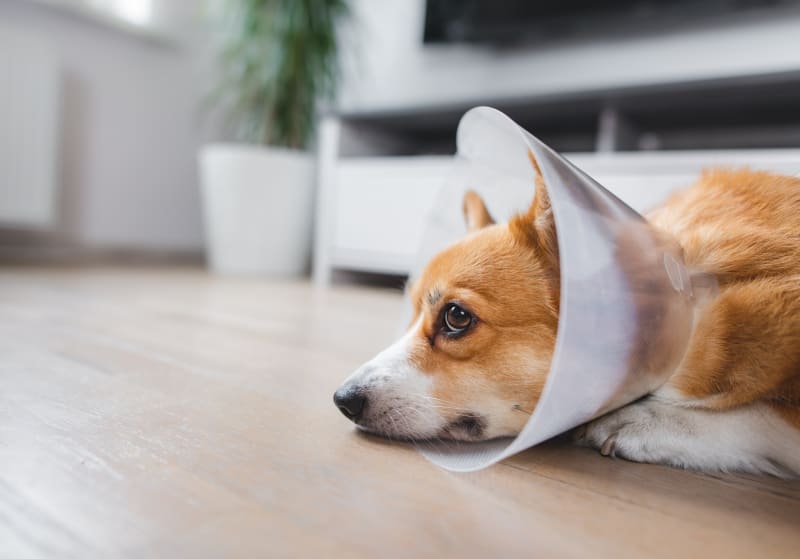
Image Source: d2zp5xs5cp8zlg.cloudfront.net
Why Pain Control is Crucial After a Spay
Spaying, or ovariohysterectomy, is a major surgery. Even though it is common, it still causes pain. Dogs cannot tell us exactly how much they hurt. We must watch them closely. Good pain control helps prevent complications. It lets your dog rest better. Rest is key for healing the incision site.
Determining the Pain Relief Timeline
The canine spay recovery medication schedule is not one-size-fits-all. It depends on several factors. Your vet sets the initial plan. They know the details of the surgery.
Initial Post-Operative Period (First 24–72 Hours)
Right after surgery, pain levels are highest. Your vet will likely give your dog strong pain relief at the clinic. This often includes injectable medicines.
- Injectables: These work fast. They keep your dog comfortable on the ride home.
- Transition Home: When you bring your dog home, you start the oral medications. This is usually a mix of drugs.
The First Week of Home Care
The first week demands strict adherence to the schedule. This period handles the acute phase of healing.
- Consistent Dosing: Keep the medicine schedule exactly as the vet said. Do not skip doses. Skipping doses lets the pain spike. This makes the next dose less effective.
- Common Medications: Most vets prescribe an NSAID after dog spay (Non-Steroidal Anti-Inflammatory Drug). These reduce swelling and pain. They are vital for joint and surgical site comfort.
Extending Relief (Days 7 to 14)
For most healthy dogs, the strong pain relief phase lasts about a week. After seven days, the incision site is much stronger.
- Duration of Pain Relief After Dog Spay: Many vets suggest continuing NSAIDs for 10 to 14 days. This gives a full window for initial wound closure.
- Observation is Key: During this time, you must watch your dog closely. Is she eating well? Is she moving more easily? If yes, you are likely on the right track.
Types of Pain Medications Used
Veterinarians use different classes of drugs for post-operative pain management dog care. They often use a combination approach. This is called multimodal analgesia. It targets pain in several ways.
Non-Steroidal Anti-Inflammatory Drugs (NSAIDs)
NSAIDs are the backbone of post-spay care for many dogs.
- Purpose: They lower inflammation. Inflammation causes much of the soreness after surgery.
- Examples: Medications like carprofen, meloxicam, or deracoxib are common.
- Safety: NSAIDs must be given exactly as prescribed. Safe pain medication intervals for female dogs are crucial to avoid side effects like stomach upset or kidney issues. Never give human pain relievers (like Tylenol or Advil) to your dog.
Opioids
Opioid use post-spay in dogs is usually short-term. They manage severe pain right after the procedure.
- Use: Vets might use them for the first 24 to 48 hours if the surgery was complex.
- At Home: It is less common to send owners home with prescription opioids like Tramadol. If prescribed, they are for breakthrough pain only. They are usually given sparingly.
Other Analgesics
Sometimes, vets add other drugs to the plan.
- Gabapentin: This medicine helps with nerve pain. Some dogs experience nerve discomfort after surgery.
- Muscle Relaxers: If the abdominal muscles spasm, a muscle relaxer might be added temporarily.
Creating a Reliable Medication Schedule
A clear schedule helps prevent missed doses or accidental overdosing. A structured approach supports the veterinarian prescribed pain relief timeline dog receives.
Table 1: Sample Post-Spay Medication Schedule (First 7 Days)
| Time of Day | Medication 1 (NSAID) | Medication 2 (Other/As Needed) | Notes |
|---|---|---|---|
| 7:00 AM | Full Dose | None | Give with a small meal. |
| 3:00 PM | None | As Needed for Licking/Pacing | Use only if pain signs appear. |
| 7:00 PM | Full Dose | None | Give with a small meal. |
| 11:00 PM | None | As Needed for Restlessness | Use sparingly to ensure sleep. |
Key Point: Always aim to give the scheduled doses with food unless your vet says otherwise. This protects your dog’s stomach.
Administering Medications Safely
Dogs can get suspicious of medicine after a few days. Make giving pills easier.
- Pill Pockets: Use commercial pill pockets or a soft treat like a small piece of cheese or peanut butter (xylitol-free!).
- Hiding in Food: Mix the pill into a small portion of their regular wet food. Giving the medicine with a small meal helps absorption and reduces stomach upset from NSAIDs.
Weaning and Tapering Off Pain Medication
One of the most common concerns is how to stop the medicine safely. Weaning dog off pain medication after surgery must be done slowly, especially with NSAIDs.
Why Tapering is Necessary
Stopping an NSAID abruptly can cause a sudden return of inflammation and pain. The body adjusts to the drug’s presence. Tapering pain medication dog recovery allows the body to naturally increase its own pain-fighting chemicals.
NSAID Tapering Example (If prescribed for 14 days)
If your dog was on a twice-a-day dose for 10 days, the tapering might look like this:
- Days 11 & 12: Reduce the dose by half, given twice a day. (e.g., If the dose was 1 pill twice daily, it becomes 1/2 pill twice daily).
- Days 13 & 14: Give the reduced dose only once per day.
- Day 15: Stop completely, provided your dog shows no signs of pain returning.
Crucial Note: Never start or stop tapering without consulting your veterinarian. They will provide the specific dosage reduction schedule for your dog.
When to Stop “As Needed” Meds
If your dog was prescribed an extra pain reliever (like Tramadol) “as needed,” you stop these sooner.
- Once your dog is happily eating, drinking, and resting comfortably on the NSAID alone (usually after 5–7 days), you stop the “as needed” drug entirely.
Monitoring Dog Pain After Spay
How do you know if the medicine is working or if your dog still needs it? Monitoring dog pain after spay requires careful observation of behavior, not just the incision.
Signs Your Dog is Hurting
If you see these signs, the current medication dose might be too low, or it is time to administer the next dose.
- Vocalization: Whining, crying, or yelping when moving or touched.
- Behavioral Changes: Being unusually aggressive, hiding, or refusing to interact.
- Mobility Issues: Reluctance to stand, difficulty walking, or limping significantly.
- Posture: Hunched back, stiff legs, or refusing to lie down comfortably.
- Grooming: Excessive licking or chewing at the incision site (this can sometimes be pain or irritation).
Signs Your Dog is Comfortable
A comfortable dog will show gradual returns to normal behavior.
- Willingness to walk short distances (on a leash).
- Lying down and getting up without obvious struggle.
- Eating and drinking normally.
- Resting calmly without pacing or panting excessively.
Potential Complications and Adjusting the Timeline
Sometimes, recovery is not smooth. Certain issues can extend the need for post-operative pain management dog care.
Infection or Dehiscence
If the incision site looks red, swollen, has discharge, or if the sutures seem to open (dehiscence), your dog is likely in significant pain.
- Action: Contact your vet immediately. The pain medication schedule will need a review. The vet might add antibiotics or temporary stronger pain relief.
Underlying Conditions
If your dog had pre-existing joint issues (like hip dysplasia), the stress of surgery can flare up that old pain.
- Action: Your vet might continue the NSAID longer, or switch to a different combination that targets both surgical pain and chronic joint pain. This means the duration of pain relief after dog spay extends beyond two weeks.
Side Effects from Medication
If your dog shows signs of stomach upset from NSAIDs—like vomiting, diarrhea, or loss of appetite—the medication schedule needs adjustment.
- Action: Call your vet right away. They may suggest giving the medication with a larger meal, switching to a different NSAID, or adding a stomach protectant. Do not stop the medication cold turkey just because of mild GI upset; talk to your vet first.
Medication Intervals and Safety
Giving medicine too close together can cause toxic buildup. Safe pain medication intervals for female dogs are determined by the drug’s half-life.
NSAID Dosing Frequency
Most veterinary NSAIDs are dosed once or twice daily.
- Twice Daily Dosing: If the label says “every 12 hours,” try to stick close to that 12-hour window. Giving it 14 hours apart isn’t a huge deal, but giving it 8 hours apart can lead to overdose.
“As Needed” Dosing Cautions
When using an “as needed” dose for breakthrough pain, pay close attention to the required wait time.
- If Tramadol is prescribed every 6–8 hours, stick to that minimum interval. Giving it at hour 4 when the dog is still uncomfortable is dangerous. You must wait the required time before the next dose.
The Role of the Veterinarian
Your veterinarian is your primary partner in this process. They tailor the veterinarian prescribed pain relief timeline dog recovery.
Pre-Surgery Consultation
Discuss pain management before the surgery day. Ask questions like:
- “What medications will my dog receive initially?”
- “How long do you anticipate she will need NSAIDs?”
- “What are the clear signs I should watch for that mean she needs more pain relief?”
Follow-Up Appointments
The recheck appointment (usually 10–14 days post-op) is critical. The vet will check the incision. They will ask specifically about your dog’s activity level and comfort. This visit often dictates the final decision about tapering pain medication dog recovery. If the vet sees perfect healing, they will likely advise stopping the medication entirely or moving to a very slow taper.
Long-Term Comfort After Stopping Medication
Once the surgical pain is fully resolved, most dogs need no further pain control for the spay incision itself. However, some owners worry about long-term recovery.
Gradual Return to Normal Activity
The final stage involves slowly increasing activity. This is essential for strengthening the abdominal wall. If you rush exercise, the internal healing suffers, which can cause discomfort weeks later.
- Leash Walks Only: For the first two weeks, short, slow leash walks are best.
- No Running or Jumping: Avoid these activities for at least 2–3 weeks, or longer if advised by your surgeon. This physical rest supports the cessation of medication.
When Pain Lingers
If your dog seems uncomfortable even after the full 14-day course of NSAIDs is finished (and you have stopped tapering), this is no longer typical surgical pain. It might signal:
- Internal scar tissue discomfort.
- Reactivation of an old orthopedic issue.
In this scenario, your vet might recommend a different type of long-term support, such as joint supplements or specialized chronic pain medications, tailored specifically for ongoing discomfort, not just the acute surgical recovery.
FAQ Section
Can I give my dog Tylenol (acetaminophen) for pain after her spay?
No. Tylenol is highly toxic to dogs and can cause severe liver failure and death. Never give any human pain medication unless specifically directed by your veterinarian, and even then, only under strict guidance.
What happens if I forget a dose of the NSAID?
If you forget a single dose, give the next dose at the regularly scheduled time. Do not double up on the next dose. If you miss several doses, call your vet before resuming the medication, as they may advise restarting the taper or resuming the full dose based on how much time has passed.
My dog is licking her incision. Is this pain or just itchiness?
Licking can be both. Pain often causes obsessive licking. Itchiness can be due to healing skin or residual surgical glue. Either way, if licking is excessive, use an E-collar (cone) immediately. Contact your vet—they might suggest an anti-itch medication or adjust the canine spay recovery medication schedule.
How long until my dog acts completely normal after the spay?
Most dogs feel significantly better within 3–5 days. They are usually back to about 75% of their normal self by the end of the first week. Full recovery, including the return of their previous energy levels without risk of injury, often takes 2 to 3 weeks. Adhering to the duration of pain relief after dog spay timeline helps ensure this full return to normal.